Vocabulary: Batch 70

#6901 to #7000 (100 entries)

#7000

improvise [family]

improvise /ˈɪmprəvaɪz/ verb
past: improvised /ˈɪmprəvaɪzd/
pp: improvised /ˈɪmprəvaɪzd/
  1. to create or perform something spontaneously, without preparation

    The jazz musicians improvised for an hour after the planned set.

  2. to make do with whatever materials are available

    We forgot the tent poles, so we improvised with branches.

improvisation /ˌɪmprəvəˈzeɪʃən/ noun
  • the act of improvising; something performed or made spontaneously

    The best scene was pure improvisation.

improvised /ˈɪmprəvaɪzd/ adjective

'Improvised explosive device' (IED) is a common military term.

  • created or done on the spot; made from whatever is available

    He gave an improvised speech.

improviser /ˈɪmprəvaɪzɚ/ countable noun
  • a person who improvises, especially in music or comedy

    She's a gifted improviser.

improv /ˈɪmprɑːv/ uncountable noun

Short for improvisation or improvisational comedy.

  • performance created spontaneously without a script

    She takes an improv class on weekends.

#6999

routine [family]

routine /ruːˈtiːn/ countable noun

From French "route" (way). "Skincare routine", "morning routine". In comedy: a prepared performance sequence.

  1. a fixed sequence of actions regularly followed

    He has a morning exercise routine.

  2. a set sequence of movements or jokes in a performance

    The comedian did his usual stand-up routine.

routine /ruːˈtiːn/ adjective
  • regular or ordinary

    It was a routine medical check.

routinely /ruːˈtiːnli/ adverb
  • as part of a regular procedure rather than for a special reason

    Visitors are routinely checked by guards.

#6998

open [family]

open /ˈoʊpən/ adjective
  1. not closed, sealed, or blocked; allowing access or passage

    The door was wide open.

  2. willing to consider or accept new ideas

    She is open to suggestions.

open /ˈoʊpən/ verb
past: opened /ˈoʊpənd/
pp: opened /ˈoʊpənd/
  1. to move something so it is no longer closed, or to become no longer closed

    He opened the window.

  2. to start operating or begin (a business, event, or period)

    The store opens at nine.

opener /ˈoʊpənɚ/ countable noun

Two senses: a can/bottle opener, and the first act/game/item in a series ('the show's opener', 'the season opener').

  1. a device for opening cans or bottles

    Grab the bottle opener from the drawer.

  2. the first act, performer, game, or item in a series

    A local band was the opener for the show.

opening /ˈoʊpənɪŋ/ countable noun
  1. a space or gap that allows passage or access

    An opening in the fence.

  2. a job vacancy

    There's an opening in the sales department.

  3. the beginning of something, such as a performance or event

    The opening of the play was delayed by ten minutes.

  4. a favorable opportunity

    This gives us an opening to renegotiate the contract.

#6997

nail [family]

nail /neɪl/ countable noun

"Hit the nail on the head" = exactly right. "Final nail in the coffin" = decisive end.

  • a thin pointed metal pin for fastening

    He hammered the nail into the wood.

nail /neɪl/ countable noun body

"Nail salon".

  • a hard plate at the end of a finger

    She painted her nails red.

nail /neɪl/ verb
past: nailed /neɪld/
pp: nailed /neɪld/
  1. to fasten or attach with a nail

    He nailed the sign to the post.

  2. (informal) to do something perfectly

    You nailed that interview!

  3. (informal) to catch, arrest, or convict

    The police finally nailed the culprit.

nail it /ˈneɪl ɪt/ phrasal verb
past: nailed it /ˈneɪld ɪt/
pp: nailed it /ˈneɪld ɪt/

Also 'nail the audition/exam/landing'. Opposite: blow it.

  • (informal) to do something exactly right or succeed perfectly

    She nailed it on her first attempt.

#6996

fig

fig
fig
fig /fɪɡ/ countable noun fruit

"Fig leaf": biblical (Adam and Eve covering themselves); figurative for token concealment. "Fig Newton": popular US cookie. "Don't give a fig" = don't care.

  • a soft sweet fruit with many small seeds

    She had figs and cheese for dessert.

#6995

sucker [family]

sucker /ˈsʌkɚ/ countable noun

"Sucker for X", informal: weakness for. "Sucker punch": surprise hit. "Lollipop" / "sucker": American hard candy on a stick.

  1. (informal) a person easily deceived

    Don't be a sucker: read the contract.

  2. an organ or device that sticks to a surface by suction

    An octopus's arms are covered in suckers.

suckerfish /ˈsʌkɚfɪʃ/ countable noun

In the sea, a remora (which clings to sharks); in aquariums, the common name for the plecostomus catfish that eats algae off the glass.

  • a fish that clings to surfaces or hosts with a sucker-like mouth

    A suckerfish was stuck to the aquarium glass.

#6994

cling [family]

cling /klɪŋ/ intransitive verb
past: clung /klʌŋ/
pp: clung /klʌŋ/

Past: clung /klʌŋ/.

  1. to hold onto something tightly, especially out of fear or for support

    The child clung to her mother's hand.

  2. ("cling to") to refuse to let go of an idea, belief, or hope

    He still clings to the hope that she'll come back.

cling on /ˌklɪŋ ˈɑːn/ phrasal verb
past: clung on /ˌklʌŋ ˈɑːn/
pp: clung on /ˌklʌŋ ˈɑːn/

Also 'cling onto' / 'cling to'. Figurative: cling on to power / hope. Related: clingy, cling film (UK) = plastic wrap.

  • to hold on tightly; to refuse to let go

    She clung on to the railing as the boat rocked.

#6993

offend [family]

offend /əˈfend/ verb
past: offended /əˈfendɪd/
pp: offended /əˈfendɪd/

Modern: "Don't be offended", common preemptive apology. "Take offense": be insulted.

  • to cause to feel upset

    His remarks offended many people.

offender /əˈfendɚ/ countable noun

"First offender": committing a crime for the first time. "Repeat offender" / "habitual offender".

  • a person who breaks the law

    The offender was sentenced to five years.

offence /əˈfens/ countable noun

British spelling; American: offense. "No offence" / "none taken": common politeness exchange.

  • (British) a breach of a law

    Driving without a license is an offence.

offensive /əˈfensɪv/ adjective

In sports: "offensive" (line, player), attacking side. "Offensive language": rude/insulting words.

  • causing offense

    The joke was offensive to many people.

offense /əˈfens/ noun

American spelling of offence. The idiom is 'take offense AT' something (not 'of'). In sports, 'offense' is first-stressed (/ˈɔːfens/) and means the attacking side.

  1. annoyance or resentment; a cause of it

    No offense, but I disagree.

  2. a violation of a rule or law

    a first offense

offending /əˈfendɪŋ/ adjective

Two senses: causing offense ("offending remark") or being the cause of a problem ("the offending tooth was removed"). Often used to identify the culprit in a list.

  • causing displeasure or being at fault

    He pointed to the offending paragraph.

#6992

remora

remora
remora
remora /ˈremɚə/ countable noun

Also called a suckerfish or sharksucker. A classic case of commensalism (a form of symbiosis): it gets food and transport while the host is largely unaffected. From Latin remora, 'delay' - ancient sailors thought it slowed ships. See freeload and sucker.

  • a slender marine fish that attaches to sharks or larger fish with a sucker on its head and feeds on scraps

    A remora clung to the shark's belly.

#6991

freeload [family]

freeload /ˈfriːloʊd/ intransitive verb
past: freeloaded /ˈfriːloʊdɪd/
pp: freeloaded /ˈfriːloʊdɪd/
  • to take advantage of others' generosity without contributing or paying

    He freeloaded off his friends all summer.

freeloader /ˈfriːloʊdɚ/ countable noun

"Freeloading": pejorative for taking without contributing. Common political insult ("welfare freeloaders"). Origin: someone who loads up for free.

  • a person who takes advantage of others' generosity

    He's a freeloader who never buys his round.

freeloading /ˈfriːloʊdɪŋ/ adjective

Common in nature writing: a remora is a freeloading fish that rides on sharks.

  • living off or taking advantage of others without contributing

    his freeloading relatives

#6990

symbiosis [family]

symbiosis /ˌsɪmbiˈoʊsɪs/ uncountable noun

Three kinds: mutualism (both benefit), commensalism (one benefits, the other is unaffected), parasitism (one benefits, the other is harmed). Figuratively, any mutually beneficial partnership. See remora.

  • a close, long-term biological interaction between two different organisms

    The fig and the fig wasp depend on each other in a classic symbiosis.

symbiotic /ˌsɪmbiˈɑːtɪk/ adjective

From Greek "syn" (together) + "bios" (life). Biology: clownfish/anemone, bee/flower. "Symbiotic relationship": common metaphor for mutual benefit.

  • of two organisms living in close mutual relationship

    They have a symbiotic relationship.

#6989

omen [family]

omen /ˈoʊmən/ countable noun

'Good/bad/ill omen'. From Latin omen. Related adjective: ominous (threatening, suggesting something bad).

  • a sign thought to show what will happen in the future

    Some people saw the eclipse as a bad omen.

ominous /ˈɑːmɪnəs/ adjective

From Latin omen ("omen, sign").

  • giving the impression that something bad is going to happen

    There were ominous clouds in the sky.

#6988

play [family]

play /pleɪ/ verb
past: played /pleɪd/
pp: played /pleɪd/
  • to engage in activity for enjoyment and recreation rather than a serious or practical purpose

    The children were playing outside.

play /pleɪ/ countable noun
  • a dramatic work for the stage

    We saw a play at the theater.

come into play /ˌkʌm ɪntə ˈpleɪ/ phrasal verb
past: came into play /ˌkeɪm ɪntə ˈpleɪ/
pp: come into play /ˌkʌm ɪntə ˈpleɪ/
  • to become active, relevant, or a factor

    Luck comes into play in most card games.

playful /ˈpleɪfəl/ adjective

Often used about children, pets, and lighthearted adults. "Playful banter": friendly teasing. Antonym: serious, somber.

  • fond of games and amusement

    The puppy is very playful.

player /ˈpleɪɚ/ countable noun

"Player" also means a device that plays media (a DVD player) or, informally, someone who has multiple romantic partners.

  • a person who takes part in a sport, game, or performance

    Each team has eleven players on the field.

#6987

lump [family]

lump /lʌmp/ countable noun

'A lump in your throat' = a tight feeling caused by strong emotion.

  1. a compact mass

    She found a lump in her breast.

  2. a swelling or abnormal growth under the skin

    She found a lump and went to the doctor.

lumpy /ˈlʌmpi/ adjective

Often negative for food: lumpy gravy, lumpy mashed potatoes (people prefer them smooth).

  • full of or covered with lumps

    The mattress was old and lumpy.

lump sum /ˈlʌmp sʌm/ countable noun

Common in retirement, insurance payouts, lottery winnings. Distinct from periodic payments (annuities).

  • a single payment made at one time

    She received a lump sum on her retirement.

#6986

tumor [family]

tumor
tumor
tumor /ˈtuːmɚ/ countable noun

American spelling. British: tumour.

  • a swelling of a part of the body, generally without inflammation, caused by an abnormal growth of tissue, whether benign or malignant

    A brain tumor.

tumour /ˈtuːmɚ/ countable noun

British spelling of "tumor" (American).

  • a swelling caused by abnormal cell growth

    The doctor found a small tumour.

#6985

coyote

coyote
coyote
coyote /kaɪˈoʊti/ countable noun animal
  • a wild dog native to North America

    A coyote crossed the road at dawn.

#6984

vomit / ralph [group]

vomit /ˈvɑːmɪt/ verb
past: vomited /ˈvɑːmɪtɪd/
pp: vomited /ˈvɑːmɪtɪd/

Formal medical term. Informal alternatives: throw up, puke, hurl, barf, retch, ralph (American slang).

  • to bring food up from the stomach through the mouth

    The patient began to vomit.

ralph /rælf/ intransitive verb
past: ralphed /rælft/
pp: ralphed /rælft/

American slang for vomit, especially associated with drinking too much. Origin: imitative of the sound. Also spelled "raf". The given name "Ralph" is pronounced differently (often /reɪlf/ or /ræf/).

  • (American slang) to vomit

    He ralphed in the parking lot after the party.

vomit vs. puke vs. throw up vs. ralph

All four mean to bring the contents of the stomach up through the mouth; they differ mainly in register, from clinical to slang.

vomit
The neutral, formal term; standard in medical and written contexts.
throw up
The most common everyday expression; neutral to mildly informal and safe in most speech. Lives in the throw family.
puke
Informal and blunt, a little crude or childish.
ralph
Jocular American slang (imitating the sound), often tied to drinking too much; somewhat dated. Grouped under vomit.
  • Use 'vomit' in formal or medical writing.
  • 'throw up' is the safe everyday choice.
  • Related: 'barf' and 'hurl' (slang), and 'retch' (to heave without bringing anything up).
#6983

throw [family]

throw /θroʊ/ transitive verb
past: threw /θruː/
pp: thrown /θroʊn/
  • to propel something through the air with a movement of the arm and hand

    I threw a brick through the window.

throw /θroʊ/ countable noun
  • an act of throwing something

    a powerful throw to first base

throw up /ˌθroʊ ˈʌp/ phrasal verb
past: threw up /ˌθruː ˈʌp/
pp: thrown up /ˌθroʊn ˈʌp/

The everyday way to say 'vomit'. A separate sense means to produce or reveal: 'the study threw up new questions'.

  1. to vomit

    He threw up after the roller coaster.

  2. to produce or bring to attention

    The investigation threw up new evidence.

vomit vs. puke vs. throw up vs. ralph

All four mean to bring the contents of the stomach up through the mouth; they differ mainly in register, from clinical to slang.

vomit
The neutral, formal term; standard in medical and written contexts.
throw up
The most common everyday expression; neutral to mildly informal and safe in most speech. Lives in the throw family.
puke
Informal and blunt, a little crude or childish.
ralph
Jocular American slang (imitating the sound), often tied to drinking too much; somewhat dated. Grouped under vomit.
  • Use 'vomit' in formal or medical writing.
  • 'throw up' is the safe everyday choice.
  • Related: 'barf' and 'hurl' (slang), and 'retch' (to heave without bringing anything up).
#6982

puke

puke /pjuːk/ verb
past: puked /pjuːkt/
pp: puked /pjuːkt/

Informal and blunt.

  • to vomit

    The smell made him puke.

puke /pjuːk/ uncountable noun
  • vomit

    Clean that puke off the floor.

vomit vs. puke vs. throw up vs. ralph

All four mean to bring the contents of the stomach up through the mouth; they differ mainly in register, from clinical to slang.

vomit
The neutral, formal term; standard in medical and written contexts.
throw up
The most common everyday expression; neutral to mildly informal and safe in most speech. Lives in the throw family.
puke
Informal and blunt, a little crude or childish.
ralph
Jocular American slang (imitating the sound), often tied to drinking too much; somewhat dated. Grouped under vomit.
  • Use 'vomit' in formal or medical writing.
  • 'throw up' is the safe everyday choice.
  • Related: 'barf' and 'hurl' (slang), and 'retch' (to heave without bringing anything up).
#6981

conscious [family]

conscious /ˈkɑːnʃəs/ adjective

Distinct from "conscience" (moral sense).

  1. awake and aware of one's surroundings

    He remained conscious throughout the surgery.

  2. having knowledge of something; aware

    She was conscious of her own limitations.

consciously /ˈkɑːnʃəsli/ adverb
  1. in a deliberate and intentional way

    She consciously chose not to reply.

  2. while awake and aware

    He could not consciously remember the accident.

consciousness /ˈkɑːnʃəsnəs/ uncountable noun
  • the state of being aware of and responsive to one's surroundings

    He lost consciousness after the blow to the head.

consciousness raising /ˈkɑːnʃəsnəs ˌreɪzɪŋ/ uncountable noun

A key feminist tactic of the 1960s-70s.

  • the activity of seeking to make people more aware of personal, social, or political issues

    The 1970s women's movement emphasized consciousness raising.

subconscious /ˌsʌbˈkɑːnʃəs/ adjective
  • existing or operating in the mind beneath or beyond consciousness

    He had a subconscious fear of failure.

subconscious /ˌsʌbˈkɑːnʃəs/ uncountable noun
  • the part of the mind of which one is not fully aware but which influences one's actions and feelings

    Dreams may reveal the subconscious.

#6980

elder [family]

elder /ˈeldɚ/ adjective

Used only of family members and as a noun for respected community members. For general comparisons use "older".

  • (of family members) older

    My elder sister is a doctor.

elder /ˈeldɚ/ countable noun
  • a person who is older or has authority in a community

    The village elders gathered to decide.

elderberry /ˈeldɚberi/ countable noun

Used in syrups, wines, and traditional remedies. Famously mocked by the French knight in Monty Python: "Your mother was a hamster and your father smelt of elderberries."

  • the dark purple berry of the elder tree (Sambucus)

    She makes wine from elderberries each autumn.

elderly /ˈeldɚli/ adjective

More polite than "old" when referring to people.

  • (of a person) old or aging

    The bus had reserved seats for elderly passengers.

older vs. elder vs. elderly

All three relate to greater age but differ in grammar and register: 'older' is the plain comparative, 'elder' is a formal word limited to people (especially family), and 'elderly' is a polite adjective describing an old person.

older
The everyday comparative of old. Works for people or things and is the only one that takes 'than' (three years older than me).
elder
Formal, and used mainly of people, especially the senior of two family members (my elder brother). Cannot take 'than'; as a noun it means a respected senior.
elderly
A courteous adjective for someone who is old (an elderly couple). Not a comparative, so it never takes 'than'.
  • Default to 'older' for any comparison; it is never wrong.
  • Use 'elderly' as a polite way to say someone is old; reserve 'elder' for family or seniority.
  • Never say 'elder than' or 'elderly than'.
#6979

old [family]

old /oʊld/ adjective
  1. having lived or existed for a long time

    He is an old man now.

  2. belonging to the past; former

    I ran into an old friend from school.

older /ˈoʊldɚ/ adjective

The general comparative of old; the only choice with 'than' (older than me). See the older-vs-elder comparison below.

  • more advanced in age; having existed longer

    My brother is three years older than me.

oldest /ˈoʊldəst/ adjective
  • the most advanced in age; having existed the longest

    She is the oldest of four sisters.

older vs. elder vs. elderly

All three relate to greater age but differ in grammar and register: 'older' is the plain comparative, 'elder' is a formal word limited to people (especially family), and 'elderly' is a polite adjective describing an old person.

older
The everyday comparative of old. Works for people or things and is the only one that takes 'than' (three years older than me).
elder
Formal, and used mainly of people, especially the senior of two family members (my elder brother). Cannot take 'than'; as a noun it means a respected senior.
elderly
A courteous adjective for someone who is old (an elderly couple). Not a comparative, so it never takes 'than'.
  • Default to 'older' for any comparison; it is never wrong.
  • Use 'elderly' as a polite way to say someone is old; reserve 'elder' for family or seniority.
  • Never say 'elder than' or 'elderly than'.
#6978

run [family]

run /rʌn/ intransitive verb
past: ran /ræn/
pp: run /rʌn/
  • to move at a speed faster than a walk, never having both or all feet on the ground at the same time

    The dog ran across the road.

run /rʌn/ countable noun
  • an act or period of running, especially for exercise

    She went for a run every morning.

runaway /ˈrʌnəweɪ/ countable noun
  • a person who has run away, especially from their family or an institution

    The shelter helps teenage runaways.

runaway /ˈrʌnəweɪ/ adjective
  • having escaped control; happening quickly and unstoppably

    A runaway train sped down the tracks.

run into /ˌrʌn ˈɪntuː/ phrasal verb
past: ran into /ˌræn ˈɪntuː/
pp: run into /ˌrʌn ˈɪntuː/
  1. to meet by chance

    I ran into an old classmate at the airport.

  2. to collide with

    The truck ran into a lamppost.

  3. to encounter (trouble or difficulty)

    The project ran into unexpected problems.

  4. to reach (a large amount or number)

    Repair costs ran into the thousands.

run-down /ˌrʌnˈdaʊn/ adjective

Hyphenated as adjective. As noun ("rundown") = summary briefing. "Run-down neighborhood" = poor area. "Run-down" person = exhausted, ill.

  • in poor condition; tired or unwell

    They lived in a run-down house.

running /ˈrʌnɪŋ/ adjective

"Running joke": recurring joke. "Running total": sum as you go. "In the running" = competing for a position. "Up and running" = operational.

  • continuing or ongoing

    It's a running joke between us.

#6977

endanger [family]

endanger /ɪnˈdeɪndʒɚ/ transitive verb
past: endangered /ɪnˈdeɪndʒɚd/
pp: endangered /ɪnˈdeɪndʒɚd/
  • to put (someone or something) at risk

    His actions endangered the whole team.

endangered /ɪnˈdeɪndʒɚd/ adjective

"Endangered Species Act" (1973): major US conservation law. "IUCN Red List": global database of threatened species.

  • in danger; threatened with extinction

    The tiger is an endangered species.

#6976

mush [family]

mush /mʌʃ/ uncountable noun
  • a soft, wet, pulpy mass

    The overcooked rice turned to mush.

mushy /ˈmʌʃi/ adjective

'Mushy peas' is a British side dish. The sentimental sense is informal and often mildly disparaging.

  1. soft and pulpy

    The bananas had gone brown and mushy.

  2. excessively sentimental

    He wrote her a mushy love letter.

#6975

leaf [family]

leaf /liːf/ countable noun

Plural: leaves. "Turn over a new leaf" = start fresh. "Take a leaf out of someone's book" = follow their example. "Leaves": also verb form of "leave".

  • the flat part of a plant attached to the stem

    The leaves turn red in autumn.

overleaf /ˌoʊvɚˈliːf/ adverb
  • on the other side of the page of a book or document

    For more information, see overleaf.

-leaved /liːvd/ suffix
  • having leaves of a specified kind

    Broad-leaved trees.

leafy /ˈliːfi/ adjective
  1. having many leaves; consisting of leaves

    Add some leafy greens to the salad.

  2. (of a place) pleasantly full of trees and greenery

    They live on a quiet, leafy street.

#6974

patrol [family]

patrol /pəˈtroʊl/ countable noun
  • the act of moving around an area to guard or inspect it

    The night patrol found an open gate.

patrol /pəˈtroʊl/ transitive verb
past: patrolled /pəˈtroʊld/
pp: patrolled /pəˈtroʊld/
  • to move around an area to guard or inspect it

    Officers patrol the station at night.

patrol car /pəˈtroʊl kɑːr/ countable noun
  • a police car used for patrol duty

    A patrol car stopped outside the house.

patrolman /pəˈtroʊlmən/ countable noun

Older or gendered term. Police officer is more neutral.

  • a police officer who patrols an area

    The patrolman walked the downtown beat.

#6973

debut / debutante [family]

debut /deɪˈbjuː/ countable noun

From French début. Also a verb ("to make one's debut" or "the album debuted at number one").

  • a person's first appearance or performance in a public role

    She made her acting debut at sixteen.

debut /deɪˈbjuː/ verb
past: debuted /deɪˈbjuːd/
pp: debuted /deɪˈbjuːd/
  1. to appear or be presented in public for the first time

    The album debuted at number one.

  2. to make one's first public appearance

    She debuted as a soloist last spring.

debutante /ˌdebjuˈtɑːnt/ countable noun

From French. "Debutante ball": high-society introduction ceremony, peaked in 1950s. Often shortened to "deb".

  • a young upper-class woman formally entering society

    The young debutantes wore white gowns.

#6972

kingpin

kingpin /ˈkɪŋpɪn/ countable noun

Originally the central pin in bowling. Common in crime contexts: "drug kingpin".

  • the most important person or thing in an organization or activity, especially in a criminal organization

    Police arrested the alleged drug kingpin.

#6971

species

species /ˈspiːʃiːz/ countable noun

Same form in singular and plural (one species, two species); the singular is never 'specie' (that word means coined money). From Latin species, appearance or kind; related to special and specific.

  1. a group of living things able to breed with one another

    The giant panda is an endangered species.

  2. a kind, sort, or type of something

    This is a rare species of political courage.

#6970

coil

coil /kɔɪl/ verb
past: coiled /kɔɪld/
pp: coiled /kɔɪld/

"Coil up": common construction. Snakes coil. Garden hoses coil. "Coil": also a type of IUD birth control.

  • to wind into a series of loops

    She coiled the rope on the deck.

coil /kɔɪl/ countable noun
  • a series of loops

    A coil of wire lay on the floor.

#6969

boa [family]

boa
1boa
boa constrictor
2boa constrictor
boa /ˈboʊə/ countable noun animal

"Feather boa": flamboyant fashion accessory. Also: "boa", large nonvenomous snake.

  • 1a long fluffy scarf made of feathers or fur

    She wore a pink feather boa.

boa constrictor /ˌboʊə kənˈstrɪktɚ/ countable noun

Native to Central/South America. Up to 13 feet long. Kills prey by squeezing (constriction), not venom. Pet trade controversial.

  • 2a large snake that kills by squeezing

    The boa constrictor coiled around its prey.

#6968

concur [family]

concur /kənˈkɝ/ verb
past: concurred /kənˈkɝd/
pp: concurred /kənˈkɝd/

From Latin concurrere (con- + currere, to run together); shares the -cur root with occur, recur, and current. In law, a 'concurring opinion' agrees with the outcome but for different reasons.

  1. to agree

    The other judges concurred with her ruling.

  2. (formal) to happen at the same time; to coincide

    Several factors concurred to bring about the crisis.

concurrence /kənˈkɝəns/ noun
  • agreement, or the fact of happening at the same time

    The plan went ahead with the concurrence of all departments.

concurrent /kənˈkɝənt/ adjective

'Concurrent sentences' are served at the same time, unlike 'consecutive' ones served one after another.

  • existing or happening at the same time

    He is serving two concurrent prison sentences.

concurrently /kənˈkɝəntli/ adverb
  • at the same time

    The two projects ran concurrently.

#6967

sparrow

sparrow
sparrow
sparrow /ˈspæroʊ/ countable noun bird

The house sparrow is one of the world's most widespread birds. Not to be confused with the sparrowhawk, a small bird of prey. Cultural references: the hymn 'His Eye Is on the Sparrow', and Captain Jack Sparrow of 'Pirates of the Caribbean'.

  • a small brownish songbird commonly found in towns and gardens

    A sparrow built a nest in our porch.

#6966

constrict [family]

constrict /kənˈstrɪkt/ verb
past: constricted /kənˈstrɪktɪd/
pp: constricted /kənˈstrɪktɪd/

From Latin constringere (con- + stringere, to draw tight); a doublet of constrain, and related to strict and stringent.

  1. to make narrower or tighter, especially by squeezing

    The cold made his blood vessels constrict.

  2. to limit or restrict freedom of action

    Tight budgets constrict what the team can do.

constricted /kənˈstrɪktɪd/ adjective
  • made narrower or tighter; limited

    She spoke in a constricted voice, choked with emotion.

constricting /kənˈstrɪktɪŋ/ adjective
  • having the effect of narrowing or limiting

    He found the small town's constricting social rules stifling.

constriction /kənˈstrɪkʃən/ noun
  • the action of constricting, or a narrowed place

    The drug causes constriction of the blood vessels.

constrictor /kənˈstrɪktɚ/ countable noun

A boa constrictor kills prey by squeezing, not by venom.

  • a snake that kills by squeezing, or a muscle that constricts

    A boa constrictor was coiled around the branch.

#6965

distinguish [family]

distinguish /dɪˈstɪŋɡwɪʃ/ verb
past: distinguished /dɪˈstɪŋɡwɪʃt/
pp: distinguished /dɪˈstɪŋɡwɪʃt/

From Latin distinguere (to separate, mark off), related to distinct and distinction. Common construction: 'distinguish between A and B'.

  1. to recognize or treat as different

    Can you distinguish the twins?

  2. to be a characteristic that marks someone or something as different

    Its long neck distinguishes the giraffe from other animals.

  3. (distinguish oneself) to perform in a way that earns respect

    She distinguished herself in the final debate.

distinguishable /dɪˈstɪŋɡwɪʃəbəl/ adjective
  • able to be identified as different

    The two species are barely distinguishable.

distinguished /dɪˈstɪŋɡwɪʃt/ adjective

The 'dignified appearance' sense is often a polite compliment, especially about older men.

  1. successful and commanding great respect

    He is a distinguished professor of physics.

  2. having a dignified and refined appearance

    A distinguished older man with silver hair rose to speak.

distinction /dɪˈstɪŋkʃən/ noun

"Without distinction" = treating all equally. "Graduate with distinction": academic honor for high marks.

  1. a difference between similar things

    There's a clear distinction between the two.

  2. excellence that sets someone apart

    She served with distinction.

distinctive /dɪˈstɪŋktɪv/ adjective

"Distinctive": characteristic, easily recognizable. Don't confuse with "distinct" (clearly different) or "distinguished" (highly respected).

  • characteristic of one person or thing

    She has a distinctive voice.

distinct /dɪˈstɪŋkt/ adjective

"Distinct from" = different from. "Distinct possibility": clear and definite. Don't confuse with "distinctive" (= characteristic).

  • clearly different; easily distinguishable

    They are two distinct species.

#6964

begin [family]

begin /bɪˈɡɪn/ verb
past: began /bɪˈɡæn/
pp: begun /bɪˈɡʌn/

Irregular: began, begun. Slightly more formal than 'start'.

  • to start; to carry out the first part of an action

    The meeting begins at nine.

beginning /bɪˈɡɪnɪŋ/ countable noun

'From the beginning'; 'the beginning of the end' = the start of a decline.

  • the point or time at which something starts

    The beginning of the film is a little slow.

beginner /bɪˈɡɪnɚ/ countable noun

'Beginner's luck' = unexpected early success by a novice.

  • a person just starting to learn or do something

    The class is for absolute beginners.

to begin with /tə bɪˈɡɪn wɪð/ adverb

The second sense points back to how things were at the very start and overlaps with 'in the first place' (see first).

  1. as the first point; first of all

    To begin with, we don't have enough time.

  2. at first; in the first place; originally

    He never loved me to begin with.

#6963

fire [family]

fireguard
1fireguard
fire hydrant
2fire hydrant
fire /faɪɚ/ noun

Many idioms: "on fire" (performing brilliantly), "play with fire" (take dangerous risks), "fight fire with fire", "out of the frying pan into the fire".

  • the burning of something

    They sat around the fire.

fire /faɪɚ/ verb
past: fired /faɪɚd/
pp: fired /faɪɚd/
  • to dismiss from employment; to discharge a gun

    He was fired from his job.

sure-fire /ˈʃʊr faɪr/ adjective
  • certain to succeed

    A sure-fire way to get noticed.

fireguard /ˈfaɪɚɡɑːrd/ countable noun
  • 1a protective screen placed in front of an open fire

    Put the fireguard on.

fire hydrant /ˈfaɪɚ ˌhaɪdrənt/ countable noun
  • 2an upright water pipe, especially one in a street, with a nozzle to which a fire hose can be attached

    The dog peed on the fire hydrant.

set on fire /ˌset ɑːn ˈfaɪɚ/ phrasal verb
past: set on fire /ˌset ɑːn ˈfaɪɚ/
pp: set on fire /ˌset ɑːn ˈfaɪɚ/

Also 'set fire to something' (same meaning). Figuratively, 'set the world on fire' means to do something spectacular, often used in the negative ('he won't set the world on fire').

  • to cause something to start burning

    Rioters set several cars on fire.

on fire /ˌɑːn ˈfaɪɚ/ adjective
  1. burning

    The building was on fire within minutes.

  2. (informal) performing exceptionally well; very excited or passionate

    The team was on fire in the second half.

catch fire /ˌkætʃ ˈfaɪɚ/ phrasal verb
past: caught fire /ˌkɔːt ˈfaɪɚ/
pp: caught fire /ˌkɔːt ˈfaɪɚ/
  • to start burning

    The dry grass caught fire almost instantly.

#6962

dystopia [family]

dystopia /dɪsˈtoʊpiə/ countable noun

Antonym: utopia. From Greek dys- (bad) + topos (place), coined as the opposite of Thomas More's 'Utopia' (1516). Famous dystopias: '1984', 'Brave New World', 'The Handmaid's Tale'.

  • an imagined society in which there is great suffering or injustice

    The novel depicts a dystopia ruled by a totalitarian regime.

dystopian /dɪsˈtoʊpiən/ adjective

Common collocations: 'dystopian fiction', 'dystopian future', 'dystopian nightmare'.

  • relating to or resembling a dystopia; marked by suffering, oppression, or injustice

    The film paints a dystopian vision of the future.

#6961

prior

prior /ˈpraɪɚ/ adjective

"Prior to" = before (more formal than "before"). "No prior experience": common job-listing phrase.

  • existing or coming before in time

    The job requires prior experience.

prior /ˈpraɪɚ/ countable noun

A priory is the monastery/convent a prior heads; the female equivalent is a prioress.

  • a man who is the head of a house or order of monks, ranking below an abbot

    The prior led the monks in prayer.

prior vs. previous

Both mean 'earlier, coming before' and are often interchangeable, but 'prior' is more formal and is the word used in the fixed phrase 'prior to', while 'previous' is the everyday choice.

prior
More formal. Common in 'prior to' (= before), 'prior experience', 'prior notice', 'a prior engagement'. Used before a noun (attributively).
previous
The ordinary, neutral word for 'the one before': 'the previous day', 'my previous job', 'as mentioned in the previous chapter'.
  • You can say 'prior to the meeting' but not 'previous to the meeting'; use 'before' or 'prior to'.
  • 'Previous' pairs naturally with everyday time words (the previous week/owner/chapter); 'prior' sounds more formal, legal, or technical.
  • British informal: 'a bit previous' means premature or presumptuous.
#6960

previous [family]

previous /ˈpriːviəs/ adjective

From Latin praevius (going before). British informal: 'a bit previous' = premature or presumptuous.

  • existing or occurring before in time or order

    She had no previous experience of the job.

previously /ˈpriːviəsli/ adverb
  • before now, or before a particular time in the past

    He had previously worked in Japan.

prior vs. previous

Both mean 'earlier, coming before' and are often interchangeable, but 'prior' is more formal and is the word used in the fixed phrase 'prior to', while 'previous' is the everyday choice.

prior
More formal. Common in 'prior to' (= before), 'prior experience', 'prior notice', 'a prior engagement'. Used before a noun (attributively).
previous
The ordinary, neutral word for 'the one before': 'the previous day', 'my previous job', 'as mentioned in the previous chapter'.
  • You can say 'prior to the meeting' but not 'previous to the meeting'; use 'before' or 'prior to'.
  • 'Previous' pairs naturally with everyday time words (the previous week/owner/chapter); 'prior' sounds more formal, legal, or technical.
  • British informal: 'a bit previous' means premature or presumptuous.
#6959

proverb [family]

proverb /ˈprɑːvɝb/ countable noun

From Latin proverbium: pro- (forth) + verbum (word), related to verb and verbal. Synonyms include adage and maxim. Distinct from an idiom, which is a fixed phrase whose meaning is not literal, not a piece of advice. The Book of Proverbs is a book of the Bible.

  • a short, well-known saying expressing a general truth or piece of advice

    "A stitch in time saves nine" is an old proverb.

proverbial /prəˈvɝbiəl/ adjective

Often used with "the": "the proverbial early bird" = invoking a well-known saying.

  • referred to in a proverb or idiom; widely known

    He was the proverbial fish out of water.

#6958

oil [family]

oil
oil
oil /ɔɪl/ noun

'Crude oil' = unrefined petroleum. 'Essential oils' = concentrated plant extracts. 'Burn the midnight oil' = work late into the night.

  1. a thick, slippery liquid that does not mix with water, used for cooking, fuel, or lubrication

    Fry the onions in a little oil.

  2. petroleum

    The country is rich in oil.

oil /ɔɪl/ transitive verb
past: oiled /ɔɪld/
pp: oiled /ɔɪld/

'A well-oiled machine' = an organization or system that runs smoothly.

  • to lubricate or treat with oil

    He oiled the squeaky hinge.

oily /ˈɔɪli/ adjective
  1. covered with, containing, or resembling oil

    She has oily skin and eats oily fish like salmon.

  2. (of a person or manner) unpleasantly smooth, flattering, and insincere

    The oily salesman kept complimenting us.

oily vs. greasy

Both mean coated with or resembling oil or fat and often overlap, but 'greasy' suggests a heavier, stickier, usually unpleasant film, while 'oily' suggests a thinner, more liquid oiliness and is often neutral or technical.

oily
Covered with or resembling oil; thin and slippery. Often neutral: 'oily skin', 'oily fish' (like salmon, considered healthy). Figuratively, an 'oily' person is smoothly insincere.
greasy
Covered with grease, a thicker and stickier fat. Usually negative: 'greasy hair', 'greasy fast food', a 'greasy' feel on the hands. A 'greasy spoon' is a cheap diner.
  • Greasy usually implies a heavier, stickier, less pleasant coating than oily; greasy food feels heavier than oily food.
  • 'Oily' is common in health and cosmetics (oily skin, oily fish); 'greasy' dominates for fried food and unwashed hair.
  • Both can describe an insincere manner, but 'oily' (a smooth flatterer) is the more common figurative use.
#6957

grease [family]

grease /ɡriːs/ uncountable noun

"Grease" is also the 1978 movie/musical starring John Travolta. "Elbow grease" = vigorous physical effort.

  • oily or fatty matter

    The pan was covered with grease.

grease /ɡriːs/ transitive verb
past: greased /ɡriːst/
pp: greased /ɡriːst/

"Grease someone's palm" = bribe them.

  • to lubricate with grease

    Grease the cake tin before pouring in the batter.

greasy /ˈɡriːsi/ adjective

"Greasy spoon" (informal) = a cheap, often unhealthy diner.

  • covered with or containing grease

    The food was too greasy for my taste.

greasy spoon /ˌɡriːsi ˈspuːn/ countable noun
  • a small, cheap restaurant or cafe typically serving fried foods

    We ate at a greasy spoon.

oily vs. greasy

Both mean coated with or resembling oil or fat and often overlap, but 'greasy' suggests a heavier, stickier, usually unpleasant film, while 'oily' suggests a thinner, more liquid oiliness and is often neutral or technical.

oily
Covered with or resembling oil; thin and slippery. Often neutral: 'oily skin', 'oily fish' (like salmon, considered healthy). Figuratively, an 'oily' person is smoothly insincere.
greasy
Covered with grease, a thicker and stickier fat. Usually negative: 'greasy hair', 'greasy fast food', a 'greasy' feel on the hands. A 'greasy spoon' is a cheap diner.
  • Greasy usually implies a heavier, stickier, less pleasant coating than oily; greasy food feels heavier than oily food.
  • 'Oily' is common in health and cosmetics (oily skin, oily fish); 'greasy' dominates for fried food and unwashed hair.
  • Both can describe an insincere manner, but 'oily' (a smooth flatterer) is the more common figurative use.
#6956

duplex

duplex
duplex
duplex /ˈduːpleks/ countable noun

Chiefly American. From Latin duplex (twofold): duo (two) + plicare (to fold), the same root as duplicate.

  • a house divided into two separate homes, or a two-floor apartment

    They rent the upstairs unit of a duplex.

duplex /ˈduːpleks/ adjective

In telecom, 'full duplex' = two-way at the same time (like a phone call); 'half duplex' = one direction at a time (like a walkie-talkie). 'Duplex printing' = on both sides of the paper.

  1. having two parts; double

    a duplex apartment

  2. (of communication or printing) working in two directions, or on both sides

    The printer supports duplex printing.

#6955

first [family]

first /fɝst/ adjective

The ordinal of 'one'. 'First-hand' = direct. 'At first' = initially. (British) 'a first' = top degree class.

  • coming before all others in order, time, or importance

    She finished first in the race. First, let's review the agenda.

first /fɝst/ countable noun
  • a person or thing that is first; a previously unachieved event

    Reaching the summit was a first for the whole team.

first hand /ˌfɝst ˈhænd/ adjective

Often spelled "first-hand".

  • from the original source or personal experience

    He got first hand information from the witness.

first hand /ˌfɝst ˈhænd/ adverb
  • directly, from the original source or personal experience

    He learned first hand how difficult it was.

first born /ˈfɝst ˌbɔːrn/ countable noun
  • the first child born to a particular person or couple

    They doted on their first born.

in the first place /ɪn ðə ˈfɝst ˌpleɪs/ adverb

The 'originally' sense often expresses regret or questions an earlier decision.

  1. used to introduce the first of several points; to begin with

    In the first place, we can't afford it; in the second place, we don't need it.

  2. at the beginning; originally

    Why did you lend him the money in the first place?

firstly /ˈfɝstli/ adverb

Some style guides prefer "first" alone for lists; "firstly" then "secondly" etc is more formal. Often paired with "secondly".

  • in the first place; before anything else

    Firstly, I want to thank everyone.

#6954

iterate [family]

iterate /ˈɪtəreɪt/ verb
past: iterated /ˈɪtəreɪtɪd/
pp: iterated /ˈɪtəreɪtɪd/

From Latin iterare (to repeat), from iterum (again). In tech and startups, to iterate is to improve through repeated versions.

  1. to do or say something repeatedly

    The instructions iterate the same warning three times.

  2. (computing/design) to perform a process repeatedly, producing successive versions

    The team iterated on the prototype until it worked.

iteration /ˌɪtəˈreɪʃən/ noun
  • a repetition of a process, or a version produced by it

    The second iteration of the app was much faster.

iterative /ˈɪtɚətɪv/ adjective
  • involving repetition; done again and again to refine something

    Software is usually built through an iterative process.

reiterate /riˈɪtəreɪt/ verb
past: reiterated /riˈɪtəreɪtɪd/
pp: reiterated /riˈɪtəreɪtɪd/
  • say something again or a number of times, typically for emphasis or clarity

    She reiterated that the administration would remain steadfast in its support.

reiteration /riˌɪtəˈreɪʃən/ noun

'Reiterate' adds re- (again) to iterate; it literally means 'repeat again', technically redundant but standard.

  • the action of saying something again for emphasis

    His speech was a reiteration of earlier promises.

#6953

procure [family]

procure /prəˈkjʊr/ transitive verb
past: procured /prəˈkjʊrd/
pp: procured /prəˈkjʊrd/

More formal than 'get' or 'obtain'; common in business and military contexts. From Latin procurare (to manage, take care of): pro- + curare (to care for), the same root as cure and curate.

  1. to obtain, especially with effort

    She managed to procure rare medical supplies.

  2. (law) to obtain (a person) as a prostitute for someone else

    He was convicted of procuring.

procurer /prəˈkjʊrɚ/ countable noun

In the criminal sense, a procurer is essentially a pimp; a female procurer is a 'procuress'.

  • a person who procures something, especially one who obtains prostitutes for others

    The procurer was arrested along with the traffickers.

procurement /prəˈkjʊrmənt/ uncountable noun

Standard term in business and government for the purchasing process. "Procurement officer" / "procurement department".

  • the action of obtaining or acquiring something, especially for an organization

    He works in government procurement.

#6952

acclimate [family]

acclimate /ˈækləmeɪt/ verb
past: acclimated /ˈækləmeɪtɪd/
pp: acclimated /ˈækləmeɪtɪd/

Chiefly American. British English prefers acclimatize. From klima (climate/region), related to 'climate'.

  • to become or make accustomed to a new climate, environment, or set of conditions

    It took her a week to acclimate to the high altitude.

acclimatize /əˈklaɪmətaɪz/ verb
past: acclimatized /əˈklaɪmətaɪzd/
pp: acclimatized /əˈklaɪmətaɪzd/

British spelling: acclimatise. Preferred in British English and in mountaineering and biology, especially for physical adjustment to altitude or heat.

  • to adjust to a new climate or conditions, especially physically

    Climbers spend several days acclimatizing before the summit push.

acclimation /ˌækləˈmeɪʃən/ noun
  • the process of acclimating

    A period of acclimation helped the new staff settle in.

acclimatization /əˌklaɪmətəˈzeɪʃən/ noun

British spelling: acclimatisation.

  • the process of acclimatizing, especially physiological adjustment to altitude

    Acclimatization reduces the risk of altitude sickness.

#6951

apparition

apparition /ˌæpəˈrɪʃən/ countable noun

From Latin apparere (to appear), the same root as appear and apparent. Synonyms for the ghost sense: specter, phantom, wraith. In astronomy, an apparition is a period when a comet or planet is visible.

  1. a ghost or ghostlike figure

    He claimed to have seen an apparition in the hallway.

  2. (formal) the sudden or unexpected appearance of someone or something

    The apparition of a stranger in the doorway startled her.

#6950

caveman

caveman
caveman
caveman /ˈkeɪvmæn/ countable noun

Plural: cavemen. Feminine: cavewoman; neutral: caveperson or cave dweller. 'Caveman diet' is an informal name for the paleo diet.

  1. a prehistoric human who lived in caves; a Stone Age person

    Cavemen used stone tools and hunted for food.

  2. (informal) a man who behaves in a rough, primitive, or unsophisticated way

    He has caveman manners at the dinner table.

#6949

affluence [family]

affluence /ˈæfluəns/ uncountable noun

From Latin affluere (to flow toward, abound): ad- (to) + fluere (to flow), the same root as fluent, fluid, and influence; the image is wealth flowing in. A rare, older variant of this noun is 'affluency' (same meaning). Do not confuse with 'effluent' (liquid waste discharge).

  • the state of having a great deal of money; wealth

    A sign of our growing affluence.

affluent /ˈæfluənt/ adjective

Common collocations: 'affluent neighborhood', 'affluent families'. Note it is a doublet-like relative of 'effluent' but opposite in tone (wealth vs waste).

  • (especially of a group or area) having a great deal of money; wealthy

    The affluent societies of the western world.

#6948

speed [family]

speed /spiːd/ noun

'Speed limit' = the maximum legal speed. 'Up to speed' = fully informed or working at full capacity.

  1. the rate at which someone or something moves or operates

    The car was traveling at high speed.

  2. rapidity of movement or action; swiftness

    She solved the puzzle with impressive speed.

  3. (informal) amphetamine, used as a stimulant drug

    He was arrested for dealing speed.

speed /spiːd/ verb
past: sped /sped/ or speeded /ˈspiːdɪd/ (used especially in 'speeded up')
pp: sped /sped/ or speeded /ˈspiːdɪd/ (used especially in 'speeded up')
  1. to move or travel quickly

    The train sped through the station.

  2. to drive faster than the legal limit

    She was fined for speeding on the highway.

speeding /ˈspiːdɪŋ/ uncountable noun
  • the offense of driving faster than the legal speed limit

    The police are cracking down on speeding.

speed up /ˌspiːd ˈʌp/ phrasal verb
past: sped up /ˌsped ˈʌp/
pp: sped up /ˌsped ˈʌp/
  • to move or happen faster, or to make something faster

    Can you speed up the process?

speedy /ˈspiːdi/ adjective
  • done or occurring quickly

    A speedy recovery.

speedometer /spɪˈdɑːmɪtɚ/ countable noun

Informally 'speedo' in British English.

  • an instrument on a vehicle showing its current speed

    The speedometer read seventy miles per hour.

#6947

torpedo

torpedo
torpedo
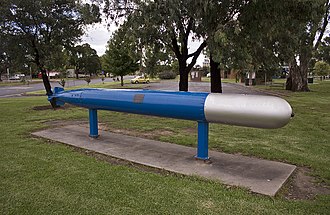
torpedo /tɔːrˈpiːdoʊ/ countable noun

Plural: torpedoes. From Latin torpedo (numbness), via the torpedo fish (electric ray) that numbs its prey.

  • a cigar-shaped self-propelled underwater missile fired from a ship, submarine, or aircraft to destroy ships

    The submarine fired a torpedo at the enemy vessel.

torpedo /tɔːrˈpiːdoʊ/ transitive verb
past: torpedoed /tɔːrˈpiːdoʊd/
pp: torpedoed /tɔːrˈpiːdoʊd/

The figurative sense is common: to 'torpedo a deal' is to deliberately ruin it.

  1. to attack or sink with a torpedo

    The tanker was torpedoed and sank within minutes.

  2. (figurative) to destroy or wreck (a plan, deal, or negotiation)

    The scandal torpedoed his campaign.

#6946

whirlwind

whirlwind
whirlwind
whirlwind /ˈwɝlwɪnd/ countable noun

As an adjective ('whirlwind romance', 'whirlwind tour') it means very fast and intense.

  1. a column of air rotating rapidly around a vertical axis; a small windstorm

    A whirlwind lifted the dry leaves high into the air.

  2. (figurative) a very fast, busy, or intense series of events

    Their romance was a whirlwind.

whirlwind /ˈwɝlwɪnd/ adjective
  • extremely fast, energetic, and often hectic

    They went on a whirlwind tour of five countries in a week.

whirlwind vs. tornado

Both are rotating columns of air, but a whirlwind is small and relatively harmless, while a tornado is a large, violent, and highly destructive storm.

whirlwind
A small, usually short-lived column of rapidly rotating air, such as a dust devil; generally weak and harmless. Often used figuratively for something fast and intense: 'a whirlwind romance', 'a whirlwind tour'.
tornado
A large, violent, destructive vortex of rotating wind reaching from a thunderstorm cloud down to the ground, appearing as a funnel and capable of leveling buildings. Informally called a 'twister'.
  • Scale and danger are the key difference: whirlwinds are small and mostly harmless; tornadoes are among the most destructive storms on Earth.
  • A tornado descends from a thunderstorm; a whirlwind such as a dust devil usually forms over hot ground under clear skies.
  • Do not confuse a tornado with a hurricane, typhoon, or cyclone, which are much larger storm systems that form over warm oceans.
#6945

tornado

tornado
tornado
tornado /tɔːrˈneɪdoʊ/ countable noun weather

Plural: tornados or tornadoes. "Tornado Alley" = the central US plains where tornados are most common.

  • a mobile, destructive vortex of violently rotating winds appearing as a funnel cloud

    The tornado destroyed several homes.

whirlwind vs. tornado

Both are rotating columns of air, but a whirlwind is small and relatively harmless, while a tornado is a large, violent, and highly destructive storm.

whirlwind
A small, usually short-lived column of rapidly rotating air, such as a dust devil; generally weak and harmless. Often used figuratively for something fast and intense: 'a whirlwind romance', 'a whirlwind tour'.
tornado
A large, violent, destructive vortex of rotating wind reaching from a thunderstorm cloud down to the ground, appearing as a funnel and capable of leveling buildings. Informally called a 'twister'.
  • Scale and danger are the key difference: whirlwinds are small and mostly harmless; tornadoes are among the most destructive storms on Earth.
  • A tornado descends from a thunderstorm; a whirlwind such as a dust devil usually forms over hot ground under clear skies.
  • Do not confuse a tornado with a hurricane, typhoon, or cyclone, which are much larger storm systems that form over warm oceans.
#6944

gravel [family]

gravel
gravel
gravel /ˈɡrævəl/ uncountable noun

"Gravel road": unpaved road common in rural areas. "Gravel-voiced": having a rough, husky voice.

  • small stones, often used to cover roads

    He laid gravel on the driveway.

gravelly /ˈɡrævəli/ adjective

The voice sense is very common: a gravelly voice sounds low and rasping.

  1. covered with or consisting of gravel

    They crunched along the gravelly path.

  2. (of a voice or sound) rough and harsh

    He spoke in a deep, gravelly voice.

gravelled /ˈɡrævəld/ adjective

British spelling (double l). American: graveled.

  • covered with gravel

    They walked on the gravelled path.

#6943

hook / hook-up [family]

hook /hʊk/ countable noun

"Off the hook" - free from trouble. "By hook or by crook" - by any means. "Hooker" - informal for prostitute. "Captain Hook" - Peter Pan villain.

  • a curved piece of metal or plastic for catching or hanging things

    Hang your coat on the hook.

hook /hʊk/ transitive verb
past: hooked /hʊkt/
pp: hooked /hʊkt/
  • to catch, fasten, or interest someone

    The opening scene hooked the audience.

hook-up /ˈhʊkʌp/ countable noun

Informal. The sexual sense is common in casual speech.

  • a casual sexual encounter; also a connection between devices

    The campsite has an electrical hook-up.

hooker /ˈhʊkɚ/ countable noun
  • a prostitute

    He picked up a hooker.

hooked /hʊkt/ adjective
  • addicted or captivated

    He's hooked on that show.

hook up /ˌhʊk ˈʌp/ phrasal verb
past: hooked up /ˌhʊkt ˈʌp/
pp: hooked up /ˌhʊkt ˈʌp/

The noun form is 'hook-up'. The relationship sense is informal and often implies something casual.

  1. to connect or set up a piece of equipment

    He hooked up the printer to the laptop.

  2. (informal) to meet or begin a relationship, often a casual one

    They hooked up at a party last summer.

#6942

spin [family]

spin /spɪn/ verb
past: spun /spʌn/
pp: spun /spʌn/

Past: spun. Political: "put a spin on" = present favorably. "Spin doctor": PR specialist. "Spin off": new venture branched from existing one.

  • to turn rapidly around an axis

    The wheels spun in the snow.

spin /spɪn/ countable noun

'Go for a spin' = a short drive. 'Put a spin on' = present with bias.

  1. a fast turning or whirling movement

    The car went into a spin on the ice.

  2. a favorable slant given to information, especially in politics

    The campaign put a positive spin on the figures.

spin up /ˌspɪn ˈʌp/ phrasal verb
past: spun up /ˌspʌn ˈʌp/
pp: spun up /ˌspʌn ˈʌp/

Common in computing/cloud contexts: 'spin up an instance'.

  1. (computing) to start up or bring into operation, especially a server or process

    We spun up a new server to handle the traffic.

  2. to cause to rotate faster

    The hard drive spins up before reading.

#6941

entice [family]

entice /ɪnˈtaɪs/ transitive verb
past: enticed /ɪnˈtaɪst/
pp: enticed /ɪnˈtaɪst/
  • to attract or tempt someone by offering pleasure or advantage

    The bakery's smell enticed customers into the store.

enticement /ɪnˈtaɪsmənt/ noun
  • something that attracts or tempts; the act of enticing

    Free coffee was an enticement to attend the meeting.

enticing /ɪnˈtaɪsɪŋ/ adjective
  • attractive or tempting

    The offer was very enticing.

#6940

chiropractic [family]

chiropractic /ˌkaɪrəˈpræktɪk/ uncountable noun

From Greek 'cheir' (hand) + 'praktikos' (doing): treats the spine by hand.

  • a system of treating illness by manual manipulation of the spine and joints

    She tried chiropractic for her chronic back pain.

chiropractor /ˈkaɪrəpræktɚ/ countable noun
  • a practitioner of chiropractic

    The chiropractor gently adjusted his neck.

#6939

overhead [family]

overhead /ˌoʊvɚˈhed/ adverb
  • above the level of the head; up in the sky

    A flock of geese flew overhead.

overhead /ˈoʊvɚhed/ adjective
  • situated or passing above, over your head

    Put your bag in the overhead bin.

overhead /ˈoʊvɚhed/ noun

British English often uses the plural 'overheads'. Note the stress shift: the noun/adjective stress the first syllable, the adverb the last.

  • the regular ongoing costs of running a business, such as rent and utilities

    High overhead forced the shop to close.

overheads /ˈoʊvɚhedz/ plural noun

"Overhead" (singular) also used: "overhead costs". Different from "overhead" the adverb ("a plane flew overhead") or adjective ("overhead cabinet").

  • ongoing business expenses not tied to specific products

    Overheads include rent and utilities.

#6938

compartment [family]

compartment /kəmˈpɑːrtmənt/ countable noun

Common collocations: 'glove compartment' (in a car), 'luggage compartment', 'train compartment'.

  • a separate section or part of an enclosed space, container, or vehicle

    He stored his keys in the glove compartment.

compartmentalize /ˌkɑːmpɑːrtˈmentəlaɪz/ transitive verb
past: compartmentalized /ˌkɑːmpɑːrtˈmentəlaɪzd/
pp: compartmentalized /ˌkɑːmpɑːrtˈmentəlaɪzd/

British spelling: compartmentalise. Common in psychology.

  • to divide into separate sections or categories; to keep things or feelings mentally separate

    He compartmentalizes his work and personal life.

#6937

belong [family]

belong /bɪˈlɔːŋ/ intransitive verb
past: belonged /bɪˈlɔːŋd/
pp: belonged /bɪˈlɔːŋd/

"Belong to" = be owned by. "Belong with" = be best paired with. "Belong" (alone) = fit in a group/place.

  1. to be a member of

    She belongs to a book club.

  2. to be the property of

    This book belongs to me.

belonging /bɪˈlɔːŋɪŋ/ uncountable noun

Singular 'belonging' (a feeling of acceptance) is distinct from plural 'belongings' (possessions).

  • a feeling of being accepted and included; affinity for a place or group

    She finally felt a sense of belonging at the new school.

belongings /bɪˈlɔːŋɪŋz/ plural noun

Always plural. "Personal belongings": common phrase, especially in travel/security contexts.

  • a person's movable possessions

    He gathered his belongings and left.

#6936

retrieve [family]

retriever
retriever
retrieve /rɪˈtriːv/ transitive verb
past: retrieved /rɪˈtriːvd/
pp: retrieved /rɪˈtriːvd/

In computing, "retrieve" = fetch data from storage.

  1. to get or bring (something) back from a place

    He retrieved the ball from under the couch.

  2. to find or extract (data) from a computer system

    The system can retrieve records by date.

retriever /rɪˈtriːvɚ/ countable noun

Bred to fetch shot game. Common breeds: Labrador Retriever, Golden Retriever, Chesapeake Bay Retriever.

  • a type of dog originally bred for retrieving game

    Their golden retriever loves to fetch.

retrieval /rɪˈtriːvəl/ uncountable noun
  • the action of getting something back, or extracting data

    The retrieval of the missing files took hours.

#6935

cursive

cursive
cursive
cursive /ˈkɝsɪv/ adjective

From Latin currere (to run), the same root as cursor and cursory: the pen 'runs' along, joining letters. Opposite: print or block letters.

  • (of handwriting) written with the letters joined in a flowing style

    She writes in neat cursive.

cursive /ˈkɝsɪv/ noun
  • cursive handwriting

    Cursive is no longer taught in some schools.

#6934

supplicate [family]

supplicate /ˈsʌplɪkeɪt/ verb
past: supplicated /ˈsʌplɪkeɪtɪd/
pp: supplicated /ˈsʌplɪkeɪtɪd/

Formal or literary. From Latin supplicare: sub- (under) + plicare (to bend/fold), the idea of bending or kneeling in entreaty; a cousin of pliable and complicate.

  • to ask or beg for something humbly and earnestly

    They supplicated the king for mercy.

supplicant /ˈsʌplɪkənt/ countable noun

A near-synonym is 'suppliant' (also used as an adjective). Often religious: a supplicant prays or kneels in humble request.

  • a person who asks for something earnestly and humbly, especially through prayer

    The supplicants knelt before the altar.

supplication /ˌsʌplɪˈkeɪʃən/ noun
  • the action of asking or begging for something earnestly and humbly

    She raised her hands in supplication.

#6933

aside [family]

aside /əˈsaɪd/ adverb

Theater: "aside" (noun) = remark addressed to audience, supposedly not heard by other characters. "Set aside" = save for later. "Aside from" = except for.

  • to one side; out of the way

    He stepped aside to let her pass.

aside /əˈsaɪd/ countable noun

Theatrical or conversational: a remark meant to be heard only by some, not all, present.

  • a remark made quietly so that only some people can hear

    'He has no idea,' she said in an aside.

aside from /əˌsaɪd ˈfrɑːm/ preposition

Chiefly American; the British equivalent is 'apart from'. The 'except for' and 'in addition to' senses are told apart by context.

  1. except for; apart from

    Aside from a few typos, the essay is excellent.

  2. in addition to; besides

    Aside from English, she speaks three other languages.

aside from vs. beside vs. except

Three easily confused terms: 'aside from' and 'except' both mean 'not including', while 'beside' means 'next to' and is a false friend of 'besides' (= in addition to).

aside from
Means 'except for' or 'apart from', and sometimes 'in addition to'. 'Aside from one mistake, it was perfect.' The British equivalent is 'apart from'.
beside
Means 'next to' (physical position). 'She sat beside me.' Do not confuse it with 'besides', which means 'in addition to' or 'except for'.
except
Means 'not including; other than'. 'Everyone came except John.' It removes one item from a group.
  • 'Aside from' and 'except (for)' both subtract something from a group; 'besides' usually adds to it.
  • The trap is 'beside' (next to) versus 'besides' (in addition to / except): one letter changes the meaning.
  • 'Except' (to exclude) also differs from 'accept' (to receive or agree to).
#6932

beside

beside /bɪˈsaɪd/ preposition

Different from "besides" (= in addition to). "Beside oneself" = overwhelmed with emotion. "Beside the point" = irrelevant.

  • next to

    She sat beside him.

aside from vs. beside vs. except

Three easily confused terms: 'aside from' and 'except' both mean 'not including', while 'beside' means 'next to' and is a false friend of 'besides' (= in addition to).

aside from
Means 'except for' or 'apart from', and sometimes 'in addition to'. 'Aside from one mistake, it was perfect.' The British equivalent is 'apart from'.
beside
Means 'next to' (physical position). 'She sat beside me.' Do not confuse it with 'besides', which means 'in addition to' or 'except for'.
except
Means 'not including; other than'. 'Everyone came except John.' It removes one item from a group.
  • 'Aside from' and 'except (for)' both subtract something from a group; 'besides' usually adds to it.
  • The trap is 'beside' (next to) versus 'besides' (in addition to / except): one letter changes the meaning.
  • 'Except' (to exclude) also differs from 'accept' (to receive or agree to).
#6931

except [family]

except /ɪkˈsept/ preposition

Do not confuse with 'accept' (to receive or agree to). As a conjunction: 'I would go, except that it's raining.'

  • not including; other than

    The shop is open every day except Sunday.

except /ɪkˈsept/ transitive verb
past: excepted /ɪkˈseptɪd/
pp: excepted /ɪkˈseptɪd/

Formal. 'Present company excepted' = the people here are not included.

  • to exclude; to leave out

    Children are excepted from the entrance charge.

exception /ɪkˈsepʃən/ countable noun

"The exception that proves the rule": confusing proverb. In programming: "exception" = unexpected error condition (Python try/except).

  • a person or thing that is not included in a general statement

    There are exceptions to every rule.

exceptional /ɪkˈsepʃənəl/ adjective

"Exceptional" can be positive (exceptional talent) or simply descriptive (exceptional circumstances).

  • unusually good

    She has exceptional talent.

aside from vs. beside vs. except

Three easily confused terms: 'aside from' and 'except' both mean 'not including', while 'beside' means 'next to' and is a false friend of 'besides' (= in addition to).

aside from
Means 'except for' or 'apart from', and sometimes 'in addition to'. 'Aside from one mistake, it was perfect.' The British equivalent is 'apart from'.
beside
Means 'next to' (physical position). 'She sat beside me.' Do not confuse it with 'besides', which means 'in addition to' or 'except for'.
except
Means 'not including; other than'. 'Everyone came except John.' It removes one item from a group.
  • 'Aside from' and 'except (for)' both subtract something from a group; 'besides' usually adds to it.
  • The trap is 'beside' (next to) versus 'besides' (in addition to / except): one letter changes the meaning.
  • 'Except' (to exclude) also differs from 'accept' (to receive or agree to).
#6930

parade

parade
parade
parade /pəˈreɪd/ countable noun

Famous: Macy's Thanksgiving Day Parade, Pride parades, Chinese New Year parade. "Rain on someone's parade": spoil their plans.

  • a public procession of people, often celebratory

    The town held a parade for the holiday.

parade /pəˈreɪd/ verb
past: paraded /pəˈreɪdɪd/
pp: paraded /pəˈreɪdɪd/
  1. to walk or march in a public procession

    The veterans paraded through the town square.

  2. to display in an ostentatious way

    He loves to parade his wealth in front of guests.

#6929

pride [family]

pride /praɪd/ noun

"Pride and Prejudice": Jane Austen. "Pride goes before a fall": proverb. "Pride" (LGBTQ+): celebration month/parades. "Pride of lions": collective. Also 'a pride of lions' (a family group); 'take pride in' = feel satisfaction about.

  • a feeling of satisfaction in one's achievements

    He took pride in his work.

pride /praɪd/ verb
past: prided /ˈpraɪdɪd/
pp: prided /ˈpraɪdɪd/

Reflexive: 'pride oneself on' something.

  • to be proud of, used reflexively as 'pride oneself on'

    She prides herself on her punctuality.

proud /praʊd/ adjective

'Proud of' + achievement. 'Do someone proud' = make them proud, or treat them generously.

  1. feeling deep satisfaction in one's own achievements or qualities, or those of someone close

    They were proud of their daughter's success.

  2. having an excessively high opinion of oneself; arrogant

    He was too proud to admit he was wrong.

#6928

center stage

center stage /ˌsentɚ ˈsteɪdʒ/ noun

Chiefly figurative: 'take center stage' = become the focus of attention. British spelling: centre stage.

  1. the center of a stage

    The lead actor stood at center stage.

  2. the most prominent or important position

    The economy took center stage in the debate.

#6927

grade [family]

grade /ɡreɪd/ countable noun

'Make the grade' = meet the required standard. 'Grade school' (US) = elementary school; British schools say 'year' or 'form', not grade.

  1. a level of quality, rank, or ability

    The furniture is made of high-grade oak.

  2. a mark given for schoolwork or an exam

    She got top grades in every subject.

  3. (US) a year or level in school

    My son is in third grade.

grade /ɡreɪd/ verb
past: graded /ˈɡreɪdɪd/
pp: graded /ˈɡreɪdɪd/
  1. to assign a mark or rank to

    The teacher graded the essays over the weekend.

  2. to arrange in levels, or to level ground

    The site was graded before construction began.

grader /ˈɡreɪdɚ/ countable noun
  1. (US) a student in a specified school grade

    A group of tenth graders visited the museum.

  2. a person or machine that grades

    A road grader smoothed the gravel surface.

#6926

dominate [family]

dominate /ˈdɑːməneɪt/ verb
past: dominated /ˈdɑːməneɪtɪd/
pp: dominated /ˈdɑːməneɪtɪd/

From Latin dominus (master, lord); same root as dominion.

  1. to have power, authority, or control over someone or something

    The home team dominated the game from start to finish.

  2. to be the largest, most important, or most noticeable feature of something

    A huge mountain dominates the view from her window.

dominant /ˈdɑːmənənt/ adjective

In genetics: "dominant gene" expressed even from one copy (vs. recessive). "Dominant culture": sociological term. "Dominant species": most prevalent in ecosystem.

  • having power or influence

    The dominant force in the industry.

dominance /ˈdɑːmɪnəns/ uncountable noun
  • power, influence, or superiority over others

    The team established early dominance in the match.

domination /ˌdɑːmɪˈneɪʃən/ noun
  • the exercise of control or power over others

    The villain dreamed of world domination.

predominate /prɪˈdɑːməneɪt/ intransitive verb
past: predominated /prɪˈdɑːməneɪtɪd/
pp: predominated /prɪˈdɑːməneɪtɪd/

More formal than "dominate". Often used in descriptions of populations or characteristics.

  • to be the strongest or main element

    Women predominate in the teaching profession.

predominant /prɪˈdɑːmənənt/ adjective
  • present as the strongest or main element

    The predominant color in the room was blue.

predominance /prɪˈdɑːmənəns/ uncountable noun

Slightly more formal than "dominance". Often statistical: "a predominance of women in the field". Common in academic and analytical writing.

  • the state of being most common or dominant

    There's a predominance of male engineers in the field.

predominantly /prɪˈdɑːmənəntli/ adverb

More formal than "mostly" or "mainly". Common in academic and descriptive writing.

  • mainly; for the most part

    The audience was predominantly young.

dominion /dəˈmɪniən/ noun

Same root as "dominate". Slightly formal/literary.

  1. the power or right to rule, govern, or control something

    The king claimed dominion over all the surrounding lands.

  2. an area or territory ruled by a particular leader or government

    The British Empire's dominions once spanned every continent.

#6925

kindle [family]

kindle /ˈkɪndəl/ verb
past: kindled /ˈkɪndəld/
pp: kindled /ˈkɪndəld/

Also a brand name: Amazon's Kindle e-reader, named to evoke "kindling interest in reading". 'Rekindle' = revive a feeling or relationship.

  1. to light (a fire); to set burning

    He kindled a fire with dry twigs.

  2. to arouse or inspire (a feeling or interest)

    The trip kindled her love of the sea.

rekindle /ˌriːˈkɪndəl/ transitive verb
past: rekindled /ˌriːˈkɪndəld/
pp: rekindled /ˌriːˈkɪndəld/
  • to revive (a feeling, interest, or relationship) after a period of decline

    The reunion rekindled their old friendship.

#6924

patriot [family]

patriot /ˈpeɪtriət/ countable noun

From Greek patris ("fatherland"). "The Patriot Act" was US legislation passed after 9/11. "Patriot" can also be slightly disparaging ("flag-waving patriot") depending on context.

  • a person who vigorously supports and defends their country

    He was hailed as a patriot for his wartime service.

patriotic /ˌpeɪtriˈɑːtɪk/ adjective

Compare with jingoistic (aggressive patriotism).

  • having or expressing devotion to and vigorous support for one's country

    He sang the national anthem with patriotic fervor.

patriotism /ˈpeɪtriətɪzəm/ uncountable noun
  • the quality of being patriotic; devotion to one's country

    The speech was a stirring call for patriotism.

#6923

lounge

lounge /laʊndʒ/ countable noun

"Lounge" (British) = living room. "Airport lounge": premium waiting area. "Cocktail lounge" = bar. "Lounge lizard": playboy who hangs around bars.

  • a public room for relaxing

    We met in the hotel lounge.

lounge /laʊndʒ/ intransitive verb
past: lounged /laʊndʒd/
pp: lounged /laʊndʒd/
  • to lie or sit in a relaxed way

    They lounged by the pool all day.

#6922

lavatory / lavatory paper [family]

lavatory /ˈlævətɔːri/ countable noun

Mainly British or formal; American English usually says bathroom or restroom.

  • a toilet or bathroom

    The lavatory is at the end of the hall.

lavatory paper /ˈlævətɔːri ˌpeɪpɚ/ uncountable noun
  • toilet paper

    The hotel ran out of lavatory paper.

lavatorial /ˌlævəˈtɔːriəl/ adjective

Usually of humor: crude and toilet-related.

  • relating to lavatories; (of humor) crude and scatological

    The comedy relied on lavatorial jokes.

#6921

summit

summit /ˈsʌmət/ countable noun

From Latin "summum" (highest). Three uses: mountaintop, top-level meeting, peak/climax. "G7 Summit", "UN Climate Summit": common political contexts.

  1. the highest point of a mountain

    They reached the summit at dawn.

  2. a meeting between top political leaders

    The two presidents met at the summit.

#6920

bumper sticker

bumper sticker
bumper sticker
bumper sticker /ˈbʌmpɚ ˌstɪkɚ/ countable noun

Often political or humorous. 'Bumper-sticker slogan' means an idea reduced to a catchy but shallow phrase.

  • an adhesive label stuck on a vehicle's bumper, usually with a slogan or message

    Her car was covered in political bumper stickers.

#6919

hydrate [family]

hydrate /ˈhaɪdreɪt/ verb
past: hydrated /ˈhaɪdreɪtɪd/
pp: hydrated /ˈhaɪdreɪtɪd/

From Greek hydor (water). Direct antonym of dehydrate.

  • to make or become moist; to provide or absorb water

    Drink water to stay hydrated in the heat.

hydration /haɪˈdreɪʃən/ noun
  • the process of providing or absorbing water

    Proper hydration is vital during exercise.

dehydrate /diːˈhaɪdreɪt/ verb
past: dehydrated /diːˈhaɪdreɪtɪd/
pp: dehydrated /diːˈhaɪdreɪtɪd/

"Dehydrated" common in fitness/medical contexts. Dehydrated food: lightweight for backpacking, astronauts. Antonym: hydrate.

  • to remove water from; to lose body fluids

    Long flights can dehydrate you.

dehydration /ˌdiːhaɪˈdreɪʃən/ noun
  • the harmful loss of water from the body

    The hikers suffered from dehydration.

#6918

douche [family]

douche /duːʃ/ countable noun

From French 'douche' (shower). The informal insult 'douche'/'douchebag' = an obnoxious person.

  1. a stream of water directed into the body, especially the vagina, for cleaning; the device for this

    Doctors generally advise against douching.

  2. (informal, vulgar) an obnoxious or contemptible person

    Don't be such a douche.

douchebag /ˈduːʃbæɡ/ countable noun

American vulgar slang. Origin: a douche bag was originally a feminine hygiene device. As an insult, 'douchebag' is stronger and more common than plain 'douche'.

  • (vulgar, offensive) an obnoxious or contemptible person

    He acted like such a douchebag at the party.

#6917

piss [family]

piss /pɪs/ verb
past: pissed /pɪst/
pp: pissed /pɪst/

Vulgar. "Piss off" (British) = go away (insulting), or annoy (American). "Piss-poor" = very low quality. Generally considered crude in formal contexts.

  • (vulgar) to urinate

    He needed to piss.

piss /pɪs/ uncountable noun
  • (vulgar) urine

    The alley reeked of piss.

piss off /ˌpɪs ˈɔːf/ phrasal verb
past: pissed off /ˌpɪst ˈɔːf/
pp: pissed off /ˌpɪst ˈɔːf/

Vulgar. As a command, 'Piss off!' means go away.

  1. (chiefly American) to annoy someone greatly

    His constant lateness really pisses me off.

  2. (chiefly British) to go away

    Just piss off and leave me alone.

piss on /ˌpɪs ˈɑːn/ phrasal verb
past: pissed on /ˌpɪst ˈɑːn/
pp: pissed on /ˌpɪst ˈɑːn/
  • to urinate on; (figurative) to treat with open contempt

    Critics pissed on his life's work.

pissed /pɪst/ adjective

'Pissed' or 'pissed off' (American) = angry; 'pissed' (British) = drunk.

  1. (American, informal) angry

    He was really pissed about the delay.

  2. (British, informal) drunk

    He came home pissed last night.

#6916

premise [family]

premise /ˈpreməs/ countable noun

In logic, premises lead to a conclusion (syllogism). In real estate, "premises" (plural) refers to a building/property.

  • a statement or proposition that supports a conclusion

    His argument is based on a flawed premise.

premised /ˈpreməst/ adjective

Usually "premised on" + noun = based on that assumption.

  • based on a particular premise

    The whole plan is premised on continued growth.

premises /ˈpremɪsɪz/ plural noun

Always plural in this sense; 'on the premises' = on the property.

  • a building and its land, as occupied by a business or in an official context

    Smoking is not allowed on the premises.

#6915

host [family]

host /hoʊst/ countable noun

Multiple senses: party host, TV host, biological host (parasite). Tech: "host": server computer. "Hostile takeover": same root.

  • a person who entertains guests

    He was the host of the party.

host /hoʊst/ verb
past: hosted /ˈhoʊstɪd/
pp: hosted /ˈhoʊstɪd/
  • to receive as a guest; to organize

    They hosted the Olympics.

hostess /ˈhoʊstəs/ countable noun

"Hostess gift": small present for the host at a party. Restaurant hostess: seats guests. "Hostess": also a snack brand (Twinkies, etc.).

  • a female host

    The hostess greeted us warmly.

#6914

tick [family]

tick
tick
tick /tɪk/ countable noun

"Tick tock": onomatopoeia for clock sound. TikTok (the app) is a play on this. Ticks (the insects) carry Lyme disease.

  • a regular short sound made by a watch or clock

    The only sound was the tick of the clock.

tick /tɪk/ countable noun insect
  • a small arachnid that attaches to skin and sucks blood

    She found a tick on her arm after the hike.

tick /tɪk/ verb
past: ticked /tɪkt/
pp: ticked /tɪkt/

"Tick" (British) = "check" (American): to mark with a check mark. "What makes someone tick" = what motivates them.

  • (British) to mark with a check mark

    Tick the box if you agree.

uptick /ˈʌptɪk/ countable noun

American business jargon. Antonym: downtick.

  • a small increase or improvement

    There has been an uptick in sales this quarter.

downtick /ˈdaʊntɪk/ countable noun

American business jargon. Antonym: uptick.

  • a small decrease

    There was a downtick in consumer confidence this month.

#6913

duty [family]

duty /ˈduːti/ noun

"On duty" / "off duty" = working / not working. "Duty-free" = sold without import tax (e.g., at airports).

  1. (countable/uncountable) a moral or legal obligation

    It is your duty to vote.

  2. (countable) a task or action one is required to perform

    His duties include answering the phone.

  3. (countable) a tax paid on goods, especially imports

    Duty on imported wine was raised.

  4. a task or responsibility that is part of a job (often plural: duties)

    His duties include locking up the shop at night.

stamp duty /ˈstæmp ˌduːti/ noun
  • a duty levied on the legal recognition of certain documents

    You have to pay stamp duty on the purchase of the house.

off-duty /ˌɔːf ˈduːti/ adjective
  • not engaged in one's regular work

    An off-duty police officer.

#6912

sewer [family]

sewer /ˈsuːɚ/ countable noun
  • an underground pipe or channel that carries waste water and human waste away from buildings

    The heavy rain caused the sewers to overflow.

sewage /ˈsuːɪdʒ/ uncountable noun
  • liquid and solid waste carried away by sewers

    The factory was fined for dumping untreated sewage into the river.

sewerage /ˈsuːɚɪdʒ/ uncountable noun
  • the system of sewers in a town or city; also another word for sewage

    The town's sewerage system was built over a century ago.

drainage vs. sewerage

Both are systems for carrying water away, but drainage handles rain and surface/ground water, while sewerage is the network of pipes that carries sewage.

drainage
The removal of surface and underground water from an area, and the channels or pipes that do it. 'Poor drainage left the field waterlogged.'
sewerage
The system of sewers and pipes that carries away sewage (waste water and human waste) for treatment. 'The town is upgrading its sewerage.'
  • Do not confuse sewerage (the pipe system) with sewage (the waste itself flowing through it).
  • Drainage is mainly about rain and groundwater; sewerage is about foul or waste water.
#6911

ditch

ditch /dɪtʃ/ countable noun
  • a long narrow channel dug in the ground, typically used for drainage

    The car swerved and landed in a ditch.

ditch /dɪtʃ/ transitive verb
past: ditched /dɪtʃt/
pp: ditched /dɪtʃt/

Informal in the abandon/get-rid-of sense.

  1. (informal) to abandon or get rid of

    She ditched her boyfriend after the trip.

  2. to make a forced landing of an aircraft in water

    The pilot had to ditch the plane in the ocean.

ditch vs. trench

Both are long narrow channels dug in the ground, but a ditch is usually shallow and for drainage, while a trench is deeper and dug for construction, utilities, or warfare.

ditch
A shallow channel dug beside a road or field, usually to carry off water. 'The car skidded into the ditch.'
trench
A deep, narrow excavation dug for laying pipes, for shelter in warfare, or in construction. 'Soldiers sheltered in the trench.'
  • A ditch is typically shallow and for drainage; a trench is deeper and purpose-dug (utilities, foundations, or military defense).
  • As verbs the two diverge: to ditch is to abandon, while trench gives entrench (to establish firmly).
#6910

trench [family]

trench
1trench
trench coat
2trench coat
trench /trentʃ/ countable noun

Famously the trenches of WWI. 'Trench warfare'.

  • 1a long, narrow ditch, especially one used by soldiers for shelter

    Soldiers huddled in the trenches.

trench coat /ˈtrentʃ koʊt/ countable noun

Originally for WWI officers.

  • 2a loose, belted, double-breasted raincoat

    The detective wore a beige trench coat.

ditch vs. trench

Both are long narrow channels dug in the ground, but a ditch is usually shallow and for drainage, while a trench is deeper and dug for construction, utilities, or warfare.

ditch
A shallow channel dug beside a road or field, usually to carry off water. 'The car skidded into the ditch.'
trench
A deep, narrow excavation dug for laying pipes, for shelter in warfare, or in construction. 'Soldiers sheltered in the trench.'
  • A ditch is typically shallow and for drainage; a trench is deeper and purpose-dug (utilities, foundations, or military defense).
  • As verbs the two diverge: to ditch is to abandon, while trench gives entrench (to establish firmly).
#6909

medical [family]

medical /ˈmedɪkəl/ adjective

"Medical school" (med school): postgraduate medical training. "Medical marijuana": cannabis for therapeutic use.

  • relating to the science of medicine

    She has a medical degree.

medicine /ˈmedəsən/ noun

"Take your medicine": both literal and figurative (face unpleasant consequences). Famous: Hippocratic Oath in medicine.

  1. a drug used to treat illness

    Take this medicine three times a day.

  2. the science of treating illness

    He studies medicine at Harvard.

medication /ˌmedəˈkeɪʃən/ noun

Often used interchangeably with "medicine" but slightly more formal/clinical. "On medication" = currently taking prescribed drugs.

  • a drug used to treat illness

    He's on medication for high blood pressure.

medic /ˈmedɪk/ countable noun

In British, often informal for a doctor. Military: "combat medic": medical personnel attached to combat units.

  • a medical practitioner, especially in the military

    The medic treated the wounded soldier.

#6908

goof [family]

goof /ɡuːf/ verb
past: goofed /ɡuːft/
pp: goofed /ɡuːft/

Informal. 'Goof off' = waste time or avoid work; 'goof around' = play or fool about.

  • to make a silly mistake

    I goofed and sent the email to the wrong person.

goof /ɡuːf/ countable noun
  • a silly mistake, or a silly person

    Forgetting the tickets was a real goof.

goofball /ˈɡuːfbɔːl/ countable noun
  • (informal, affectionate) a silly or foolish person

    He's a lovable goofball.

goofy /ˈɡuːfi/ adjective

Goofy is also the name of a Disney cartoon dog.

  • silly; harmlessly foolish

    He gave a goofy grin.

#6907

sanitary [family]

sanitary /ˈsænəteri/ adjective

From Latin sanitas ("health").

  1. relating to conditions affecting health, especially regarding cleanliness

    The kitchen failed the sanitary inspection.

  2. hygienic and free from anything that could cause disease

    Hospitals must maintain sanitary conditions.

unsanitary /ʌnˈsænəteri/ adjective

"Unsanitary conditions": health-violation phrase, common in restaurant inspection reports. Also: "insanitary" (less common).

  • not clean enough for good health

    The kitchen was unsanitary.

insanitary /ɪnˈsænəteri/ adjective

Note: NOT related to "insanity" (= madness) despite looking similar. "Insanitary" = "not sanitary". Synonym: unsanitary (more common in American English).

  • dirty enough to be a danger to health

    The conditions in the camp were insanitary.

sanitary towel /ˌsænəteri ˈtaʊəl/ countable noun

British. American equivalent: sanitary napkin or pad.

  • (British) an absorbent pad worn by women during menstruation

    The vending machine in the bathroom sold sanitary towels.

sanitary protection /ˌsænəteri prəˈtekʃən/ uncountable noun

Euphemistic umbrella term used in marketing and policy contexts.

  • (British) products used during menstruation, such as pads and tampons

    The charity provides sanitary protection to homeless women.

sanitation /ˌsænəˈteɪʃən/ uncountable noun
  • the system of supplying clean water and disposing of sewage and waste

    Improved sanitation is essential for public health.

sanitize /ˈsænətaɪz/ transitive verb
past: sanitized /ˈsænətaɪzd/
pp: sanitized /ˈsænətaɪzd/

American spelling; British: sanitise. "Sanitized" (figurative) = stripped of unpleasant details.

  1. to make clean and free of harmful microorganisms

    Please sanitize your hands before entering.

  2. to remove offensive or unpleasant elements from

    The official history sanitized the regime's crimes.

sanitary napkin /ˌsænəteri ˈnæpkɪn/ countable noun

American term. Other names: "sanitary pad" (UK), "menstrual pad". Distinct from tampons (internal) and menstrual cups.

  • an absorbent pad worn during menstruation

    She bought sanitary napkins at the drugstore.

sanitation vs. hygiene

Both concern cleanliness and health, but sanitation is about public systems (sewage, clean water, waste removal) while hygiene is about personal practices that prevent disease.

sanitation
Public-health conditions and systems, especially the safe disposal of sewage and the provision of clean water and waste removal. 'The city improved sanitation to stop the outbreak.'
hygiene
Practices, especially personal ones, that keep people and things clean to prevent illness. 'Good hand hygiene reduces infection.'
  • Sanitation is usually infrastructural and collective (sewers, toilets, garbage collection); hygiene is usually behavioral and individual (washing hands, brushing teeth).
  • They overlap in 'food hygiene' and 'food sanitation', both about keeping food safe.
#6906

hygiene [family]

hygiene /ˈhaɪdʒiːn/ uncountable noun

From Greek hygies (healthy). Named after Hygieia, the Greek goddess of health. "Sleep hygiene" = good habits to improve sleep quality.

  • conditions or practices that promote health, especially cleanliness

    Good hygiene is essential to prevent infection.

hygienic /haɪˈdʒiːnɪk/ adjective
  • conducive to maintaining health and preventing disease, especially by being clean

    The kitchen was spotlessly hygienic.

hygienist /haɪˈdʒiːnɪst/ countable noun

"Dental hygienist": the most common professional use. They clean teeth and educate patients on oral hygiene.

  • a specialist in promoting cleanliness and health, especially in dentistry

    She works as a dental hygienist.

sanitation vs. hygiene

Both concern cleanliness and health, but sanitation is about public systems (sewage, clean water, waste removal) while hygiene is about personal practices that prevent disease.

sanitation
Public-health conditions and systems, especially the safe disposal of sewage and the provision of clean water and waste removal. 'The city improved sanitation to stop the outbreak.'
hygiene
Practices, especially personal ones, that keep people and things clean to prevent illness. 'Good hand hygiene reduces infection.'
  • Sanitation is usually infrastructural and collective (sewers, toilets, garbage collection); hygiene is usually behavioral and individual (washing hands, brushing teeth).
  • They overlap in 'food hygiene' and 'food sanitation', both about keeping food safe.
#6905

pickle / pickled [family]

pickle
pickle
pickle /ˈpɪkəl/ countable noun food

'In a pickle' = in a difficult or awkward situation. In the US, 'a pickle' usually means a pickled cucumber.

  • a cucumber or other food preserved in vinegar or brine

    He put extra pickles on the burger.

pickle /ˈpɪkəl/ transitive verb food
past: pickled /ˈpɪkəld/
pp: pickled /ˈpɪkəld/
  • to preserve food in vinegar or brine

    They pickle cucumbers every summer.

pickled /ˈpɪkəld/ adjective
  • preserved in vinegar or brine; informally, drunk

    The dish came with pickled onions.

#6904

talon

talon /ˈtælən/ countable noun

Specifically for birds of prey (eagles, hawks, owls). Other animals have "claws". "Talons" can also describe long fingernails (informal).

  • a sharp claw on a bird of prey

    The eagle clutched the fish with its talons.

talon vs. claw

Both are sharp, curved growths on an animal's foot, but talon is specific to birds of prey while claw is the general term.

talon
The sharp, hooked claw of a bird of prey such as an eagle, hawk, or owl, used to seize prey. 'The eagle sank its talons into the fish.'
claw
The general term for a curved, pointed nail on the foot of an animal or bird. 'The cat sharpened its claws.'
  • All talons are claws, but only a bird of prey's claws are called talons.
  • Crabs, lobsters, and scorpions have 'claws' (also called pincers), not talons.
#6903

vision [family]

vision /ˈvɪʒən/ noun

Three senses: eyesight, mental image of the future, and supernatural appearance. "20/20 vision": normal acuity. "Tunnel vision": narrow focus.

  1. the ability to see; eyesight

    She had perfect vision.

  2. a mental image of the future

    He has a clear vision for the company.

visual /ˈvɪʒuəl/ adjective

The plural noun 'visuals' means the pictures, graphics, or images in a presentation or film.

  • relating to seeing or to sight

    The film has stunning visual effects.

visualize /ˈvɪʒuəlaɪz/ verb
past: visualized /ˈvɪʒuəlaɪzd/
pp: visualized /ˈvɪʒuəlaɪzd/

British spelling: visualise.

  1. to form a mental image of; to imagine

    Athletes often visualize success before a race.

  2. to make (data or an idea) visible in the form of a diagram or picture

    The software visualizes the results as a heat map.

visualization /ˌvɪʒuələˈzeɪʃən/ noun

British spelling: visualisation.

  • the act of visualizing, or a visual representation, especially of data

    Data visualization makes trends easier to spot.

visible /ˈvɪzəbəl/ adjective

"Visible light": the part of the spectrum we can see. Antonym: invisible. "High-visibility vest": fluorescent safety gear.

  • able to be seen

    The mountains were visible from the window.

visibility /ˌvɪzəˈbɪləti/ uncountable noun

Meteorology term: "low visibility" = fog, mist. Business: "visibility" = predictability of future revenue.

  • the distance you can see in given conditions

    Visibility was poor due to the fog.

visionary /ˈvɪʒəneri/ adjective

Strongly positive: implies bold and original thinking ahead of one's time. Often applied to entrepreneurs and leaders.

  • having original ideas about the future

    He was a visionary leader.

visionary /ˈvɪʒəneri/ countable noun
  • a person with original ideas about the future

    Steve Jobs was a visionary.

#6902

nearsighted / shortsighted / farsighted [group]

nearsighted /ˌnɪrˈsaɪtɪd/ adjective

US term; the British equivalent is short-sighted. Medical name: myopia (adjective myopic).

  • able to see near objects clearly but not distant ones

    She is nearsighted and wears glasses to drive.

shortsighted /ˌʃɔːrtˈsaɪtɪd/ adjective

The literal 'nearsighted' sense is chiefly British; the figurative 'lacking foresight' sense is common everywhere.

  1. (chiefly British) nearsighted

    He is short-sighted and cannot read road signs from far away.

  2. lacking foresight; not considering the future

    Cutting all research funding is shortsighted.

farsighted /ˌfɑːrˈsaɪtɪd/ adjective

Medical opposite of nearsighted: hyperopia. Figuratively the opposite of shortsighted.

  1. able to see distant objects more clearly than near ones

    As she got older she became farsighted and needed reading glasses.

  2. having good judgment about the future; wise

    It was a farsighted decision to invest early.

#6901

existential [family]

existential /ˌeɡzɪˈstenʃəl/ adjective

"Existential crisis" = a moment of profound questioning about meaning. "Existential threat" = a threat to one's very existence.

  1. relating to existence

    The pandemic posed an existential threat to small businesses.

  2. relating to the philosophy of existentialism

    She had an existential crisis at thirty.

existentialism /ˌeɡzɪˈstenʃəlɪzəm/ uncountable noun

Most famously associated with Jean-Paul Sartre, Albert Camus, and Simone de Beauvoir.

  • a 20th-century philosophical movement emphasizing individual freedom, responsibility, and the creation of meaning in a world without inherent purpose

    His thesis is on French existentialism.

existentialist /ˌeɡzɪˈstenʃəlɪst/ noun
  • a philosopher who follows or adheres to existentialism

    Sartre was the most famous existentialist of his time.