#8302
larva

Plural: larvae /-vi/ or larvas. Caterpillars are butterfly/moth larvae. Maggots are fly larvae. Tadpoles are frog larvae.
-
the immature form of an insect or other animal
The caterpillar is the larva of a butterfly.
Plural: larvae /-vi/ or larvas. Caterpillars are butterfly/moth larvae. Maggots are fly larvae. Tadpoles are frog larvae.
the immature form of an insect or other animal
The caterpillar is the larva of a butterfly.


Mostly nocturnal, unlike butterflies. "Moths to a flame": attracted to light/danger. Clothes moths eat wool. "The Moth": popular storytelling event.
1a winged insect similar to a butterfly
A moth flew toward the light.
The species Bombyx mori, domesticated for so long (thousands of years) for silk production that it can no longer fly or survive in the wild. Its caterpillar stage is the silkworm.
2a moth whose caterpillar (the silkworm) is raised commercially to spin silk cocoons
Silk moths have been bred by humans for so long that they can no longer survive without help.

The larval stage of a butterfly or moth; later undergoes metamorphosis inside a cocoon or chrysalis to emerge as an adult. "Caterpillar" (capitalized) is also a well-known heavy-machinery brand.
the wormlike, often brightly colored or hairy larva of a butterfly or moth
A caterpillar crawled slowly along the leaf.
a commercially bred caterpillar of the domesticated silkmoth, which spins a silk cocoon that is processed to yield silk fiber
They raise silkworms.

a small arachnid that attaches to skin and sucks blood
She found a tick on her arm after the hike.

One of the Ten Plagues of Egypt in the Bible. Locusts are essentially gregarious grasshoppers that swarm.
a large, mainly tropical grasshopper that migrates in vast swarms and consumes vegetation
Locust swarms can devastate crops.
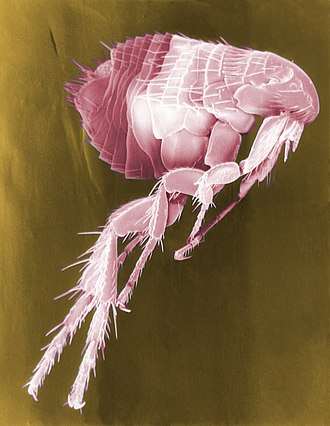
"Flea market": outdoor market selling used goods. "Flea" is also the bassist for Red Hot Chili Peppers. Famous: fleas spread the bubonic plague.
a small wingless jumping insect that feeds on the blood of mammals
The dog has fleas.

American term. British: ladybird. "Lady" refers to the Virgin Mary in older folklore. Considered good luck. Eat aphids: beneficial in gardens.
a small red beetle with black spots
A ladybug landed on her finger.

a small flying insect
A fly buzzed around the food.

Largest order of insects (~400,000 species). "Volkswagen Beetle": iconic car. "The Beatles": band name was wordplay on "beetles".
an insect with hard wing cases
A beetle crawled across the log.

Famous for noisy summer chirping. Some species (17-year cicadas) emerge in massive synchronized broods. Iconic in Japanese summer literature.
a large insect that makes a loud high-pitched sound
The cicadas were deafening that summer.

Ancient insect: 300+ million years old. Excellent flier: top speed ~30 mph. Distinct from damselflies (hold wings closed at rest).
a large insect with two pairs of transparent wings
A dragonfly hovered over the pond.

a small jumping insect known for chirping
Crickets chirped outside the window.

Sometimes called 'white ants', though not true ants.
a small pale insect that feeds on wood and can destroy timber buildings
Termites had hollowed out the beams.

a large, brightly colored butterfly with tail-like extensions on the hind wings
We spotted a beautiful yellow swallowtail in the garden.


a plant-eating insect with long hind legs that are used for jumping
A grasshopper chirping in the grass.

Capitalized, 'WASP' is a (sometimes disparaging) American acronym for 'White Anglo-Saxon Protestant', referring to the traditional white Protestant elite.
a social winged insect that has a narrow waist and a sting
A wasp sting.