Vocabulary: food

163 entries

#8697

tofu [group]

tofu
tofu
tofu /ˈtoʊfuː/ uncountable noun food japanese food tofu

Borrowed through Japanese from Chinese doufu; now the standard everyday English word.

  • a soft white food made from curdled soya-bean milk pressed into blocks

    She stir-fried the tofu with vegetables.

bean curd /ˈbiːn ˌkɝd/ uncountable noun food tofu

A literal translation (calque) of Chinese doufu. It means exactly the same thing as tofu but sounds older and more descriptive; still common on menus and in British English.

  • tofu; a soft food made from curdled soya-bean milk

    The menu listed a spicy bean curd dish.

#8696

omelette

omelette
omelette
omelette /ˈɑːmlət/ countable noun food egg dish

Also spelled omelet (AmE). From French. Common fillings: cheese, ham, mushrooms, herbs, peppers. Chinese: 歐姆蛋.

  • a dish of beaten eggs cooked in a pan until set, typically folded around a filling

    He made a mushroom and cheese omelette for breakfast.

#8695

century egg

century egg
century egg
century egg /ˈsentʃəri eɡ/ countable noun food egg dish

Also called "preserved egg" or "thousand-year egg" (despite the name, preservation actually takes only weeks to months). Made by curing duck, chicken, or quail eggs in a mixture of clay, ash, salt, and quicklime, which turns the yolk dark green/gray and the white into a dark, gelatinous jelly.

  • a Chinese preserved egg with a dark, jelly-like white and greenish-gray yolk (Chinese 皮蛋)

    The congee was topped with sliced century egg.

#8650

cream

cream /kriːm/ uncountable noun food
  • the thick fatty part of milk that rises to the top

    She added a splash of cream to her coffee.

balm vs. cream vs. ointment

All three are substances applied to the skin, but they differ mainly in oil-to-water ratio and consistency: balm is often solid or waxy, cream is a light oil-water emulsion, and ointment is thick, oily, and nearly water-free.

balm
Often semi-solid or waxy (like lip balm), made mostly of oils, waxes, and fragrant plant extracts; associated with soothing rather than strict medical treatment.
cream
A light, spreadable emulsion of oil and water in roughly equal parts; absorbs into skin quickly without a heavy residue - the most common everyday moisturizer or medicine base.
ointment
Thick, greasy, and almost entirely oil-based with very little or no water; sits on top of the skin rather than absorbing, forming a protective layer - used when maximum moisture-sealing or medication contact time matters, as in wound care.
  • Rule of thumb by feel: ointment is the greasiest and most occlusive, cream is in between, balm is often solid until warmed by the skin.
  • In pharmacy, ointment specifically implies very low water content, which is why it feels heaviest and most protective.
  • A lotion is even thinner and more watery than a cream; a balm the thickest/waxiest.
#8641

stew

stew
stew
stew /stuː/ countable noun food
  • a dish of meat and vegetables cooked slowly in liquid in a closed dish or pan

    She made a hearty beef stew for dinner.

stew /stuː/ verb food
past: stewed /stuːd/
pp: stewed /stuːd/

"Stew in one's own juices" = be left to suffer the consequences of one's own actions.

  1. to cook (food) slowly in liquid in a closed dish or pan

    Stew the lamb for two hours.

  2. to worry or be agitated about something

    Don't stew about it; let it go.

#8626

burrito

burrito
burrito
burrito /bəˈriːtoʊ/ countable noun food

From Spanish: "little donkey". Particularly associated with Mexican-American cuisine. "Wet burrito" is smothered in sauce.

  • a Mexican dish consisting of a tortilla wrapped around a savory filling, typically beans, meat, or cheese

    He ordered a chicken burrito for lunch.

#8625

guacamole

guacamole
guacamole
guacamole /ˌɡwɑːkəˈmoʊli/ uncountable noun food

From Nahuatl ahuacamolli ("avocado sauce"). Often called "guac" for short.

  • a Mexican dish of mashed avocado mixed with chopped onion, tomatoes, chili peppers, and seasonings

    They served guacamole with tortilla chips.

#8624

taco

taco
taco
taco /ˈtɑːkoʊ/ countable noun food
  • a Mexican dish consisting of a folded or rolled tortilla filled with various mixtures

    Chicken tacos.

#8616

mole [family]

mole /ˈmoʊleɪ/ uncountable noun food

Pronounced MOH-lay (two syllables), unlike the animal/spot "mole" /moʊl/. From Nahuatl via Mexican Spanish.

  • a rich, complex Mexican sauce made from chilies, spices, and sometimes chocolate

    She simmered the chicken in a dark mole sauce.

#8603

nachos

nachos /ˈnɑːtʃoʊz/ plural noun food
  • tortilla chips topped with melted cheese and other toppings, served as a snack

    We shared a plate of loaded nachos.

#8602

chipotle

chipotle /tʃɪˈpoʊtleɪ/ countable noun food

From Nahuatl via Mexican Spanish.

  • a smoke-dried ripe jalapeno chili, or a smoky sauce made from it

    Chipotle gives the salsa a deep, smoky heat.

#8601

dumpling

dumpling
dumpling
dumpling /ˈdʌmplɪŋ/ countable noun food
  • a small ball or parcel of dough, often wrapped around a filling, then boiled, steamed, or fried

    We folded pork-and-cabbage dumplings all afternoon.

#8600

congee

congee /ˈkɑːndʒi/ uncountable noun food
  • a thin rice porridge eaten across East and Southeast Asia, often with savory toppings

    He had congee with pickles and pork floss for breakfast.

#8599

wonton

wonton
wonton
wonton /ˈwɑːntɑːn/ countable noun food

From Cantonese 雲吞.

  • a small Chinese dumpling of seasoned minced filling, usually served in soup

    A steaming bowl of wonton soup.

#8598

taro

taro
taro
taro /ˈtɑːroʊ/ countable noun food
  • a starchy tropical root vegetable with purple-flecked flesh, eaten cooked or as a sweet flavor

    Taro bubble tea has a pale purple color.

#8597

bao

bao
bao
bao /baʊ/ countable noun food

Also "baozi". From Mandarin 包.

  • a soft steamed Chinese bun, often filled with meat or sweet paste

    We ordered pork bao at the dim sum place.

#8573

chestnut

chestnut
chestnut
chestnut /ˈtʃesnʌt/ countable noun food

Roasted chestnuts are a traditional Christmas/winter treat in Europe and America. Don't confuse with "horse chestnut" (conker): different species, inedible.

  1. a large edible nut from a tree

    They roasted chestnuts over the fire.

  2. an old joke or story that has become tired

    That's an old chestnut.

#8571

sesame

sesame
sesame
sesame /ˈsesəmi/ uncountable noun food

"Open sesame!": magic phrase from Ali Baba (Arabian Nights). "Sesame Street": children's TV. Common allergen.

  • a plant whose seeds are used in cooking

    She sprinkled sesame seeds on the bread.

#8506

ginseng

ginseng
ginseng
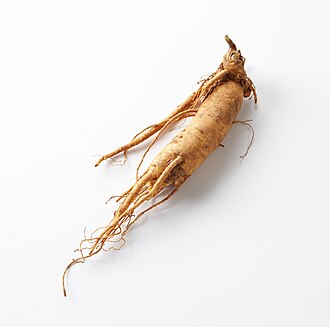
ginseng /ˈdʒɪnseŋ/ uncountable noun food

From Chinese renshen. The fleshy, forked root is used in traditional Chinese medicine and as a tonic herb; believed to boost energy and immunity.

  • the aromatic forked root of certain plants, used in herbal medicine and teas

    She drank ginseng tea every morning for energy.

#8424

edamame

edamame
edamame
edamame /ˌedəˈmɑːmeɪ/ uncountable noun food japanese food

From Japanese 枝豆 (eda = branch, mame = bean). Served as a snack or appetizer, typically boiled and salted in the pod.

  • immature soybeans, typically served boiled or steamed in their pods

    We ordered edamame as a starter.

#8420

sushi / sashimi [group]

sushi
1sushi
sashimi
2sashimi
sushi /ˈsuːʃi/ uncountable noun food japanese food

From Japanese 寿司. The key element is the vinegared rice, not the raw fish - sushi can include cooked seafood, vegetables, or egg.

  • 1a Japanese dish of small portions of vinegared rice topped with or wrapped around raw fish, seafood, or vegetables

    We ordered a platter of sushi for the table.

sashimi /sɑːˈʃiːmi/ uncountable noun food japanese food

From Japanese 刺身. Unlike sushi, sashimi is served without rice - just thinly sliced raw fish or seafood.

  • 2a Japanese dish of thinly sliced raw fish or seafood, served without rice

    The salmon sashimi melted in her mouth.

#8363

venison

venison
venison
venison /ˈvenəsən/ uncountable noun food meat

Like beef (cow) and pork (pig), venison is the French-derived name for deer meat - a class distinction dating back to the Norman Conquest.

  • the meat from a deer

    They served venison stew at the lodge.

#8362

mutton

mutton
mutton
mutton /ˈmʌtən/ uncountable noun food meat

Meat of a mature sheep; lamb comes from a young sheep, similar to how veal (young) differs from beef (mature).

  • the meat of a mature sheep, with a stronger flavor than lamb

    The stew was made with mutton and root vegetables.

#8361

beef [family]

beef
beef
beef /biːf/ uncountable noun food meat
  • meat from cattle

    They grilled beef for the barbecue.

#8360

scone

scone
scone
scone /skoʊn/ countable noun food bread

Pronunciation varies: /skoʊn/ (American/Southern English) or /skɑːn/ (Scottish/Northern English). Traditional with British "cream tea" - tea + scones + jam + clotted cream.

  • a small unsweetened or lightly sweetened cake, often eaten with butter, jam, or cream

    She had scones with clotted cream for tea.

#8358

ciabatta

ciabatta
ciabatta
ciabatta /tʃəˈbɑːtə/ countable noun food bread

Italian for "slipper" (its flat, elongated shape). A relatively modern bread, invented in 1982 in response to the popularity of the French baguette. Known for a crisp crust and open, airy crumb, popular for sandwiches.

  • a flat, elongated Italian white bread with a crisp crust and open texture, often used for sandwiches

    The deli toasted the sandwich on a thick slice of ciabatta.

#8357

naan / pita [group]

naan
1naan
pita
2pita
naan /nɑːn/ uncountable noun food

From Hindi/Urdu/Persian. A leavened flatbread baked in a tandoor (clay oven). Also spelled nan.

  • 1a soft, leavened Indian flatbread, typically tear-shaped and cooked in a very hot clay oven

    We tore off pieces of warm naan to scoop up the curry.

pita /ˈpiːtə/ countable noun food bread

From Greek. Also spelled pitta (BrE). The pocket inside forms during baking when steam puffs up the dough.

  • 2a round, flat Middle Eastern bread that can be split open to form a pocket for filling

    He stuffed the pita with falafel, lettuce, and tahini.

#8356

brioche

brioche
brioche
brioche /briˈoʊʃ/ countable noun food bread

French. Enriched with butter and eggs, giving it a rich, slightly sweet flavor and soft, tender crumb - more like a pastry than everyday bread. Common as burger buns and French toast.

  • a soft, rich French bread made with a high proportion of eggs and butter

    The burger came on a buttery brioche bun.

#8355

dough [family]

doughnut
1doughnut
sourdough
2sourdough
dough /doʊ/ noun food
  1. a thick mixture of flour and liquid (and often other ingredients) that is shaped and baked to make bread, cookies, etc.

    Let the dough rise for an hour before baking.

  2. (informal) money

    He's been raking in the dough since his startup took off.

doughnut /ˈdoʊnʌt/ countable noun food

Also spelled "donut" (informal American).

  • 1a small ring or ball of sweet fried dough, often glazed or sprinkled with sugar

    He stopped by the bakery for a chocolate doughnut on his way to work.

sourdough /ˈsaʊɚdoʊ/ uncountable noun food bread

Made with a natural fermented starter instead of commercial yeast. The tangy flavor comes from lactic acid bacteria. San Francisco is famous for its sourdough bread.

  • 2bread made from dough that has been leavened with a fermented starter culture, giving it a distinctive tangy flavor

    The restaurant serves its sandwiches on freshly baked sourdough.

#8354

pretzel

pretzel
pretzel
pretzel /ˈpretsəl/ countable noun food bread

From German Brezel. Traditional snack, especially Bavarian. Soft pretzels are common in US shopping malls and at sports events.

  • a baked bread snack made from a piece of dough twisted into a distinctive knot shape, often sprinkled with salt; comes in soft (warm) or hard (crunchy) varieties

    At the ballpark, he bought a soft pretzel with mustard.

#8353

bagel

bagel
bagel
bagel /ˈbeɪɡəl/ countable noun food bread
  • a ring-shaped bread roll

    He ordered a sesame bagel.

#8352

toast [family]

toast
toast
toast /toʊst/ noun food bread

Two senses: bread, and ceremonial drink ("raise a toast"). The drink sense comes from the old practice of dropping spiced toast in wine.

  1. sliced bread browned by heat

    He had toast for breakfast.

  2. a drink to honor someone

    They raised a toast to the bride.

#8351

croissant

croissant
croissant
croissant /krwɑːˈsɑːnt/ countable noun food bread
  • a flaky crescent-shaped French pastry

    She had a croissant and coffee for breakfast.
#8350

baguette

baguette
baguette
baguette /bæˈɡet/ countable noun food bread

From French baguette (little stick). The traditional French baguette was added to UNESCO's Intangible Cultural Heritage list in 2022.

  • a long thin loaf of French bread

    He bought a fresh baguette from the bakery.

#8333

cilantro / coriander [family]

cilantro
1cilantro
coriander
2coriander
cilantro /sɪˈlæntroʊ/ uncountable noun food

American name for the fresh leaves; British call them "coriander leaves". The seeds are called "coriander" in both. Note: a genetic variation makes about 10-20% of people perceive cilantro as tasting like soap.

  • 1the fresh leaves of the coriander plant, used as a herb in Mexican and Asian cooking

    She topped the tacos with cilantro and lime.

coriander /ˈkɔːriˌændɚ/ noun food

British name for the fresh leaves (the same plant as American 'cilantro'). In both American and British English, 'coriander' also names the plant's dried seeds, used whole or ground as a spice.

  1. 2(British) the fresh leaves of the coriander plant, used as a herb

    She scattered fresh coriander over the curry.

  2. the dried seeds of the plant, used whole or ground as a spice

    Toast the coriander seeds before grinding them.

#8314

sprout [family]

sprout
sprout
sprout /spraʊt/ countable noun food

Usually plural: bean sprouts, alfalfa sprouts, broccoli sprouts. Brussels sprouts are a different vegetable (small cabbages).

  1. a young shoot of a plant, especially one eaten as a vegetable

    Add some bean sprouts to the stir-fry.

  2. (Brussels sprouts) small green vegetables that look like tiny cabbages

    Roasted Brussels sprouts with garlic are delicious.

#8240

loaf [family]

loaf
loaf
loaf /loʊf/ countable noun food

Plural: loaves. Originated from Old English hlaf.

  • a quantity of bread baked in one piece, usually oblong-shaped

    She bought a fresh loaf of bread.

#8113

puff [family]

puff pastry
puff pastry
puff pastry /ˈpʌf ˌpeɪstri/ uncountable noun food

French: pâte feuilletée. Many layers of butter and dough. Used in croissants, vol-au-vents, palmiers.

  • a light flaky pastry made in many thin layers

    The pie had a golden puff pastry crust.

#7912

halal

halal /həˈlɑːl/ adjective food

From Arabic حلال (ḥalāl), "permissible". Most commonly used of food and drink prepared according to Islamic law; opposite is "haram" (forbidden).

  • permissible under Islamic law, especially referring to food prepared in the prescribed way

    The restaurant serves halal chicken and lamb.

#7788

sugar [family]

sugar
sugar
sugar /ˈʃʊɡɚ/ uncountable noun food

Chemically sucrose. The world's leading source is sugarcane (~80%), followed by sugar beet (~20%).

  1. a sweet crystalline substance obtained from sugarcane or sugar beet, used to sweeten food and drink

    Do you take sugar in your coffee?

  2. (informal) a term of endearment

    How are you doing, sugar?

cane sugar vs. table sugar

Both are sucrose, but the labels highlight different things: source plant vs. everyday kitchen use.

cane sugar
Specifies the source: sugar refined from sugarcane (as opposed to sugar beet). Often printed on packaging as a selling point, since some consumers and bakers prefer it for flavor or perceived quality, even though it is chemically identical to beet sugar.
table sugar
Specifies the form and context: the ordinary refined white granulated sugar kept at home for cooking and sweetening drinks. Used especially in nutrition and chemistry to distinguish sucrose from other sugars (glucose, fructose, lactose). Can come from either cane or beet.
  • Cane sugar can be table sugar; table sugar can be cane sugar. The terms are not opposites but describe different attributes (source vs. form).
  • Brown sugar, raw sugar, and powdered sugar are all made from sucrose too, but processed differently.
#7752

confectioner [family]

confectionery /kənˈfekʃəneri/ noun food

Two senses: the sweets themselves (uncountable) or the shop that sells them (countable).

  1. sweets and chocolates considered collectively

    The store sells a wide range of confectionery.

  2. a shop that sells sweets

    She popped into the confectionery for some fudge.

#7751

condiment

condiment /ˈkɑːndəmənt/ countable noun food

Common condiments: ketchup, mustard, mayonnaise, soy sauce, hot sauce.

  • a substance such as salt, mustard, or pickle that is used to add flavor to food

    The table was set with various condiments.

#7743

bean [family]

bean
1bean
broad bean
2broad bean
mung bean
3mung bean
bean /biːn/ countable noun food
  • 1an edible seed of a legume plant

    The soup contains black beans.

broad bean /ˈbrɔːd biːn/ countable noun food vegetable

Also called fava bean (especially in American English). A large flat green bean, popular in Mediterranean and Middle Eastern cooking.

  • 2a large flat edible bean with a thick green pod

    Broad beans are delicious with a little olive oil and lemon.

mung bean /ˈmʌŋ biːn/ countable noun food vegetable

The source of common bean sprouts in Asian cooking. Also ground into flour for glass noodles (cellophane noodles).

  • 3a small round green bean, widely used in Asian cuisine, often sprouted

    Mung bean sprouts are a staple in stir-fries.

#7723

jelly / Jell-O [group]

Jell-O
Jell-O
jelly /ˈdʒeli/ noun food

US "jelly" = clear fruit spread (without solids); UK "jelly" = US "Jell-O" (gelatin dessert). US fruit spread with chunks = "jam".

  • (US) a clear fruit spread; (UK) a gelatin dessert

    He spread jelly on his toast.

Jell-O /ˈdʒeloʊ/ uncountable noun food

Brand name (capitalized) often used generically. Kraft Heinz product. Various flavors and colors. Associated with cafeteria food and 1950s American cuisine.

  • a brand of gelatin dessert

    The kids loved the green Jell-O.

#7718

eggs Benedict

eggs Benedict
eggs Benedict
eggs Benedict /ˌɛɡz ˈbɛnədɪkt/ noun food

A classic American brunch dish. Variations include eggs Florentine (spinach instead of ham) and eggs Royale (smoked salmon).

  • a brunch dish of poached eggs and ham or bacon on toasted English muffins, topped with hollandaise sauce

    She always orders eggs Benedict when we go out for brunch.

#7717

dim sum

dim sum
dim sum
dim sum /ˈdɪm ˈsʌm/ uncountable noun food

From Cantonese 點心 (dim2 sam1, "touch the heart"). Traditionally served with tea (yum cha) from rolling carts in large restaurants.

  • a Chinese meal of small savory dishes such as dumplings, spring rolls, and steamed buns, typically served with tea

    We went for dim sum on Sunday morning.

#7716

falafel

falafel
falafel
falafel /fəˈlɑːfəl/ countable noun food

From Arabic. A staple of Middle Eastern and Mediterranean cuisine, often served in pita bread with tahini sauce.

  • a deep-fried ball or patty made from ground chickpeas or fava beans, herbs, and spices

    She ordered a falafel wrap with hummus and pickles.

#7715

kebab

kebab
kebab
kebab /kəˈbɑːb/ countable noun food

Also spelled kabob (AmE). From Arabic/Turkish. Varieties include shish kebab (skewered), doner kebab (rotating spit), and seekh kebab (ground meat).

  • a dish of pieces of meat, fish, or vegetables roasted or grilled on a skewer or spit

    We grilled chicken kebabs with peppers and onions.

#7713

omakase

omakase
omakase
omakase /ˌoʊməˈkɑːseɪ/ uncountable noun food

From Japanese お任せ ("I'll leave it up to you"). The diner trusts the chef to select the best available ingredients, typically at the sushi counter.

  • a style of Japanese dining in which the chef selects and serves a sequence of dishes based on the freshest ingredients available

    We sat at the counter and ordered the omakase.

#7712

donburi

donburi
donburi
donburi /ˈdɑːnbʊri/ countable noun food

From Japanese 丼. Often shortened to -don in compound names: gyudon (beef bowl), katsudon (pork cutlet bowl), oyakodon (chicken-and-egg bowl), tendon (tempura bowl).

  • a Japanese rice bowl dish with meat, fish, vegetables, or other toppings served over a bowl of steamed rice

    She ordered a donburi topped with teriyaki chicken and pickled ginger.

#7711

takoyaki

takoyaki
takoyaki
takoyaki /ˌtɑːkoʊˈjɑːki/ uncountable noun food

From Japanese 蛸焼き: tako (octopus) + yaki (grilled). Originated in Osaka in the 1930s. Cooked in a special molded pan.

  • a Japanese street food consisting of small round balls of batter filled with diced octopus, cooked in a specially shaped griddle

    We bought takoyaki from a street vendor in Osaka.

#7710

yaki

yaki /ˈjɑːki/ combining form food

From Japanese 焼き (grilled/fried). Appears in many Japanese loanwords: takoyaki, yakitori, teriyaki, sukiyaki, okonomiyaki, yakiniku.

  • a Japanese combining form meaning grilled, fried, or cooked over direct heat

    Many Japanese dish names end in yaki, indicating they are grilled or fried.

#7709

set meal

set meal
set meal
set meal /ˈsɛt miːl/ countable noun food

Also called a fixed-price meal or prix fixe. In Japanese restaurants, this is called teishoku (定食), typically rice, soup, a main dish, and pickles.

  • a meal served in a restaurant at a fixed price, usually consisting of a predetermined combination of courses or dishes

    The lunch set meal comes with rice, miso soup, and grilled fish.

#7708

bonito flakes / katsuobushi [group]

bonito flakes
bonito flakes
bonito flakes /bəˈniːtoʊ fleɪks/ noun food

Shaved flakes of dried, fermented, and smoked skipjack tuna. A foundation of Japanese cooking, used to make dashi stock.

  • thin shavings of dried and smoked bonito fish, used as a seasoning and stock base in Japanese cuisine

    She sprinkled bonito flakes on top of the tofu.

bonito /bəˈniːtoʊ/ countable noun food

From Spanish. Refers to several species of fish related to tuna, especially skipjack tuna (katsuo).

  • a medium-sized fish of the mackerel family, related to and resembling tuna

    They caught a large bonito while fishing offshore.

katsuobushi /ˌkɑːtsuːoʊˈbuːʃi/ uncountable noun food

From Japanese 鰹節. One of the hardest foods in the world when fully dried; traditionally shaved with a special plane (katsuobushi kezuriki).

  • blocks or flakes of dried, fermented, and smoked skipjack tuna used as a fundamental ingredient in Japanese cooking

    Katsuobushi is essential for making authentic dashi.

#7707

nori / laver [group]

nori
nori
nori /ˈnɔːri/ uncountable noun food

From Japanese 海苔. The standard word for thin dried seaweed sheets used to wrap sushi and onigiri.

  • thin sheets of dried edible seaweed, used especially in Japanese cuisine to wrap sushi

    She wrapped the rice in a sheet of nori.

laver /ˈleɪvɚ/ uncountable noun food

The broader English/Welsh term for edible seaweed. Welsh laverbread (bara lawr) is a traditional dish made from laver.

  • an edible seaweed with thin flat fronds, used as food in Wales and East Asia

    Laver is harvested along the Welsh coast and made into laverbread.

#7706

savor / savory [family]

savory /ˈseɪvɚi/ adjective food

British spelling: savoury. Opposite of sweet in food contexts.

  • salty or spicy rather than sweet

    She prefers savory snacks to candy.

#7704

floss [family]

candyfloss
candyfloss
candyfloss /ˈkændiflɔːs/ uncountable noun food
  • a mass of fluffy spun sugar, usually pink, wrapped around a stick (British)

    Eating candyfloss at the fair.

#7699

sugar lump / sugar cube [group]

sugar cube
sugar cube
sugar lump /ˈʃʊɡɚ lʌmp/ countable noun food

British English term. Used in tea/coffee, also fed to horses as treats. 'A Spoonful of Sugar' - Mary Poppins song.

  • a cube of sugar

    She added two sugar lumps to her tea.

sugar cube /ˈʃʊɡɚ kjuːb/ countable noun food

The standard American English term. British English prefers 'sugar lump'.

  • a small cube of compressed sugar, used to sweeten drinks

    He dropped a sugar cube into his coffee.

#7698

clam

clam
clam
clam /klæm/ countable noun sea creature food

"Happy as a clam" (idiom) = very happy. "Clam up" (informal) = to become silent.

  • a marine bivalve mollusk with a shell of two equal halves

    They dug for clams on the beach.

scallop vs. clam

Both are edible bivalve mollusks (two-shelled shellfish), but they differ in shell shape, habitat, and how they move.

scallop
Has a distinctive fan-shaped shell with radiating ridges. Swims by snapping its shells together to jet through water. Lives on the ocean floor. The edible part is the large round adductor muscle (the white disc you see on a plate). Often grilled, seared, or served as 'coquilles Saint-Jacques'.
clam
Has a rounded or oval shell with two equal halves. Burrows into sand or mud and stays put (does not swim). The whole soft body inside is eaten. Often steamed, used in clam chowder, or eaten raw on the half shell. 'Clam' is also a broad informal term for many types of burrowing bivalves.
  • Other common edible bivalves: mussel (elongated dark shell, attaches to rocks), oyster (rough irregular shell, often eaten raw).
  • All four - scallop, clam, mussel, oyster - are bivalves, but 'clam' is sometimes used loosely as a catch-all for any bivalve.
#7697

scallop [family]

scallop
scallop
scallop /ˈskæləp/ countable noun sea creature food

Shell shape inspired the Shell Oil logo. "Scalloped edge" is a decorative wavy border. "Coquilles Saint-Jacques" is a French scallop dish.

  • an edible shellfish with a fan-shaped shell

    They had grilled scallops for dinner.

scallop vs. clam

Both are edible bivalve mollusks (two-shelled shellfish), but they differ in shell shape, habitat, and how they move.

scallop
Has a distinctive fan-shaped shell with radiating ridges. Swims by snapping its shells together to jet through water. Lives on the ocean floor. The edible part is the large round adductor muscle (the white disc you see on a plate). Often grilled, seared, or served as 'coquilles Saint-Jacques'.
clam
Has a rounded or oval shell with two equal halves. Burrows into sand or mud and stays put (does not swim). The whole soft body inside is eaten. Often steamed, used in clam chowder, or eaten raw on the half shell. 'Clam' is also a broad informal term for many types of burrowing bivalves.
  • Other common edible bivalves: mussel (elongated dark shell, attaches to rocks), oyster (rough irregular shell, often eaten raw).
  • All four - scallop, clam, mussel, oyster - are bivalves, but 'clam' is sometimes used loosely as a catch-all for any bivalve.
#7696

gratin

gratin
gratin
gratin /ˈɡrætæn/ noun food
  • a dish with a light browned crust of breadcrumbs or melted cheese

    Potato gratin.

#7695

brine

brine /braɪn/ uncountable noun food
  1. water saturated or strongly impregnated with salt, used for preserving food (such as pickles, cheese, or meat)

    Soak the chicken in brine overnight for extra flavor.

  2. the salty water of the sea

    The ship was tossed by the icy brine.

#7693

crack [family]

cracker
cracker
cracker /ˈkrækɚ/ countable noun food

What Americans call "crackers" the British call "biscuits" (savory ones); what Americans call "cookies" the British call "biscuits" too: confusing! "Christmas cracker" (British) is a paper tube with a small toy inside.

  • a thin dry baked food, often eaten with cheese

    He nibbled on a cracker.

cracker vs. cookie

Both are small baked foods, but a cracker is thin, dry, and savory, while a cookie is soft or crisp and sweet. The British word 'biscuit' confusingly covers both.

cracker
A thin, dry, crisp baked item, usually savory and unsweetened. Eaten plain, with cheese, soup, or dips. Made from flour, water, and salt - no sugar. British equivalent: 'savoury biscuit'.
cookie
A small, sweet baked item, often soft and chewy (chocolate chip) or crisp (shortbread). Contains sugar, butter, and often eggs. British equivalent: 'biscuit' (the sweet kind). Also a computing term (browser data file).
  • In American English the distinction is clear: crackers are savory, cookies are sweet.
  • In British English, 'biscuit' covers both - context tells you which kind. American 'biscuit' is something else entirely (a soft, fluffy bread roll).
  • A 'graham cracker' is a notable exception: it's sweet but still called a cracker.
#7692

sauce [family]

sauce /sɔːs/ noun food

"What's good for the goose is good for the gander" originally was "...is sauce for the gander". "Sauce": slang for alcohol.

  • a liquid added to food to give flavor

    He put tomato sauce on the pasta.

#7660

raisin

raisin
raisin
raisin /ˈreɪzən/ countable noun food

Distinct types: sultanas (from green grapes, golden color), currants (small dark raisins). "Raisin in the Sun": 1959 Lorraine Hansberry play.

  • a dried grape

    She added raisins to the oatmeal.

currant vs. raisin

Both are dried grapes used in baking, but they come from different grape varieties and differ mainly in size, sweetness, and tartness - the baking sense of currant has nothing to do with the unrelated fresh blackcurrant/redcurrant berry that shares the same name.

currant
A tiny, tart dried grape made from the seedless Black Corinth (Zante) grape - much smaller and less sweet than a raisin. Unrelated to the fresh currant berry despite sharing the same name.
raisin
A dried grape, usually from larger, sweeter grape varieties (like Thompson Seedless); bigger, softer, and sweeter than a currant.
  • If a baking recipe just says currants, it almost always means the small dried-grape kind, not the fresh berry.
  • Sultanas (a British term) are a third, related but distinct dried-grape product, made from golden or green grapes.
#7657

yolk [family]

yolk
yolk
yolk /joʊk/ countable noun food

"L" is silent: homophone of "yoke" (harness for oxen). Color depends on hen's diet; deeper orange = more carotenoids.

  • the yellow part of an egg

    Separate the yolk from the white.

#7656

egg [family]

egg
egg
egg /eɡ/ noun food
  • an oval or round object laid by a female bird, reptile, fish, or invertebrate, usually containing a developing embryo

    A boiled egg.

egg white /ˈeɡ waɪt/ countable noun food

More formally called albumen. Turns opaque white when cooked (hence the name); whipped for meringues, macarons, and souffles.

  • the clear liquid part of an egg surrounding the yolk, mostly protein

    Whisk the egg whites until stiff peaks form.

#7647

pistachio

pistachio
pistachio
pistachio /pɪˈstæʃioʊ/ countable noun food

The shell often naturally splits open when ripe, a trait used in marketing ("the smiling nut"). Also loosely used for the nut's pale yellow-green color.

  1. the edible green seed of a small tree native to the Middle East and Central Asia, eaten roasted and salted or used in desserts

    She ordered pistachio ice cream.

  2. the tree that produces this seed

    Pistachio trees thrive in hot, dry climates.

#7620

lamb

lamb
lamb
lamb /læm/ countable noun food animal

"B" silent. "Lamb of God": Christian title for Jesus. "Like a lamb to slaughter" = naive victim. "Lamb": also tender mutton meat.

  • a young sheep

    The lamb was bleating for its mother.

#7514

lard

lard
lard
lard /lɑːrd/ noun food
  • fat from a pig, melted down and used in cooking

    The pastry is made with lard.

#7513

pork belly

pork belly
pork belly
pork belly /ˈpɔːrk ˌbɛli/ uncountable noun food
  • a fatty cut of pork from the belly of the pig, often braised or roasted

    The chef braised the pork belly until it was tender.

#7512

bacon

bacon
bacon
bacon /ˈbeɪkən/ noun food
  • cured meat from the sides and belly of a pig, having distinct strips of fat and typically served in thin slices

    Crispy bacon.

#7510

mince

mince
mince
mince /mɪns/ uncountable noun food

British. American equivalent: ground meat / ground beef.

  • meat (especially beef) that has been chopped or ground into small pieces

    She bought a pound of mince for the shepherd's pie.

#7509

prawn

prawn
prawn
prawn /prɔːn/ countable noun sea creature food

British English tends to say 'prawn' where American English says 'shrimp' (often for the larger ones).

  • a small edible shellfish similar to a shrimp, with a long body and legs

    We ordered a plate of grilled prawns.

#7508

shrimp

shrimp
shrimp
shrimp /ʃrɪmp/ countable noun sea creature food

British English tends to say prawn for the larger ones; 'shrimp' is more common in American English.

  1. a small, long-tailed shellfish that lives in water

    The shrimp scuttled along the seabed.

  2. this shellfish prepared and eaten as food

    We ordered a shrimp cocktail.

#7435

tuna

tuna
tuna
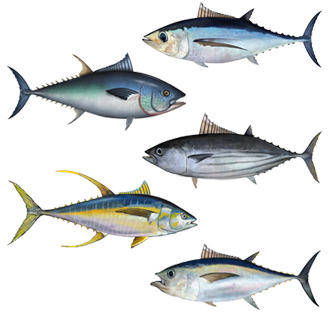
tuna /ˈtuːnə/ countable noun sea creature food

Bluefin tuna can sell for record prices in Japan ($3.1 million for one fish at the Tokyo fish market in 2019). Overfishing is a major sustainability concern.

  • a large saltwater fish, often eaten as food

    She made a tuna sandwich for lunch.

#7418

sugar packet

sugar packet
sugar packet
sugar packet /ˈʃʊɡɚ ˌpækɪt/ countable noun food
  • a small single-serving paper or plastic packet containing sugar, typically provided at cafes and restaurants

    He tore open a sugar packet and stirred it into his coffee.

#7199

cotton [family]

cotton candy
cotton candy
cotton candy /ˈkɑːtn ˌkændi/ uncountable noun food
  • a mass of fluffy spun sugar, usually pink, wrapped around a stick (US)

    Kids eating cotton candy.

#7129

parsley

parsley
parsley
parsley /ˈpɑːrsli/ uncountable noun food

Two main types: curly-leaf (decorative) and flat-leaf (Italian, more flavorful). "Parsley" is the P in the song "Scarborough Fair" (parsley, sage, rosemary, and thyme).

  • a herb with bright green leaves, used in cooking

    Sprinkle chopped parsley over the soup.

#7128

basil

basil
basil
basil /ˈbeɪzəl/ uncountable noun food

British pronunciation is /ˈbæzəl/. Sweet basil is central to Italian cooking (pesto, Caprese salad); Thai basil, with a more anise-like flavor, is used in Southeast Asian dishes.

  • an aromatic herb with green leaves, used especially in Italian and Southeast Asian cooking

    He tore fresh basil leaves over the tomato salad.

#6905

pickle / pickled [family]

pickle
pickle
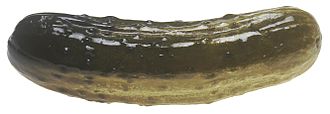
pickle /ˈpɪkəl/ countable noun food

'In a pickle' = in a difficult or awkward situation. In the US, 'a pickle' usually means a pickled cucumber.

  • a cucumber or other food preserved in vinegar or brine

    He put extra pickles on the burger.

pickle /ˈpɪkəl/ transitive verb food
past: pickled /ˈpɪkəld/
pp: pickled /ˈpɪkəld/
  • to preserve food in vinegar or brine

    They pickle cucumbers every summer.

#6857

flour

flour
flour
flour /ˈflaʊɚ/ uncountable noun food

Homophone with "flower," and originally the same word: flour meant the "flower" (finest part) of the ground meal. Not related to "flourish."

  • a powder obtained by grinding grain, typically wheat, and used to make bread, cakes, and pastry

    She sifted the flour before mixing the dough.

#6845

wafer

wafer /ˈweɪfɚ/ countable noun food
  1. a very thin, light, crisp, sweet cookie or cracker

    She served vanilla wafers with the ice cream.

  2. a very thin slice of a semiconductor, such as a silicon crystal, used as a base for integrated circuits

    The chips are manufactured on a silicon wafer.

#6827

grain

grain /ɡreɪn/ countable noun food

"Grain of salt": small amount; "take with a grain of salt" = be skeptical. "Grain of truth" = small but real element. "Against the grain": contrary to expectation.

  1. a small hard seed of food crops

    Rice is a kind of grain.

  2. a small hard particle

    A grain of sand was in his shoe.

#6765

wheat

wheat
wheat
wheat /wiːt/ uncountable noun food

One of the world's three main cereal crops (with rice and corn). "Whole wheat" = with the bran and germ retained. "Separate the wheat from the chaff": distinguish valuable from worthless.

  • a cereal grain used to make flour

    Wheat is the main ingredient of most breads.

#6719

whey

whey
whey
whey /weɪ/ uncountable noun food

Homophone of "way". The liquid left after milk curdles; "whey protein" is a popular fitness supplement.

  • the watery liquid that remains after milk has been curdled and strained, as in cheesemaking

    Little Miss Muffet ate her curds and whey.

#6718

curd [family]

curd
curd
curd /kɝd/ noun food

Often plural "curds" (curds and whey). The solid part formed when milk sours or is coagulated, used to make cheese.

  • the soft, white solid substance formed when milk coagulates, used to make cheese

    The cheesemaker pressed the curds into a mold.

#6666

gravy

gravy
gravy
gravy /ˈɡreɪvi/ uncountable noun food

"Gravy train" = an easy way to make money. "Gravy boat" = a long, narrow vessel for serving gravy.

  • a sauce made from the juices of meat, often thickened with flour

    She poured gravy over the mashed potatoes.

#6644

squid

squid
squid
squid /skwɪd/ countable noun sea creature food
  • a sea animal with a long soft body, eight arms, and two longer tentacles

    A squid can shoot ink to confuse predators.

squid /skwɪd/ countable noun food
  • the meat of this animal eaten as food

    They ordered fried squid as an appetizer.

#6610

Kobe beef

Kobe beef
Kobe beef
Kobe beef /ˈkoʊbi biːf/ uncountable noun food
  • a premium variety of beef from Tajima cattle raised in Hyogo Prefecture, Japan, known for its intense marbling and tenderness

    A small steak of real Kobe beef can cost hundreds of dollars.

#6492

anchovy

anchovy
anchovy
anchovy /ˈæntʃoʊvi/ countable noun sea creature food
  • a small, oily, silvery fish from the herring family, typically eaten salted, cured, or canned; commonly used as a strong-tasting pizza topping or in Caesar salad dressing

    He hates anchovies on his pizza.

#6488

granola

granola
granola
granola /ɡrəˈnoʊlə/ uncountable noun food

American origin. A "granola" person (slang) = someone with crunchy, hippie, health-conscious lifestyle.

  • a breakfast cereal of rolled oats, nuts, and honey or syrup, baked until crisp; often eaten with milk or yogurt

    She sprinkled granola on top of her yogurt.

#6465

paprika

paprika
paprika
paprika /pəˈpriːkə/ uncountable noun food

Hungarian / Serbo-Croatian word for "pepper". A staple in Hungarian cuisine (e.g., goulash).

  • a red powdered spice made from dried sweet bell peppers, used to flavor and color food

    Sprinkle paprika over the deviled eggs for color.

#6433

pastry

pastry
pastry
pastry /ˈpeɪstri/ noun food
  1. (uncountable) a dough of flour, water, and fat, used as a base for baked goods such as pies and tarts

    Roll out the pastry into a thin sheet.

  2. (countable) a sweet baked good made from such dough, often with a filling

    They picked up Danish pastries at the bakery for breakfast.

#6370

fillet

fillet
fillet
fillet /ˈfɪlɪt/ countable noun food

Two pronunciations: /ˈfɪlɪt/ (anglicized, more common in general use) and /fɪˈleɪ/ (French-influenced, especially for the boneless meat/fish sense, often spelled 'filet'). British English strongly prefers /ˈfɪlɪt/.

  • a piece of meat or fish that has had the bones removed

    She ordered the salmon fillet for dinner.

fillet /ˈfɪlɪt/ transitive verb food
past: filleted /ˈfɪlɪtɪd/
pp: filleted /ˈfɪlɪtɪd/

Two pronunciations: /ˈfɪlɪt/ (anglicized, more common in general use) and /fɪˈleɪ/ (French-influenced, especially for the boneless meat/fish sense, often spelled 'filet'). British English strongly prefers /ˈfɪlɪt/.

  • to remove the bones from a piece of fish or meat

    The chef filleted the trout with practiced ease.

#6298

calamari

calamari
calamari
calamari /ˌkæləˈmɑːri/ uncountable noun food

From Italian, meaning "squid". Often refers specifically to deep-fried squid rings.

  • squid prepared as food, typically sliced into rings and fried

    We ordered calamari as an appetizer.

#6200

caviar

caviar
caviar
caviar /ˈkæviɑːr/ uncountable noun food

Traditionally served with mother-of-pearl spoons because metal can affect the taste.

  • the salted roe (eggs) of sturgeon or other large fish, eaten as a delicacy

    They served beluga caviar at the gala.

#6195

mussel

mussel
mussel
mussel /ˈmʌsəl/ countable noun sea creature food

Homophone of "muscle". Common in moules-frites (Belgian dish).

  • an edible shellfish with a dark elongated shell, found in fresh or salt water

    They ordered a bowl of mussels in white wine sauce.

#6115

clove

clove
clove
clove /kloʊv/ countable noun food

Also: "a clove of garlic" = one segment of a garlic bulb (different etymology). Past tense of "cleave" (to split) is also "clove".

  • a dried flower bud of a tropical tree, used as a spice with a strong sweet smell

    She studded the ham with cloves before baking.

#6027

cashew

cashew
cashew
cashew /ˈkæʃuː/ countable noun food

The cashew nut grows beneath the "cashew apple", a fleshy fruit. The shell is toxic and requires careful processing.

  • the curved, kidney-shaped edible nut of a tropical tree, often eaten roasted

    She added cashews to the stir-fry.

#6018

patty

patty
patty
patty /ˈpæti/ countable noun food

Most often "hamburger patty". Also "peppermint patty" = a candy.

  • a small flat round cake of minced or chopped food, especially meat

    He flipped the burger patties on the grill.

#5954

casserole

casserole
casserole
casserole /ˈkæsəˌroʊl/ countable noun food

Same word in French for both the dish and what's cooked in it.

  1. a large dish with a lid, used for cooking food slowly in an oven

    She put the chicken into a heavy casserole.

  2. a kind of stew cooked slowly in such a dish

    She made a hearty beef casserole.

#5905

starch [family]

starch /stɑːrtʃ/ noun food
  1. (uncountable) a carbohydrate found in foods like potatoes, rice, and bread

    He's avoiding starches on his diet.

  2. (uncountable) a substance used to stiffen fabric, especially in collars and shirts

    She added starch to the laundry.

#5903

sauerkraut

sauerkraut
sauerkraut
sauerkraut /ˈsaʊɚkraʊt/ uncountable noun food

From German: sauer ("sour") + Kraut ("cabbage"). Korean kimchi is a similar fermented cabbage dish.

  • chopped cabbage that has been fermented in brine, a traditional German dish

    He ordered bratwurst with sauerkraut.

#5822

cheese [family]

cheese
cheese
cheese /tʃiːz/ uncountable noun food

Root of cheesy.

  • a food made from the pressed curds of milk

    She sprinkled grated cheese over the pasta.

#5685

waffle

waffle
waffle
waffle /ˈwɑːfəl/ countable noun food

Belgian waffles (thicker, deeper grids) are popular at brunch.

  • a small crisp batter cake, baked in a waffle iron with a characteristic grid pattern

    They had waffles with maple syrup for breakfast.

#5663

pâté

pâté
pâté
pâté /pɑːˈteɪ/ uncountable noun food

From French. "Foie gras" is the famous (and controversial) goose-liver pâté.

  • a paste, typically of seasoned ground meat or fish

    They served liver pâté with toast as an appetizer.

#5656

marinate [family]

marinade
marinade
marinade /ˌmærəˈneɪd/ countable noun food
  • a sauce, typically of oil, vinegar, and spices, in which food is soaked before cooking

    He mixed soy sauce and ginger into the marinade.

#5427

butter

butter
butter
butter /ˈbʌtɚ/ uncountable noun food

"Butter someone up" = flatter them to gain favor. "Bread and butter" = main source of income.

  • a yellowish fatty substance made by churning cream, used as a spread and in cooking

    She spread butter on her toast.

butter /ˈbʌtɚ/ transitive verb food
past: buttered /ˈbʌtɚd/
pp: buttered /ˈbʌtɚd/
  • to spread butter on something

    He buttered the bread.

#5418

chowder

chowder
chowder
chowder /ˈtʃaʊdɚ/ uncountable noun food

"Clam chowder" is a famous New England specialty. "Manhattan clam chowder" uses tomato instead of cream.

  • a rich soup typically containing fish, clams, or corn with potatoes, onions, and milk

    She had clam chowder at the seafood restaurant.

#5369

yogurt [family]

yogurt
yogurt
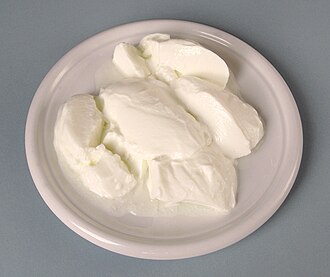
yogurt /ˈjoʊɡɚt/ noun food

Also spelled "yoghurt" (British) or "yoghourt". From Turkish.

  • a semi-solid food made from milk fermented by added bacteria

    She had Greek yogurt for breakfast.

#5347

walnut

walnut
walnut
walnut /ˈwɔːlnʌt/ countable noun food

Walnut wood is prized for furniture; walnut oil for cooking and finishing.

  • the brown wrinkled edible nut of a tree of the genus Juglans

    She added chopped walnuts to the salad.

#5336

vinegar [family]

vinegar
vinegar
vinegar /ˈvɪnəɡɚ/ uncountable noun food

From French vinaigre ("sour wine"). Many varieties: balsamic, apple cider, rice, malt, white.

  • a sour liquid made from oxidized alcohol, used as a condiment or for pickling

    She added balsamic vinegar to the salad dressing.

#5315

vanilla

vanilla
vanilla
vanilla /vəˈnɪlə/ noun food

From Spanish vainilla ("little pod"). Vanilla pods are the second most expensive spice after saffron. Slang: "vanilla" = plain/conventional, especially in sexual preferences.

  1. (uncountable) a flavoring made from the seedpods of a tropical orchid

    She added vanilla extract to the batter.

  2. (adjective) plain or ordinary

    He has a vanilla taste in music.

#5304

trout

trout
trout
trout /traʊt/ countable noun sea creature food

Plural same as singular. Common types: rainbow trout, brown trout, brook trout. Related to salmon.

  • a freshwater fish related to salmon, often caught for food and sport

    He caught a large trout in the stream.

#5277

syrup [family]

syrup
syrup
syrup /ˈsɪrəp/ noun food

Maple syrup is famous from Canada and the northeastern US.

  • a thick sweet liquid made by dissolving sugar in water, often with flavorings

    She poured maple syrup on her pancakes.

#5075

oyster

oyster
oyster
oyster /ˈɔɪstɚ/ countable noun sea creature food

Famous saying: "The world is your oyster" (from Shakespeare's Merry Wives of Windsor). London's "Oyster card" is the contactless public-transit card.

  • a marine mollusk with a rough irregular shell, some of which produce pearls and many of which are eaten as a delicacy

    They served raw oysters on ice.

#5037

oatmeal / porridge [group]

oatmeal
oatmeal
oatmeal /ˈoʊtmiːl/ uncountable noun food

American term for the breakfast porridge. Brand-name: Quaker Oats. Also refers to a beige-gray color.

  • (American) ground or rolled oats; a hot breakfast cereal made from them

    He eats oatmeal with brown sugar every morning.

porridge /ˈpɔːrɪdʒ/ uncountable noun food

British term for what Americans call oatmeal. Famous from "Goldilocks and the Three Bears" (too hot, too cold, just right). British slang: "doing porridge" = serving a prison sentence.

  • (British) a hot dish of oats boiled with water or milk

    He had porridge with honey for breakfast.

#4993

maple [family]

maple syrup
maple syrup
maple syrup /ˈmeɪpəl ˌsɪrəp/ uncountable noun food

Canada produces about 70% of the world's supply, mostly in Quebec. Grade A is paler and milder; Grade B is darker and stronger.

  • a sweet syrup made from the sap of maple trees

    He poured maple syrup on his pancakes.

#4765

curry

curry
curry
curry /ˈkɝi/ noun food

"Curry favor" (idiom) = try to gain someone's approval through flattery: unrelated etymology to the food (from Old French "correier" = to prepare). The food sense is from Tamil "kari" (sauce).

  • a dish of meat, vegetables, etc., cooked in a spicy sauce, originating from Indian cuisine

    They ordered chicken curry for dinner.

#4702

chili [family]

chili
chili
chili /ˈtʃɪli/ countable noun food

Also spelled "chilli" (British) and "chile" (American Southwest). "Chili" (Tex-Mex stew with beans and meat) is also a famous American dish. Spicy heat measured in Scoville units.

  • a small hot-tasting pod of a variety of capsicum

    Add a chopped chili for extra heat.

chilli /ˈtʃɪli/ noun food

British spelling; American: chili or chile.

  • a small hot-tasting pod of a variety of capsicum, used in cooking

    She added two red chillies to the curry.

#4507

gruel [family]

gruel /ˈɡruːəl/ uncountable noun food

Historically eaten by the poor. Famous: Oliver Twist asking for more gruel in the workhouse.

  • a thin liquid food of oats boiled in water or milk

    The prisoners were fed thin gruel.

#4480

spice [family]

spice /spaɪs/ noun food

"Spice of life": variety is what makes life interesting. The Spice Girls: iconic 1990s British pop group.

  • an aromatic plant substance used to flavor food

    She added several spices to the curry.

#4314

mint

mint
mint
mint /mɪnt/ noun food

The herb (Latin mentha) and the money senses (Latin moneta, the temple of Juno Moneta where Roman coins were struck) are unrelated homographs.

  1. an aromatic herb used in cooking and flavoring

    She garnished the lamb with fresh mint.

  2. a small candy flavored with mint

    He offered her a mint after dinner.

  3. a place where a country's coins are manufactured

    The coins were struck at the Royal Mint.

  4. (informal) a large amount of money

    Those front-row tickets must have cost a mint.

#4282

fondue

fondue
fondue
fondue /fɑːnˈduː/ countable noun food

From French fondre (to melt). Classic Swiss fondue uses Gruyère and Emmental cheese. Chocolate fondue is also popular. Communal dining tradition.

  • a dish of melted cheese or chocolate into which food is dipped

    They had cheese fondue for dinner.

#4245

herb [family]

herb
herb
herb /ɝb/ countable noun food

American: silent "h" (/ɝːb/). British: pronounced "h" (/hɝːb/). "Scarborough Fair": folk song listing "parsley, sage, rosemary, and thyme".

  • a plant whose leaves are used for flavoring or medicine

    She grows herbs in her garden.

#4070

marmalade

marmalade
marmalade
marmalade /ˈmɑːrməleɪd/ uncountable noun food

From Portuguese marmelada (originally from quince). "Orange marmalade": beloved British breakfast spread (Paddington Bear's favorite).

  • a preserve made from citrus fruit, especially oranges

    She spread marmalade on her toast.

#3833

frost [family]

frosting
frosting
frosting /ˈfrɔːstɪŋ/ uncountable noun food

American term. British equivalent: "icing". Common types: buttercream, cream cheese, ganache, fondant.

  • (American) sweet cream spread on cakes

    She added frosting to the cupcakes.

#3817

feast

feast
feast
feast /fiːst/ countable noun food

"Feast of the Seven Fishes": Italian-American Christmas Eve tradition. "Feast or famine": extreme abundance or extreme lack.

  • a large meal, typically a celebratory one

    They prepared a wedding feast.

#3754

delicate [family]

delicacy /ˈdelɪkəsi/ countable noun food

Cultural delicacies vary widely: caviar, foie gras (Western); bird's nest soup, shark fin (Chinese); haggis (Scottish); natto (Japanese).

  1. a choice or expensive food

    Caviar is considered a delicacy.

  2. careful sensitivity in dealing with a difficult or private situation

    The topic requires tact and delicacy.

#3437

nut

nut
nut
nut /nʌt/ countable noun food

"In a nutshell" = briefly. "Tough nut to crack" = difficult problem. "Nuts and bolts" = essentials. Slang: "nuts" = crazy.

  1. a fruit with a hard shell and a kernel

    He ate a handful of nuts.

  2. a metal piece that screws onto a bolt

    Tighten the nut with a wrench.

#3345

junk [family]

junk food /ˈdʒʌŋk fuːd/ uncountable noun food

Coined 1972. Typically: chips, fries, soda, candy. Associated with obesity, diabetes, and "food deserts" (areas lacking healthy options).

  • food with little nutritional value

    He eats too much junk food.

#3339

jam

jam
jam
jam /dʒæm/ noun food

Many distinct senses: fruit preserve, traffic jam, music jam (improvised session), to be in a jam (predicament).

  1. a thick spread made from cooked fruit

    She makes strawberry jam every summer.

  2. a difficult situation

    We're in a real jam.

#2863

bun

bun
bun
bun /bʌn/ countable noun food

"Hot cross bun": Easter tradition. "Hair bun": ballerina style. "Bun" (slang) = buttock ("buns"). "Top knot" / "man bun": hairstyle trends.

  • a small round bread; a hairstyle

    She bit into the cinnamon bun.

#2809

sandwich

sandwich
sandwich
sandwich /ˈsænwɪtʃ/ countable noun food

Named after the 4th Earl of Sandwich (1762) who allegedly invented it to eat with one hand while gambling. "Sandwich generation": adults caring for both kids and aging parents.

  • two slices of bread with filling between

    She made a peanut butter sandwich.

#2686

brisket

brisket
brisket
brisket /ˈbrɪskɪt/ uncountable noun food
  • a cut of beef from the lower chest

    The restaurant smokes brisket for twelve hours.

#2673

sugar cane

sugar cane
sugar cane
sugar cane /ˈʃʊɡɚ keɪn/ uncountable noun food

Also spelled sugarcane.

  • a tall tropical grass whose stalks are used to make sugar

    The farm grows sugar cane near the river.

#2656

poultry

poultry
poultry
poultry /ˈpoʊltri/ uncountable noun food
  1. domesticated birds kept for meat or eggs

    The farm raises poultry and goats.

  2. meat from chickens, ducks, or similar birds

    The restaurant serves fish and poultry.

#2637

chilli powder

chilli powder
chilli powder
chilli powder /ˈtʃɪli ˌpaʊdɚ/ uncountable noun food

British spelling; American English usually writes chili powder.

  • powdered dried chili peppers used as a spice

    Add chilli powder if you want more heat.

#2467

sardine

sardine
sardine
sardine /sɑːrˈdiːn/ countable noun sea creature food

Named after the Mediterranean island Sardinia. "Packed like sardines": crowded together. Iconic canned food.

  • a small oily fish often canned

    He opened a tin of sardines.

#2210

pancake roll

pancake roll
pancake roll
pancake roll /ˈpænkeɪk roʊl/ countable noun food

British English for a Chinese-style spring roll in some contexts.

  • a fried roll of thin pastry filled with vegetables or meat

    We ordered pancake rolls with the noodles.

#2137

sugar beet

sugar beet
sugar beet
sugar beet /ˈʃʊɡɚ biːt/ countable noun food
  • a beet grown commercially for sugar production

    The farm grows sugar beet and barley.

#1985

streaker [family]

streaky bacon /ˌstriːki ˈbeɪkən/ uncountable noun food

British name; American: just "bacon" (default cut). UK "back bacon": leaner; common British breakfast item.

  • (British) bacon with alternating layers of fat and meat

    She fried streaky bacon for breakfast.

#1810

paella

paella
paella
paella /paɪˈelə/ noun food

Spanish dish from Valencia; English pronunciation often differs from Spanish.

  • a Spanish rice dish cooked with saffron and meat or seafood

    We shared a seafood paella at the restaurant.

#1734

cutlet

cutlet
cutlet
cutlet /ˈkʌtlət/ countable noun food
  • a thin piece of meat, often breaded and fried

    She ordered a pork cutlet with rice.

#1700

mayonnaise

mayonnaise
mayonnaise
mayonnaise /ˈmeɪəneɪz/ uncountable noun food
  • a thick creamy sauce made with oil, egg yolk, and acid

    She spread mayonnaise on the sandwich.

#1560

broth

broth
broth
broth /brɔːθ/ uncountable noun food

'Too many cooks spoil the broth' (proverb). Often used like 'stock'.

  • a savory liquid made by simmering meat, fish, or vegetables, used as a soup base

    She sipped a bowl of warm chicken broth.

#1454

yeast [family]

yeast
yeast
yeast /jiːst/ uncountable noun food

A fungus that ferments sugar into carbon dioxide and alcohol; used in baking and brewing.

  • a microscopic fungus used to make bread rise and to ferment alcohol

    Add the yeast to warm water to activate it.

#1420

margarine

margarine
margarine
margarine /ˈmɑːrdʒɚɪn/ uncountable noun food

A butter substitute made from vegetable oils. The 'g' is soft ('marj-').

  • a spread made from vegetable oils, used in place of butter

    She spread margarine on the toast instead of butter.

#1414

almond

almond
almond
almond /ˈɑːmənd/ countable noun food

The 'l' is usually silent ('AH-mund').

  • the edible oval nut of the almond tree, eaten raw or used in cooking

    She sprinkled toasted almonds over the salad.

#1413

salmon

salmon
salmon
salmon /ˈsæmən/ countable noun sea creature food

The 'l' is silent.

  • a large edible fish with pink flesh, known for swimming upriver to lay its eggs

    We grilled fresh salmon for dinner.

#1312

drumstick

drumstick /ˈdrʌmstɪk/ countable noun food

Two senses: a cooked bird's lower leg, and a stick for playing a drum.

  1. the lower part of the leg of a cooked chicken or other bird

    He grabbed a chicken drumstick from the platter.

  2. a stick used for beating a drum

    The drummer twirled his drumsticks.

#1299

pecan

pecan
pecan
pecan /pɪˈkɑːn/ countable noun food

Pronounced 'pih-KAHN' or 'PEE-kan' (much debated). Native to North America; famous in pecan pie.

  • a smooth brown nut with an edible kernel, from a tree of the hickory family

    She baked a pecan pie for Thanksgiving.

#1183

meal

meal /miːl/ countable noun food

'Square meal' = a full meal. 'Make a meal of' (UK) = overcomplicate something.

  • an occasion when food is eaten; the food eaten then

    We had a relaxed three-course meal.

meal /miːl/ uncountable noun food
  • the edible part of a grain or other food ground to a coarse powder

    bone meal; cornmeal

#1139

evaporated milk

evaporated milk
evaporated milk
evaporated milk /ɪˌvæpəreɪtɪd ˈmɪlk/ uncountable noun food

Unsweetened, unlike 'condensed milk'.

  • unsweetened milk thickened by evaporating some of its water content, sold in cans

    The recipe calls for a can of evaporated milk.

#931

icing sugar

icing sugar
icing sugar
icing sugar /ˈaɪsɪŋ ˌʃʊɡɚ/ uncountable noun food

American English: confectioners’ sugar.

  • finely powdered sugar used to make icing or frosting

    Mix the butter with the icing sugar.

#606

spaghetti [family]

spaghetti
spaghetti
spaghetti /spəˈɡeti/ uncountable noun food
  • pasta made in solid strings, between macaroni and vermicelli in thickness

    Spaghetti bolognese.

#604

macaroni [family]

macaroni
macaroni
macaroni /ˌmækəˈroʊni/ uncountable noun food
  • a variety of pasta formed in narrow tubes

    A bowl of macaroni.

#550

mousse

mousse
mousse
mousse /muːs/ countable noun food
  1. a sweet or savory dish made as a smooth light mass with whipped cream and beaten egg white, flavored with chocolate, fish, etc.

    A chocolate mousse.

  2. a light foam styling product applied to the hair

    He applied some mousse before styling his hair.

#447

recipe

recipe /ˈresəpi/ countable noun food
  1. a set of instructions for preparing a particular dish, including a list of the ingredients required

    A recipe for chocolate cake.

  2. 'A recipe for disaster/success' (idiom) = a situation likely to lead to a bad or good outcome

    Mixing alcohol and driving is a recipe for disaster.

#100

gourmet

gourmet /ˈɡʊrmeɪ/ noun food
  • a person with a discerning palate for fine food and drink

    He's a real gourmet when it comes to wine.

gourmet /ˈɡʊrmeɪ/ adjective food
  • of a kind or standard suitable for a connoisseur of good food

    A gourmet meal.

#40

cinnamon

cinnamon
cinnamon
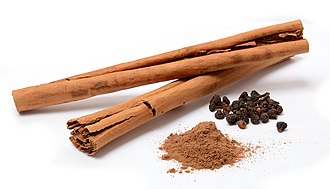
cinnamon /ˈsɪnəmən/ noun food
  • an aromatic spice made from the peeled, dried, and rolled bark of a Southeast Asian tree

    A stick of cinnamon.

#37

cuisine

cuisine
cuisine
cuisine /kwɪˈziːn/ noun food
  • a style or method of cooking, especially as characteristic of a particular country, region, or establishment

    Much Venetian cuisine is based on seafood.