Vocabulary: Batch 71

#7001 to #7100 (100 entries)

#7100

roundtable

roundtable /ˈraʊndˌteɪbəl/ countable noun

Often written as two words ('round table') for the furniture sense; the one-word or hyphenated form is standard for the discussion-format sense, echoing King Arthur's Round Table, which symbolized equal status among participants.

  • a discussion or conference in which participants have equal status

    The senator hosted a roundtable on healthcare reform.

#7099

underline

underline /ˈʌndɚlaɪn/ verb
past: underlined /ˈʌndɚlaɪnd/
pp: underlined /ˈʌndɚlaɪnd/
  1. draw a line under (a word or phrase) to give emphasis or indicate special type

    Certain phrases had been underlined.

  2. (figurative) to emphasize or draw attention to something

    The report underlines the need for urgent reform.

#7098

deep [family]

deep /diːp/ adjective
  • extending far down or in from a surface

    The lake is very deep near the middle.

deepen /ˈdiːpən/ verb
past: deepened /ˈdiːpənd/
pp: deepened /ˈdiːpənd/

"-en" verb-forming suffix (deepen, widen, harden, soften). Often figurative: "deepen one's understanding", "the crisis deepened".

  • to make or become deeper

    The mystery deepened.

#7097

deceleration

deceleration /dɪˌsɛləˈreɪʃən/ uncountable noun

Antonym of 'acceleration', formed with the prefix 'de-' rather than as a direct derivative of accelerate. Common in economics: 'a deceleration in GDP growth'.

  • a decrease in speed, rate, or growth

    Economists pointed to a deceleration in consumer spending.

#7096

newsroom

newsroom /ˈnuːzruːm/ countable noun
  • the office where journalists prepare news reports

    The newsroom stayed open all night during the election.

#7095

hack [family]

hack /hæk/ transitive verb
past: hacked /hækt/
pp: hacked /hækt/

Two senses: cut roughly, and gain unauthorized computer access.

  1. to cut with rough or heavy blows

    He hacked through the jungle with a machete.

  2. to gain unauthorized access to a computer system

    Someone hacked into the company's servers.

hack /hæk/ countable noun

"Life hack" - a clever trick or shortcut for everyday tasks.

  • a clever solution to a tricky problem; an act of computer hacking

    She shared a useful kitchen hack.

hacker /ˈhækɚ/ countable noun

Originally (1960s MIT) a positive term for a clever programmer. "White hat" hackers help security; "black hat" hackers attack.

  • a person who uses computers to gain unauthorized access to data

    Hackers stole millions of credit card numbers.

hacky /ˈhæki/ adjective

Informal. Two related senses: unoriginal/cliched (from 'hack' = an untalented, formulaic writer or performer), and inelegant/improvised (from 'hack' = a quick clever fix).

  1. unoriginal, cliched, or lacking artistic merit

    The sitcom relied on hacky jokes about in-laws.

  2. inelegant or makeshift, though functional

    It's a hacky solution, but it fixes the bug for now.

#7094

germane

germane /dʒɝˈmeɪn/ adjective

Despite the spelling resemblance, NOT related to germ etymologically - "germane" comes from Latin germanus (having same parents, hence "closely related"). Famous Hamlet line: "the phrase would be more germane to the matter."

  • relevant and appropriate to the subject being discussed

    Her comments were germane to the question at hand.

#7093

cubic

cubic /ˈkjuːbɪk/ adjective
  1. having the shape of a cube

    The puzzle box was cubic.

  2. (mathematics, measurement) involving three-dimensional volume, with units multiplied by themselves three times

    The room is 30 cubic meters.

#7092

pineapple

pineapple
pineapple
pineapple /ˈpaɪnæpəl/ countable noun fruit

Native to South America. Named for resembling a pine cone. Hawaiian pizza famously features pineapple.

  • a large juicy tropical fruit with a tough segmented skin and sweet yellow flesh

    He sliced the pineapple for the fruit salad.

#7091

biome

biome /ˈbaɪoʊm/ countable noun
  • a large naturally occurring community of flora and fauna occupying a major habitat

    The tundra is one of the coldest biomes.

#7090

subside [family]

subside /səbˈsaɪd/ intransitive verb
past: subsided /səbˈsaɪdɪd/
pp: subsided /səbˈsaɪdɪd/
  1. to become less intense, violent, or severe

    The pain gradually subsided.

  2. (of water or floods) to recede

    The flood waters slowly subsided.

subsidence /səbˈsaɪdəns/ uncountable noun

Common problem with old buildings on unstable soil.

  • the gradual caving in or sinking of an area of land

    The house was damaged by subsidence.

#7089

citizen [family]

citizen /ˈsɪtəzən/ countable noun

"Citizen" comes from same root as "city". "Citizen Kane" (1941): often called the greatest film ever made.

  • a legally recognized member of a country

    She became a US citizen last year.

citizenship /ˈsɪtəzənʃɪp/ uncountable noun

"Dual citizenship": holding two nationalities. "Citizenship test": exam for would-be citizens.

  • the status of being a citizen

    She applied for British citizenship.

#7088

fit [family]

fit /fɪt/ adjective

Idiom: 'fit as a fiddle' means very healthy.

  1. in good physical condition

    She keeps fit by running.

  2. suitable or appropriate

    The water isn't fit to drink.

  3. (British informal) sexually attractive

    He's really fit, isn't he?

fit /fɪt/ verb
past: fit /fɪt/ or fitted /ˈfɪtɪd/
pp: fit /fɪt/ or fitted /ˈfɪtɪd/
  1. to be the right size or shape for

    These shoes don't fit.

  2. to install (something) into place

    They fitted a new lock on the door.

fit /fɪt/ countable noun

'Throw a fit' = have an outburst of anger.

  1. a sudden, uncontrolled attack of illness or emotion

    He had a coughing fit.

  2. the way something fits, especially clothing

    The jacket is a good fit.

befit /bɪˈfɪt/ verb
past: befitted /bɪˈfɪtɪd/
pp: befitted /bɪˈfɪtɪd/
  • be appropriate for; suit

    As befits a Quaker, he was a humane man.

fitful /ˈfɪtfəl/ adjective

"Fitful sleep" is the most common collocation.

  • active or occurring spasmodically or intermittently; not regular or steady

    He had a fitful night of sleep.

#7087

canton

canton /ˈkæntɑːn/ countable noun

Especially the states of Switzerland.

  • a subdivision of a country, especially one of the states of Switzerland

    Switzerland is divided into 26 cantons.

#7086

chronology [family]

chronology /krəˈnɑːlədʒi/ noun
  • the arrangement of events or dates in the order of their occurrence

    The novel abandons the conventions of normal chronology.

chronological /ˌkrɑːnəˈlɑːdʒɪkl/ adjective
  • (of a record of events) starting with the earliest and following the order in which they occurred

    The entries are in chronological order.

#7085

super [family]

super /ˈsuːpɚ/ adjective
  • very good or pleasant; excellent

    She's a super cook.

super- /ˈsuːpɚ/ prefix

Used to form words meaning "above," "beyond," or "to a great degree."

  • above, beyond, or to a very great or excessive degree

    A supermarket sells a huge range of goods; superhuman strength.

super /ˈsuːpɚ/ countable noun

(American, informal) short for 'superintendent', the person who maintains an apartment building.

  • the caretaker or superintendent of an apartment building

    Call the super if the heat goes out.

#7084

celebrate

celebrate /ˈselɪbreɪt/ verb
past: celebrated /ˈselɪbreɪtɪd/
pp: celebrated /ˈselɪbreɪtɪd/
  • acknowledge (a significant or happy day or event) with a social gathering or enjoyable activity

    They were celebrating their anniversary.

#7083

necromancy [family]

necromancy /ˈnekrəmænsi/ uncountable noun

From Greek nekros ("dead") + manteia ("divination"). Common in fantasy fiction.

  • the practice of communicating with the dead, especially to predict the future; black magic

    The wizard was accused of necromancy.

necromancer /ˈnekrəmænsɚ/ countable noun
  • a person who practices necromancy; a sorcerer

    In the game, the necromancer summons an army of skeletons.

#7082

necrophilia

necrophilia /ˌnekrəˈfɪliə/ uncountable noun
  • sexual attraction to or intercourse with corpses

    Necrophilia is a paraphilic disorder.

#7081

necropolis

necropolis /nəˈkrɑːpəlɪs/ countable noun

Literally "city of the dead" in Greek. Used for large ancient cemeteries like in Egypt or Etruria.

  • a large cemetery or burial place, especially an ancient one

    The necropolis at Saqqara contains many ancient Egyptian tombs.

#7080

gastroenteritis [family]

gastroenteritis /ˌɡæstroʊˌentəˈraɪtɪs/ uncountable noun

Often called "stomach flu" colloquially, though it's not actually influenza.

  • inflammation of the stomach and intestines, typically causing diarrhea and vomiting

    She caught gastroenteritis from contaminated food.

gastroenterology /ˌɡæstroʊˌentəˈrɑːlədʒi/ uncountable noun
  • the branch of medicine dealing with the stomach and intestines

    She specializes in gastroenterology.

gastroenterologist /ˌɡæstroʊˌentəˈrɑːlədʒɪst/ countable noun
  • a doctor who specializes in disorders of the stomach and intestines

    She saw a gastroenterologist about her chronic stomach pain.

#7079

mountain [family]

mountain /ˈmaʊntən/ countable noun

From Old French montaigne, ultimately Latin mons/montis - a cousin of mount, but not a modern suffix derivation of it.

  1. a large natural elevation of the earth's surface rising abruptly from the surrounding level

    They spent the weekend hiking in the mountains.

  2. (figurative) a very large amount of something

    She had a mountain of paperwork to finish.

mountainous /ˈmaʊntənəs/ adjective
  • having many mountains

    The country's mountainous terrain makes farming difficult.

#7078

coast [family]

coast /koʊst/ countable noun
  • the land next to or close to the sea

    They spent the summer on the coast.

coast /koʊst/ intransitive verb
past: coasted /ˈkoʊstɪd/
pp: coasted /ˈkoʊstɪd/

Often figurative: "coast through the exam" = succeed with minimal effort.

  1. to move easily without using power, especially downhill or with existing momentum

    The cyclist coasted down the hill.

  2. to achieve something without much effort

    He coasted through the interview.

coastal /ˈkoʊstəl/ adjective
  • relating to or near a coast

    Coastal towns are vulnerable to rising sea levels.

#7077

ingress

ingress /ˈɪnɡres/ noun

Formal/technical. Opposite of egress (exit). Common in the same legal, architectural, and cybersecurity contexts.

  • the action of going in or entering; a means of entry

    The building's only point of ingress was a narrow side door.

#7076

hypertrophy

hypertrophy /haɪˈpɝtrəfi/ uncountable noun

From Greek hyper- ("excessive") + trophe ("nourishment"). Opposite of atrophy. Common in medicine ("cardiac hypertrophy") and bodybuilding ("muscle hypertrophy").

  • the enlargement of an organ or tissue from an increase in the size of its cells

    Years of weightlifting caused significant muscle hypertrophy.

#7075

contemporary

contemporary /kənˈtempəreri/ adjective

Two senses: living at the same time as something else, or simply modern/current. See contemporaneous for the narrower "happening at the same time" sense only.

  1. living or occurring at the same time

    Shakespeare and Marlowe were contemporary playwrights.

  2. belonging to the present time; modern

    The museum has a large collection of contemporary art.

contemporary /kənˈtempəreri/ countable noun
  • a person or thing living or existing at the same time as another

    Darwin and Lincoln were contemporaries, both born in 1809.

#7074

ostensible

ostensible /ɑːˈstensəbəl/ adjective

From Latin ostendere ("to show"); a distant cousin of ostentatious/ostentation (same ultimate root, but a distinct modern word - ostensible means "apparent, stated", not "showy"). Implies the appearance is misleading.

  • stated or appearing to be true, but not necessarily so

    The ostensible purpose of the meeting was to discuss the budget.

#7073

vicarious

vicarious /vaɪˈkeriəs/ adjective

From Latin vicarius ("substitute"), same root as vicar but a distinct modern word - vicarious describes an experience felt through someone else, not a religious office.

  • experienced through another person's actions rather than one's own

    He took vicarious pleasure in his daughter's success.

#7072

selfish

selfish /ˈselfɪʃ/ adjective

Antonym of selfless.

  • concerned chiefly with one's own personal profit or pleasure, without regard for others

    It was selfish of him to take the last seat.

#7071

upturn

upturn /ˈʌptɝn/ countable noun

Antonym of downturn.

  • an improvement or upward turn, especially in economic or business activity

    Analysts expect an upturn in the housing market next year.

#7070

upbeat

upbeat /ˈʌpbiːt/ adjective

Antonym: downbeat.

  • cheerful and optimistic

    She gave an upbeat assessment of the company's future.

upbeat /ˈʌpbiːt/ countable noun
  • (music) an unaccented beat, especially the last beat of a bar preceding a downbeat

    The conductor gave an upbeat before the entrance.

#7069

gate

gate /ɡeɪt/ countable noun

"Airport gate" - where passengers board. Suffix "-gate" (from Watergate) denotes a political scandal (e.g. "Deflategate").

  1. a hinged barrier used to close an opening in a wall, fence, or hedge

    She closed the gate behind her.

  2. a numbered exit at an airport or stadium where passengers board or enter

    The flight departs from gate 22.

#7068

estimate [family]

estimate /ˈestəmət/ countable noun

Noun and verb have different final vowel sounds: noun ends /-mət/, verb ends /-meɪt/.

  • an approximate calculation or judgment of a value, number, or extent

    She gave a rough estimate of the total cost.

estimate /ˈestəmeɪt/ transitive verb
past: estimated /ˈestəmeɪtɪd/
pp: estimated /ˈestəmeɪtɪd/
  • to roughly calculate or judge the value, number, or extent of something

    He estimated that the repairs would take two weeks.

overestimate /ˌoʊvɚˈestəmeɪt/ transitive verb
past: overestimated /ˌoʊvɚˈestəmeɪtɪd/
pp: overestimated /ˌoʊvɚˈestəmeɪtɪd/

Antonym: underestimate.

  • to estimate (something or someone) to be larger, better, or more important than they really are

    He overestimated how much food they would need.

underestimate /ˌʌndɚˈestəmeɪt/ transitive verb
past: underestimated /ˌʌndɚˈestəmeɪtɪd/
pp: underestimated /ˌʌndɚˈestəmeɪtɪd/

Antonym: overestimate.

  • to estimate (something or someone) to be smaller or less important than they really are

    Don't underestimate the difficulty of this task.

#7067

match [family]

match /mætʃ/ countable noun

Three unrelated-feeling senses share the spelling: a contest, a person/thing that corresponds, and a stick for lighting fire.

  1. a formal contest or game between two or more competitors

    They watched the tennis match on TV.

  2. a person or thing that is equal to or corresponds well with another

    He's no match for her in a debate.

  3. a small stick tipped with a substance that ignites through friction

    She struck a match to light the candle.

match /mætʃ/ verb
past: matched /mætʃt/
pp: matched /mætʃt/
  1. to correspond with or be similar to (something else)

    Her shoes match her dress.

  2. to find someone or something equivalent or suitable for something else

    The app matches users based on shared interests.

unmatched /ʌnˈmætʃt/ adjective
  • better than any other; superior

    His expertise in this field is unmatched.

#7066

languid

languid /ˈlæŋɡwɪd/ adjective

From the same Latin root as "languish" (languere, to be weak), but modern "languid" often has a pleasant, relaxed connotation rather than languish's sense of suffering.

  • displaying or having a disinclination for physical exertion; pleasantly slow and relaxed

    She gave a languid wave from the hammock.

#7065

just

just /dʒʌst/ adjective

Shares a root with "justice", though modern "just" (adverb) has drifted into heavy use as an intensifier/limiter ("just now", "just kidding") distinct from the moral sense.

  • based on or behaving according to what is morally right and fair

    It was a just punishment for the crime.

just /dʒʌst/ adverb
  1. exactly; very recently

    I just got home.

  2. only; simply

    It's just a scratch.

#7064

creed

creed /kriːd/ countable noun

From Latin credo (I believe). "Apostles' Creed" / "Nicene Creed": major Christian statements of belief. Modern: "my creed is...", personal philosophy.

  • a system of religious belief

    People of every creed attend the service.

#7063

device

device /dɪˈvaɪs/ countable noun

"Electronic device", "explosive device". Don't confuse with "devise" (verb, /dɪˈvaɪz/) despite the shared root.

  • a thing made for a particular purpose, especially a piece of equipment

    She charged her electronic devices overnight.

#7062

efficient [family]

efficient /ɪˈfɪʃənt/ adjective
  • achieving maximum productivity with minimum wasted effort

    The new engine is far more efficient.

efficiency /ɪˈfɪʃənsi/ uncountable noun
  • the state of achieving maximum productivity with minimum wasted effort

    The factory improved its efficiency.

inefficient /ˌɪnəˈfɪʃənt/ adjective

Antonym: efficient. Common in business and engineering contexts.

  • not achieving maximum productivity

    The old system was inefficient and slow.

#7061

boundary

boundary /ˈbaʊndri/ countable noun

"Set boundaries" - common modern phrase in psychology/relationships. "Boundary dispute" - legal term for property line conflicts.

  • a line marking the limits of an area

    The fence marks the boundary between the two properties.

#7060

expense [family]

expense /ɪkˈspens/ countable noun

"Expense report", "at the expense of" - common phrases.

  • the cost required for something

    Travel expenses will be reimbursed.

expensive /ɪkˈspensɪv/ adjective
  • costing a lot of money

    That restaurant is too expensive for us.

#7059

physics

physics /ˈfɪzɪks/ uncountable noun

From Greek physika (natural things). Major branches: classical mechanics, quantum mechanics, relativity, thermodynamics.

  • the branch of science concerned with matter, energy, motion, and force

    She studies physics at university.

#7058

illustrate [family]

illustrate /ˈɪləstreɪt/ transitive verb
past: illustrated /ˈɪləstreɪtɪd/
pp: illustrated /ˈɪləstreɪtɪd/

Two senses: explain with examples, or provide pictures for. Related: illustration, illustrator.

  1. to explain or make clear with examples

    Let me illustrate with an example.

  2. to provide (a book) with pictures

    She illustrates children's books.

illustration /ˌɪləˈstreɪʃən/ countable noun

Two senses: picture in a book, or example clarifying a point. Children's books known for great illustrations (Maurice Sendak, Eric Carle).

  • a picture in a book; an example

    The book has beautiful illustrations.

illustrative /ɪˈlʌstrətɪv/ adjective

"Illustrative example": example chosen to clarify a concept.

  • serving as an example

    This case is illustrative of the problem.

illustrator /ˈɪləstreɪtɚ/ countable noun

"Adobe Illustrator": popular vector graphics software. Famous illustrators: Quentin Blake (Roald Dahl), Beatrix Potter.

  • an artist who creates pictures for books

    She works as a children's book illustrator.

#7057

artificial

artificial /ˌɑːrtəˈfɪʃəl/ adjective

"Artificial intelligence" (AI) - computer systems that mimic human reasoning. "Artificial sweetener" - sugar substitute.

  • made or produced by human beings rather than occurring naturally

    The drink contains artificial flavoring.

#7056

douse

douse /daʊs/ transitive verb
past: doused /daʊst/
pp: doused /daʊst/

"Douse the flames" - common firefighting phrase. Also spelled "dowse" in the water-divining sense (unrelated word).

  1. to drench with a liquid

    He doused himself with cold water.

  2. to extinguish (a fire or light)

    Firefighters doused the blaze within an hour.

#7055

need [family]

need /niːd/ transitive verb
past: needed /ˈniːdɪd/
pp: needed /ˈniːdɪd/

"Need to" + verb - common construction. "In need" - lacking something essential.

  • to require something because it is essential

    She needs more time to finish.

need /niːd/ countable noun
  • a requirement for something essential

    The charity meets the needs of the homeless.

needy /ˈniːdi/ adjective

Two senses: poor ("helping the needy") or emotionally demanding ("don't be so needy"). The emotional sense is newer and informal.

  1. lacking the necessities of life

    They donate clothes to needy families.

  2. requiring much attention or affection

    He's a needy boyfriend.

#7054

positive

positive /ˈpɑːzətɪv/ adjective

Antonym: negative. Math: greater than zero. Medical: "tested positive" = a substance or condition detected. Electric charge: opposite of negative.

  1. good, favorable, or optimistic

    She has a positive attitude toward life.

  2. (of a medical test) indicating the presence of a substance or condition

    He tested positive for the virus.

  3. greater than zero

    Five is a positive number.

#7053

box [family]

boxing
boxing
box /bɑːks/ countable noun

"Think outside the box" - be creative, unconventional. "Box office" - ticket sales for a film/show.

  • a container with flat sides, typically square or rectangular

    She packed her books into a box.

box /bɑːks/ transitive verb
past: boxed /bɑːkst/
pp: boxed /bɑːkst/

"Boxed in" - trapped or restricted, literally or figuratively ("he felt boxed in by the deadline").

  1. to put something into a box

    He was boxed into a corner with nowhere to go.

  2. to fight an opponent using fists, wearing padded gloves

    He was boxed by a much heavier fighter and lost the match.

boxing /ˈbɑːksɪŋ/ uncountable noun

Famous boxers: Muhammad Ali, Mike Tyson, Manny Pacquiao, Floyd Mayweather. "Boxing Day" (Dec 26) = a British/Commonwealth holiday, unrelated to the sport.

  • the sport of fighting with closed fists in padded gloves

    He started boxing at age twelve.

boxer /ˈbɑːksɚ/ countable noun

Also a dog breed, and "boxers"/"boxer shorts" are a style of loose men's underwear.

  • a person who fights as a sport using their fists

    He trained as a boxer for ten years.

#7052

scrawny

scrawny /ˈskrɔːni/ adjective

Pejorative: implies unattractively thin. Synonyms: skinny, gaunt, bony. Compare "slender" (positive).

  • unattractively thin

    The scrawny cat ate the leftovers.

#7051

traffic calming

traffic calming /ˈtræfɪk ˌkɑːmɪŋ/ uncountable noun

Includes speed bumps, chicanes, narrowed roads. Urban-planning approach to slow drivers in residential areas.

  • measures designed to slow traffic for safety

    The neighborhood installed traffic calming measures.

#7050

environment [family]

environment /ɪnˈvaɪrənmənt/ countable noun

From Old French environ (around). 'The environment' (with the) usually means the natural world; without it, the surroundings or conditions you live/work in.

  1. the natural world, especially as affected by human activity

    Plastic waste is harming the environment.

  2. the surroundings or conditions in which a person lives or works

    She thrives in a competitive work environment.

environmental /ɪnˌvaɪrənˈmentəl/ adjective
  • relating to the natural world or to a person's surroundings

    The factory faces strict environmental regulations.

environmentalist /ɪnˌvaɪrənˈmentəlɪst/ countable noun

A person who campaigns to protect the natural world; overlaps with green activist.

  • a person concerned with or campaigning for the protection of the environment

    Environmentalists opposed the new pipeline.

environmentalism /ɪnˌvaɪrənˈmentəlɪzəm/ uncountable noun
  • concern about and action to protect the natural environment

    Environmentalism became a mainstream political force.

environs /ɪnˈvaɪrənz/ plural noun

The etymological root of "environment": from Old French "environ" (around, surrounding). Usually used in the plural.

  • the surrounding area or district of a place

    They explored the city and its environs.

#7049

temperance

temperance /ˈtempɚəns/ uncountable noun

"Temperance movement" - 19th/early 20th century campaign against alcohol, leading to US Prohibition (1920-1933).

  • moderation or self-restraint, especially in drinking alcohol

    He practiced temperance and rarely drank.

#7048

omnivore [family]

omnivore /ˈɑːmnɪvɔːr/ countable noun animal

From Latin "omnis" (all) + "vorare" (devour). Humans, bears, and pigs are classic omnivore examples.

  • an animal that eats both plants and meat

    Humans are omnivores.

omnivorous /ɑːmˈnɪvɚəs/ adjective
  • eating both plants and meat; (figurative) taking in a wide variety

    He was an omnivorous reader, devouring every genre.

#7047

cannon

cannon
cannon
cannon /ˈkænən/ countable noun

Plural is usually "cannon" (unchanged) in military/historical contexts, though "cannons" is also common.

  • a large, heavy gun that fires solid projectiles, historically mounted on wheels or a ship

    The fort's walls were lined with cannon facing the harbor.

cannon /ˈkænən/ intransitive verb
past: cannoned /ˈkænənd/
pp: cannoned /ˈkænənd/

Chiefly British: "to cannon into" = to collide forcefully with, as in a snooker/billiards cannon shot.

  • to collide forcefully with something while moving

    He cannoned into a waiter carrying a tray.

#7046

fodder [family]

fodder /ˈfɑːdɚ/ uncountable noun

"Cannon fodder" = soldiers regarded as expendable. "Fodder for" = material for (e.g., gossip, comedy).

  1. food, especially dried hay or feed, for cattle and other livestock

    The barn was filled with fodder for the winter.

  2. a person or thing regarded only as material for a specified use

    His personal life is constant fodder for the tabloids.

cannon fodder /ˈkænən ˌfɑːdɚ/ uncountable noun

The most common idiomatic use of "fodder": soldiers (or by extension, any expendable people) sent into danger with little regard for their survival.

  • soldiers regarded by military commanders as expendable in battle

    The recruits felt like cannon fodder in a war they didn't understand.

#7045

plum

plum
plum
plum /plʌm/ countable noun fruit

Also figurative: "plum job" = highly desirable job (something choice/desirable). "Plum tomato": oval variety.

  • a soft round fruit with a stone

    She picked a ripe plum.

#7044

roller-skate

roller-skate /ˈroʊlɚskeɪt/ countable noun

Older quad skates (four wheels in rectangle) vs newer inline skates (Rollerblades). Roller-skating peaked in 1970s/80s disco culture.

  • a boot with wheels for skating on hard surfaces

    She put on her roller-skates.

#7043

prude [family]

prude /pruːd/ countable noun

From French 'prude', ultimately Latin 'prodesse' (to be of use). Not related to 'prudent', despite the resemblance.

  • a person who is too easily shocked by sex or nudity

    Don't be such a prude.

prudery /ˈpruːdɚi/ uncountable noun
  • excessive concern about sexual propriety

    The novel mocked Victorian prudery.

#7042

torso

torso /ˈtɔːrsoʊ/ countable noun body

From Italian torso, ultimately from Latin thyrsus ('stalk'). Etymologically unrelated to torsion despite similar spelling.

  • the trunk of the human body

    His muscular torso.

#7041

chemistry [family]

chemistry /ˈkeməstri/ uncountable noun

"Chemistry" (figurative) = the special connection between two people. "Breaking Bad": famous TV series about a chemistry teacher turned drug producer.

  1. the branch of science concerned with substances

    She majored in chemistry.

  2. the emotional or romantic connection between people

    The actors had great chemistry.

chemist /ˈkemɪst/ countable noun

American: chemist = scientist working with chemistry. British: chemist = pharmacist (also called "chemist's shop").

  • a scientist who studies chemistry

    He works as a research chemist.

chemical /ˈkemɪkəl/ countable noun

"Chemical weapons" = banned by international treaty. "Chemical-free" (marketing term) is technically nonsensical: everything is made of chemicals.

  • a distinct compound or substance

    Many cleaning chemicals are toxic.

petrochemical /ˌpetroʊˈkemɪkəl/ countable noun
  • a chemical obtained from petroleum and natural gas

    A petrochemical plant.

#7040

groovy

groovy /ˈɡruːvi/ adjective

Slang popularized in the 1960s-70s counterculture; now often used ironically or nostalgically to evoke that era.

  • (dated, informal) fashionable and exciting; excellent

    That's a groovy jacket, man.

#7039

mojo

mojo /ˈmoʊdʒoʊ/ uncountable noun

From African American Vernacular English/hoodoo folk magic (a mojo was a small charm bag). Popularized in blues lyrics (Muddy Waters' "Got My Mojo Working") and later mainstream slang (Austin Powers).

  • (informal) a quality that attracts success, confidence, or sexual appeal; one's personal magic or drive

    After the injury, he struggled to get his mojo back on the court.

#7038

armband

armband /ˈɑːrmbænd/ countable noun

In soccer, the team captain wears an armband. Also refers to inflatable swim armbands (water wings) for children.

  • a band worn around the upper arm, often as a symbol of rank, mourning, or team captaincy

    The captain wore the black armband in memory of the late coach.

#7037

barbarian [family]

barbarian /bɑːrˈberiən/ countable noun

From Greek barbaros (foreign, strange): referring to anyone who didn't speak Greek (their speech sounded like "bar-bar"). Used by Romans for peoples beyond their empire.

  • a member of a people considered uncivilized

    The Roman Empire fell to the barbarians.

barbaric /bɑːrˈbærɪk/ adjective
  • savagely cruel; uncivilized

    The treatment of prisoners was barbaric.

#7036

break [family]

break /breɪk/ verb
past: broke /broʊk/
pp: broken /ˈbroʊkən/
  1. to separate or cause to separate into pieces

    The plate broke when it hit the floor.

  2. to fail to keep (a rule, promise, or law)

    He broke his promise.

break /breɪk/ countable noun
  1. a pause or interruption

    Let's take a short break.

  2. a gap, fracture, or sudden change

    a break in the clouds

  3. an extended period away from school or work, especially over a holiday

    We're going skiing over the Christmas break.

break out /ˌbreɪk ˈaʊt/ phrasal verb
past: broke out /ˌbroʊk ˈaʊt/
pp: broken out /ˌbroʊkən ˈaʊt/

'Break out in a rash / a sweat' = suddenly develop it.

  1. to escape, especially from prison

    Three inmates broke out overnight.

  2. (of something bad) to start suddenly

    Fighting broke out in the streets.

  3. to suddenly develop a skin eruption

    She broke out in a rash.

breakout /ˈbreɪkaʊt/ noun
  • a forcible escape, especially from prison; a sudden advance or success

    A mass breakout from a high-security prison.

#7035

presently

presently /ˈprezəntli/ adverb

A classic false-friend trap: in formal/British usage it means 'soon', but in American usage it often means 'currently, now'. Check context carefully.

  1. (formal) soon; in a short time

    The doctor will see you presently.

  2. (especially American) at this time; currently

    She is presently working as a consultant.

#7034

faculty

faculty /ˈfækəlti/ noun

'The faculty' (American English) = the teaching staff of a school; a British university 'faculty' is a division of departments (the Faculty of Arts).

  1. the teaching staff of a school, college, or university; a division of a university

    She is a member of the faculty at the medical school.

  2. a natural ability to do something, especially a mental or physical power

    He never lost his faculty for clear thinking, even at ninety.

#7033

headmaster / headmistress [group]

headmaster /ˈhedmæstɚ/ countable noun

More British than American. American "principal". Modern alternative: "head teacher" (gender-neutral). Harry Potter's Dumbledore is headmaster.

  • the male head of a school

    The headmaster announced the new policy.

headmistress /ˈhedmɪstrəs/ countable noun
  • the female head of a school

    The headmistress called the parents.

#7032

shock / aftershock [family]

shock /ʃɑːk/ countable noun
  1. a sudden, upsetting surprise

    The news came as a shock to everyone.

  2. a sudden effect of electricity passing through the body

    He got a shock from the frayed wire.

shock /ʃɑːk/ transitive verb
past: shocked /ʃɑːkt/
pp: shocked /ʃɑːkt/

'Be shocked at/by (something)' is the standard construction.

  • to cause someone to feel surprised and upset

    We were shocked at the outcome of the election.

aftershock /ˈæftɚʃɑːk/ countable noun
  1. a smaller earthquake following a larger one

    Aftershocks continued through the night.

  2. a later effect of a shocking event

    The political aftershock lasted for months.

#7031

gesture

gesture /ˈdʒestʃɚ/ countable noun

"Symbolic gesture": action with limited practical effect but meaning. "Hand gesture": bodily communication. "Gesture of goodwill": sign of friendliness.

  • a movement of part of the body to express something

    He made a friendly gesture.

gesture /ˈdʒestʃɚ/ verb
past: gestured /ˈdʒestʃɚd/
pp: gestured /ˈdʒestʃɚd/
  • to move the hands, head, or body to express something or draw attention

    She gestured toward the empty chair.

#7030

cherish

cherish /ˈtʃerɪʃ/ transitive verb
past: cherished /ˈtʃerɪʃt/
pp: cherished /ˈtʃerɪʃt/

Formal/romantic. "Cherish": popular wedding-vow word ("love and cherish"). Also a 1985 Kool & the Gang song.

  • to protect and care for lovingly

    She cherishes the memories of her childhood.

#7029

accompany [family]

accompany /əˈkʌmpəni/ transitive verb
past: accompanied /əˈkʌmpənid/
pp: accompanied /əˈkʌmpənid/
  1. to go somewhere with (someone) as a companion

    He accompanied her to the airport.

  2. to occur or exist at the same time as (something)

    Thunder is usually accompanied by lightning.

  3. (music) to play an instrumental part supporting a soloist or singer

    She accompanied the singer on piano.

accompaniment /əˈkʌmpənimənt/ countable noun
  1. a musical part that supports a solo instrument or voice

    The piano accompaniment was gentle and understated.

  2. something that goes well with or complements something else

    Rice is a common accompaniment to curry.

accompanist /əˈkʌmpənɪst/ countable noun
  • a person who plays a musical accompaniment for a soloist or singer

    She works as an accompanist for the choir.

#7028

hold [family]

hold /hoʊld/ transitive verb
past: held /held/
pp: held /held/
  1. to grasp, carry, or support with the hands or arms

    She held the baby gently.

  2. to keep or maintain in a particular position or state

    Please hold the line.

hold /hoʊld/ countable noun
  • a grip; the act of holding

    He kept a firm hold on the rope.

hold up /ˌhoʊld ˈʌp/ phrasal verb
past: held up /ˌheld ˈʌp/
pp: held up /ˌheld ˈʌp/

'Hold up!' or 'hold up a second' (informal, imperative) = wait.

  1. to delay or obstruct

    Traffic held up the delivery by an hour.

  2. (informal) to wait; to pause

    Hold up a second, I forgot my keys.

  3. to remain strong or intact under pressure

    The old bridge has held up well over the years.

holder /ˈhoʊldɚ/ countable noun

Many compounds: cup holder, cardholder, shareholder, placeholder, record holder. "Title holder": sports champion.

  • a device for holding something; a person who possesses

    He bought a card holder for his wallet.

#7027

rickshaw

rickshaw
rickshaw
rickshaw /ˈrɪkʃɔː/ countable noun vehicle

From Japanese jinrikisha (jin+riki+sha = 'human-power-vehicle'). Modern versions are usually pedaled (cycle rickshaws) or motorized (auto rickshaws/tuk-tuks) rather than pulled.

  • a small, light vehicle for one or two passengers, pulled, pedaled, or driven by one person

    They toured the old city by rickshaw.

#7026

plague

plague /pleɪɡ/ countable noun

"The Plague" usually refers to the Black Death (1347-1351), which killed roughly a third of Europe.

  1. a contagious bacterial disease that has caused devastating epidemics throughout history

    The plague swept through medieval Europe.

  2. a thing causing trouble or annoyance

    The fields were a plague of locusts.

plague /pleɪɡ/ transitive verb
past: plagued /pleɪɡd/
pp: plagued /pleɪɡd/
  • to cause continual trouble or distress to

    He was plagued by self-doubt.

#7025

renovate [family]

renovate /ˈrenəveɪt/ verb
past: renovated /ˈrenəveɪtɪd/
pp: renovated /ˈrenəveɪtɪd/
  • restore (something old, especially a building) to a good state of repair

    The old school has been tastefully renovated.

renovation /ˌrenəˈveɪʃən/ countable noun
  • the action of restoring something old to a good state of repair

    The kitchen renovation took three months to complete.

#7024

secure [family]

secure /sɪˈkjʊr/ adjective

"Secure" (in tech): protected from threats. "HTTPS": Hyper Text Transfer Protocol Secure. "Job security": employment stability.

  • protected against threats; fixed firmly

    The building is now secure.

secure /sɪˈkjʊr/ transitive verb
past: secured /sɪˈkjʊrd/
pp: secured /sɪˈkjʊrd/
  • to fix firmly; to obtain

    They secured a loan from the bank.

insecure /ˌɪnsɪˈkjʊr/ adjective

Can describe both emotional state (lacking confidence) and physical state (not firmly fixed; unsafe).

  1. (of a person) not confident or assured; uncertain and anxious

    She felt insecure about her appearance.

  2. not firm or fixed; liable to give way or break

    An insecure foothold on the cliff.

security /sɪˈkjʊrəti/ noun

"Social Security": US retirement program. "Securities" (plural) = tradable financial instruments. "Security guard", "airport security": common collocations.

  1. the state of being free from danger

    The bank has tight security.

  2. a tradable financial asset

    He invested in government securities.

#7023

sociopath

sociopath /ˈsoʊsiəpæθ/ countable noun

Often used interchangeably with 'psychopath'; 'socio-' points to disregard for social rules.

  • a person with a personality disorder marked by antisocial behavior and a lack of conscience

    The con artist was a charming sociopath.

#7022

shed [family]

shed /ʃed/ countable noun

"Tool shed", "garden shed": common types. Distinct from "barn" (larger, for animals).

  • a small building for storage or shelter

    He kept the lawnmower in the shed.

shed /ʃed/ transitive verb
past: shed /ʃed/
pp: shed /ʃed/

Past tense same as base form (shed, not "shedded"). "Shed tears" / "shed blood" / "shed light on" (= clarify) are common.

  • to lose (something) by letting it fall off

    The trees shed their leaves in autumn.

watershed /ˈwɔːtɚʃed/ countable noun
  • an event or period marking a turning point in a situation

    These works mark a watershed in the history of music.

shed light on /ˌʃed ˈlaɪt ɑːn/ phrasal verb
past: shed light on /ˌʃed ˈlaɪt ɑːn/
pp: shed light on /ˌʃed ˈlaɪt ɑːn/
  • to help explain or clarify something

    The new evidence shed light on the cause of the crash.

#7021

stifle [family]

stifle /ˈstaɪfəl/ transitive verb
past: stifled /ˈstaɪfəld/
pp: stifled /ˈstaɪfəld/

From Old French estouffer, to smother. Both the physical (suffocate) and figurative (suppress) senses are common: stifle a yawn, stifle dissent.

  1. to prevent or restrain (a reaction or emotion)

    She stifled a laugh during the serious meeting.

  2. to suffocate or make unable to breathe

    The thick smoke was stifling them.

  3. to prevent something from happening or developing

    Heavy regulation stifled innovation.

stifling /ˈstaɪflɪŋ/ adjective
  1. unpleasantly hot and lacking fresh air

    The room was stifling by noon.

  2. making free action or self-expression difficult

    He found the town's rules stifling.

#7020

crap [family]

crap /kræp/ uncountable noun

Informal and vulgar (though milder than the related four-letter word). Use sparingly in polite contexts.

  1. (taboo) excrement; feces

    The dog left crap all over the lawn.

  2. (informal) nonsense; rubbish; worthless things

    Don't believe a word he says, it's all crap.

  3. (informal) useless or low-quality stuff

    My garage is full of old crap I should throw away.

crap /kræp/ adjective
  • (informal) of very poor quality; bad

    That movie was crap.

crappy /ˈkræpi/ adjective

Informal and mildly vulgar.

  • very bad or low quality

    I had a crappy day at work.

#7019

punitive

punitive /ˈpjuːnətɪv/ adjective

"Punitive damages" = damages awarded to punish a defendant, beyond compensation.

  1. intended as punishment

    The court imposed punitive damages on the company.

  2. (of a tax or charge) excessively high

    Critics called the new tariffs punitive.

#7018

care [family]

care /ker/ intransitive verb
past: cared /kerd/
pp: cared /kerd/

'Would you care to...?' is a polite, somewhat formal way to offer or invite (maybe you would care to join us?).

  1. to feel concern or interest; to mind

    I don't care what people think.

  2. (formal, in offers/invitations) to like or wish (to do something)

    Would you care to join us for dinner?

care /ker/ uncountable noun
  1. serious attention or consideration; caution to avoid damage or risk

    Handle the glassware with care.

  2. the provision of what is necessary for health, welfare, or protection

    The elderly need proper medical care.

careless /ˈkerləs/ adjective
  1. not giving sufficient attention or thought to avoiding harm or errors

    His careless driving caused the accident.

  2. showing or feeling no concern; carefree (archaic/literary)

    She tossed her hat aside with a careless laugh.

carefree /ˈkerfriː/ adjective
  • free from worry or responsibility; lighthearted

    They spent a carefree summer at the beach.

#7017

shipyard

shipyard /ˈʃɪpjɑːrd/ countable noun
  • a place where ships are built or repaired

    The shipyard employs over 5,000 workers.

#7016

excursion

excursion /ɪkˈskɝʒən/ countable noun
  • a short trip made for pleasure or a specific purpose

    The class took an excursion to the museum.

#7015

shall

shall /ʃæl/ modal verb

'Shall we?' or 'Shall we go?' is a light, polite way to suggest doing something together. 'Shall' is otherwise rare in American English outside formal/legal writing (the contract shall take effect...).

  1. used to make a suggestion or offer, especially in the first person

    Shall we go for a walk?

  2. (formal) used to express what is required or inevitable, especially in legal or official writing

    The tenant shall pay rent on the first of each month.

#7014

monk

monk
monk
monk /mʌŋk/ countable noun

Female equivalent: nun. Buddhist monks: shaved heads, saffron/maroon robes. Christian monks live in monasteries. Famous: Thelonious Monk (jazz pianist).

  • a member of a male religious community

    The monks lived in silence.

#7013

aesthetic / esthetic [family]

aesthetic /esˈθetɪk/ adjective

From Greek aisthetikos (perceptive by feeling). British spelling preferred globally; "esthetic" is a rare American variant. "Aesthetic" has become a buzzword on social media for visual style.

  • concerned with beauty or the appreciation of beauty

    The room has a minimalist aesthetic.

esthetic /esˈθetɪk/ adjective

American variant spelling of "aesthetic". Rarely used today; "aesthetic" is overwhelmingly preferred.

  • (American variant) aesthetic

    Esthetic considerations shaped the design.

aesthete /ˈesθiːt/ countable noun
  • a person who has a deep appreciation of beauty and art

    He was a true aesthete, surrounded by fine paintings.

aesthetics /esˈθetɪks/ uncountable noun
  • the branch of philosophy dealing with beauty and taste; principles of what is beautiful

    She studied the aesthetics of Japanese gardens.

#7012

sensual

sensual /ˈsenʃuəl/ adjective

Often (but not always) carries sexual connotations. Distinct from "sensory" (relating to the senses in general).

  • relating to or involving gratification of the senses, especially sexual pleasure

    The music had a slow, sensual rhythm.

#7011

errand

errand /ˈerənd/ countable noun

"Run errands": do small tasks (groceries, post office, etc.). "Fool's errand": a pointless task.

  • a short trip to do a specific task

    I have a few errands to run.

#7010

warden

warden /ˈwɔːrdən/ countable noun

"Game warden": official who enforces hunting/fishing laws. "Traffic warden" (British): official who enforces parking rules.

  • a person in charge of a prison

    The warden ordered a lockdown.

#7009

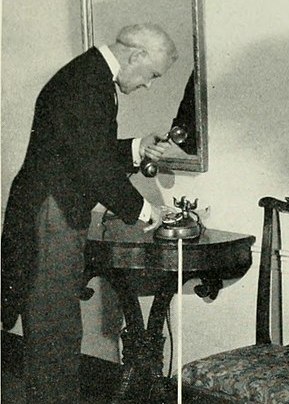
butler

butler
butler
butler /ˈbʌtlɚ/ countable noun
  • the chief male servant of a house, usually in charge of other staff

    The butler answered the door and took our coats.

#7008

devour

devour /dɪˈvaʊɚ/ transitive verb
past: devoured /dɪˈvaʊɚd/
pp: devoured /dɪˈvaʊɚd/

From Latin devorare (de- + vorare, 'to swallow'). A false friend of devout, which is unrelated (that word is from Latin vovere, 'to vow').

  1. to eat quickly and greedily

    The hungry children devoured the pizza in minutes.

  2. (figurative) to read or consume something eagerly

    She devours every novel she can find.

  3. to destroy completely

    Flames devoured the warehouse.

#7007

off-limits

off-limits /ˌɔːf ˈlɪmɪts/ adjective

Always with the -s, even for a singular subject: 'the gym is off-limits', not 'off-limit'.

  1. not to be entered or used by particular people; forbidden

    The gym is off-limits to students after 9pm.

  2. (figurative) not to be discussed or approached

    Her salary is off-limits as a topic of conversation.

#7006

admit [family]

admit /ədˈmɪt/ verb
past: admitted /ədˈmɪtɪd/
pp: admitted /ədˈmɪtɪd/

"Admit defeat": concede loss. "Admit it!": common demand for confession.

  1. to confess to be true or to be the case

    He admitted he was wrong.

  2. to allow to enter

    They were admitted to the hospital.

admission /ədˈmɪʃən/ noun

"College admissions": major topic in US (test scores, essays, recommendations). "Free admission": no entry fee.

  1. the action of admitting something or someone

    Admission to the museum is free.

  2. (often plural, especially at a hospital, school, or university) the department or process that handles new arrivals

    Please fill this out for admissions and insurance.

admittance /ədˈmɪtəns/ uncountable noun
  • the process or fact of entering or being allowed to enter a place or institution

    They were denied admittance.

admittedly /ədˈmɪtɪdli/ adverb
  • used to introduce a concession or recognition that something is true or is the case

    Admittedly, the salary was not wonderful.

admit vs. acknowledge

Both mean to accept that something is true, but admit implies reluctance or confession of something unfavorable, while acknowledge is neutral recognition.

admit
To accept, often reluctantly, that something bad or embarrassing is true; it carries a sense of confession or conceding. 'He admitted his mistake.' 'She admitted defeat.'
acknowledge
To recognize or accept the existence, truth, or importance of something, with no negative overtone. 'He acknowledged her contribution.' 'The company acknowledged receipt of the letter.'
  • You admit a fault or guilt; you acknowledge a fact, a person, or a favor.
  • Admit also has a neutral 'allow to enter' sense (admit to a hospital), unrelated to confession.
#7005

momentum

momentum /moʊˈmentəm/ uncountable noun

In physics, momentum = mass × velocity. Used metaphorically for any building force or progress.

  1. the impetus gained by a moving object

    The ball gathered momentum as it rolled downhill.

  2. the driving force gained by the development of a process

    The campaign is gaining momentum.

#7004

anthropic

anthropic /ænˈθrɑːpɪk/ adjective

From Greek anthropos (human), like anthropology and misanthrope. Capitalized, 'Anthropic' is the AI safety company that created Claude.

  1. relating to humankind or human existence

    They studied the anthropic impact on the coastline.

  2. (cosmology) relating to the anthropic principle, that the universe must allow conscious observers to exist

    The anthropic principle is invoked to explain the fine-tuning of physical constants.

#7003

nonchalant [family]

nonchalant /ˌnɑːnʃəˈlɑːnt/ adjective
  • (of a person or manner) feeling or appearing casually calm and relaxed; not displaying anxiety, interest, or enthusiasm

    She gave a nonchalant shrug.

nonchalance /ˌnɑːnʃəˈlɑːns/ uncountable noun
  • a state of casual calm; a lack of anxiety or concern

    He shrugged with studied nonchalance.

#7002

vouch [family]

vouch /vaʊtʃ/ intransitive verb
past: vouched /vaʊtʃt/
pp: vouched /vaʊtʃt/
  • to confirm that someone or something is reliable or true

    I can vouch for her honesty.

vouch for /ˈvaʊtʃ fɔːr/ phrasal verb
past: vouched for /ˈvaʊtʃt fɔːr/
pp: vouched for /ˈvaʊtʃt fɔːr/

The usual construction. You vouch FOR a person or fact.

  • to guarantee or take responsibility for someone or something; to confirm their reliability

    Two colleagues vouched for him at the hearing.

voucher /ˈvaʊtʃɚ/ countable noun

Literally 'something that vouches' - a document that guarantees a discount or exchange.

  • a small printed piece of paper that entitles the holder to a discount or that may be exchanged for goods or services

    A shopping voucher.

#7001

fence [family]

fence
1fence
fencing
2fencing
fence /fens/ countable noun

"Sit on the fence" = remain neutral or undecided. "The grass is always greener on the other side of the fence": proverb.

  1. 1a barrier enclosing an area

    They built a fence around the garden.

  2. (informal) a person who buys and sells stolen goods

    He sold the stolen watches to a fence.

fence /fens/ verb
past: fenced /fenst/
pp: fenced /fenst/

"Fencing", the sport using thin swords; also: the act of building fences, or the act of receiving stolen goods.

  1. to surround with a fence

    The yard is fenced for the dog.

  2. to engage in the sport of swordfighting

    He fenced competitively in college.

fencing /ˈfensɪŋ/ uncountable noun sport

Olympic sport since 1896. Three weapons: foil, épée, sabre. Different rules and target areas for each.

  • 2the sport of sword fighting

    He took up fencing in high school.

fencing /ˈfensɪŋ/ uncountable noun
  • material used for making fences; fences collectively

    The property was surrounded by wire fencing.