Vocabulary: Batch 75

#7401 to #7500 (100 entries)

#7500

swoop

swoop /swuːp/ verb
past: swooped /swuːpt/
pp: swooped /swuːpt/

Birds of prey swoop on prey. "In one fell swoop" = all at once (from Shakespeare's Macbeth).

  • to move rapidly downward through the air

    The eagle swooped on the rabbit.

#7499

crow

crow
crow
crow /kroʊ/ countable noun bird
  • a large perching bird with mostly glossy black plumage, a heavy bill, and a raucous voice

    A crow cawed in a nearby tree.

crow /kroʊ/ intransitive verb
past: crowed /kroʊd/
pp: crowed /kroʊd/

'Crow about' is the standard collocation, often disapproving.

  1. to boast loudly and triumphantly about something

    He couldn't stop crowing about his win.

  2. (of a rooster) to make its loud shrill cry

    The rooster crowed at dawn.

#7498

eaves

eaves
eaves
eaves /iːvz/ plural noun

Almost always used in the plural, even for one continuous edge. 'Eavesdrop' (to secretly listen) comes from standing under someone's eaves to overhear them.

  • the edges of a roof that overhang the walls of a building

    Swallows nested under the eaves.

#7497

scavenge [family]

scavenge /ˈskævəndʒ/ verb
past: scavenged /ˈskævəndʒd/
pp: scavenged /ˈskævəndʒd/

Related: scavenger. "Scavenger hunt" = a game where players search for specific items on a list.

  • to search for and collect (anything usable) from discarded waste

    The dog scavenged in the trash for food.

scavenger /ˈskævəndʒɚ/ countable noun
  • an animal or person that searches for and collects discarded items

    Vultures are scavengers that feed on carrion.

#7496

mph

mph /ˌɛmpiːˈeɪtʃ/ abbreviation

Short for 'miles per hour'. Usually read aloud as the full phrase or spelled out letter by letter, not as one word.

  • miles per hour, a unit of speed

    Ostriches can run faster than 40 mph.

#7495

scoop

scoop /skuːp/ countable noun

In journalism: "scoop" = exclusive story before competitors. "Pooper scooper": tool for picking up dog poop. "Ice cream scoop": utensil.

  1. a tool resembling a spoon, used for picking up loose material

    She used a scoop to serve the ice cream.

  2. (journalism) a piece of news published or broadcast before its rivals

    It was a major scoop for the newspaper.

scoop /skuːp/ transitive verb
past: scooped /skuːpt/
pp: scooped /skuːpt/
  1. to lift or move with a sweeping, curved motion

    He scooped the sand into a bucket.

  2. to win something, especially unexpectedly or emphatically

    The film scooped four awards at the ceremony.

#7494

pouch

pouch /paʊtʃ/ countable noun

Marsupial pouches: for carrying young. "Tobacco pouch", "diplomatic pouch". Modern: "pouch food", squeeze packets popular for babies and outdoor activities.

  • a small flexible bag

    She carried her makeup in a pouch.

#7493

bill

bill /bɪl/ countable noun
  1. a statement of money owed for goods or services

    He paid the restaurant bill.

  2. a bird's beak

    The heron speared the fish with its long, sharp bill.

  3. a draft of a proposed law presented for debate in a legislature

    The bill passed the Senate by a narrow margin.

  4. (US) a piece of paper currency

    He handed her a twenty-dollar bill.

bill /bɪl/ verb
past: billed /bɪld/
pp: billed /bɪld/
  • to charge someone for goods or services

    We will bill you for the repair.

#7492

porch

porch
porch
porch /pɔːrtʃ/ countable noun

Iconic in American Southern culture ("sitting on the porch with sweet tea"). "Porch swing": traditional outdoor seat. "Porch pirate": modern term for someone who steals delivered packages.

  • a covered shelter at the entrance to a house

    They sat on the porch in the evening.

#7491

wade

wade /weɪd/ intransitive verb
past: waded /ˈweɪdɪd/
pp: waded /ˈweɪdɪd/

"Wade in" = enter forcefully into a discussion. "Wade through" = work through laboriously. Famous Wade: Roe v. Wade (1973 US abortion case).

  • to walk through water

    They waded across the shallow stream.

#7490

hoot

hoot /huːt/ verb
past: hooted /ˈhuːtɪd/
pp: hooted /ˈhuːtɪd/

Onomatopoeic. Owls hoot. Cars honk (US) or hoot (UK). "Don't give a hoot" = don't care at all. "What a hoot!" = how funny.

  • to make a sound like an owl

    An owl hooted in the distance.

#7489

whisk

whisk
whisk
whisk /wɪsk/ countable noun kitchen tool

Types: balloon whisk, flat whisk, French whisk. "Whisk" (verb), also to remove quickly: "she was whisked away in a limo".

  • a kitchen utensil for beating eggs or cream

    He used a whisk to beat the eggs.

whisk /wɪsk/ transitive verb
past: whisked /wɪskt/
pp: whisked /wɪskt/
  • to take someone or something somewhere quickly

    She was whisked away in a limo.

#7488

help

help /hɛlp/ transitive verb
past: helped /hɛlpt/
pp: helped /hɛlpt/

Followed by a bare infinitive or 'to' + infinitive, both correct in American English: 'help me carry' or 'help me to carry'.

  • to make it easier for someone to do something, by assisting or supporting them

    How can I help you today?

help /hɛlp/ uncountable noun
  • assistance or support given to someone

    Thanks for your help with the move.

help /hɛlp/ interjection
  • an exclamation used to call for assistance in an emergency

    Help! I'm locked out!

#7487

ration

ration /ˈræʃən/ countable noun

"Ration book": wartime allocation document. "K-rations": military food packs. "Rationing": period of restricted supply.

  • a fixed amount allowed during shortage

    Bread was rationed during the war.

ration /ˈræʃən/ verb
past: rationed /ˈræʃənd/
pp: rationed /ˈræʃənd/
  • to limit the amount available

    They had to ration their water.

#7486

shake [family]

shake
shake
shake /ʃeɪk/ verb
past: shook /ʃʊk/
pp: shaken /ˈʃeɪkən/

"Shake hands", "shake one's head", "shake it off" (Taylor Swift). "Shake up": reorganize disruptively.

  • to move quickly up and down or side to side

    She shook the bottle.

shake /ʃeɪk/ countable noun beverage
  • a thick milky drink

    He ordered a chocolate shake.

shaky /ˈʃeɪki/ adjective
  • shaking or trembling; not safe or reliable

    A shaky start. The evidence is shaky.

shakedown /ˈʃeɪkdaʊn/ countable noun
  • a radical reorganization

    A shakedown of the management structure.

milkshake /ˈmɪlkʃeɪk/ countable noun

The fuller, more formal form of shake's beverage sense; 'shake' is more common in casual spoken orders ('a chocolate shake').

  • a thick cold drink made of milk blended with ice cream and flavoring

    She ordered a strawberry milkshake.

#7485

carbonated

carbonated
carbonated
carbonated /ˈkɑːrbəneɪtɪd/ adjective

From carbonate (verb): to dissolve carbon dioxide into a liquid, producing bubbles. Carbonated drinks include soda, sparkling water, beer, and champagne.

  • containing dissolved carbon dioxide gas, which forms bubbles

    She prefers carbonated water to still water.

#7484

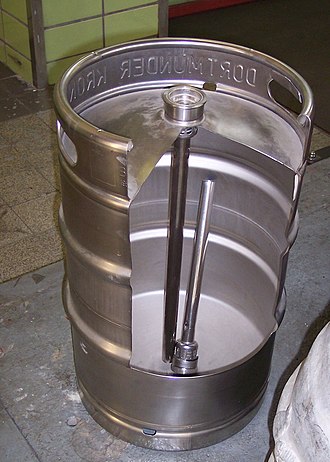
cask / keg [group]

cask
1cask
keg
2keg
cask /kæsk/ countable noun

Traditionally wooden, used for aging or storing wine, whisky, or beer. 'Cask ale' (British pub term) is unfiltered and naturally carbonated inside the cask itself, unlike keg beer.

  • 1a large barrel-shaped container used for storing or aging liquids

    The whisky had been aging in an oak cask for twelve years.

keg /kɛɡ/ countable noun

Usually metal, pressurized with added CO2. 'Keg party' (US) = a party centered around a keg of beer.

  • 2a small metal barrel, especially one used to store and serve beer

    They tapped a fresh keg for the party.

#7483

pint

pint /paɪnt/ countable noun

US pint = 16 fl oz; UK pint = 20 fl oz. "Go for a pint" (UK) = have a beer. Same letters as "mint" but different vowel: common ESL pitfall.

  • a unit of liquid measure

    He ordered a pint of beer.

#7482

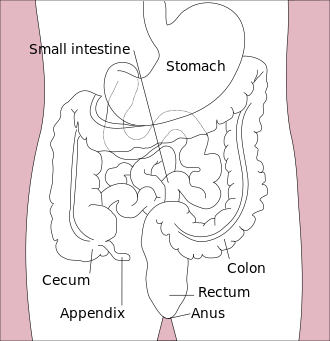
intestine [family]

intestine
intestine
intestine /ɪnˈtestɪn/ countable noun body

The small intestine handles digestion; the large intestine (colon) absorbs water. Often used in the plural.

  • the long tubular organ in the body where most digestion happens; the bowels

    The food passes from the stomach into the small intestine.

intestinal /ɪnˈtestənəl/ adjective
  • relating to the intestine

    He suffered from an intestinal infection.

#7481

draw blood

draw blood /ˈdrɔː blʌd/ phrasal verb
past: drew blood /ˈdruː blʌd/
pp: drawn blood /ˈdrɔːn blʌd/

The formal medical term for this procedure is phlebotomy.

  1. to take a sample of blood from a person, typically for testing

    The nurse drew blood for the lab tests.

  2. (figurative) to hurt or provoke a strong reaction in someone

    His sharp comment drew blood in the meeting.

#7480

clench

clench /klentʃ/ verb
past: clenched /klentʃt/
pp: clenched /klentʃt/

"Clench one's fists" / "clench one's teeth/jaw": common stress reactions. Also: "clench" = nervously hold tight.

  • to close or hold tightly

    He clenched his fists in anger.

#7479

shingle

shingle /ˈʃɪŋɡəl/ countable noun

"Asphalt shingles": most common US roofing material. UK beach: "shingle beach" = pebble beach (different sense). "Hang out one's shingle" = start a business.

  • a small rectangular tile used on roofs

    The wind damaged several shingles.

#7478

vocal tract

vocal tract
vocal tract
vocal tract /ˈvoʊkəl trækt/ countable noun body

Broader than the larynx (voice box) alone - includes the throat, mouth, and nasal cavity, all of which shape the final sound of speech.

  • the passage from the vocal cords to the lips and nostrils through which speech sounds are shaped

    The shape of the vocal tract changes constantly as we speak.

#7477

forearm

forearm /ˈfɔːrɑːrm/ countable noun body

Contains two bones, the radius and ulna, which allow the twisting motion of the wrist.

  • the part of the arm between the wrist and the elbow

    He rolled up his sleeves to show off his forearms.

#7476

diaphragm

diaphragm
diaphragm
diaphragm /ˈdaɪəfræm/ countable noun body

"Breathe from your diaphragm" - common advice for singers and public speakers, for deeper, more controlled breaths.

  • the dome-shaped muscle below the lungs that contracts to draw air into the body

    Singers are taught to breathe using the diaphragm, not the chest.

diaphragm /ˈdaɪəfræm/ countable noun

An unrelated sense sharing only the name and the general idea of a flexible dividing membrane.

  • a dome-shaped contraceptive device inserted to cover the cervix

    She was fitted for a diaphragm by her doctor.

#7475

iris

iris
iris
iris /ˈaɪrɪs/ countable noun body

Named after Iris, the Greek goddess of the rainbow and messenger of the gods - fitting, since irises come in many colors. Also a genus of flowering plants (unrelated sense, not covered here).

  • the colored, ring-shaped part of the eye that controls the size of the pupil

    Her iris was a striking shade of green.

#7474

retina

retina
retina
retina /ˈretənə/ countable noun body

The light-sensing layer at the back of the eye, containing the rods and cones. "Retina display" (Apple's marketing term) borrows the name for screens sharp enough that individual pixels aren't distinguishable.

  • the layer of light-sensitive tissue lining the back of the eyeball

    A detached retina requires prompt surgery to prevent vision loss.

#7473

lassi

lassi
lassi
lassi /ˈlʌsi/ countable noun beverage

South Asian yogurt-based drink. Sweet, often mango-flavored versions are most common outside South Asia, but savory salted versions are traditional too.

  • a South Asian drink made from blended yogurt, often with fruit, sugar, or spices

    We cooled off with mango lassis after the spicy meal.

#7472

chai

chai
chai
chai /tʃaɪ/ noun beverage

From Hindi/Urdu "chai," ultimately from Chinese "cha." Since "chai" already means tea, the common Western phrase "chai tea" is technically redundant ("tea tea"). Usually short for masala chai.

  • spiced tea, typically brewed with milk, sugar, and spices such as cardamom and ginger

    He ordered a cup of chai from the street vendor.

#7471

soju

soju
soju
soju /ˈsoʊdʒuː/ uncountable noun beverage

Korean loanword (소주). Traditionally distilled from rice, though most mass-market brands now use other starches like sweet potato or tapioca. Distilled, unlike the brewed Japanese sake.

  • a clear Korean distilled spirit, typically lower in alcohol than vodka or whiskey

    They toasted with shots of soju at the barbecue restaurant.

#7470

buffet

buffet
buffet
buffet /bəˈfeɪ/ countable noun

From French; the "t" is silent. Distinct from the verb "buffet" (to strike) which is pronounced /ˈbʌfɪt/.

  • a meal where guests serve themselves from a variety of dishes set out on a table

    The hotel offers a breakfast buffet every morning.

buffet /ˈbʌfɪt/ transitive verb
past: buffeted /ˈbʌfɪtɪd/
pp: buffeted /ˈbʌfɪtɪd/

Different pronunciation from the noun. Often used in the passive.

  • to strike repeatedly, especially with the wind or waves

    The small boat was buffeted by the storm.

#7469

retail [family]

retail /ˈriːteɪl/ uncountable noun

Antonym: wholesale. "Retail therapy" (informal) = shopping for emotional comfort.

  • the sale of goods to the public in relatively small quantities for personal use

    She works in retail.

retail /ˈriːteɪl/ adjective
  • relating to the sale of goods to consumers

    The retail price is much higher than the wholesale price.

retailing /ˈriːteɪlɪŋ/ uncountable noun
  • the activity of selling goods to the public

    He has a long career in retailing.

retailer /ˈriːteɪlɚ/ countable noun
  • a person or business that sells goods to the public

    The retailer offered a discount for early holiday shopping.

#7468

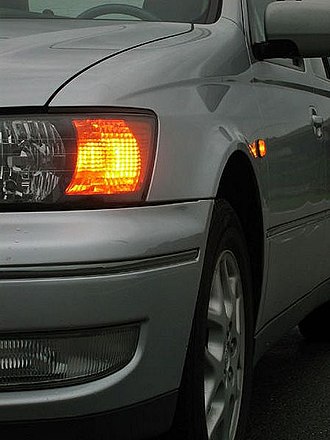
blinker

blinker
1blinker
blinkers
2blinkers
blinker /ˈblɪŋkɚ/ countable noun car part

(US, informal) more formal/technical term: turn signal (UK: indicator).

  • 1(US, informal) a flashing light on a vehicle that signals a turn or lane change

    Use your blinker before you change lanes.

blinkers /ˈblɪŋkɚz/ plural noun

Chiefly British (US: "blinders"). Figurative use ("wearing blinkers") describes a narrow, restricted outlook.

  1. 2a pair of leather flaps attached to a horse's bridle to block its side vision

    The racehorse wore blinkers to keep it focused straight ahead.

  2. (figurative) a narrow outlook that prevents someone from seeing the full picture

    He needs to take off his blinkers and consider other options.

#7467

thigh

thigh /θaɪ/ countable noun body
  • the part of the human leg between the hip and the knee

    He pulled a muscle in his thigh.

#7466

jaw [family]

jaw
jaw
jaw /dʒɔː/ countable noun body

"Drop one's jaw" = look astonished. "Jaw-dropping": amazing. "Jaws": 1975 Spielberg shark film. "Lockjaw": old name for tetanus.

  • either of two bones of the mouth

    He clenched his jaw in anger.

jaw-dropping /ˈdʒɔː drɑːpɪŋ/ adjective
  • amazing, astonishing, or shocking

    Jaw-dropping scenery.

jawline /ˈdʒɔːlaɪn/ countable noun

Popular subject of cosmetic trends (jawline exercises, filler injections) for a more defined look.

  • the outline or shape of the lower jaw, especially as a facial feature

    He had a strong, chiseled jawline.

#7465

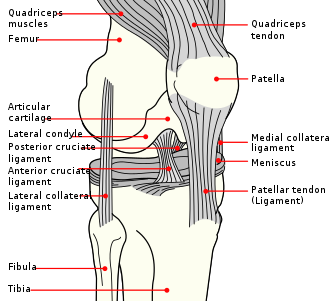
ligament

ligament
ligament
ligament /ˈlɪɡəmənt/ countable noun body

Connects bone to bone at a joint. Not to be confused with tendon, which connects muscle to bone.

  • a short band of tough fibrous tissue connecting two bones at a joint

    She tore a ligament in her knee during the match.

cartilage vs. ligament

Both are connective tissues found around joints, but they play different structural roles.

cartilage
A firm, flexible tissue that cushions joints and gives shape to structures like the ear and nose.
ligament
A tough fibrous band that connects one bone to another bone, stabilizing a joint.
  • A tendon is a related but distinct structure: it connects muscle to bone, not bone to bone.
#7464

cartilage

cartilage
cartilage
cartilage /ˈkɑːrtəlɪdʒ/ uncountable noun body
  • firm flexible tissue found in joints, ears, and noses

    The injury damaged cartilage in his knee.

cartilage vs. ligament

Both are connective tissues found around joints, but they play different structural roles.

cartilage
A firm, flexible tissue that cushions joints and gives shape to structures like the ear and nose.
ligament
A tough fibrous band that connects one bone to another bone, stabilizing a joint.
  • A tendon is a related but distinct structure: it connects muscle to bone, not bone to bone.
#7463

vertebra [family]

vertebra /ˈvɝtəbrə/ countable noun body

Plural: vertebrae /ˈvɝːtəbreɪ/ or /-briː/. Humans have 33 vertebrae.

  • each of the small bones that form the backbone (spine)

    She fractured a vertebra in the fall.

vertebrate /ˈvɝtəbrət/ countable noun

Opposite: invertebrate (animal without backbone, like insects, worms, jellyfish).

  • an animal with a backbone or spinal column, including mammals, birds, reptiles, amphibians, and fish

    Vertebrates make up only about 3% of all animal species.

vertebrate /ˈvɝtəbrət/ adjective
  • having a backbone or spinal column

    Vertebrate animals share certain anatomical features.

invertebrate /ɪnˈvɝtəbrət/ countable noun

Antonym: vertebrate (an animal with a backbone). Invertebrates include insects, mollusks, spiders, worms, jellyfish, etc. - about 97% of all animal species.

  • an animal lacking a backbone, such as an insect, worm, or mollusk

    Most of the world's animals are invertebrates.

#7462

backbone

backbone
backbone
backbone /ˈbækboʊn/ countable noun

Anatomical name: vertebral column or spine. "Internet backbone": the main high-capacity network routes.

  1. the spine; the series of vertebrae

    He broke his backbone in the accident.

  2. the chief support of a system; strength of character

    Small businesses are the backbone of the economy.

#7461

bone [family]

bone
bone
bone /boʊn/ countable noun body

'Bone up on' = study hard. 'Bone-dry' = completely dry. 'Make no bones about' = be frank about.

  • any of the hard pieces that make up the skeleton of a person or animal

    The dog buried a bone in the garden.

bone /boʊn/ transitive verb
past: boned /boʊnd/
pp: boned /boʊnd/
  • to remove the bones from meat or fish

    Ask the butcher to bone the chicken.

bony /ˈboʊni/ adjective
  1. having prominent bones; very thin

    She had long, bony fingers.

  2. full of small bones, especially in fish

    The fish was too bony to enjoy.

#7460

provision [family]

provision /prəˈvɪʒən/ countable or uncountable noun
  1. the action of providing or supplying something for use

    New contracts for the provision of services were signed.

  2. (countable) a condition or requirement in a legal document

    The contract includes a provision for early termination.

provision /prəˈvɪʒən/ transitive verb
past: provisioned /prəˈvɪʒənd/
pp: provisioned /prəˈvɪʒənd/
  • to supply with food, drink, or equipment, especially for a journey

    The ship was provisioned for a long voyage.

provisional /prəˈvɪʒənl/ adjective

From "provision" (an arrangement made in advance). Implies temporary status until finalized.

  • arranged or accepted for the present time, with the possibility of change later; temporary

    The team has reached a provisional agreement on the contract terms.

#7459

stool [family]

stool
stool
stool /stuːl/ countable noun furniture

"Stool" in medical usage = feces. "Fall between two stools" = fail because of indecision between two options.

  • a seat without a back or arms

    He sat on a stool at the bar.

stool /stuːl/ countable noun
  • (medical) a piece of feces

    The doctor requested a stool sample.

footstool /ˈfʊtstuːl/ countable noun furniture

Also called an "ottoman" when upholstered. Used to elevate the feet for comfort or to reach things.

  • a low stool on which to rest one's feet

    He put his feet up on the footstool.

#7458

loanword

loanword /ˈloʊnwɝd/ countable noun

Also written as two words: loan word. Different from a calque, which translates the parts literally.

  • a word adopted from another language with little or no translation

    "Karaoke" is a Japanese loanword in English.

#7457

treaty

treaty
treaty
treaty /ˈtriːti/ countable noun

A treaty is more formal and legally binding than a pact, typically requiring ratification by governments.

  • a formal written agreement between two or more states or sovereign powers

    The Treaty of Versailles ended the First World War.

#7456

treason [family]

traitor /ˈtreɪtɚ/ countable noun

Related: treason (the crime), treacherous (the adjective). Famous traitors: Benedict Arnold (American Revolution), Guy Fawkes (Gunpowder Plot).

  • a person who betrays a country, cause, or trust

    He was branded a traitor by his former allies.

treason /ˈtriːzən/ noun

High treason is the most serious form in some legal systems. The related adjective is treasonous.

  • the crime of betraying one's country or government, especially by helping an enemy

    The officer was accused of treason after passing secrets to a foreign power.

treasonous /ˈtriːzənəs/ adjective
  • involving or amounting to treason

    The king's court treated the letter as treasonous.

treasonable /ˈtriːzənəbəl/ adjective

Synonym of "treasonous". "Treasonable offense": common legal collocation. Slightly more formal.

  • constituting or involving treason

    They were charged with treasonable activities.

#7455

impeach [family]

impeach /ɪmˈpiːtʃ/ transitive verb
past: impeached /ɪmˈpiːtʃt/
pp: impeached /ɪmˈpiːtʃt/
  • to formally accuse a public official of misconduct

    Lawmakers voted to impeach the governor.

impeachment /ɪmˈpiːtʃmənt/ uncountable noun
  • the process of formally accusing an official

    The impeachment inquiry lasted months.

#7454

disgrace [family]

disgrace /dɪsˈɡreɪs/ noun

Distinct from "shame" (an internal feeling); disgrace is more about public reputation.

  • loss of reputation due to dishonorable conduct

    He brought disgrace on his family.

disgrace /dɪsˈɡreɪs/ transitive verb
past: disgraced /dɪsˈɡreɪst/
pp: disgraced /dɪsˈɡreɪst/
  • to bring shame on

    He disgraced himself by his behavior.

disgraced /dɪsˈɡreɪst/ adjective

Common phrase in news: "the disgraced former CEO".

  • having lost respect and standing

    The disgraced politician resigned.

disgraceful /dɪsˈɡreɪsfəl/ adjective
  • shockingly unacceptable

    His behavior was absolutely disgraceful.

#7453

line of sight

line of sight /ˈlaɪn əv ˈsaɪt/ countable noun

Common in military, photography, and radio/signal contexts, where an obstruction is said to "break" the line of sight.

  • an unobstructed straight path along which an observer can see a target

    Trees blocked the sniper's line of sight to the building.

#7452

beat up / beat-up [family]

beat up /ˌbiːt ˈʌp/ phrasal verb
past: beat up /ˌbiːt ˈʌp/
pp: beaten up /ˌbiːtən ˈʌp/

Separable: 'beat him up'. 'Beat yourself up' = blame yourself harshly.

  • to hit someone repeatedly and hurt them badly

    He was beaten up outside the bar.

beat-up /ˈbiːt ʌp/ adjective

Hyphenated before a noun. A near-synonym is British 'clapped-out'.

  • old, worn out, and in bad condition

    She drives a beat-up old pickup truck.

#7451

seem [family]

seem /siːm/ intransitive verb
past: seemed /siːmd/
pp: seemed /siːmd/

Linking verb: followed by an adjective or 'to' + infinitive, not a direct object.

  1. to give the impression of being or doing something

    She seems tired today.

  2. used to soften a statement, making it less direct

    I can't seem to find my keys.

seeming /ˈsiːmɪŋ/ adjective

Implies appearance vs reality. "Seeming friendship": appearance of friendship without substance.

  • appearing to be

    His seeming kindness hid a darker purpose.

seemingly /ˈsiːmɪŋli/ adverb

"Seemingly endless": common collocation. Often used to soften a claim: "seemingly random" rather than asserting it IS random.

  • as it appears

    He seemed seemingly unaware of the problem.

#7450

surfboard

surfboard
surfboard
surfboard /ˈsɜːrfˌbɔːrd/ countable noun
  • a long, narrow board used for riding waves while standing or lying down

    He waxed his surfboard before paddling out.

#7449

ski [family]

ski
1ski
ski slope
2ski slope
jet ski
3jet ski
ski /skiː/ countable noun

From Norwegian. "Ski resort", "ski lift", "ski jacket", "ski mask" (which has become associated with crime). Olympic sport since 1924 (winter).

  • 1a long narrow piece of material attached to a boot for traveling on snow

    He fastened his skis and pushed off.

ski /skiː/ verb
past: skied /skiːd/
pp: skied /skiːd/
  • to travel on snow using skis

    They went skiing in the Alps.

ski slope /ˈskiː sloʊp/ countable noun
  • 2a snow-covered slope for skiing

    They spent the day on the ski slope.

jet ski /ˈdʒet skiː/ countable noun vehicle
  • 3a small jet-propelled vehicle that skims across the surface of water and typically is ridden like a motorcycle

    They rented a jet ski.

#7448

scuba diving

scuba diving
scuba diving
scuba diving /ˈskuːbə ˌdaɪvɪŋ/ uncountable noun sport

"Scuba" is an acronym for "self-contained underwater breathing apparatus".

  • the sport or activity of swimming underwater using a scuba set to breathe

    They went scuba diving to explore the sunken shipwreck.

snorkeling vs. scuba diving

Both let a person view underwater life, but snorkeling is a simple surface activity with a tube and mask, while scuba diving uses a tank of compressed air to let a diver stay fully submerged for extended periods.

snorkeling
Floating face-down at the surface, breathing through a snorkel tube while viewing the water below; requires minimal equipment and training.
scuba diving
Swimming fully underwater using a tank of compressed air (a scuba set), allowing much greater depth and dive time; requires certification training.
  • Snorkeling needs only a mask, snorkel, and fins.
  • Scuba diving requires a tank, regulator, and certified training due to the risks of pressure and air supply.
#7447

snorkel [family]

snorkeling
snorkeling
snorkel /ˈsnɔːrkəl/ countable noun

Originally a German loanword (Schnorchel) for a submarine air tube.

  • a tube that allows a swimmer to breathe while floating face-down at the surface

    He fitted the snorkel to his mask before entering the water.

snorkel /ˈsnɔːrkəl/ intransitive verb
past: snorkeled /ˈsnɔːrkəld/
pp: snorkeled /ˈsnɔːrkəld/
  • to swim at the surface using a snorkel and mask to view underwater life

    We snorkeled over the coral reef.

snorkeling /ˈsnɔːrkəlɪŋ/ uncountable noun sport
  • the activity of swimming at the surface with a snorkel and mask

    Snorkeling is a popular activity on the island.

snorkeling vs. scuba diving

Both let a person view underwater life, but snorkeling is a simple surface activity with a tube and mask, while scuba diving uses a tank of compressed air to let a diver stay fully submerged for extended periods.

snorkeling
Floating face-down at the surface, breathing through a snorkel tube while viewing the water below; requires minimal equipment and training.
scuba diving
Swimming fully underwater using a tank of compressed air (a scuba set), allowing much greater depth and dive time; requires certification training.
  • Snorkeling needs only a mask, snorkel, and fins.
  • Scuba diving requires a tank, regulator, and certified training due to the risks of pressure and air supply.
#7446

turn signal

turn signal /ˈtɜːrn ˌsɪɡnəl/ countable noun car part

British English: "indicator". Informal US: blinker.

  • a flashing light on a vehicle used to indicate an intended turn or lane change

    He forgot to use his turn signal before merging.

#7445

brake pedal

brake pedal /ˈbreɪk ˌpedəl/ countable noun car part
  • the pedal that a driver presses to slow or stop a vehicle

    She slammed on the brake pedal to avoid the deer.

#7444

gas pedal / accelerator [group]

gas pedal /ˈɡæs ˌpedəl/ countable noun car part
  • the pedal that makes a vehicle go faster

    Ease off the gas pedal before the curve.

accelerator /əkˈseləreɪtɚ/ countable noun car part
  • the pedal or control that increases engine speed

    She pressed the accelerator too hard.

#7443

side mirror

side mirror
side mirror
side mirror /ˈsaɪd ˌmɪrɚ/ countable noun car part

Also called "wing mirror" (British English) or "door mirror".

  • a mirror mounted on the outside of a vehicle to help the driver see traffic to the side and rear

    He checked his side mirror before changing lanes.

#7442

visor [family]

visor /ˈvaɪzɚ/ countable noun

Part of a helmet, cap, or protective headgear that shields the eyes from light, wind, or impact.

  • a part of a helmet or cap that projects forward to shield the eyes

    He flipped up his motorcycle helmet's visor.

sun visor /ˈsʌn ˌvaɪzɚ/ countable noun car part

Also refers to the fold-down flap inside a car windshield used to block sunlight.

  • a hinged flap above a car's windshield that can be folded down to block glare from the sun

    She flipped down the sun visor to check her makeup in the mirror.

#7441

spare tire

spare tire
spare tire
spare tire /ˌsper ˈtaɪɚ/ countable noun car part

British spelling: "spare tyre", which is also British slang for excess fat around the waist.

  • an extra tire carried in a vehicle to replace one that goes flat

    He changed the flat and put on the spare tire.

#7440

license plate

license plate
license plate
license plate /ˈlaɪsəns pleɪt/ countable noun car part

British English: "number plate".

  • a metal or plastic plate attached to a vehicle bearing an official registration number

    Police recorded the license plate of the fleeing car.

#7439

headlight

headlight
headlight
headlight /ˈhedlaɪt/ countable noun car part

"Like a deer in headlights": frozen with shock. Modern: LED headlights, automatic high beams.

  • a powerful light at the front of a vehicle

    He turned on the headlights.

#7438

hood [family]

hood
1hood
hoodie
2hoodie
hood /hʊd/ countable noun
  • a covering for the head

    She pulled her hood up against the rain.

hood /hʊd/ countable noun car part

In US, also the metal panel covering a car engine (UK: bonnet). "Hood": slang for neighborhood (shortened from "neighborhood", esp. urban/inner-city). "Robin Hood": legendary figure.

  • 1(US) the hinged metal cover over a car's engine (UK: bonnet)

    He popped the hood to check the oil.

hoodie /ˈhʊdi/ countable noun

Originated as workwear for cold warehouses (1930s, Champion). Became symbolic of urban youth fashion from the 1990s; sometimes politically charged after the Trayvon Martin case.

  • 2a sweatshirt with a hood

    He pulled on a black hoodie.

#7437

taillight

taillight
taillight
taillight /ˈteɪlˌlaɪt/ countable noun car part

British English: "rear light".

  • a red light at the back of a vehicle that illuminates when the headlights are on or the brakes are applied

    One of his taillights was burned out.

#7436

sea lion

sea lion
sea lion
sea lion /ˈsiː ˌlaɪən/ countable noun sea creature

Distinguished from true seals by visible external ear flaps and the ability to walk on all four flippers on land.

  • a large marine mammal related to seals, with external ear flaps and the ability to walk on its flippers

    Sea lions barked and basked on the rocky pier.

#7435

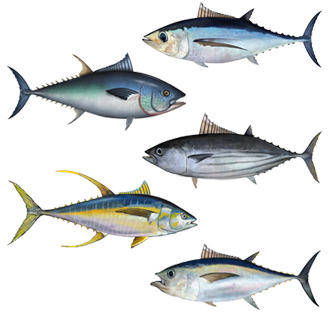
tuna

tuna
tuna
tuna /ˈtuːnə/ countable noun sea creature food

Bluefin tuna can sell for record prices in Japan ($3.1 million for one fish at the Tokyo fish market in 2019). Overfishing is a major sustainability concern.

  • a large saltwater fish, often eaten as food

    She made a tuna sandwich for lunch.

#7434

walrus

walrus
walrus
walrus /ˈwɔːlrəs/ countable noun sea creature

Plural is usually walruses, though walrus can also be used as a plural in animal-count contexts.

  • a large Arctic marine mammal with long tusks, whiskers, and flippers

    A walrus hauled itself onto the ice beside the research boat.

#7433

sea turtle

sea turtle
sea turtle
sea turtle /ˈsiː ˌtɜːrtəl/ countable noun sea creature

Unlike land tortoises, sea turtles have flipper-like limbs and cannot retract their heads into their shells.

  • a large marine reptile with a flattened shell and flipper-like limbs, adapted for life in the ocean

    Green sea turtles nest on this beach every summer.

#7432

stingray

stingray
stingray
stingray /ˈstɪŋreɪ/ countable noun sea creature

Has a venomous barbed tail; the animal that killed Steve Irwin (2006).

  • a flat, broad sea fish with a long poisonous tail spine

    A stingray glided across the sandy seabed.

#7431

stethoscope

stethoscope
stethoscope
stethoscope /ˈsteθəˌskoʊp/ countable noun medical
  • a medical instrument used to listen to sounds inside the body, especially the heart and lungs

    The doctor placed the stethoscope on his chest.

#7430

thermometer

thermometer
thermometer
thermometer /θɚˈmɑːmətɚ/ countable noun medical

From Greek thermos ("hot") + metron ("measure"). Mercury thermometers are being phased out due to mercury toxicity.

  • an instrument for measuring temperature

    The thermometer read 98.6°F.

#7429

ultrasound

ultrasound
ultrasound
ultrasound /ˈʌltrəˌsaʊnd/ uncountable noun

Sound waves above the range of human hearing. Common medical use: prenatal ultrasound to view a fetus.

  • sound waves with a frequency too high for humans to hear

    Bats use ultrasound to navigate in the dark.

ultrasound /ˈʌltrəˌsaʊnd/ uncountable noun medical
  • a medical scan that uses high-frequency sound waves to produce an image of internal body structures

    The doctor scheduled an ultrasound to check the baby's growth.

#7428

stitch [family]

stitch /stɪtʃ/ countable noun

"A stitch in time saves nine" = fixing a small problem early prevents a bigger one later.

  1. a single loop of thread made by a needle through fabric or skin

    The doctor put six stitches in his cut.

  2. a sudden sharp pain in the side, especially while running

    I had to stop running because I got a stitch.

stitch /stɪtʃ/ verb
past: stitched /stɪtʃt/
pp: stitched /stɪtʃt/
  • to make or repair something with stitches

    She stitched the torn pocket back together.

stitching /ˈstɪtʃɪŋ/ uncountable noun
  • a row of stitches; the act or style of making stitches

    The leather jacket had decorative red stitching down the seams.

stitch-up /ˈstɪtʃ ʌp/ countable noun

British informal. "To stitch someone up" = to frame them or trick them into trouble.

  • (British informal) a situation in which someone is falsely accused or unfairly blamed; a frame-up

    He claims his conviction was a complete stitch-up.

#7427

syringe

syringe
syringe
syringe /səˈrɪndʒ/ countable noun medical
  • a tube with a needle or nozzle used to inject or draw liquid

    The nurse filled the syringe with vaccine.

#7426

inhale / exhale [family]

inhaler
inhaler
inhale /ɪnˈheɪl/ verb
past: inhaled /ɪnˈheɪld/
pp: inhaled /ɪnˈheɪld/
  • to breathe air, smoke, or gas into the lungs

    Inhale slowly through your nose.

inhaler /ɪnˈheɪlɚ/ countable noun medical
  • a small device for breathing medicine into the lungs

    She keeps an inhaler in her backpack.

inhalation /ˌɪnhəˈleɪʃən/ noun
  • the act of breathing something into the lungs

    Smoke inhalation can be dangerous.

exhale /eksˈheɪl/ verb
past: exhaled /eksˈheɪld/
pp: exhaled /eksˈheɪld/
  • to breathe air out of the lungs

    Exhale gently after each stretch.

#7425

Band-Aid

Band-Aid
Band-Aid
Band-Aid /ˈbændeɪd/ countable noun medical

A trademark (now genericized) for an adhesive bandage. British: 'plaster'.

  • a small adhesive bandage for covering minor wounds

    She put a Band-Aid on the paper cut.

Band-Aid /ˈbændeɪd/ countable noun
  • (often lowercase 'band-aid') a temporary or superficial solution

    The extra funding is just a band-aid for a much deeper problem.

#7424

tweezers

tweezers
tweezers
tweezers /ˈtwiːzɚz/ plural noun
  • a small instrument like a pair of pincers for plucking out hairs and picking up small objects

    A pair of tweezers.

#7423

brownie

brownie
brownie
brownie /ˈbraʊni/ countable noun dessert

"Brownie points" = credit for a good deed, especially to gain favor. Also the name for a junior Girl Scout ("Brownies").

  • a small, rich, dense square of baked chocolate cake

    She baked a batch of fudgy brownies.

#7422

caramel

caramel
caramel
caramel /ˈkærəməl/ uncountable noun dessert

American pronunciation varies: two syllables or three syllables are both heard.

  • a sweet brown substance made by heating sugar

    The dessert was covered with caramel sauce.

#7421

marshmallow

marshmallow
marshmallow
marshmallow /ˈmɑːrʃmeloʊ/ countable noun dessert

Originally made from the root of the marshmallow plant (Althaea officinalis); modern versions use gelatin. Common at campfires (toasted on sticks).

  • a soft, spongy white sweet made of sugar, gelatin, and other ingredients, often eaten roasted

    They roasted marshmallows over the campfire.

#7420

sleeve

sleeve /sliːv/ countable noun

Idioms: "have something up one's sleeve" = have a secret plan; "wear one's heart on one's sleeve" = show emotions openly; "roll up one's sleeves" = prepare for hard work.

  1. the part of a garment that covers the arm

    He rolled up his sleeves to start working.

  2. a cardboard or rubber band placed around a hot beverage cup to insulate the hand

    She slid a cardboard sleeve onto her coffee cup before picking it up.

#7419

stirrer

stirrer /ˈstɜːrɚ/ countable noun

In British slang, "a stirrer" can also mean someone who deliberately causes trouble or conflict.

  • a small stick or spoon used to mix a drink

    She used a plastic stirrer to mix the sugar into her coffee.

#7418

sugar packet

sugar packet
sugar packet
sugar packet /ˈʃʊɡɚ ˌpækɪt/ countable noun food
  • a small single-serving paper or plastic packet containing sugar, typically provided at cafes and restaurants

    He tore open a sugar packet and stirred it into his coffee.

#7417

straw [family]

straw
straw
straw /strɔː/ noun

"Drink straw": tube for drinking. Many places have banned plastic straws for environmental reasons. "Drawing straws": random selection method.

  1. dried stalks of cereal plants

    The barn was filled with straw.

  2. a thin tube for drinking

    She sipped her drink through a straw.

last straw /ˈlæst strɔː/ noun

From the proverb "the last straw breaks the camel's back": small final addition that triggers a major reaction.

  • the final problem that makes a situation unbearable

    His rudeness was the last straw.

#7416

tray

tray
tray
tray /treɪ/ countable noun kitchen tool

"Serving tray", "baking tray", "ice cube tray". In email/computing: "inbox tray". "Tray table": fold-down table on airplane seats.

  • a flat shallow container with raised edges, used for carrying things

    The waiter carried a tray of drinks.

#7415

owl

owl
owl
owl /aʊl/ countable noun bird

Symbol of wisdom (Athena's bird). "Night owl": late-night person. Hedwig (Harry Potter) is a snowy owl. Can rotate head ~270 degrees.

  • a nocturnal bird of prey with large eyes

    An owl hooted in the night.

#7414

flamingo

flamingo
flamingo
flamingo /fləˈmɪŋɡoʊ/ countable noun bird

Pink color comes from carotenoids in their diet (shrimp, algae). Often stand on one leg. Lawn flamingos: kitsch suburban yard decoration.

  • a tall pink wading bird

    A flock of flamingos waded in the lake.

#7413

parrot

parrot
parrot
parrot /ˈpærət/ countable noun bird

Famous for their ability to mimic human speech. "Polly want a cracker?" is the cliched parrot phrase.

  • a tropical bird with bright feathers and a curved bill, often able to mimic sounds

    The pet store had several talking parrots.

parrot /ˈpærət/ transitive verb
past: parroted /ˈpærətɪd/
pp: parroted /ˈpærətɪd/

Often disapproving: implies repeating without understanding.

  • to repeat (someone's words) mechanically without understanding

    Don't just parrot what your teacher says: think for yourself.

#7412

hummingbird

hummingbird
hummingbird
hummingbird /ˈhʌmɪŋˌbɜːrd/ countable noun bird

Named for the humming sound made by its rapid wingbeats (up to 80 times per second). The only bird that can fly backward.

  • a very small, brightly colored bird known for hovering in place and rapid wing movement

    A hummingbird hovered by the red flowers.

#7411

breathtaking

breathtaking /ˈbreθˌteɪkɪŋ/ adjective
  • astonishing or awe-inspiring in quality, so as to take one's breath away

    The view from the mountaintop was breathtaking.

#7410

gorgeous

gorgeous /ˈɡɔːrdʒəs/ adjective
  • beautiful; very attractive

    Gorgeous colors.

#7409

majesty [family]

majesty /ˈmædʒəsti/ noun

"Your Majesty" / "His/Her Majesty" = the formal address for a king or queen.

  1. impressive stateliness or dignity

    They watched the mountain in all its majesty.

  2. royal sovereignty (used as a title)

    His Majesty will speak this evening.

majestic /məˈdʒestɪk/ adjective
  • having or showing impressive beauty or dignity

    The majestic peaks of the Alps.

#7408

spectacular [family]

spectacular /spekˈtækjəlɚ/ adjective

Adverb: spectacularly.

  1. beautiful in a dramatic and eye-catching way

    The view from the summit was spectacular.

  2. strikingly impressive in scale or degree

    The team had a spectacular comeback.

spectacularly /spekˈtækjəlɚli/ adverb
  • in a dramatic or impressive way

    The plan failed spectacularly.

unspectacular /ˌʌnspekˈtækjəlɚ/ adjective
  • not exciting or impressive; ordinary

    The team had an unspectacular start to the season.

spectacle /ˈspektəkəl/ countable noun

Plural "spectacles" (or "specs") = a pair of glasses (mostly British, somewhat formal/old-fashioned).

  1. a visually striking or impressive event or scene

    The fireworks were quite a spectacle.

  2. ("make a spectacle of oneself") to behave in an embarrassing or attention-getting way in public

    He made a spectacle of himself at the party after drinking too much.

  3. (plural, British) a pair of glasses worn to correct vision

    She perched her spectacles on the end of her nose.

#7407

unreal

unreal /ʌnˈriːəl/ adjective

Informally used as an intensifier of amazement, similar to "incredible": "That concert was unreal!"

  • not real; existing only in the imagination; also (informal) so impressive as to seem hard to believe

    The view from the summit was unreal.

surreal vs. unreal

Surreal describes something dreamlike or bizarre in a way that defies normal logic, while unreal (in its informal sense) is a looser intensifier for anything astonishing, good or bad.

surreal
Strange and dreamlike, often unsettling, as if governed by the logic of a dream rather than reality (associated with Surrealist art).
unreal
Literally, not real or not existing; informally, used as a casual intensifier for something impressively good, bad, or hard to believe.
  • "That was surreal" suggests something strange and dreamlike happened.
  • "That was unreal" (informal) usually just means "that was amazing/incredible", without the dreamlike connotation.
#7406

surreal [family]

surreal /səˈriːəl/ adjective

From 'surrealism'. = bizarre, dreamlike, unreal.

  • strange and dreamlike; bizarre and unreal

    The whole evening had a surreal quality.

surrealism /səˈriːəlɪzəm/ uncountable noun

A 20th-century art and literary movement exploring dreams and the unconscious (Dali, Magritte, Breton).

  • a movement in art and literature seeking to express the unconscious mind, often with bizarre, dreamlike imagery

    Dali was a leading figure of surrealism.

surrealist /səˈriːəlɪst/ countable noun
  • an artist or writer who practices surrealism

    The gallery hung several works by surrealists.

surreal vs. unreal

Surreal describes something dreamlike or bizarre in a way that defies normal logic, while unreal (in its informal sense) is a looser intensifier for anything astonishing, good or bad.

surreal
Strange and dreamlike, often unsettling, as if governed by the logic of a dream rather than reality (associated with Surrealist art).
unreal
Literally, not real or not existing; informally, used as a casual intensifier for something impressively good, bad, or hard to believe.
  • "That was surreal" suggests something strange and dreamlike happened.
  • "That was unreal" (informal) usually just means "that was amazing/incredible", without the dreamlike connotation.
#7405

end [family]

end /end/ noun

Many idioms: "the end of the road", "end in tears", "to no end", "at the end of the day".

  1. a final part of something

    They reached the end of the trail.

  2. a goal or intended result

    The end justifies the means.

end /end/ verb
past: ended /ˈendɪd/
pp: ended /ˈendɪd/
  • to come or bring to a final point

    The meeting ended at noon.

endless /ˈendləs/ adjective
  • having or seeming to have no end or limit

    Endless arguments.

ending /ˈendɪŋ/ countable noun
  • the final part of something, especially a story or film

    The movie had a surprising ending.

#7404

sandy

sandy /ˈsændi/ adjective
  1. covered with or consisting of sand

    They walked along the sandy beach.

  2. (of hair) light yellowish-brown in color

    He had sandy hair and freckles.

#7403

panorama [family]

panorama
panorama
panorama /ˌpænəˈræmə/ countable noun

Greek 'pan' (all) + 'horama' (view).

  • an unbroken view of a wide area; a complete survey of a subject

    From the summit, a vast panorama opened up before us.

panoramic /ˌpænəˈræmɪk/ adjective
  • showing or covering a wide view

    The room has panoramic views of the bay.

#7402

capsule

capsule
capsule
capsule /ˈkæpsəl/ countable noun medical
  • a small soluble case containing a dose of medicine

    Take one capsule twice daily.

capsule /ˈkæpsəl/ countable noun

In space: "space capsule" = the small detachable section of a spacecraft (Apollo, Soyuz, Crew Dragon). "Time capsule" = a sealed container of objects to be opened in the future.

  • a small case or container

    They launched a space capsule.

#7401

granule

granule /ˈɡrænjuːl/ countable noun
  • a small compact particle of a substance

    Instant coffee comes in granules.