Vocabulary: Batch 36

#3501 to #3600 (100 entries)

#3600

trumpet

trumpet
trumpet
trumpet /ˈtrʌmpət/ countable noun musical instrument

Famous trumpeters: Louis Armstrong, Miles Davis, Dizzy Gillespie. "Blow one's own trumpet" (UK) = boast about oneself; US version: "toot one's own horn".

  • a brass musical instrument with a bright tone

    He plays trumpet in a jazz band.

#3599

trace [family]

trace /treɪs/ countable noun

"Trace amount": very small amount (chemistry). "Without a trace" = disappear completely. "Trace element": essential nutrient in tiny amounts.

  • a small or barely detectable sign of something

    There was no trace of blood on the knife.

trace /treɪs/ transitive verb
past: traced /treɪst/
pp: traced /treɪst/
  1. to follow or find the source or course of something

    They traced the call to a number in Paris.

  2. to draw or copy by following lines through thin paper

    She traced the picture onto her notebook.

retrace /rɪˈtreɪs/ transitive verb
past: retraced /rɪˈtreɪst/
pp: retraced /rɪˈtreɪst/
  • to go back over (the same route that one has just taken)

    He began to retrace his steps.

#3598

tower

tower
tower
tower /ˈtaʊɚ/ countable noun

"Ivory tower" = academia, detached from real life. "Watchtower", "clock tower", "control tower". Famous: Eiffel Tower, Tower of London, Leaning Tower of Pisa.

  • a tall narrow structure

    The bell tower can be seen from miles away.

tower /ˈtaʊɚ/ intransitive verb
past: towered /ˈtaʊɚd/
pp: towered /ˈtaʊɚd/
  • to be much taller than something nearby

    He towers over his classmates.

#3597

tour [family]

tour /tʊr/ countable noun

"Tour guide", "world tour" (music), "tour of duty" (military).

  • a journey for pleasure in which several places are visited

    They went on a tour of Europe.

tour /tʊr/ verb
past: toured /tʊrd/
pp: toured /tʊrd/
  • to travel through a place visiting various sights

    The band toured the country.

tourism /ˈtʊrɪzəm/ uncountable noun

"Ecotourism", "medical tourism", "dark tourism" (visiting disaster sites): modern subgenres. World's largest industry by some measures.

  • the activity or business of traveling for pleasure

    Tourism is a major source of income for the country.

tourist /ˈtʊrɪst/ countable noun

"Tourist trap" = overpriced attraction targeting tourists. "Tourist class" = economy. Often contrasted with "traveler" (deeper engagement) by snobs.

  • a person who travels for pleasure

    The tourists took photos of the cathedral.

#3596

toss

toss /tɔːs/ verb
past: tossed /tɔːst/
pp: tossed /tɔːst/

"Toss a coin": to decide by chance. "Toss and turn": sleep restlessly. "Toss salad": mix gently. Different from "throw" (more force/distance) and "hurl" (very forceful).

  • to throw something lightly or carelessly

    She tossed the keys onto the table.

#3595

tide [family]

tide
tide
tide /taɪd/ countable noun

Caused mainly by the Moon's gravitational pull. "High tide", "low tide", "rising tide". Figurative: "turn the tide" = change the course of events. "Tide over" = sustain through difficult time.

  • the regular rise and fall of the sea

    The boat was stranded at low tide.

tidal /ˈtaɪdəl/ adjective
  • of, relating to, or affected by tides

    The tidal flow.

tidal wave /ˈtaɪdəl weɪv/ countable noun
  • an exceptionally large ocean wave, especially one caused by an underwater earthquake or volcanic eruption

    The earthquake triggered a tidal wave.

#3594

thumb

thumb
thumb
thumb /θʌm/ countable noun body

"B" is silent. Idioms: "thumbs up/down" (approve/disapprove), "rule of thumb" (general guideline), "under someone's thumb" (controlled by). "All thumbs" = clumsy.

  • the short thick finger on the inner side of the hand

    He gave a thumbs up sign.

#3593

triangle [family]

triangle
triangle
triangle /ˈtraɪæŋɡəl/ countable noun

From Latin "tri" (three) + "angulus" (corner). Types: equilateral, isosceles, scalene, right. Also a percussion instrument. "Love triangle": three-person romantic entanglement.

  • a three-sided figure

    Draw a triangle on the board.

triangular /traɪˈæŋɡjəlɚ/ adjective
  • shaped like a triangle

    The sandwich was cut into triangular pieces.

triangulate /traɪˈæŋɡjəleɪt/ verb
past: triangulated /traɪˈæŋɡjəleɪtɪd/
pp: triangulated /traɪˈæŋɡjəleɪtɪd/

In navigation/surveying: locate a point using angles from two known points. Figurative: "triangulate position", find middle ground politically.

  • to determine the location of something using triangles

    They triangulated the signal to find his phone.

#3592

garish

garish /ˈɡerɪʃ/ adjective

Always negative. Synonyms: gaudy, tacky, flashy, loud. Antonym: tasteful, understated.

  • too bright or colorful in a tasteless way

    The garish neon sign hurt his eyes.

#3591

grotesque

grotesque /ɡroʊˈtesk/ adjective

From Italian "grottesca" (grotto-like): originally describing strange ornamental art found in Roman caves. Now strongly negative. Distinct from "ugly": implies bizarre distortion.

  • strange and unpleasant or repulsive

    The statue had a grotesque face.

#3590

steady

steady /ˈstedi/ adjective

"Slow and steady wins the race": moral of Aesop's tortoise and hare. "Steady relationship" = committed boyfriend/girlfriend. "Steady-state": physics/engineering term.

  1. firmly fixed; not shaking

    Hold the ladder steady.

  2. continuous; not changing

    There is a steady demand for the product.

#3589

spy [family]

spy
spy
spy /spaɪ/ countable noun

Synonyms: agent, mole, secret agent. "I spy with my little eye": classic children's game. James Bond is fiction's most famous spy.

  • a person who secretly collects information

    He was accused of being a Russian spy.

spy /spaɪ/ verb
past: spied /spaɪd/
pp: spied /spaɪd/
  1. to secretly observe someone

    They spied on the suspects for weeks.

  2. to catch sight of something

    I spied a familiar face in the crowd.

spyware /ˈspaɪwer/ uncountable noun
  • software that enables a user to obtain covert information about another's computer activities by transmitting data covertly from their hard drive

    He installed spyware on her computer.

#3588

spray [family]

spray /spreɪ/ verb
past: sprayed /spreɪd/
pp: sprayed /spreɪd/

"Spray paint": aerosol paint, associated with graffiti. "Hair spray", "bug spray", "pepper spray": common types. "Spray and pray": firing wildly.

  • to apply liquid in a fine mist

    She sprayed perfume on her wrists.

spray /spreɪ/ noun
  • liquid sent through the air in tiny drops

    He felt the cool spray of the waterfall.

sprayer /ˈspreɪɚ/ countable noun
  • a device for spraying a liquid

    A garden sprayer.

spray paint /ˈspreɪ peɪnt/ uncountable noun
  • paint that is contained in an aerosol can for the purpose of spraying onto a surface

    A can of spray paint.

spray gun /ˈspreɪ ɡʌn/ countable noun
  • a device for spraying liquid, typically paint, using air pressure

    He used a spray gun to paint the car.

spray can /ˈspreɪ kæn/ countable noun
  • an aerosol can

    Graffiti done with a spray can.

respray /ˌriːˈspreɪ/ transitive verb
past: resprayed /ˌriːˈspreɪd/
pp: resprayed /ˌriːˈspreɪd/
  • to spray with paint or coating again

    They resprayed the car red.

respray /ˈriːspreɪ/ countable noun
  • a new coat of sprayed paint

    The bike needs a full respray.

#3587

spite

spite /spaɪt/ uncountable noun

"In spite of" = despite (very common prepositional phrase). "Out of spite" = motivated by malice. "Cut off one's nose to spite one's face" = harm oneself to hurt another.

  • a desire to hurt or annoy someone

    He did it out of pure spite.

#3586

spit

spit /spɪt/ verb
past: spat /spæt/ or spit /spɪt/ (US informal, unchanged)
pp: spat /spæt/ or spit /spɪt/ (US informal, unchanged)

Past tense: spat (UK/AmE traditional) or spit (US informal). "Spitting image" = exact look-alike. "Spit it out" = say what you need to say.

  • to forcibly eject saliva or other contents from the mouth

    He spat on the ground.

spit /spɪt/ uncountable noun
  • saliva ejected from the mouth

    Wipe the spit off your chin.

#3585

spin-off

spin-off /ˈspɪnɔːf/ countable noun

Often hyphenated. Business: "corporate spin-off", separating a division into a new company. TV: "Better Call Saul" is a spin-off of "Breaking Bad".

  • a product, show, or business derived from a parent one

    The TV series was a spin-off of the original.

#3584

sometime

sometime /ˈsʌmtaɪm/ adverb

"Sometime" (one word) = at an unspecified time. Different from "some time" (two words) = a period of time. Also "sometimes" (with -s) = occasionally. Three distinct words.

  • at some unspecified time

    Let's have lunch sometime.

#3583

somehow

somehow /ˈsʌmhaʊ/ adverb

Two uses: method unknown ("somehow he survived") and feeling unclear ("somehow it doesn't feel right"). Often expresses mild puzzlement or wonder.

  • in some way unknown

    Somehow, we got through it.

#3582

solid [family]

solid /ˈsɑːləd/ adjective

Three main senses: physical state (not liquid/gas), reliable/sturdy, and informal positive ("that's solid" = good). "Solid gold": pure, not plated. "Solid hour" = continuous full hour.

  1. hard and firm, keeping its shape

    Ice is water in solid form.

  2. reliable; of good quality

    He has a solid background in engineering.

solidify /səˈlɪdɪfaɪ/ verb
past: solidified /səˈlɪdɪfaɪd/
pp: solidified /səˈlɪdɪfaɪd/
  1. to become or make solid; to harden from liquid or gas to solid state

    The lava solidified into rock as it cooled.

  2. (figurative) to make something stronger, firmer, or more definite

    The win solidified her position as the world's top player.

#3581

snap [family]

snap /snæp/ verb
past: snapped /snæpt/
pp: snapped /snæpt/

Many senses unified by sudden/sharp action: snap a stick (break), snap a photo (quick capture), snap at someone (sudden anger). "Snap out of it" = recover suddenly.

  1. to break suddenly with a sharp sound

    The branch snapped under his weight.

  2. to speak sharply or angrily

    She snapped at him for being late.

  3. to take a photograph quickly

    He snapped a picture of the sunset.

snap /snæp/ interjection

"Oh snap!" (US): exclamation of surprise/realization, often after a clever put-down.

  • used to express disappointment or surprise

    Oh snap, I forgot my keys!

snappy /ˈsnæpi/ adjective
  • irritable and inclined to speak sharply; cleverly concise; neat and elegant

    A snappy reply. A snappy dresser.

#3580

slender

slender /ˈslendɚ/ adjective

Positive synonym of thin/slim. Also figurative: "slender majority" = small but sufficient; "slender hope" = faint chance. "Slender Man": internet horror character.

  1. gracefully thin

    She had long, slender fingers.

  2. barely sufficient in amount

    They won by a slender margin.

#3579

skinny

skinny /ˈskɪni/ adjective

Often pejorative (implies unhealthy thinness); compare "slim" or "slender" (positive) and "thin" (neutral). "Skinny jeans": tight-fitting style. "Skinny dipping" = swimming naked.

  • very thin, often unattractively so

    She's tall and skinny.

#3578

skilful [family]

skilful /ˈskɪlfəl/ adjective

British spelling. American: skillful (double L). Note: the noun "skill" has double L in both BrE and AmE, only the adjective form differs.

  • having or showing skill

    She is a skilful negotiator.

skillful /ˈskɪlfəl/ adjective

American spelling. British: skilful (single L).

  • having or showing skill

    He is a skillful surgeon.

#3577

skate

skate
skate
skate /skeɪt/ verb
past: skated /ˈskeɪtɪd/
pp: skated /ˈskeɪtɪd/

"Skate by" / "skate through" = get through with minimal effort. "Skating on thin ice" = doing something risky. Types: ice skating, roller skating, skateboarding.

  • to move smoothly on skates

    She loves to skate on the frozen lake.

skate /skeɪt/ countable noun
  • a boot with a blade or wheels for skating

    He laced up his skates.

#3576

sin [family]

sin /sɪn/ countable noun

Religious term, primarily Christian. "Seven deadly sins": pride, greed, lust, envy, gluttony, wrath, sloth. "Cardinal sin": most serious. Secular: "sin tax" on tobacco/alcohol.

  • an act that breaks a religious law

    Lying is considered a sin.

sin /sɪn/ intransitive verb
past: sinned /sɪnd/
pp: sinned /sɪnd/
  • to commit a sin

    "We have all sinned," said the priest.

sinner /ˈsɪnɚ/ countable noun

"Repentant sinner" - common religious phrase.

  • a person who commits sins

    The preacher welcomed sinners and saints alike.

sinful /ˈsɪnfəl/ adjective
  • committing or characterized by sin

    He led a sinful life before repenting.

#3575

shallow

shallow /ˈʃæloʊ/ adjective

Figurative: "a shallow person" = lacks depth of character. "Shallow breathing": medical concern. Antonym: deep.

  1. not deep

    The pool is shallow at this end.

  2. lacking depth of thought or character

    His comments were rather shallow.

#3574

sex [family]

sex /seks/ uncountable noun

Two main senses: biological category (male/female) and physical intimacy.

  1. either of the two main biological categories, male and female

    The form asked for name, age, and sex.

  2. sexual activity between people

    They talked openly about sex.

sexuality /ˌsekʃuˈæləti/ uncountable noun
  • a person's sexual orientation or interests

    The novel explores questions of identity and sexuality.

sexual /ˈsekʃuəl/ adjective

"Sexual orientation", "sexual harassment", "sexual selection" (Darwinian biology). Distinguish from "sexy" (attractive) and "sex-related" (about reproduction).

  • relating to sex or the relations between the sexes

    The book deals with sexual themes.

transsexual /trænsˈsekʃuəl/ noun
  • a person who emotionally and psychologically feels that they belong to the opposite sex

    Support groups for transsexuals.

homosexual /ˌhoʊməˈsekʃuəl/ adjective

From Greek homos (same) + Latin sexus. Now somewhat clinical/formal in everyday English; "gay" and "lesbian" are more common in casual speech.

  • sexually attracted to people of one's own sex

    He came out as homosexual in his twenties.

heterosexual /ˌhetɚəˈsekʃuəl/ adjective
  • sexually attracted to people of the opposite sex

    A heterosexual relationship.

unisex /ˈjuːnɪseks/ adjective
  • designed to be suitable for both sexes

    Unisex clothing.

asexual /eɪˈsekʃuəl/ adjective
  • without sexual feelings or associations; (of reproduction) not involving the fusion of gametes

    Asexual reproduction.

#3573

semester

semester /səˈmestɚ/ countable noun

From Latin "sex menses" (six months). Academic year typically has 2 semesters (US) or 3 trimesters/terms (UK).

  • half of an academic year

    She studies abroad next semester.

#3572

scrub

scrub /skrʌb/ verb
past: scrubbed /skrʌbd/
pp: scrubbed /skrʌbd/

"Scrubs": hospital uniforms. Computing: "scrub" = remove sensitive data. Audio/video: "scrub through" = drag playhead.

  • to clean by rubbing hard

    He scrubbed the floor with a brush.

#3571

scholar [family]

scholar /ˈskɑːlɚ/ countable noun

From Latin "schola" (school). More formal than "academic": implies deep learning. "A gentleman and a scholar": old compliment.

  • a person who studies a subject at advanced level

    He is a Shakespeare scholar.

scholarship /ˈskɑːlɚʃɪp/ noun

Two senses: financial award (most common) and scholarly research. "Full scholarship" = covers all tuition.

  1. financial aid for students

    She won a scholarship to Harvard.

  2. academic study or achievement

    His scholarship has shaped the field.

#3570

scatter [family]

scatter /ˈskætɚ/ verb
past: scattered /ˈskætɚd/
pp: scattered /ˈskætɚd/

"Scatter-brained" = forgetful, distracted. "Scattered showers": weather forecast. "Scatter plot": chart showing data point distribution.

  • to throw or distribute in different directions

    She scattered the seeds across the garden.

scattershot /ˈskætɚʃɑːt/ adjective
  • broadly and often randomly inclusive; lacking a clear focus

    A scattershot approach.

#3569

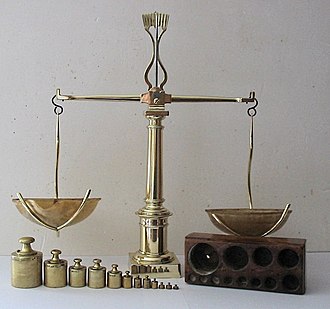
scale

scale
scale
scale /skeɪl/ noun

Multiple unrelated senses: weighing device, size/extent, gradation (1-10 scale), musical scale (do-re-mi), fish scales (skin plates). Origin differs per sense.

  1. a device for weighing

    Step on the scale.

  2. the relative size or extent

    The damage was on a massive scale.

  3. a graduated range of values

    Rate it on a scale of one to ten.

scale /skeɪl/ verb
past: scaled /skeɪld/
pp: scaled /skeɪld/
  1. to climb up something

    They scaled the cliff.

  2. to adjust the size of something

    We need to scale the project down.

#3568

saving [family]

saving /ˈseɪvɪŋ/ noun

Singular = an amount saved ("a saving of $50"). Plural "savings" = money accumulated ("my life savings"). "Savings account": bank product.

  • an amount of money saved or reduced

    The discount represents a saving of 30%.

savings /ˈseɪvɪŋz/ plural noun

"Savings account", "life savings" - common collocations. Distinct from singular "a saving" (an amount reduced).

  • money accumulated by not spending it

    He put his savings in a high-yield account.

#3567

sake

sake
sake
sake /seɪk/ noun

Homograph of the English word "sake" (for the sake of); unrelated etymology.

  • benefit or purpose

    He did it for the sake of the children.

sake /ˈsɑːki/ uncountable noun beverage

Japanese loanword (酒). Brewed from fermented rice, not distilled - often mistranslated as "rice wine".

  • a Japanese alcoholic beverage made by fermenting rice

    They served warm sake with the meal.

#3566

rust

rust /rʌst/ uncountable noun

Iron oxide. Also a color (reddish-brown). "Rust Belt": declining US industrial region. "Rust" is also a popular Mozilla-originated programming language.

  • reddish-brown coating on iron exposed to moisture

    The old car was covered in rust.

#3565

rob [family]

rob /rɑːb/ transitive verb
past: robbed /rɑːbd/
pp: robbed /rɑːbd/

"Rob" focuses on the victim ("They robbed the bank"); "steal" focuses on the object ("They stole money"). Distinct legal meanings.

  • to take something illegally from a person or place, often using force

    They robbed the bank in broad daylight.

robber /ˈrɑːbɚ/ countable noun

"Bank robber", "highway robber". Compare with "burglar" (breaks in), "thief" (takes by stealth), "mugger" (street attack).

  • a person who robs

    The robber wore a mask.

robbery /ˈrɑːbɚi/ countable noun

"Armed robbery": using a weapon. "Highway robbery": historically literal, now figurative for being overcharged.

  • the act of robbing

    There was a bank robbery downtown.

#3564

rid

rid /rɪd/ transitive verb
past: rid /rɪd/ or ridded /ˈrɪdɪd/ (rare variant)
pp: rid /rɪd/ or ridded /ˈrɪdɪd/ (rare variant)

"Get rid of" is by far the most common construction. Past tense is also "rid" (or rarely "ridded"). Note the patterns: "rid X of Y" and the past participle "rid".

  • to free from something unwanted

    They tried to rid the garden of weeds.

#3563

ribbon

ribbon
ribbon
ribbon /ˈrɪbən/ countable noun

Color-coded ribbons signal causes: pink (breast cancer), red (AIDS), yellow (support troops). "Cut the ribbon": ceremonial opening.

  • a long narrow strip of fabric used for decoration

    She tied her hair with a blue ribbon.

#3562

reserve [family]

reserve /rɪˈzɝv/ transitive verb
past: reserved /rɪˈzɝvd/
pp: reserved /rɪˈzɝvd/

"Reserve the right to...": formal legal phrase. "Reserved seating": assigned seats.

  • to keep or save for later

    Please reserve a table for two.

reserve /rɪˈzɝv/ countable noun

"Nature reserve": protected wildlife area. "Foreign exchange reserves": national currency holdings. "In reserve" = held back for future use.

  • a supply kept for use when needed

    They keep cash reserves for emergencies.

reservation /ˌrezɚˈveɪʃən/ countable noun

Three senses: arrangement ("hotel reservation"), doubt ("I have reservations about this"), and land set aside (e.g., "Indian reservation" in US).

  1. an arrangement to have something kept for one's use

    I have a reservation for 7 p.m.

  2. a feeling of doubt

    She had reservations about the plan.

reserved /rɪˈzɝvd/ adjective
  • slow to reveal emotion or opinions; kept specially for a particular purpose or person

    He is a reserved, almost taciturn man.

reservist /rɪˈzɝvɪst/ countable noun
  • a member of the military reserve forces

    The reservist was called up for training.

#3561

request

request /rɪˈkwest/ countable noun

More formal than "ask". "On request": when asked. "By request": because someone asked.

  • a formal or polite act of asking for something

    They made a request for more funding.

request /rɪˈkwest/ transitive verb
past: requested /rɪˈkwestɪd/
pp: requested /rɪˈkwestɪd/
  • to politely or formally ask for

    He requested permission to leave.

#3560

represent [family]

represent /ˌreprɪˈzent/ transitive verb
past: represented /ˌreprɪˈzentɪd/
pp: represented /ˌreprɪˈzentɪd/

"Represent" a client (law), a country (diplomacy/sport), or an idea (symbolism).

  • to act or speak officially on behalf of someone

    The lawyer represented her client in court.

representative /ˌreprɪˈzentətɪv/ countable noun

"House of Representatives" : lower chamber of US Congress. "Sales rep" : common abbreviation. Customer service "rep".

  • a person chosen to act or speak for others

    She is our representative in Congress.

representative /ˌreprɪˈzentətɪv/ adjective
  • typical of a group or class

    This case is representative of a larger trend.

representation /ˌreprəzənˈteɪʃən/ noun

"No taxation without representation" : American Revolution slogan. "Representation matters" : modern phrase about diverse media casting.

  • the action of speaking or acting for someone

    They demanded political representation.

representational /ˌreprɪzenˈteɪʃənl/ adjective
  1. (of art) showing recognizable people, objects, or scenes; not abstract

    He prefers representational paintings to abstract ones.

  2. acting or speaking on behalf of others

    The committee has a representational structure that includes members from each region.

#3559

remote

remote /rɪˈmoʊt/ adjective

"Remote work" became mainstream post-2020. "Remote possibility" = unlikely. "Remote control": common household device.

  1. far away in space or time

    They live in a remote village.

  2. slight or unlikely

    There's a remote chance of rain.

remote /rɪˈmoʊt/ countable noun
  • a remote control device

    Pass me the remote.

#3558

remain [family]

remain /rɪˈmeɪn/ intransitive verb
past: remained /rɪˈmeɪnd/
pp: remained /rɪˈmeɪnd/

More formal than "stay". "It remains to be seen" = the answer isn't clear yet. "Remains" (plural) often means a corpse or ruins.

  • to continue to exist; to stay

    Few buildings remain from that era.

remains /rɪˈmeɪnz/ plural noun

Two senses: what is left of something (ruins, leftovers) or a dead body (formal/legal).

  • the parts of something left over after the rest has gone

    Archaeologists found the remains of an ancient city.

#3557

relax

relax /rɪˈlæks/ verb
past: relaxed /rɪˈlækst/
pp: relaxed /rɪˈlækst/

From Latin "re-" + "laxare" (loosen). Same root as "lax". Both physical (muscles) and mental (calm down) senses.

  1. to become less tense; to rest

    Sit down and relax.

  2. to make rules or conditions less strict

    They relaxed the dress code.

#3556

regret [family]

regret /rɪˈɡret/ verb
past: regretted /rɪˈɡretɪd/
pp: regretted /rɪˈɡretɪd/

"I regret to inform you...": formal letter opening for bad news. "No regrets": common motto.

  • to feel sorry about something

    He regrets quitting his job.

regret /rɪˈɡret/ noun
  • a feeling of sadness about something one wishes had been different

    She has no regrets.

regretful /rɪˈɡretfəl/ adjective
  • feeling or expressing regret

    He gave a regretful smile.

regrettable /rɪˈɡretəbəl/ adjective

"It is regrettable that..." - formal way to express disappointment.

  • causing or deserving regret

    The incident was a regrettable misunderstanding.

#3555

reduce [family]

reduce /rɪˈduːs/ transitive verb
past: reduced /rɪˈduːst/
pp: reduced /rɪˈduːst/

From Latin "reducere" (lead back). "Reduce, reuse, recycle": environmental slogan. In cooking: simmer to thicken. In math: simplify.

  • to make smaller in size or amount

    They reduced the price by half.

irreducible /ˌɪrɪˈduːsəbl/ adjective
  • not able to be reduced or simplified

    An irreducible minimum.

reduction /rɪˈdʌkʃən/ countable noun
  • the action of making something smaller or less

    The store offered a 20% reduction on all items.

#3554

rectangle

rectangle /ˈrektæŋɡəl/ countable noun

From Latin "rectus" (right) + "angulus" (corner). A four-sided shape with four right angles. Square is a special case.

  • a four-sided shape with four right angles

    Draw a rectangle on the page.

#3553

recognize [family]

recognize /ˈrekəɡnaɪz/ transitive verb
past: recognized /ˈrekəɡnaɪzd/
pp: recognized /ˈrekəɡnaɪzd/

British spelling: recognise. From Latin "re-" (again) + "cognoscere" (to know). Three senses: identify someone known, acknowledge (a fact), and grant formal status.

  1. to identify someone or something one has seen before

    I didn't recognize her with short hair.

  2. to acknowledge the existence or validity of something

    The treaty recognizes their independence.

recognise /ˈrekəɡnaɪz/ transitive verb
past: recognised /ˈrekəɡnaɪzd/
pp: recognised /ˈrekəɡnaɪzd/

British spelling. American: recognize.

  • to identify someone or something one has seen before

    I didn't recognise her with short hair.

recognition /ˌrekəɡˈnɪʃən/ uncountable noun

"In recognition of" - formal phrase for honoring achievement.

  • the action of recognizing or acknowledging something

    She received an award in recognition of her service.

#3552

receive [family]

receive /rɪˈsiːv/ transitive verb
past: received /rɪˈsiːvd/
pp: received /rɪˈsiːvd/

"Receive" follows the "i before e except after c" spelling rule.

  • to be given, presented with, or paid something

    She received a package in the mail.

receiver /rɪˈsiːvɚ/ countable noun

In American football: the player who catches passes. In phones: the part you hold to your ear. Legal: court-appointed manager of bankrupt assets.

  • a device or person that receives something

    She picked up the receiver and dialed.

reception /rɪˈsepʃən/ noun

"Wedding reception": party after the ceremony. "Reception": signal strength (phone/TV). "Reception": hotel front desk.

  1. the action of receiving someone or something

    The film received a warm reception.

  2. the area in a hotel where guests check in

    Please leave your key at reception.

receptionist /rɪˈsepʃənɪst/ countable noun

Often the first person visitors meet. Modern: "virtual receptionists" handled by AI.

  • a person who greets visitors at a business

    The receptionist gave her a visitor badge.

reception centre /rɪˈsepʃən ˌsentɚ/ countable noun

British spelling "centre". Often used for processing arrivals: refugees, hospital patients, conference attendees.

  • a place where new arrivals are received and processed

    Refugees were taken to the reception centre.

reception room /rɪˈsepʃən ruːm/ countable noun

British term: describes living rooms, dining rooms, etc. on real estate listings ("3-bed, 2-reception").

  • a room used for entertaining guests

    The house has two reception rooms.

receivable /rɪˈsiːvəbəl/ adjective

"Accounts receivable" = a key term in accounting for money owed to a company.

  • (of a sum of money) able or due to be received

    The company has $2 million in receivable invoices.

receptive /rɪˈseptɪv/ adjective
  • willing to listen to or accept ideas

    The audience was receptive to the proposal.

#3551

blade

blade
blade
blade /bleɪd/ countable noun

"Blade Runner": Ridley Scott's 1982 film. "Razor blade", "saw blade", "helicopter blade", "blade of grass".

  • the flat cutting part of a knife or tool

    The knife had a sharp blade.

#3550

ray

ray /reɪ/ countable noun

"Ray of hope", "ray of sunshine": figurative for positive sign. "X-ray", "gamma ray", "laser ray": types. Also a flat fish (stingray).

  • a narrow beam of light or energy

    A ray of sunlight came through the window.

#3549

rank [family]

rank /ræŋk/ countable noun

Military: hierarchy of officers. "The rank and file" = ordinary members. "Pull rank" = use position to override.

  • a position in a hierarchy

    He rose to the rank of captain.

rank /ræŋk/ verb
past: ranked /ræŋkt/
pp: ranked /ræŋkt/
  • to have or assign a position in a hierarchy

    The university ranks among the top ten.

ranking /ˈræŋkɪŋ/ countable noun

"World rankings": sports/tennis/golf player standings. "Search engine ranking": SEO position.

  • a position on a scale

    Her ranking dropped to fifth.

#3548

purse

purse /pɝs/ countable noun

US "purse" = UK "handbag". UK "purse" = US "wallet" (for coins/cash). Confusing for travelers! "Hold the purse strings": control money.

  • a small bag for money or, in the US, a handbag

    She rummaged through her purse for her keys.

#3547

pump

pump /pʌmp/ countable noun

"Gas pump", "water pump", "bike pump", "insulin pump". "Pumps" (plural): style of women's high-heeled shoes.

  • a device that moves liquids or gases

    The pump quickly filled the tire.

pump /pʌmp/ verb
past: pumped /pʌmpt/
pp: pumped /pʌmpt/

"Pump iron" = lift weights. "Pump up": inflate, or get excited. "Pump and dump": stock fraud.

  • to move (liquid or gas) using a pump

    The heart pumps blood through the body.

#3546

property [family]

property /ˈprɑːpɚti/ noun

"Real property" / "real estate": land and buildings. "Intellectual property": patents, copyrights. In coding: an attribute of an object.

  1. something that one owns

    This bag is my property.

  2. a quality or characteristic of something

    This metal has unique properties.

proprietary /prəˈpraɪəteri/ adjective
  • relating to an owner or ownership; (of a product) marketed under and protected by a registered trade name

    Proprietary software.

#3545

profit [family]

profit /ˈprɑːfət/ noun

Antonym: loss. "Profit margin": percentage. "Non-profit": charity-type organization. "Profit and loss statement" (P&L): financial report.

  • financial gain

    The company made a $5 million profit.

profit /ˈprɑːfət/ verb
past: profited /ˈprɑːfətɪd/
pp: profited /ˈprɑːfətɪd/
  • to gain or benefit

    He profited from the deal.

profitable /ˈprɑːfətəbəl/ adjective

"Profitable" can also mean useful/beneficial, not just financial: "a profitable discussion".

  • yielding profit or financial gain

    It was a profitable business.

#3544

professor [family]

professor /prəˈfesɚ/ countable noun

In US: highest faculty rank (Assistant to Associate to Full Professor). In UK: only the most senior rank. "Prof": common short form. "Absent-minded professor": stereotype.

  • a senior university teacher

    She's a chemistry professor at MIT.

professorial /ˌproʊfəˈsɔːriəl/ adjective
  • characteristic of a professor

    He spoke in a professorial tone.

professorship /prəˈfesɚʃɪp/ countable noun
  • the position of a professor

    He was offered a professorship at Oxford.

#3543

probable [family]

probable /ˈprɑːbəbəl/ adjective

From Latin "probare" (to prove). Legal: "probable cause", standard for arrest/search. Stronger than "possible", weaker than "certain".

  • likely to happen or be true

    It's probable that they'll arrive late.

probability /ˌprɑːbəˈbɪləti/ uncountable noun

"In all probability" - very likely. Math/statistics: measured 0 to 1.

  • the extent to which something is likely to happen

    There is a high probability of rain today.

probably /ˈprɑːbəbli/ adverb
  • almost certainly

    She'll probably be late.

#3542

pretend [family]

pretend /prɪˈtend/ verb
past: pretended /prɪˈtendɪd/
pp: pretended /prɪˈtendɪd/

Children's "pretend play" or "make-believe". "Pretender to the throne": claimant. "Don't pretend you didn't know."

  • to behave so as to make others believe something untrue

    He pretended to be asleep.

pretense /ˈpriːtens/ uncountable noun

British spelling: pretence. "Under false pretenses" - common legal/everyday phrase.

  • an attempt to make something false appear true

    He gained entry under false pretenses.

#3541

prepare [family]

prepare /prɪˈper/ verb
past: prepared /prɪˈperd/
pp: prepared /prɪˈperd/

"Prepare for the worst" - common phrase. "Be prepared" - Scout motto.

  • to make ready for something

    She prepared dinner for the guests.

preparation /ˌprepəˈreɪʃən/ noun

"In preparation for": common phrase before events. "By way of preparation" = as a preliminary. Cooking: "meal prep" is an abbreviation.

  • the act or process of getting ready

    Preparation for the exam took weeks.

preparatory /prɪˈpærətɔːri/ adjective
  • done as preparation for something

    The team held a preparatory meeting.

preparatory school /prɪˌpærətɔːri ˈskuːl/ countable noun
  • a private school that prepares students for later education

    He attended a preparatory school in Boston.

prepared /prɪˈperd/ adjective
  • ready for something

    She came prepared for difficult questions.

preparedness /prɪˈperdnəs/ uncountable noun
  • the state of being ready

    The drill improved emergency preparedness.

#3540

powder

powder /ˈpaʊdɚ/ noun

"Gunpowder", "baby powder", "baking powder", "face powder". "Powder room": euphemism for bathroom. "Take a powder": old slang for leave abruptly.

  • fine dry particles

    Mix the powder with water.

#3539

poor [family]

poor /pʊr/ adjective

"Poor thing" - expression of sympathy. "Dirt poor" - extremely poor. Antonym: rich, wealthy.

  • having very little money or few possessions

    They grew up poor.

poverty /ˈpɑːvɚti/ uncountable noun

From Old French "poverte". "Vow of poverty": religious renunciation of wealth. "Poverty of imagination": figurative lack.

  • the state of being extremely poor

    Millions live in poverty.

poverty line /ˈpɑːvɚti laɪn/ countable noun

Official threshold; in the US set annually by Census Bureau. Varies by family size. Sometimes called "poverty threshold" or "poverty level".

  • the official minimum income needed for basic needs

    Many families live below the poverty line.

impoverish /ɪmˈpɑːvərɪʃ/ transitive verb
past: impoverished /ɪmˈpɑːvərɪʃt/
pp: impoverished /ɪmˈpɑːvərɪʃt/

Often passive or figurative: "impoverished by the divorce", "culturally impoverished". Causal of poverty.

  • to make poor

    The war impoverished the country.

impoverishment /ɪmˈpɑːvɚɪʃmənt/ uncountable noun

Stronger and more formal than "poverty": emphasizes the process of becoming poor, not just the state.

  • the state or process of being made poor

    The policy led to widespread impoverishment.

#3538

postpone [family]

postpone /poʊstˈpoʊn/ transitive verb
past: postponed /poʊstˈpoʊnd/
pp: postponed /poʊstˈpoʊnd/

From Latin "post" (after) + "ponere" (place). Synonyms: delay, defer, put off (more casual).

  • to move to a later time

    The game was postponed due to rain.

postponement /poʊstˈpoʊnmənt/ noun
  • the act of delaying something

    The postponement disappointed fans.

#3537

flight

flight /flaɪt/ noun

Two distinct sources: "flight" from flying (Old English flyht) and "flight" from fleeing (Old English flyht, same word, but Germanic root meaning escape). "Fight or flight" response.

  1. the act of flying or a journey by air

    The flight to Tokyo takes 12 hours.

  2. a set of stairs between floors

    She climbed two flights of stairs.

#3536

curtain [family]

curtain
curtain
curtain /ˈkɝtən/ countable noun

"Iron Curtain": Cold War political division. "Curtain call": theatrical bow. "Behind the curtain": figurative for hidden activity.

  • a piece of cloth hung to cover a window

    She drew the curtains at dusk.

curtained /ˈkɝtənd/ adjective
  • having curtains, or covered with curtains

    The room was dim and curtained.

#3535

turret

turret /ˈtɝət/ countable noun

Castle towers are turrets. Also the rotating gun mount on a tank or warship. Diminutive of "tower".

  • a small tower on a building or vehicle

    The castle had four corner turrets.

#3534

atop

atop /əˈtɑːp/ preposition

More literary/elevated than "on top of". Common in journalism: "atop the leaderboard", "atop a mountain".

  • on top of

    A cherry sat atop the cake.

#3533

bob

bob /bɑːb/ verb
past: bobbed /bɑːbd/
pp: bobbed /bɑːbd/

"Bob and weave": boxing footwork. "Bobbing for apples": Halloween game. "Bobbed hair": short flapper-era haircut.

  • to move quickly up and down

    The boat bobbed on the waves.

bob /bɑːb/ countable noun
  • a short haircut

    She got a bob last week.

#3532

lurch

lurch /lɝtʃ/ verb
past: lurched /lɝtʃt/
pp: lurched /lɝtʃt/

"Leave someone in the lurch": abandon them in difficulty. Suggests sudden, unsteady motion as if drunk or off-balance.

  • to make a sudden unsteady movement

    The bus lurched forward.

#3531

stymie

stymie /ˈstaɪmi/ transitive verb
past: stymied /ˈstaɪmid/
pp: stymied /ˈstaɪmid/

Originally a golf term: a ball blocking another's path. Now general English. Informal but acceptable in journalism.

  • to prevent or hinder the progress of

    His efforts were stymied by bureaucracy.

#3530

nascent

nascent /ˈnæsənt/ adjective

From Latin "nasci" (to be born). Same root as "native", "renaissance". Formal: common in business/tech writing about new industries.

  • just beginning to exist and developing

    The nascent industry needs more investment.

#3529

protract [family]

protract /proʊˈtrækt/ transitive verb
past: protracted /proʊˈtræktɪd/
pp: protracted /proʊˈtræktɪd/
  • to prolong or extend beyond the usual or desired time

    Lawyers protracted the trial for months.

protractor /proʊˈtræktɚ/ countable noun

From Latin "protrahere" (draw forth). Standard classroom tool: semicircular, marked 0-180 degrees.

  • an instrument for measuring angles

    She used a protractor to draw a 60-degree angle.

protracted /proʊˈtræktɪd/ adjective

Formal: implies undesirably prolonged. "Protracted negotiations", "protracted illness" are common collocations.

  • lasting for a long time, especially longer than expected

    They had a protracted legal battle.

#3528

thaw

thaw /θɔː/ verb
past: thawed /θɔːd/
pp: thawed /θɔːd/

Both literal (frozen food, ice) and figurative (relations between countries). "Cold War thaw": historical period of reduced tension.

  • to become liquid or soft after being frozen

    Let the chicken thaw overnight.

#3527

sniffy

sniffy /ˈsnɪfi/ adjective

From the act of sniffing in disdain. Mostly British. Synonyms: snooty, supercilious, scornful.

  • showing contempt or disdain

    She was sniffy about the cheap wine.

#3526

scowl

scowl /skaʊl/ verb
past: scowled /skaʊld/
pp: scowled /skaʊld/

Stronger than "frown": implies hostility or sullen anger. "Scowl at": direct the expression at someone.

  • to make an angry or bad-tempered facial expression

    He scowled at the interruption.

scowl /skaʊl/ countable noun
  • an angry or bad-tempered facial expression

    She wore a deep scowl.

#3525

bewitch

bewitch /bɪˈwɪtʃ/ transitive verb
past: bewitched /bɪˈwɪtʃt/
pp: bewitched /bɪˈwɪtʃt/

"Be-" prefix here intensifies the action of the witch. Now mostly figurative: to charm or fascinate. Past tense: bewitched.

  • to cast a spell on, or to enchant

    He was bewitched by her smile.

#3524

knockout

knockout /ˈnɑːkaʊt/ countable noun

Boxing/MMA: "KO" abbreviation. Tournament format: "knockout round" = single-elimination. Informal: "she's a knockout" = stunningly attractive.

  1. a blow that knocks an opponent unconscious

    He won the fight by knockout.

  2. an extremely impressive person or thing

    That dress is a knockout.

#3523

minor [family]

minor /ˈmaɪnɚ/ adjective

Antonym: major. Music: minor key sounds sad; major sounds happy. Legal: a minor = a person under legal adult age (usually under 18).

  • of less importance or seriousness

    It's only a minor problem.

minor /ˈmaɪnɚ/ countable noun
  • a person under the legal age of adulthood

    It is illegal to sell alcohol to minors.

minority /məˈnɔːrəti/ countable noun

"Minority group", "minority rights" - common in social/political contexts. Antonym: majority.

  • a smaller part or number, especially of a group

    Only a minority of voters supported the measure.

#3522

sneer

sneer /snɪr/ verb
past: sneered /snɪrd/
pp: sneered /snɪrd/

A facial expression of scornful contempt: usually with the upper lip raised. "Sneer at" + something/someone.

  • to smile or speak in a way that shows contempt

    He sneered at the idea.

sneer /snɪr/ countable noun
  • a contemptuous smile or remark

    There was a sneer on his face.

#3521

riff-raff

riff-raff /ˈrɪfræf/ uncountable noun

From Old French "rif et raf" (one and all). Pejorative, classist. Always plural-meaning even though singular noun.

  • disreputable or low-class people

    The exclusive club kept the riff-raff out.

#3520

tinge

tinge /tɪndʒ/ countable noun

Suggests just a hint. Often used metaphorically: "a tinge of sadness", "a tinge of jealousy".

  • a slight trace of a color or feeling

    There was a tinge of pink in the sky.

#3519

snigger

snigger /ˈsnɪɡɚ/ intransitive verb
past: sniggered /ˈsnɪɡɚd/
pp: sniggered /ˈsnɪɡɚd/

Implies suppressed, often unkind, laughter. "Snicker" is the more common American variant: same meaning. "Snigger" sounds dated but common in British texts.

  • to laugh in a suppressed, half-secret way

    The students sniggered at his accent.

#3518

thickset

thickset /ˌθɪkˈset/ adjective

More polite than "fat" or "stocky". Often describes men of solid stature. Compare "stocky" (similar), "burly" (broader), "portly" (chubby).

  • having a heavy, compact body

    The thickset bouncer guarded the door.

#3517

dumbfound [family]

dumbfound /dʌmˈfaʊnd/ transitive verb
past: dumbfounded /dʌmˈfaʊndɪd/
pp: dumbfounded /dʌmˈfaʊndɪd/

From "dumb" (speechless) + "confound" (confuse). Rarely used as a base verb; mostly seen as past participle "dumbfounded".

  • to astonish into speechlessness

    The news dumbfounded everyone.

dumbfounded /dʌmˈfaʊndɪd/ adjective
  • so astonished that one cannot speak

    She stood dumbfounded at the door.

#3516

prickle

prickle /ˈprɪkəl/ verb
past: prickled /ˈprɪkəld/
pp: prickled /ˈprɪkəld/

Lighter than "sting" or "prick". Plants (thorns, brambles) and physical sensation (skin tingle). "Prickles" can also be the noun for thorns.

  • to cause a tingling or stinging sensation

    Her skin prickled with fear.

#3515

flop [family]

flop /flɑːp/ verb
past: flopped /flɑːpt/
pp: flopped /flɑːpt/

Onomatopoeic. "Flop sweat": anxious sweat during failing performance. "Belly flop": bad dive. "Flip-flop": sandal or sudden change of opinion.

  1. to fall or sit down heavily and limply

    He flopped onto the sofa.

  2. to fail completely

    The movie flopped at the box office.

floppy /ˈflɑːpi/ adjective
  • tending to flop or hang loosely

    A floppy hat.

#3514

daze [family]

daze /deɪz/ transitive verb
past: dazed /deɪzd/
pp: dazed /deɪzd/

From Old Norse "dasask" (to become weary). Suggests temporary confusion from shock: physical or emotional.

  • to stun or confuse

    The blow dazed him.

dazed /deɪzd/ adjective

"In a daze" (noun usage) = in a state of confusion.

  • unable to think clearly because of shock

    She looked dazed after the accident.

daze /deɪz/ uncountable noun

Almost always in the phrase "in a daze".

  • a state of stunned confusion

    She walked around in a daze after the news.

#3513

heart [family]

heart
heart
heart /hɑːrt/ countable noun body
  • the organ that pumps blood

    His heart was beating fast.

heart /hɑːrt/ countable noun

Vast metaphorical range: emotion ("heartbroken"), courage ("take heart"), essence ("heart of the matter"), love ("sweetheart"). One of the playing card suits.

  1. the center of emotion or character

    She has a kind heart.

  2. the central or most important part

    This is the heart of the issue.

heart attack /ˈhɑːrt ətæk/ countable noun
  • a sudden and sometimes fatal occurrence of coronary thrombosis, typically resulting in the death of part of a heart muscle

    He suffered a heart attack.

disheartened /dɪsˈhɑːrtnd/ adjective
  • having lost determination or confidence; dispirited

    The farmer was disheartened by the damage to his crops.

disheartening /dɪsˈhɑːrtnɪŋ/ adjective
  • causing someone to lose determination or confidence; discouraging

    A disheartening setback.

dishearten /dɪsˈhɑːrtən/ transitive verb
past: disheartened /dɪsˈhɑːrtənd/
pp: disheartened /dɪsˈhɑːrtənd/
  • to cause someone to lose determination or confidence

    The setback disheartened the whole team.

#3512

aback

aback /əˈbæk/ adverb

Almost exclusively used in the phrase "taken aback": surprised or startled. Originally a sailing term: wind suddenly hitting the front of sails.

  • by surprise (in "taken aback")

    I was taken aback by his rudeness.

#3511

boss [family]

boss /bɔːs/ countable noun

"Boss's day" - informal US workplace observance. "Like a boss" - slang for doing something confidently well.

  • a person who is in charge of a worker or organization

    She asked her boss for a day off.

boss /bɔːs/ transitive verb
past: bossed /bɔːst/
pp: bossed /bɔːst/

"Boss around" - order someone about in an unwelcome way.

  • to give orders to in a domineering manner

    Stop bossing me around.

bossy /ˈbɔːsi/ adjective

Pejorative. Often noted as a sexist term: applied more frequently to assertive women than men. "Ban Bossy": campaign by Sheryl Sandberg.

  • fond of giving people orders

    His sister is so bossy.

#3510

glint

glint /ɡlɪnt/ verb
past: glinted /ˈɡlɪntɪd/
pp: glinted /ˈɡlɪntɪd/

Brief, sharp light. Compare "glimmer" (faint), "glitter" (sparkly), "gleam" (steady). "A glint in his eye": figurative for mischief or interest.

  • to give a small flash of light

    The knife glinted in the sun.

#3509

bother

bother /ˈbɑːðɚ/ verb
past: bothered /ˈbɑːðɚd/
pp: bothered /ˈbɑːðɚd/

"Don't bother": common dismissive phrase. British: "Bother!" as a mild exclamation of annoyance. Pooh Bear's catchphrase: "Oh bother."

  1. to annoy or trouble

    Don't bother him while he's working.

  2. to take the trouble to do something

    He didn't bother to call back.

#3508

wail

wail /weɪl/ verb
past: wailed /weɪld/
pp: wailed /weɪld/

Onomatopoeic. Suggests prolonged, high-pitched lament. "Wailing Wall": Jerusalem's Western Wall, traditional place of Jewish prayer.

  • to give a long high-pitched cry of grief or pain

    The baby began to wail.

#3507

booger / bogey [group]

booger /ˈbʊɡɚ/ countable noun

American English. UK equivalent: bogey. Mostly used by/with children.

  • a piece of dried nasal mucus

    He picked a booger out of his nose.

bogey /ˈboʊɡi/ countable noun

British equivalent of US "booger". Also used in golf: one stroke over par.

  • (British) a piece of dried nasal mucus; (golf) one stroke over par

    He shot a bogey on the 14th hole.

bogy /ˈboʊɡi/ countable noun

Alternate spelling of "bogey". Both forms are valid; "bogey" is more common today.

  • variant spelling of bogey

    He blew his nose to clear the bogy.

bogeyman /ˈboʊɡimæn/ countable noun

Used figuratively in politics: "the bogeyman of inflation" = exaggerated threat used to scare people.

  • an imaginary evil creature used to frighten children

    The bogeyman is hiding under the bed.

#3506

tripe

tripe
tripe
tripe /traɪp/ uncountable noun

Eaten in many cuisines: menudo (Mexican), pho (Vietnamese), Chinese hot pot. Also slang for nonsense: "What a load of tripe!"

  • the stomach lining of a cow or sheep used as food

    Tripe is popular in many cuisines.

#3505

peppermint

peppermint
peppermint
peppermint /ˈpepɚmɪnt/ noun

Hybrid of watermint and spearmint. Active compound: menthol. Common in candy canes, toothpaste, gum.

  • a type of mint with a strong cool flavor

    She sucked on a peppermint candy.

#3504

sidle

sidle /ˈsaɪdəl/ intransitive verb
past: sidled /ˈsaɪdəld/
pp: sidled /ˈsaɪdəld/

Suggests stealth or unease: sideways approach to avoid notice. "Sidle up to": common construction.

  • to move sideways in a furtive or unobtrusive way

    He sidled up to the bar.

#3503

ten-pin bowling

ten-pin bowling /ˌten pɪn ˈboʊlɪŋ/ uncountable noun

Standard American bowling format. Contrast with five-pin (Canadian) and lawn bowls (UK outdoor game). A "strike" = all ten pins down in one ball; "spare" = down in two.

  • a bowling game with ten pins arranged in a triangle

    They played a few rounds of ten-pin bowling.

#3502

corn [family]

corn
corn
corn /kɔːrn/ uncountable noun vegetable

In US: maize. In UK: any grain (wheat, barley, etc.), the US "corn" is called "maize" in UK. "Corny" = cheesy/cliché.

  • (US) maize; (UK) any cereal crop

    They grow corn in Iowa.

corned beef /kɔːrnd biːf/ uncountable noun

"Corn" here is the old sense of "grain": referring to large grains of salt used in curing. Irish-American comfort food, especially on St. Patrick's Day.

  • beef preserved in salt

    He made a corned beef sandwich.

#3501

pasty

pasty /ˈpeɪsti/ adjective

Pronounced /ˈpeɪsti/ when adjective (paste-y, like dough). Note: the British meat pie "pasty" is /ˈpæsti/, different word, different pronunciation.

  • unhealthily pale

    He looked pasty after his illness.