Vocabulary: Batch 27

#2601 to #2700 (100 entries)

#2700

somewhat

somewhat /ˈsʌmwʌt/ adverb
  • to a moderate degree; rather

    The instructions were somewhat confusing.

#2699

turn-on

turn-on /ˈtɝn ɑːn/ countable noun

Informal, often about attraction.

  • something that makes someone excited or attracted

    Confidence is a turn-on for many people.

#2698

phenomenon [family]

phenomenon /fəˈnɑːmənɑːn/ countable noun

Singular: phenomenon. Plural: phenomena.

  • a fact or event that can be observed, often unusual

    Northern lights are a natural phenomenon.

phenomena /fəˈnɑːmənə/ plural noun
  • plural of phenomenon

    The course studies social phenomena.

phenomenal /fəˈnɑːmənəl/ adjective
  • extremely good or impressive

    The team's growth was phenomenal.

#2697

tall

tall /tɔːl/ adjective
  • greater than average in height

    The tall building blocks the afternoon sun.

#2696

apostle [family]

apostle /əˈpɑːsəl/ countable noun

Often capitalized for one of Jesus's twelve Apostles.

  1. an early Christian teacher or missionary

    Paul is called an apostle in the New Testament.

  2. a strong supporter of an idea or cause

    She became an apostle of open-source software.

Apostolic /ˌæpəˈstɑːlɪk/ adjective
  • relating to the apostles or their teaching

    The church claims an Apostolic tradition.

#2695

Protestant [family]

Protestant /ˈprɑːtəstənt/ adjective
  • relating to Christian churches that separated from Rome

    The town has both Catholic and Protestant churches.

Protestant /ˈprɑːtəstənt/ countable noun
  • a member of a Protestant Christian church

    Her grandparents were Protestants from Scotland.

Protestantism /ˈprɑːtəstəntɪzəm/ uncountable noun
  • the Protestant branch of Christianity

    Protestantism spread widely after the Reformation.

#2694

Catholic [family]

Catholic /ˈkæθəlɪk/ adjective

Capitalized when referring to the Catholic Church.

  • relating to the Roman Catholic Church

    She attended a Catholic school.

Catholic /ˈkæθəlɪk/ countable noun
  • a member of the Roman Catholic Church

    Many Catholics observe Lent.

Catholicism /kəˈθɑːlɪsɪzəm/ uncountable noun
  • the beliefs and practices of the Roman Catholic Church

    The book explains the history of Catholicism in Europe.

#2693

orthodontist [family]

orthodontist /ˌɔːrθəˈdɑːntɪst/ countable noun
  • a dentist who straightens teeth and corrects jaw alignment

    Her orthodontist recommended braces.

orthodontics /ˌɔːrθəˈdɑːntɪks/ uncountable noun
  • the branch of dentistry dealing with the correction of teeth and jaw alignment

    She specializes in orthodontics.

#2692

recount

recount /rɪˈkaʊnt/ transitive verb
past: recounted /rɪˈkaʊntɪd/
pp: recounted /rɪˈkaʊntɪd/

When it means tell a story, stress the second syllable.

  • to tell someone about events in detail

    She recounted the trip in her diary.

recount /ˈriːkaʊnt/ countable noun

Election word: a second count of votes.

  • a second count, especially of votes

    The close election required a recount.

#2691

limestone

limestone
limestone
limestone /ˈlaɪmˌstoʊn/ uncountable noun
  • a pale sedimentary rock made mostly of calcium carbonate

    The old church was built from limestone.

#2690

nuisance

nuisance /ˈnuːsəns/ countable noun
  • a person, thing, or situation that annoys or causes trouble

    The broken elevator is a real nuisance.

#2689

belated

belated /bɪˈleɪtɪd/ adjective
  • coming or happening later than it should

    Please accept my belated birthday wishes.

#2688

curtain call

curtain call /ˈkɝtən kɔːl/ countable noun
  • the moment when performers return to receive applause

    The audience stood up during the curtain call.

#2687

curtail [family]

curtail /kɚˈteɪl/ transitive verb
past: curtailed /kɚˈteɪld/
pp: curtailed /kɚˈteɪld/
  • to reduce or limit something

    The school curtailed outdoor activities during the storm.

curtailment /kɚˈteɪlmənt/ uncountable noun
  • the act of reducing or limiting something

    The curtailment of services angered residents.

#2686

brisket

brisket
brisket
brisket /ˈbrɪskɪt/ uncountable noun food
  • a cut of beef from the lower chest

    The restaurant smokes brisket for twelve hours.

#2685

Slav [family]

Slav /slɑːv/ countable noun
  • a member of a Slavic-speaking people

    Poles, Czechs, and Serbs are Slavs.

Slavic /ˈslɑːvɪk/ adjective
  • relating to Slavs or Slavic languages

    Russian is a Slavic language.

#2684

excuse [family]

excuse /ɪkˈskjuːz/ transitive verb
past: excused /ɪkˈskjuːzd/
pp: excused /ɪkˈskjuːzd/

Verb stress is second syllable. Noun "excuse" is usually /ˈekskjuːs/ with first-syllable stress.

  • to forgive or justify a fault, mistake, or absence

    The teacher excused his late arrival.

excuse /ˈekskjuːs/ countable noun

Noun stress is first syllable, unlike the verb.

  • a reason given to justify a fault or absence

    He gave a weak excuse for being late.

excusable /ɪkˈskjuːzəbəl/ adjective
  • able to be forgiven or justified

    A small delay is excusable in this weather.

inexcusable /ˌɪnɪkˈskjuːzəbəl/ adjective
  • too bad to be justified or forgiven

    Leaving the patient alone was inexcusable.

#2683

conflagration

conflagration /ˌkɑːnfləˈɡreɪʃən/ countable noun

Formal word for a huge destructive fire.

  • a very large and destructive fire

    The warehouse was destroyed in a conflagration.

#2682

double-header

double-header /ˌdʌbəlˈhedɚ/ countable noun

Most common in sports broadcasting.

  • two games or events held one after another

    The teams played a double-header on Saturday.

#2681

takeover

takeover /ˈteɪkˌoʊvɚ/ countable noun
  • the act of taking control of a company, place, or process

    The takeover was announced on Monday.

#2680

hyperthermia

hyperthermia /ˌhaɪpɚˈθɝmiə/ uncountable noun

Opposite of hypothermia. Hyper- means too high; hypo- means too low.

  • dangerously high body temperature

    Long exposure to heat can cause hyperthermia.

#2679

preclude

preclude /prɪˈkluːd/ transitive verb
past: precluded /prɪˈkluːdɪd/
pp: precluded /prɪˈkluːdɪd/

Formal. Often used as preclude someone from doing something.

  • to prevent something from happening or make it impossible

    The contract precludes outside consulting.

#2678

blacken

blacken /ˈblækən/ transitive verb
past: blackened /ˈblækənd/
pp: blackened /ˈblækənd/
  1. to make something black or dark

    Smoke blackened the ceiling.

  2. to damage someone's reputation

    The accusation blackened his name.

#2677

urn

urn
urn
urn /ɝn/ countable noun
  • a decorative container, often for ashes after cremation

    The urn was placed on a small table.

#2676

overture

overture /ˈoʊvɚtʃɚ/ countable noun
  1. an orchestral introduction to an opera or musical work

    The overture began quietly.

  2. an opening offer or approach

    The company made peace overtures to the union.

#2675

gelatine [family]

gelatine /ˈdʒelətɪn/ uncountable noun

British spelling of gelatin.

  • a clear substance used to make food set into a jelly

    The recipe uses gelatine to thicken the dessert.

gelatinous /dʒəˈlætənəs/ adjective
  • thick, soft, and jellylike

    The soup cooled into a gelatinous mass.

gelatin /ˈdʒelətɪn/ uncountable noun

American spelling of gelatine.

  • a clear substance used to make food set into a jelly

    The marshmallows are made with gelatin.

#2674

car pool

car pool /ˈkɑːr puːl/ countable noun

Closed spelling carpool is also common.

  • an arrangement in which people share rides in one car

    We joined a car pool to save gas.

car pool /ˈkɑːr puːl/ intransitive verb
past: car-pooled /ˈkɑːr puːld/
pp: car-pooled /ˈkɑːr puːld/
  • to share car rides regularly

    They car pool to work twice a week.

#2673

sugar cane

sugar cane
sugar cane
sugar cane /ˈʃʊɡɚ keɪn/ uncountable noun food

Also spelled sugarcane.

  • a tall tropical grass whose stalks are used to make sugar

    The farm grows sugar cane near the river.

#2672

valiant

valiant /ˈvæliənt/ adjective

Literary or formal praise for brave effort.

  • very brave or determined, especially in danger

    The team made a valiant attempt to come back.

#2671

calamity [family]

calamity /kəˈlæməti/ countable noun
  • a serious disaster or misfortune

    The flood was a calamity for the village.

calamitous /kəˈlæmətəs/ adjective
  • causing great damage or suffering

    The policy had calamitous results.

#2670

spike

spike /spaɪk/ countable noun
  1. a sharp pointed piece of metal, wood, or plastic

    The fence had spikes on top.

  2. a sudden sharp increase

    There was a spike in traffic after the announcement.

spike /spaɪk/ transitive verb
past: spiked /spaɪkt/
pp: spiked /spaɪkt/
  1. to rise suddenly or make something rise suddenly

    Energy prices spiked in winter.

  2. to secretly add alcohol or drugs to a drink

    Someone spiked her drink.

#2669

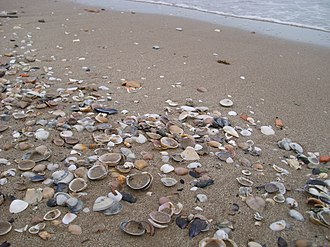
seashell

seashell
seashell
seashell /ˈsiːˌʃel/ countable noun
  • the hard outer shell of a sea creature, often found on beaches

    The child collected seashells after low tide.

#2668

opal / iridescent [group]

opal
opal
opal /ˈoʊpəl/ countable noun
  • a gemstone that often shows shifting colors

    Her ring has a small opal.

opalescent /ˌoʊpəˈlesənt/ adjective
  • showing soft changing colors like an opal

    The soap bubble had an opalescent shine.

iridescent /ˌɪrɪˈdesənt/ adjective
  • showing colors that seem to change with the angle of light

    The beetle's wings were iridescent.

#2667

stasis

stasis /ˈsteɪsɪs/ uncountable noun

Formal word for no movement or no change.

  • a state of not changing, moving, or developing

    The economy remained in stasis for years.

#2666

sledge [family]

sledgehammer
sledgehammer
sledge /sledʒ/ countable noun

Can mean a sledgehammer, or in British English a sled.

  • a heavy hammer or a sled

    The worker swung a sledge at the wall.

sledgehammer /ˈsledʒˌhæmɚ/ countable noun
  • a large heavy hammer with a long handle

    They broke the concrete with a sledgehammer.

#2665

ample

ample /ˈæmpəl/ adjective
  • more than enough; plentiful

    We have ample time to revise the draft.

#2664

sidetrack

sidetrack /ˈsaɪdtræk/ transitive verb
past: sidetracked /ˈsaɪdtrækt/
pp: sidetracked /ˈsaɪdtrækt/
  • to distract someone from the main subject or plan

    The meeting was sidetracked by budget questions.

sidetrack /ˈsaɪdtræk/ countable noun
  • a minor or less important topic or route

    That story is an interesting sidetrack.

#2663

sheen

sheen /ʃiːn/ uncountable noun
  • a soft smooth shine on a surface

    The silk had a silver sheen.

#2662

detonate [family]

detonate /ˈdetəneɪt/ verb
past: detonated /ˈdetəneɪtɪd/
pp: detonated /ˈdetəneɪtɪd/
  • to explode or cause something to explode

    The crew detonated the old bridge safely.

detonation /ˌdetəˈneɪʃən/ countable noun
  • an explosion or the act of causing one

    The detonation was heard miles away.

detonator /ˈdetəneɪtɚ/ countable noun
  • a device used to trigger an explosion

    Investigators found a damaged detonator.

#2661

nutty

nutty /ˈnʌti/ adjective
  1. tasting like nuts

    The cheese has a nutty flavor.

  2. silly, eccentric, or crazy

    That is a nutty idea, but it might work.

#2660

double-talk

double-talk /ˈdʌbəl tɔːk/ uncountable noun
  • confusing or deceptive language that hides the truth

    The answer sounded like political double-talk.

#2659

doublet

doublet /ˈdʌblət/ countable noun
  1. one of two similar or related things, especially words

    Shirt and skirt are historical doublets.

  2. a close-fitting old-style jacket

    The actor wore a velvet doublet.

#2658

outdo

outdo /ˌaʊtˈduː/ transitive verb
past: outdid /ˌaʊtˈdɪd/
pp: outdone /ˌaʊtˈdʌn/

Past tense: outdid. Past participle: outdone.

  • to do better than someone or something

    The sequel tried to outdo the original.

#2657

desolate [family]

desolate /ˈdesələt/ adjective
  1. (of a place) empty and lonely; bleak

    They walked across the desolate moor.

  2. (of a person) feeling or showing great unhappiness

    She was desolate after the loss of her dog.

desolation /ˌdesəˈleɪʃən/ uncountable noun
  • empty ruin, loneliness, or deep sadness

    The abandoned town had an air of desolation.

#2656

poultry

poultry
poultry
poultry /ˈpoʊltri/ uncountable noun food
  1. domesticated birds kept for meat or eggs

    The farm raises poultry and goats.

  2. meat from chickens, ducks, or similar birds

    The restaurant serves fish and poultry.

#2655

frigid

frigid /ˈfrɪdʒɪd/ adjective

Stronger and more formal than cold.

  1. extremely cold

    The hikers crossed a frigid river.

  2. emotionally cold or unfriendly

    He gave us a frigid welcome.

#2654

clairvoyance [family]

clairvoyance /klerˈvɔɪəns/ uncountable noun

From French clair = clear + voyance = seeing.

  • the supposed ability to see future or hidden events

    The fortune-teller claimed to have clairvoyance.

clairvoyant /klerˈvɔɪənt/ adjective
  • supposedly able to see future or hidden events

    The story features a clairvoyant detective.

clairvoyant /klerˈvɔɪənt/ countable noun
  • a person who claims to have clairvoyance

    She visited a clairvoyant at the fair.

#2653

bestow

bestow /bɪˈstoʊ/ transitive verb
past: bestowed /bɪˈstoʊd/
pp: bestowed /bɪˈstoʊd/

Formal. Often used for honors, gifts, rights, or blessings.

  • to give an honor, gift, or right formally

    The university bestowed an honorary degree on her.

#2652

snare

snare /sner/ countable noun
  • a trap for catching animals

    The rabbit was caught in a snare.

snare /sner/ transitive verb
past: snared /snerd/
pp: snared /snerd/
  • to catch someone or something in a trap or difficult situation

    The scheme snared several investors.

#2651

metal [family]

metal /ˈmetəl/ noun
  • a hard shiny material such as iron, gold, or aluminum

    The gate is made of metal.

metallic /məˈtælɪk/ adjective
  • like metal in sound, color, or quality

    The paint has a metallic finish.

metallurgy /ˈmetəlɝdʒi/ uncountable noun
  • the branch of science and technology concerned with the properties of metals and their production and purification

    He studied metallurgy.

#2650

rune

rune
rune
rune /ruːn/ countable noun
  • a letter in an ancient Germanic alphabet

    The stone was carved with runes.

#2649

simmer

simmer /ˈsɪmɚ/ intransitive verb
past: simmered /ˈsɪmɚd/
pp: simmered /ˈsɪmɚd/
  1. to cook gently just below boiling

    Let the sauce simmer for twenty minutes.

  2. for anger or tension to remain quietly active

    Frustration simmered under the surface.

#2648

fend [family]

fend /fend/ intransitive verb
past: fended /ˈfendɪd/
pp: fended /ˈfendɪd/

Common phrase: fend for oneself = manage without help.

  • to defend yourself or manage without help

    The kittens learned to fend for themselves.

fender /ˈfendɚ/ countable noun
  • a car panel over a wheel, or a bumper used to protect a boat

    The crash dented the left fender.

#2647

courage [family]

courage /ˈkɝɪdʒ/ uncountable noun
  • the ability to do something despite fear

    It took courage to speak honestly.

courageous /kɚˈeɪdʒəs/ adjective
  • brave and determined

    The firefighter made a courageous rescue.

discourage /dɪsˈkɝɪdʒ/ transitive verb
past: discouraged /dɪsˈkɝɪdʒd/
pp: discouraged /dɪsˈkɝɪdʒd/
  1. to cause someone to lose confidence or enthusiasm

    Don't let one bad grade discourage you.

  2. to try to prevent something from happening, especially by indicating disapproval

    Signs are posted to discourage swimming in this part of the river.

discouragement /dɪsˈkɝɪdʒmənt/ noun
  • a feeling of having lost confidence or enthusiasm; the act of discouraging

    Despite repeated discouragement, he kept submitting his stories to magazines.

#2646

fester

fester /ˈfestɚ/ intransitive verb
past: festered /ˈfestɚd/
pp: festered /ˈfestɚd/
  1. for a wound to become infected and produce pus

    The cut began to fester.

  2. for anger or a problem to grow worse over time

    Resentment festered for years.

#2645

vile

vile /vaɪl/ adjective
  • extremely unpleasant, immoral, or disgusting

    The room smelled vile.

#2644

enigma [family]

enigma /ɪˈnɪɡmə/ countable noun
  • someone or something mysterious and hard to understand

    The missing file remains an enigma.

enigmatic /ˌenɪɡˈmætɪk/ adjective
  • mysterious and difficult to interpret

    She gave an enigmatic smile.

#2643

sear / searing [family]

sear /sɪr/ transitive verb
past: seared /sɪrd/
pp: seared /sɪrd/
  1. to burn or scorch the surface of something

    Sear the steak in a hot pan.

  2. to make a painful or lasting impression

    The image was seared into her memory.

searing /ˈsɪrɪŋ/ adjective

"Searing pain", "searing heat", "searing criticism": common collocations. From "sear" (cooking technique to brown meat surface).

  • extremely hot or intense

    The searing heat was unbearable.

#2642

plush

plush /plʌʃ/ adjective
  • soft, comfortable, and expensive-looking

    The hotel lobby had plush chairs.

plush /plʌʃ/ uncountable noun
  • a soft thick fabric with a raised surface

    The toy was covered in plush.

#2641

elixir

elixir /ɪˈlɪksɚ/ countable noun

Old alchemy word; now often figurative or used in product names.

  • a magical or medicinal liquid thought to cure or improve something

    The ad promised an elixir for tired skin.

#2640

critter

critter /ˈkrɪtɚ/ countable noun

Informal, often folksy American English.

  • a living creature, especially an animal

    What kind of critter made those tracks?

#2639

clobber

clobber /ˈklɑːbɚ/ transitive verb
past: clobbered /ˈklɑːbɚd/
pp: clobbered /ˈklɑːbɚd/

Informal.

  1. to hit hard or defeat badly

    The home team got clobbered.

  2. to affect someone very badly

    The new tax clobbered small businesses.

#2638

fireside

fireside /ˈfaɪɚsaɪd/ countable noun
  • the area beside a fireplace

    They talked by the fireside.

fireside /ˈfaɪɚsaɪd/ adjective
  • warm, informal, and associated with home

    The mayor gave a fireside chat.

#2637

chilli powder

chilli powder
chilli powder
chilli powder /ˈtʃɪli ˌpaʊdɚ/ uncountable noun food

British spelling; American English usually writes chili powder.

  • powdered dried chili peppers used as a spice

    Add chilli powder if you want more heat.

#2636

pedestal

pedestal
pedestal
pedestal /ˈpedəstəl/ countable noun

Phrase: put someone on a pedestal = admire them too much.

  • a base that supports a statue, column, or vase

    The statue stood on a marble pedestal.

#2635

threadbare

threadbare /ˈθredber/ adjective
  1. worn so thin that threads show

    He wore a threadbare coat.

  2. weak or overused from repetition

    The excuse sounded threadbare.

#2634

slate

slate
slate
slate /sleɪt/ uncountable noun
  • a dark gray rock that splits into thin flat layers

    The roof was made of slate.

slate /sleɪt/ transitive verb
past: slated /ˈsleɪtɪd/
pp: slated /ˈsleɪtɪd/
  1. to schedule or choose someone for something

    The film is slated for release in May.

  2. to criticize harshly, especially in British English

    The critics slated the performance.

#2633

mineral water

mineral water /ˈmɪnɚəl ˌwɔːtɚ/ uncountable noun
  • water containing natural minerals, often bottled

    She ordered sparkling mineral water.

#2632

outpost

outpost /ˈaʊtpoʊst/ countable noun
  1. a small military or trading station far from the main group

    The soldiers guarded a remote outpost.

  2. a distant branch or presence of an organization

    The cafe opened a tiny outpost in the station.

#2631

cuddle

cuddle /ˈkʌdəl/ intransitive verb
past: cuddled /ˈkʌdəld/
pp: cuddled /ˈkʌdəld/
  • to hold someone close in an affectionate way

    The child wanted to cuddle before bed.

cuddle /ˈkʌdəl/ countable noun
  • an affectionate hug

    The puppy climbed into her lap for a cuddle.

#2630

font

font /fɑːnt/ countable noun
  1. a set of letters in a particular type design

    The website uses a clean sans-serif font.

  2. a basin for baptismal water in a church

    The stone font stood near the entrance.

#2629

ferment

ferment /fɚˈment/ intransitive verb
past: fermented /fɚˈmentɪd/
pp: fermented /fɚˈmentɪd/
  • to change chemically as yeast or bacteria produce alcohol or acid

    The cabbage ferments for several days.

ferment /ˈfɝment/ uncountable noun

As a noun, ferment can also mean social or political unrest.

  • active excitement, change, or unrest

    The city was in political ferment.

#2628

mineshaft

mineshaft
mineshaft
mineshaft /ˈmaɪnʃæft/ countable noun
  • a deep vertical or sloping passage into a mine

    The old mineshaft was sealed for safety.

#2627

womb

womb /wuːm/ countable noun

Everyday word for uterus.

  • the organ in which a baby develops before birth

    The fetus grows in the womb.

#2626

vagina [family]

vagina
vagina
vagina /vəˈdʒaɪnə/ countable noun body
  • the internal passage from the uterus to the outside of the female body

    The doctor explained the anatomy of the vagina.

vaginal /ˈvædʒənəl/ adjective
  • relating to the vagina

    The clinic treats vaginal infections.

#2625

leprosy

leprosy /ˈleprəsi/ uncountable noun

Modern medical term: Hansen's disease.

  • a chronic infectious disease affecting skin and nerves

    Leprosy is treatable with antibiotics.

#2624

rain check

rain check /ˈreɪn tʃek/ countable noun

Take a rain check = postpone an invitation or offer.

  1. a promise to accept an offer later

    Can I take a rain check on dinner?

  2. a ticket allowing later use when an event is canceled by rain

    The stadium gave fans rain checks.

#2623

acupuncture [family]

acupuncture
acupuncture
acupuncture /ˈækjəˌpʌŋktʃɚ/ uncountable noun
  • a treatment using thin needles inserted into the body

    She tried acupuncture for back pain.

acupuncturist /ˈækjəˌpʌŋktʃɚɪst/ countable noun
  • a person who practices acupuncture

    The acupuncturist placed needles in her wrist.

#2622

truck [family]

truck
truck
truck /trʌk/ countable noun vehicle
  • a large motor vehicle for transporting goods

    The truck delivered furniture to the store.

truck /trʌk/ transitive verb
past: trucked /trʌkt/
pp: trucked /trʌkt/
  • to transport goods by truck

    The company trucks produce across the country.

trucker /ˈtrʌkɚ/ countable noun
  • a person who drives a truck for work

    The trucker drove overnight to deliver the food.

#2621

jinx [family]

jinx /dʒɪŋks/ countable noun
  • a person or thing thought to bring bad luck

    The fans blamed the loss on a jinx.

jinx /dʒɪŋks/ transitive verb
past: jinxed /dʒɪŋkst/
pp: jinxed /dʒɪŋkst/
  • to bring bad luck to something by saying or doing something

    Do not jinx the plan by celebrating early.

jinxed /dʒɪŋkst/ adjective
  • affected by bad luck

    The project felt jinxed from the start.

#2620

brew [family]

brew /bruː/ transitive verb
past: brewed /bruːd/
pp: brewed /bruːd/
  • to make beer or tea by soaking, boiling, and fermenting

    They brew their own beer in the garage.

brew /bruː/ countable noun beverage
  • a drink made by brewing, especially beer or tea

    He ordered a local brew at the pub.

brewer /ˈbruːɚ/ countable noun
  • a person or company that makes beer

    The local brewer released a new lager.

brewery /ˈbruːɚi/ countable noun
  • a place where beer is made

    We toured a small brewery.

#2619

waive [family]

waive /weɪv/ transitive verb
past: waived /weɪvd/
pp: waived /weɪvd/
  • to choose not to use or demand a right, fee, or rule

    The bank waived the late fee.

waiver /ˈweɪvɚ/ countable noun
  • a formal act or document giving up a right or claim

    You must sign a waiver before the race.

#2618

impartial

impartial /ɪmˈpɑːrʃəl/ adjective
  • fair and not favoring one side

    We need an impartial judge.

#2617

parabola [family]

parabola /pəˈræbələ/ countable noun
  • a U-shaped curve in mathematics

    The ball's path formed a parabola.

parabolic /ˌpærəˈbɑːlɪk/ adjective
  • shaped like or related to a parabola

    The antenna has a parabolic dish.

#2616

parable

parable /ˈpærəbəl/ countable noun
  • a short story that teaches a moral or religious lesson

    The teacher explained the parable of the lost sheep.

#2615

genealogy

genealogy /ˌdʒiːniˈælədʒi/ uncountable noun
  • the study or record of family ancestry

    She traced her genealogy back six generations.

#2614

seascape

seascape /ˈsiːskeɪp/ countable noun
  • a view, painting, or photograph of the sea

    The gallery displayed a stormy seascape.

#2613

monogamy [family]

monogamy /məˈnɑːɡəmi/ uncountable noun
  • the practice or state of being married to one person at a time; the practice of having a sexual relationship with only one partner

    Judaism has insisted on monogamy since the Middle Ages.

monogamous /məˈnɑːɡəməs/ adjective
  • involving marriage to one person at a time; having a sexual relationship with only one partner at a time

    A monogamous relationship.

#2612

Oedipus complex

Oedipus complex /ˈedɪpəs ˌkɑːmpleks/ countable noun

Psychoanalytic term from Freud, named after Oedipus in Greek myth.

  • a child's unconscious desire for the opposite-sex parent

    The article discusses the Oedipus complex as a Freudian idea.

#2611

advert / commercial break [group]

advert /ˈædvɝt/ countable noun

Chiefly British. American English usually says ad or advertisement.

  • an advertisement

    The magazine advert showed a new phone.

commercial break /kəˌmɝʃəl ˈbreɪk/ countable noun
  • a pause in a TV or radio program for advertisements

    I made tea during the commercial break.

#2610

tendon [family]

Achilles tendon
Achilles tendon
tendon /ˈtendən/ countable noun body
  • strong tissue that connects muscle to bone

    He injured a tendon in his ankle.

Achilles tendon /əˌkɪliːz ˈtendən/ countable noun body

Named after Achilles, whose heel was his weak spot in Greek myth.

  • the tendon connecting the calf muscles to the heel

    A torn Achilles tendon can take months to heal.

#2609

contain [family]

container ship
container ship
contain /kənˈteɪn/ transitive verb
past: contained /kənˈteɪnd/
pp: contained /kənˈteɪnd/
  1. to have something inside or as part of itself

    The box contains old photos.

  2. to control or stop something from spreading

    Firefighters contained the fire.

self-contained /ˌself kənˈteɪnd/ adjective
  • complete by itself and not needing outside help

    The apartment is small but self-contained.

containment /kənˈteɪnmənt/ uncountable noun
  • the act of keeping something harmful under control

    The lab followed strict containment procedures.

container /kənˈteɪnɚ/ countable noun

In tech: "container" = packaged software environment (Docker, Kubernetes). In shipping: standardized intermodal containers (20-foot or 40-foot) revolutionized global trade.

  • an object used to hold or transport something

    Store the leftovers in a sealed container.

container ship /kənˈteɪnɚ ʃɪp/ countable noun

Largest container ships carry 24,000+ containers (TEUs). Famous: Ever Given (blocked Suez Canal, March 2021).

  • a ship designed to transport intermodal containers

    The container ship docked at Shanghai.

#2608

fondle

fondle /ˈfɑːndəl/ transitive verb
past: fondled /ˈfɑːndəld/
pp: fondled /ˈfɑːndəld/

Often sexual or inappropriate unless the context is clearly affectionate.

  • to touch or stroke gently and lovingly, or sexually

    The cat purred as she fondled its ears.

#2607

chalet

chalet
chalet
chalet /ʃæˈleɪ/ countable noun
  • a wooden house or lodge, especially in the Alps

    They rented a chalet near the ski lift.

#2606

relay

relay /ˈriːleɪ/ countable noun
  1. a race or process in which people take turns

    Our team won the relay.

  2. a device or station that passes on signals

    The satellite acts as a relay.

relay /rɪˈleɪ/ transitive verb
past: relayed /rɪˈleɪd/
pp: relayed /rɪˈleɪd/

Noun stress is RE-lay; verb stress is re-LAY.

  • to pass information or signals from one place to another

    Please relay the message to the team.

#2605

midwife [family]

midwife /ˈmɪdwaɪf/ countable noun
  • a trained person who helps women during childbirth

    The midwife visited her at home.

midwifery /mɪdˈwɪfɚi/ uncountable noun
  • the work or profession of a midwife

    She studied midwifery at university.

#2604

distill [family]

distill /dɪˈstɪl/ transitive verb
past: distilled /dɪˈstɪld/
pp: distilled /dɪˈstɪld/

British spelling: distil.

  • to purify or concentrate a liquid by evaporation and condensation

    The plant distills seawater into drinking water.

distiller /dɪˈstɪlɚ/ countable noun
  • a person or company that makes spirits by distillation

    The distiller produces small-batch whiskey.

distillery /dɪˈstɪlɚi/ countable noun

Distinct from "brewery" (makes beer) and "winery" (makes wine).

  • a place where strong alcoholic drinks (such as whiskey, vodka, or gin) are made by distillation

    We toured a Scottish whisky distillery in the highlands.

#2603

trove

trove /troʊv/ countable noun

Often appears in treasure trove or data trove.

  • a valuable collection or store of things

    The archive is a trove of old photographs.

#2602

account / accountable [family]

account /əˈkaʊnt/ countable noun
  1. a record or arrangement for money or online access

    I opened a savings account.

  2. a description or explanation of events

    Her account of the accident was clear.

account /əˈkaʊnt/ intransitive verb
past: accounted /əˈkaʊntɪd/
pp: accounted /əˈkaʊntɪd/
  • to explain or be the reason for something

    The delay accounts for the higher cost.

accountable /əˈkaʊntəbəl/ adjective
  • responsible for what one does and expected to explain it

    Managers are accountable for safety.

accountability /əˌkaʊntəˈbɪləti/ uncountable noun
  • the fact of being responsible for one's actions and able to explain them

    The scandal raised questions about accountability in government.

accountant /əˈkaʊntənt/ countable noun

"CPA" = Certified Public Accountant (US). "Chartered accountant": British equivalent. Stereotypically associated with careful, detail-oriented work.

  • a person whose job is to keep financial accounts

    She works as an accountant.

#2601

practice [family]

practice /ˈpræktɪs/ uncountable noun

British English distinguishes noun practice and verb practise; American English uses practice for both.

  • repeated training to improve a skill

    Daily practice improved her pronunciation.

practice /ˈpræktɪs/ countable noun
  • a professional business, especially medical or legal

    He opened a dental practice.

practice /ˈpræktɪs/ verb
past: practiced /ˈpræktɪst/
pp: practiced /ˈpræktɪst/
  • to do something repeatedly to improve

    She practices piano every evening.

practical /ˈpræktɪkəl/ adjective

"Practical joke" = prank. "For all practical purposes" = effectively. Antonym: theoretical, impractical.

  1. concerned with actual use rather than theory

    She gave us practical advice.

  2. likely to be effective

    It's a practical solution.

impractical /ɪmˈpræktɪkəl/ adjective

Don't confuse with "impracticable" (= literally cannot be done). "Impractical" = unreasonable or unwieldy in practice, even if technically possible.

  • not sensible or realistic; unwieldy to use

    It would be impractical to carry that much luggage.