Vocabulary: Batch 7

#601 to #700 (100 entries)

#700

rodent

rodent
rodent
rodent /ˈroʊdənt/ countable noun animal
  • a gnawing mammal of an order that includes rats, mice, squirrels, hamsters, porcupines, and their relatives

    Rodent control.

#699

flange

flange /flændʒ/ countable noun
  • a projecting flat rim, collar, or rib on an object, serving to strengthen or attach or (on a wheel) to maintain position on a rail

    The flanges that hold the pipe.

#698

canny

canny /ˈkæni/ adjective
  • having or showing shrewdness and good judgment, especially in money or business matters

    Canny investors.

#697

existent

existent /ɪɡˈzɪstənt/ adjective
  • having existence; existing

    The only existent copy of the book.

#696

beleaguered

beleaguered /bɪˈliːɡɚd/ adjective
  • in a very difficult situation

    The board is supporting the beleaguered director.

#695

bend [family]

bend /bend/ verb
past: bent /bent/
pp: bent /bent/

Irregular: past and past participle are both "bent".

  • to shape or force (something straight) into a curve or angle

    The wire bent easily.

bend /bend/ countable noun
  • a curve or turn, especially in a road, river, or pipe

    There's a sharp bend in the road ahead.

bendy /ˈbendi/ adjective

Mostly British. "Bendy bus": articulated bus. "Bendy straw": drinking straw with flexible neck.

  • easily bent; flexible

    She has bendy fingers.

#694

viscous [family]

viscous /ˈvɪskəs/ adjective
  • having a thick, sticky consistency between solid and liquid; having a high viscosity

    Viscous lava.

viscosity /vɪˈskɑːsəti/ uncountable noun
  • the state of being thick, sticky, and resistant to flow

    The viscosity of the oil increases in cold weather.

#693

binge

binge /bɪndʒ/ countable noun
  • a period of excessive indulgence in an activity, especially eating, drinking, or taking drugs

    A binge of eating.

binge /bɪndʒ/ intransitive verb
past: binged /bɪndʒd/
pp: binged /bɪndʒd/
  • to indulge in an activity, especially eating, drinking, or watching TV, to excess

    She binged on ice cream after the breakup.

#692

farrier

farrier
farrier
farrier /ˈfæriɚ/ countable noun
  • a smith who shoes horses

    He took the horse to the farrier.

#691

attempt

attempt /əˈtempt/ verb
past: attempted /əˈtemptɪd/
pp: attempted /əˈtemptɪd/
  • to make an effort to achieve or complete (something difficult)

    She attempted a comeback.

attempt /əˈtempt/ countable noun
  • an effort to achieve or complete a difficult task or action

    An attempt to halt the bombings.

#690

flap

flap /flæp/ verb
past: flapped /flæpt/
pp: flapped /flæpt/
  • (of a bird) to move (its wings) up and down when flying or preparing to fly

    A pheasant flapped its wings.

flap /flæp/ countable noun
  1. a piece of something thin, such as cloth, paper, or metal, hinged or attached only on one side, that covers an opening or hangs down from something

    The flap of the envelope.

  2. (informal, chiefly British) a state of nervous agitation or panic

    She's in a flap about tomorrow's exam.

#689

incongruous

incongruous /ɪnˈkɑːŋɡruəs/ adjective
  • not in harmony or keeping with the surroundings or other aspects of something

    The duffel coat looked incongruous with the black silk dress.

#688

hare-brained

hare-brained /ˈher breɪnd/ adjective
  • rash; ill-judged

    A hare-brained scheme.

#687

saturate [family]

saturate /ˈsætʃəreɪt/ transitive verb
past: saturated /ˈsætʃəreɪtɪd/
pp: saturated /ˈsætʃəreɪtɪd/
  • to cause (something) to become thoroughly soaked with liquid so that no more can be absorbed

    The soil is saturated.

saturated /ˈsætʃəreɪtɪd/ adjective
  • holding as much water or moisture as can be absorbed; thoroughly soaked

    A saturated towel.

saturation /ˌsætʃəˈreɪʃən/ uncountable noun
  1. the state or process that occurs when no more of something can be absorbed, combined with, or added

    Market saturation.

  2. the intensity or purity of a color

    She increased the saturation of the photo to make the colors pop.

#686

misanthrope [family]

misanthrope /ˈmɪzənθroʊp/ countable noun
  • a person who dislikes humankind and avoids human society

    He was a cynical misanthrope.

misanthropy /mɪˈzænθrəpi/ uncountable noun
  • a dislike of humankind

    His misanthropy.

misanthropic /ˌmɪzənˈθrɑːpɪk/ adjective
  • disliking humankind and avoiding human society

    A misanthropic worldview.

#685

morose

morose /məˈroʊs/ adjective
  • sullen and ill-tempered

    She was morose and silent.

#684

grumpy

grumpy /ˈɡrʌmpi/ adjective
  • bad-tempered and sulky

    He's always grumpy in the mornings.

#683

exhort

exhort /ɪɡˈzɔːrt/ verb
past: exhorted /ɪɡˈzɔːrtɪd/
pp: exhorted /ɪɡˈzɔːrtɪd/
  • to strongly encourage or urge (someone) to do something

    I exhorted him to be good.

#682

remiss

remiss /rɪˈmɪs/ adjective
  • lacking care or attention to duty; negligent

    It would be very remiss of me not to pass on that information.

#681

wad

wad /wɑːd/ countable noun
  1. a lump or bundle of a soft material, used for padding, stuffing, or wiping

    A wad of lint.

  2. (informal) a bundle of banknotes

    He pulled out a thick wad of cash.

#680

zest

zest /zest/ uncountable noun
  1. great enthusiasm and energy

    They campaigned with zest and intelligence.

  2. the outer, colored peel of a citrus fruit, used to add flavor

    Add the zest of one lemon to the batter.

zest /zest/ transitive verb
past: zested /ˈzestɪd/
pp: zested /ˈzestɪd/
  • to grate or scrape the peel from (a citrus fruit) for flavoring

    Zest the lemon before you juice it.

#679

concomitant

concomitant /kənˈkɑːmɪtənt/ adjective
  • naturally accompanying or associated

    She loved travel, with all its concomitant worries.

#678

flab [family]

flab /flæb/ uncountable noun
  • soft, loose flesh on a person's body

    I need to lose some flab.

flabby /ˈflæbi/ adjective
  • (of a part of a person's body) soft, loose, and fleshy

    A flabby stomach.

#677

diction

diction /ˈdɪkʃən/ uncountable noun
  1. the choice and use of words and phrases in speech or writing

    Wordsworth campaigned against exaggerated poetic diction.

  2. the degree of clarity and distinctness in a person's pronunciation and enunciation

    The singer was praised for her crisp diction.

#676

interlude

interlude /ˈɪntɚluːd/ countable noun
  • an intervening period of time

    A brief romantic interlude.

#675

syndicate

syndicate /ˈsɪndɪkət/ countable noun
  • a group of individuals or organizations combined to promote some common interest

    A crime syndicate.

syndicate /ˈsɪndɪkeɪt/ transitive verb
past: syndicated /ˈsɪndɪkeɪtɪd/
pp: syndicated /ˈsɪndɪkeɪtɪd/
  1. to sell or provide (a creative work, such as a TV show, column, or comic strip) for publication or broadcast by multiple outlets

    The sitcom was syndicated to stations across the country.

  2. (finance) to arrange for (a loan) to be provided jointly by a group of lenders

    The loan was syndicated among several major banks.

#674

ungovernable

ungovernable /ʌnˈɡʌvɚnəbəl/ adjective
  • impossible to control or govern

    Ungovernable rage.

#673

malady

malady /ˈmælədi/ countable noun
  • a disease or ailment

    An incurable malady.

#672

serotonin

serotonin /ˌserəˈtoʊnɪn/ uncountable noun
  • a compound present in blood platelets and serum, which constricts the blood vessels and acts as a neurotransmitter

    Serotonin levels in the brain.

#671

dart [family]

dart
dart
dart /dɑːrt/ countable noun
  • a small pointed missile that can be thrown or fired

    A tranquilizer dart.

dart /dɑːrt/ verb
past: darted /ˈdɑːrtɪd/
pp: darted /ˈdɑːrtɪd/
  • to move or run somewhere suddenly or rapidly

    She darted across the street.

dartboard /ˈdɑːrtbɔːrd/ countable noun
  • a circular board used as a target in the game of darts

    He threw the dart at the dartboard.

#670

haemorrhage

haemorrhage /ˈhemərɪdʒ/ countable noun

Also spelled 'hemorrhage' (US).

  • an escape of blood from a ruptured blood vessel, especially when profuse

    A massive haemorrhage.

haemorrhage /ˈhemərɪdʒ/ verb
past: haemorrhaged /ˈhemərɪdʒd/
pp: haemorrhaged /ˈhemərɪdʒd/

Also spelled 'hemorrhage' (US).

  • to lose or expend large amounts of (something valuable) in a seemingly uncontrollable way

    The business was haemorrhaging cash.

#669

scare

scare /sker/ verb
past: scared /skerd/
pp: scared /skerd/
  • to cause great fear or nervousness in; frighten

    The rapid questions were designed to scare her.

scare /sker/ countable noun
  • a sudden attack of fright

    She had a scare when she couldn't find her child.

#668

fluctuate [family]

fluctuate /ˈflʌktʃueɪt/ verb
past: fluctuated /ˈflʌktʃueɪtɪd/
pp: fluctuated /ˈflʌktʃueɪtɪd/
  • to rise and fall irregularly in number or amount

    Trade with other countries tends to fluctuate from year to year.

fluctuation /ˌflʌktʃuˈeɪʃən/ countable noun
  • an irregular rise or fall in number, amount, or level

    Fluctuations in temperature can damage the equipment.

#667

coke

coke
coke
coke /koʊk/ uncountable noun
  1. a solid fuel made by heating coal in the absence of air so that the volatile components are driven off

    The production of coke.

  2. (slang) cocaine

    He was doing coke at the party.

coke /koʊk/ uncountable noun beverage
  • (informal, especially Southern US) any carbonated soft drink, or specifically Coca-Cola

    Can I get you a coke?

#666

venom [family]

venom
venom
venom /ˈvenəm/ uncountable noun
  • a poisonous substance secreted by animals such as snakes, spiders, and scorpions

    Snake venom.

venomous /ˈvenəməs/ adjective
  • (of an animal) capable of injecting venom by means of a bite or sting

    A venomous snake.

#665

subcutaneous

subcutaneous /ˌsʌbkjuˈteɪniəs/ adjective
  • situated or applied under the skin

    Subcutaneous fat.

#664

anti-virus

anti-virus /ˌæntiˈvaɪrəs/ adjective
  • designed to detect and destroy computer viruses

    Anti-virus software.

#663

uptake

uptake /ˈʌpteɪk/ uncountable noun
  • the action of taking up or making use of something that is available

    The uptake of free school meals.

#662

infuse [family]

infuse /ɪnˈfjuːz/ verb
past: infused /ɪnˈfjuːzd/
pp: infused /ɪnˈfjuːzd/
  • to fill; to pervade

    Her work is infused with an anger born of experience.

infusion /ɪnˈfjuːʒən/ countable noun
  1. the introduction of a new element or quality into something

    An infusion of cash.

  2. a drink or remedy made by soaking a substance, such as tea leaves or herbs, in hot water; also, the introduction of a fluid into the body, especially into a vein

    She drank a chamomile infusion before bed.

#661

lakeside

lakeside /ˈleɪksaɪd/ noun
  • the side of a lake

    We walked along the lakeside.

#660

bullet-proof

bullet-proof /ˈbʊlɪtpruːf/ adjective
  • designed to resist the penetration of bullets

    A bullet-proof vest.

#659

bullet point

bullet point /ˈbʊlɪt pɔɪnt/ countable noun
  • each of several items in a list, preceded by a printed symbol (such as a dot)

    Please summarize the text using bullet points.

#658

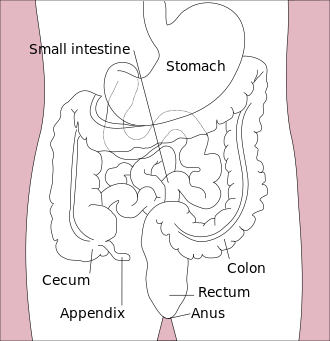
alimentary canal

alimentary canal
alimentary canal
alimentary canal /ˌælɪˌmentɚi kəˈnæl/ countable noun
  • the whole passage along which food passes through the body from mouth to anus

    Food moves through the alimentary canal.

#657

sissy

sissy /ˈsɪsi/ countable noun
  • a person regarded as cowardly or effeminate

    He was called a sissy.

#656

liken

liken /ˈlaɪkən/ transitive verb
past: likened /ˈlaɪkənd/
pp: likened /ˈlaɪkənd/
  • to point out the resemblance of someone or something to

    They likened the new policy to a disaster.

#655

complex

complex /kəmˈpleks/ adjective

British English typically stresses the first syllable instead: /ˈkɒmpleks/.

  • consisting of many different and connected parts

    A complex network of water channels.

complex /ˈkɑːmpleks/ countable noun
  1. a group of similar buildings or facilities on the same site

    A shopping complex.

  2. (psychology) a set of repressed feelings or thoughts that causes abnormal behavior or mental states

    He has an inferiority complex.

#654

liquidity

liquidity /lɪˈkwɪdɪti/ uncountable noun
  • the availability of liquid assets to a market or company

    The bank must maintain sufficient liquidity.

#653

gestation

gestation /dʒeˈsteɪʃən/ uncountable noun
  • the process of carrying or being carried in the womb between conception and birth

    The gestation period of a horse.

#652

placebo

placebo
placebo
placebo /pləˈsiːboʊ/ countable noun
  • a harmless pill, medicine, or procedure prescribed more for the psychological benefit to the patient than for any physiological effect

    His anticipation of pain was mitigated by a placebo.

#651

indebted

indebted /ɪnˈdetɪd/ adjective
  • owing gratitude for a service or favor

    I am indebted to him for the help.

#650

edifying

edifying /ˈedɪfaɪɪŋ/ adjective
  • providing moral or intellectual instruction

    Edifying literature.

#649

toddle [family]

toddle /ˈtɑːdl/ intransitive verb
past: toddled /ˈtɑːdld/
pp: toddled /ˈtɑːdld/
  • (of a young child) to walk with short unsteady steps

    The baby toddled toward her mother.

toddler /ˈtɑːdlɚ/ countable noun
  • a young child who is just beginning to walk

    A playgroup for toddlers.

#648

conjoin [family]

conjoin /kənˈdʒɔɪn/ verb
past: conjoined /kənˈdʒɔɪnd/
pp: conjoined /kənˈdʒɔɪnd/
  • to join; to combine

    The two halves were conjoined.

conjoined /kənˈdʒɔɪnd/ adjective
  • joined together, especially (of twins) born physically joined at some part of the body

    Conjoined twins sometimes share vital organs.

#647

palliative

palliative /ˈpæliətɪv/ adjective
  • (of a medicine or medical care) relieving pain without dealing with the cause of the condition

    Palliative care.

palliative /ˈpæliətɪv/ countable noun
  • something that relieves or reduces symptoms without treating the underlying cause

    The tax cut was only a palliative for the economy's deeper problems.

#646

unthinkable

unthinkable /ʌnˈθɪŋkəbl/ adjective
  • (of a situation or event) too unlikely or undesirable to be considered a possibility

    It was unthinkable that she could be dead.

#645

antithetical

antithetical /ˌæntɪˈθetɪkəl/ adjective
  • directly opposed or contrasted; mutually incompatible

    People whose religious beliefs are antithetical to mine.

#644

file

file /faɪl/ countable noun
  1. a folder or box for holding loose papers that are typically arranged in a particular order for easy reference

    A file of correspondence.

  2. a tool with a roughened surface, typically of steel, used for smoothing or shaping a hard material

    He used a metal file to smooth the edge.

  3. a line of people or things arranged one behind another

    They walked through the forest in single file.

file /faɪl/ verb
past: filed /faɪld/
pp: filed /faɪld/
  1. to place (a document) in a cabinet, box, or folder in a particular order for preservation and easy reference

    The contract was filed away.

  2. to smooth or shape (something) with a file

    She filed her nails before the interview.

#643

robe

robe
robe
robe /roʊb/ countable noun
  • a long, loose outer garment

    A judge's robe.

#642

barrier

barrier /ˈbæriɚ/ countable noun
  • a fence or other obstacle that prevents movement or access

    The mountain range forms a natural barrier.

#641

stenographer

stenographer /stəˈnɑːɡrəfɚ/ countable noun
  • a person whose job is to transcribe speech in shorthand

    A court stenographer.

#640

combat [family]

combat /ˈkɑːmbæt/ uncountable noun
  • fighting between armed forces

    Men killed in combat.

combat /kəmˈbæt/ verb
past: combated /kəmˈbætɪd/ or combatted /kəmˈbætɪd/ (less common spelling variant)
pp: combated /kəmˈbætɪd/ or combatted /kəmˈbætɪd/ (less common spelling variant)
  • take action to reduce or destroy (something undesirable)

    An effort to combat crime.

combatant /kəmˈbætənt/ countable noun
  • a person or nation engaged in fighting during a war

    Enemy combatants.

combative /kəmˈbætɪv/ adjective
  • ready or eager to fight; pugnacious

    A combative tone.

#639

erotica

erotica /ɪˈrɑːtɪkə/ uncountable noun
  • literature or art intended to arouse sexual desire

    A collection of erotica.

#638

kaleidoscope [family]

kaleidoscope
kaleidoscope
kaleidoscope /kəˈlaɪdəskoʊp/ countable noun
  • a toy consisting of a tube containing mirrors and pieces of colored glass or paper, whose reflections produce changing patterns when the tube is rotated

    Look through the kaleidoscope.

kaleidoscopic /kəˌlaɪdəˈskɑːpɪk/ adjective
  • having complex patterns of colors; multifaceted

    A kaleidoscopic design.

#637

veritable

veritable /ˈverɪtəbl/ adjective
  • used to emphasize that a comparison or description is genuinely apt, even if not literally accurate

    The early 1970s witnessed a veritable explosion of new bands.

#636

scalding

scalding /ˈskɔːldɪŋ/ adjective
  • very hot; burning

    Scalding tea.

#635

ravenous

ravenous /ˈrævənəs/ adjective
  • extremely hungry

    I'd been out all day and was ravenous.

#634

shareholder

shareholder /ˈʃerhoʊldɚ/ countable noun
  • an owner of shares in a company

    A meeting of shareholders.

#633

quantity

quantity /ˈkwɑːntəti/ noun
  • a certain, usually specified, amount or number of something

    A large quantity of money.

#632

filibuster

filibuster /ˈfɪlɪbʌstɚ/ countable noun
  • an action such as a prolonged speech that obstructs progress in a legislative assembly

    A filibuster was staged to delay the vote.

filibuster /ˈfɪlɪbʌstɚ/ intransitive verb
past: filibustered /ˈfɪlɪbʌstɚd/
pp: filibustered /ˈfɪlɪbʌstɚd/
  • to obstruct or delay legislation by making prolonged speeches

    Senators filibustered the bill for hours.

#631

arbitrary

arbitrary /ˈɑːrbɪtreri/ adjective
  • based on random choice or personal whim, rather than any reason or system

    His mealtimes were entirely arbitrary.

#630

pockmark [family]

pockmark /ˈpɑːkmɑːrk/ countable noun
  • a pitted scar or mark on the skin left by a pustule or pimple

    A face covered in pockmarks.

pockmarked /ˈpɑːkmɑːrkt/ adjective
  • covered in pockmarks or pitted scars

    A pockmarked face.

#629

tachograph

tachograph
tachograph
tachograph /ˈtækəɡræf/ countable noun
  • a device used in commercial vehicles to automatically record its speed and distance, together with the driver's activity

    A digital tachograph.

#628

tarp

tarp
tarp
tarp /tɑːrp/ countable noun
  • a tarpaulin sheet or cover

    They covered the load with a tarp.

#627

yank

yank /jæŋk/ transitive verb
past: yanked /jæŋkt/
pp: yanked /jæŋkt/
  • to pull with a jerk

    Her hair was yanked.

yank /jæŋk/ countable noun
  • a sudden hard pull

    She gave the rope a yank.

#626

abhor [family]

abhor /əbˈhɔːr/ transitive verb
past: abhorred /əbˈhɔːrd/
pp: abhorred /əbˈhɔːrd/
  • to regard with disgust and hatred

    He abhorred sexism in every form.

abhorrence /əbˈhɔːrəns/ uncountable noun
  • a feeling of repulsion; disgusted loathing

    The thought of marrying him filled her with abhorrence.

abhorrent /əbˈhɔːrənt/ adjective
  • inspiring disgust and loathing; repugnant

    Racism was abhorrent to us all.

#625

sputter

sputter /ˈspʌtɚ/ verb
past: sputtered /ˈspʌtɚd/
pp: sputtered /ˈspʌtɚd/
  • to make a series of soft explosive sounds, typically when being heated or as a symptom of a fault

    The engine sputtered and stopped.

#624

outguess

outguess /ˌaʊtˈɡes/ transitive verb
past: outguessed /ˌaʊtˈɡest/
pp: outguessed /ˌaʊtˈɡest/
  • to guess correctly what someone else is going to do; to outwit

    He tried to outguess the market.

#623

quid pro quo

quid pro quo /ˌkwɪd proʊ ˈkwoʊ/ countable noun
  • a favor or advantage granted or expected in return for something

    The pardon was a quid pro quo for their help.

#622

pro rata

pro rata /ˌproʊ ˈrɑːtə/ adjective
  • proportional; calculated according to a proportionate share

    A pro rata increase in salary.

pro rata /ˌproʊ ˈrɑːtə/ adverb
  • proportionally

    Part-time staff are paid pro rata.

#621

decibel

decibel /ˈdesɪbel/ countable noun
  • a unit used to measure the intensity of a sound

    A noise level of 90 decibels.

#620

glycerine

glycerine /ˈɡlɪsɚɪn/ uncountable noun
  • a sweet, syrupy liquid obtained from animal fats and oils or by the fermentation of glucose (alternative spelling of glycerin)

    Soap containing glycerine.

#619

heat [family]

heat /hiːt/ uncountable noun
  • the quality of being hot; high temperature

    The heat of the sun.

heat /hiːt/ transitive verb
past: heated /ˈhiːtɪd/
pp: heated /ˈhiːtɪd/
  • to raise the temperature of

    Heat the oven to 200 degrees.

heater /ˈhiːtɚ/ countable noun

"Space heater": portable room heater. "Water heater": for hot water supply. Slang: "heater" = gun (US).

  • a device for warming

    She turned on the heater.

#618

sequel

sequel /ˈsiːkwəl/ countable noun
  • a published, broadcast, or recorded work that continues the story or develops the theme of an earlier one

    The sequel to the hit movie.

#617

faze

faze /feɪz/ transitive verb
past: fazed /feɪzd/
pp: fazed /feɪzd/

Homophone of phase; often confused in writing ('that doesn't faze me', not 'phase me').

  • to disturb or disconcert (someone)

    She was not fazed by his show of anger.

#616

cherry-pick

cherry-pick /ˈtʃeri pɪk/ transitive verb
past: cherry-picked /ˈtʃeri pɪkt/
pp: cherry-picked /ˈtʃeri pɪkt/
  • to choose and take only the most beneficial or profitable items, opportunities, etc., from what is available

    They cherry-picked the best players.

#615

zigzag

zigzag /ˈzɪɡzæɡ/ countable noun
  • a line or course having abrupt alternate right and left turns

    The path follows a zigzag.

zigzag /ˈzɪɡzæɡ/ intransitive verb
past: zigzagged /ˈzɪɡzæɡd/
pp: zigzagged /ˈzɪɡzæɡd/
  • to move in a zigzag course

    The road zigzags up the mountain.

zigzag /ˈzɪɡzæɡ/ adjective
  • having a zigzag shape

    A zigzag pattern of black and white stripes.

#614

intel

intel /ˈɪntel/ uncountable noun
  • information of military or political value (short for intelligence)

    Military intel.

#613

cardigan

cardigan
cardigan
cardigan /ˈkɑːrdɪɡən/ countable noun
  • a knitted sweater fastening down the front, typically with long sleeves

    She wore a red cardigan.

#612

rafter

rafter /ˈræftɚ/ countable noun
  • one of several internal beams extending from the eaves to the peak of a roof and constituting its framework

    The exposed rafters of the roof.

#611

gravitas

gravitas /ˈɡrævɪtæs/ uncountable noun
  • dignity, seriousness, or solemnity of manner

    A post for which he has the expertise and the gravitas.

#610

shoddy

shoddy /ˈʃɑːdi/ adjective
  • badly made or done

    Shoddy goods.

#609

garb

garb /ɡɑːrb/ uncountable noun
  • clothing or dress, especially of a distinctive or special kind

    Men in traditional garb.

#608

doorstop

doorstop /ˈdɔːrstɑːp/ countable noun
  1. an object that keeps a door open or in place

    She used a book as a doorstop.

  2. (informal) a very long, thick, or tedious book

    His new novel is a real doorstop at 900 pages.

#607

perfectionist

perfectionist /pɚˈfekʃənɪst/ countable noun
  • a person who refuses to accept any standard short of perfection

    He is a perfectionist.

#606

spaghetti [family]

spaghetti
1spaghetti
spaghetti western
2spaghetti western
spaghetti /spəˈɡeti/ uncountable noun food
  • 1pasta made in solid strings, between macaroni and vermicelli in thickness

    Spaghetti bolognese.

spaghetti western /spəˌɡeti ˈwestɚn/ countable noun
  • 2a movie about the American Old West made cheaply in Europe, typically by an Italian director

    He loves spaghetti westerns.

#605

macaroon

macaroon
macaroon
macaroon /ˌmækəˈruːn/ countable noun dessert

Not to be confused with macaron, a French almond meringue sandwich cookie - despite the near-identical name and shared French etymology, they are different cookies.

  • a light cookie made with egg white, sugar, and usually ground almonds or coconut

    A coconut macaroon.

#604

macaroni [family]

macaroni
1macaroni
macaroni cheese
2macaroni cheese
macaroni /ˌmækəˈroʊni/ uncountable noun food
  • 1a variety of pasta formed in narrow tubes

    A bowl of macaroni.

macaroni cheese /ˌmækəˈroʊni tʃiːz/ uncountable noun
  • 2(UK) macaroni baked in a cheese sauce (US: macaroni and cheese)

    I had macaroni cheese for dinner.

#603

pluck

pluck /plʌk/ transitive verb
past: plucked /plʌkt/
pp: plucked /plʌkt/
  • to take hold of (something) and quickly remove it from its place

    She plucked a blade of grass.

pluck /plʌk/ uncountable noun
  • spirited and determined courage

    It took a lot of pluck to stand up to him.

#602

qualify [family]

qualify /ˈkwɑːlɪfaɪ/ verb
past: qualified /ˈkwɑːlɪfaɪd/
pp: qualified /ˈkwɑːlɪfaɪd/
  1. to be entitled to a particular benefit or privilege by fulfilling a necessary condition

    They qualify for free school meals.

  2. to add reservations or modifications to (a statement)

    I should qualify that remark by saying it doesn't apply to everyone.

qualification /ˌkwɑːləfəˈkeɪʃən/ countable noun

In British English, "qualifications" often refers to academic credentials. "Without qualification" = without conditions or reservations.

  1. a quality or accomplishment that makes someone suitable for a job

    List your qualifications on the form.

  2. a condition or limitation

    I agree without qualification.

qualifier /ˈkwɑːləfaɪɚ/ countable noun
  1. a person or team that qualifies for a competition

    The qualifiers will play in the final round.

  2. a word or phrase that limits or modifies the meaning of another

    In "slightly difficult", "slightly" is a qualifier.

qualified /ˈkwɑːlɪfaɪd/ adjective
  1. officially recognized as being trained to perform a particular job; certified

    Newly qualified nurses.

  2. limited or modified in some way; not absolute

    The board gave the plan only qualified support.

#601

cushy

cushy /ˈkʊʃi/ adjective
  • (of a job, task, or situation) undemanding, easy, or secure

    A cushy job.