Vocabulary: Batch 67

#6601 to #6700 (100 entries)

#6700

sterilize [family]

sterilize /ˈsterəlaɪz/ transitive verb
past: sterilized /ˈsterəlaɪzd/
pp: sterilized /ˈsterəlaɪzd/

American spelling; British: sterilise.

  1. to make free from bacteria or other microorganisms

    The surgeon sterilized the instruments.

  2. to deprive (a person or animal) of the ability to produce offspring, typically by removing reproductive organs

    The shelter sterilizes all stray cats.

sterilization /ˌsterələˈzeɪʃən/ noun

For pets, neutering is common, and spaying is specific to female animals. Sterilization is broader and also means killing microorganisms.

  1. the act of making a person or animal unable to reproduce

    The clinic provides low-cost sterilization for stray cats.

  2. the process of killing microorganisms on equipment, surfaces, or food

    Proper sterilization of surgical tools prevents infection.
#6699

detest [family]

detest /dɪˈtest/ transitive verb
past: detested /dɪˈtestɪd/
pp: detested /dɪˈtestɪd/

Stronger than "dislike" or "hate".

  • to dislike intensely

    He detests cilantro and won't eat anything with it.

detestable /dɪˈtestəbəl/ adjective
  • deserving intense dislike; hateful

    The dictator's detestable crimes were finally exposed.

#6698

Hellas [family]

Hellas /ˈheləs/ proper noun

The Greeks' own name for Greece; English 'Greece' comes from Latin 'Graecia'.

  • the Greek name for Greece

    In Greek, the country is called Hellas, not Greece.

Helladic /heˈlædɪk/ adjective

Archaeological term for the Bronze Age cultures of mainland Greece (Early, Middle, and Late Helladic).

  • relating to the Bronze Age civilization of mainland Greece

    Mycenae flourished in the Late Helladic period.

#6697

Macedon [family]

Macedon
Macedon
Macedon /ˈmæsɪdɑːn/ proper noun

Ancient Macedon is historically linked to, but not identical with, the modern country North Macedonia.

  • an ancient kingdom north of classical Greece

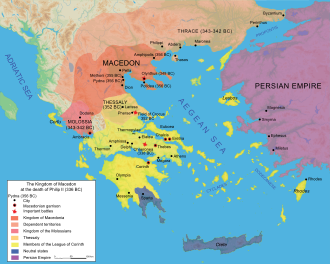
    Alexander the Great was born in Macedon.

Macedonian /ˌmæsɪˈdoʊniən/ adjective

Context decides whether this refers to ancient Macedon, modern North Macedonia, or the Macedonian language.

  • relating to Macedon or Macedonia

    The Macedonian army changed the politics of the Greek world.

Macedonian /ˌmæsɪˈdoʊniən/ countable noun
  • a person from Macedon or Macedonia

    Many Macedonians served in Alexander's campaigns.

Macedonia /ˌmæsɪˈdoʊniə/ proper noun

The geographic region and the modern country (North Macedonia); historically linked to but distinct from ancient Macedon.

  • a region of the southern Balkans, and the name of a modern country (North Macedonia)

    Macedonia spans parts of Greece, North Macedonia, and Bulgaria.

#6696

dignify [family]

dignify /ˈdɪɡnəfaɪ/ transitive verb
past: dignified /ˈdɪɡnəfaɪd/
pp: dignified /ˈdɪɡnəfaɪd/

"I won't dignify that with a response" = a common dismissive comeback to a rude question.

  • to make seem worthy or impressive

    He refused to dignify the question with an answer.

dignified /ˈdɪɡnəfaɪd/ adjective
  • having or showing a composed and serious manner worthy of respect

    She gave a dignified speech.

dignity /ˈdɪɡnəti/ uncountable noun

"Death with dignity": movement supporting end-of-life choice. "Beneath one's dignity": too undignified to do.

  • the state of being worthy of honor or respect

    She faced the situation with dignity.

#6695

celestial

celestial /səˈlestʃəl/ adjective

From Latin "caelum" (sky/heaven). "Celestial body": astronomical object. "Celestial Empire": old Western name for China.

  • relating to the sky or heaven

    The astronomer studied celestial objects.

#6694

vulture

vulture
vulture
vulture /ˈvʌltʃɚ/ countable noun bird
  • a large bird of prey that feeds chiefly on carrion (dead animals)

    Vultures circled above the carcass.

vulture /ˈvʌltʃɚ/ countable noun
  • a person who exploits others, especially in their time of weakness

    Vultures descended on the bankrupt company.

#6693

cobra

cobra
cobra
cobra /ˈkoʊbrə/ countable noun animal

From Portuguese "cobra de capello" (snake with hood). King cobra: longest venomous snake. "Cobra pose": yoga position.

  • a venomous snake that spreads its neck into a hood

    The cobra reared up to strike.

#6692

deshret / hedjet [group]

deshret
1deshret
hedjet
2hedjet
pschent
3pschent
deshret /ˈdeʃret/ proper noun

The Red Crown of Lower Egypt (the northern Nile delta).

  • 1the Red Crown worn by the pharaohs of Lower Egypt

    The deshret symbolized rule over Lower Egypt.

hedjet /ˈhedʒet/ proper noun

The White Crown of Upper Egypt (the southern Nile valley).

  • 2the White Crown worn by the pharaohs of Upper Egypt

    The hedjet represented Upper Egypt.

pschent /ˈpskent/ proper noun

The Double Crown, combining the deshret and hedjet to symbolize a unified Egypt.

  • 3the Double Crown of Egypt, combining the Red and White Crowns to symbolize unified rule

    Pharaohs wore the pschent to show they ruled both Upper and Lower Egypt.

#6691

radiocarbon [family]

radiocarbon /ˌreɪdioʊˈkɑːrbən/ uncountable noun

Usually means carbon-14, a radioactive isotope used to estimate the age of once-living material.

  • radioactive carbon used for dating organic remains

    The lab measured radiocarbon in the ancient wood.

radiocarbon /ˌreɪdioʊˈkɑːrbən/ adjective
  • using or relating to radioactive carbon

    The team ran a radiocarbon test on the linen.

radiocarbon dating /ˌreɪdioʊˌkɑːrbən ˈdeɪtɪŋ/ uncountable noun

Also called carbon dating. Best for organic material up to about 50,000 years old.

  • a method of dating once-living material by carbon-14 decay

    Radiocarbon dating showed that the cloth was medieval.

#6690

decorum [family]

decorum /dɪˈkɔːrəm/ uncountable noun

Formal. "Dulce et decorum est" - Latin phrase "sweet and proper it is" (also a famous Wilfred Owen anti-war poem).

  • behavior that is proper and dignified

    He maintained decorum during the trial.

decorous /ˈdekɚəs/ adjective
  • behaving in a way that is polite and respects social conventions

    The guests remained decorous throughout the ceremony.

#6689

plaque

plaque
plaque
plaque /plæk/ countable noun

From French. Multiple senses: commemorative plate, dental plaque, brain plaques (Alzheimer's). "Blue plaque" - UK heritage marker.

  1. a commemorative plate fixed to a wall

    A bronze plaque marked the spot.

  2. a film of bacteria on teeth

    Brushing removes plaque.

#6688

smite [family]

smite /smaɪt/ transitive verb
past: smote /smoʊt/
pp: smitten /ˈsmɪtən/

Literary or biblical in tone. Past tense: smote; past participle: smitten.

  1. to strike, defeat, or punish with great force

    The hero vowed to smite the monster.

  2. to affect someone suddenly and strongly

    The village was smitten by disease.

smitten /ˈsmɪtən/ adjective
  1. deeply attracted or in love

    He was completely smitten after their first date.

  2. strongly affected by something bad

    The coast was smitten by a sudden storm.

#6687

cheetah

cheetah
cheetah
cheetah /ˈtʃiːtə/ countable noun animal

Fastest land animal - up to 70 mph (112 km/h). Distinct from leopards (rosettes not solid spots) and jaguars (stockier). Endangered.

  • a large fast wild cat with black-spotted fur

    The cheetah accelerated to chase the gazelle.

#6686

chisel [family]

chisel
chisel
chisel /ˈtʃɪzəl/ countable noun
  • a hand tool with a long blade for cutting or shaping wood, stone, or metal

    The sculptor worked with hammer and chisel.

chisel /ˈtʃɪzəl/ transitive verb
past: chiseled /ˈtʃɪzəld/
pp: chiseled /ˈtʃɪzəld/
  • to cut or shape with a chisel

    He chiseled the stone into a statue.

chiselled /ˈtʃɪzəld/ adjective

British spelling; American: chiseled. "Chiseled features" = a face with sharply defined bone structure, considered attractive.

  • (of a person's features) sharply and clearly defined

    He has chiselled cheekbones.

#6685

Paleolithic / Neolithic [group]

Paleolithic /ˌpeɪliəˈlɪθɪk/ adjective

British spelling: Palaeolithic

  • relating to the early part of the Stone Age, when primitive stone tools were first used (roughly 2.6 million to 10,000 years ago)

    The cave contains Paleolithic paintings of animals.

Paleolithic /ˌpeɪliəˈlɪθɪk/ proper noun
  • the early Stone Age period itself

    Stone tools from the Paleolithic have been found across Europe.

Neolithic /ˌniːəˈlɪθɪk/ adjective

Neo- means new and lithic means stone. Compare Paleolithic, the Old Stone Age.

  • relating to the later Stone Age, when farming spread

    The site contains Neolithic pottery and polished stone tools.

Neolithic /ˌniːəˈlɪθɪk/ proper noun
  • the later part of the Stone Age

    Permanent villages became more common in the Neolithic.

#6684

demigod

demigod /ˈdemiɡɑːd/ countable noun

Demi- means half. In myth, a demigod often has one divine parent and one human parent.

  1. a partly divine mythological being

    Hercules is often described as a demigod.

  2. a person admired almost like a god

    To his fans, the old striker was a demigod.

#6683

papyrus [family]

papyrus
papyrus
papyrus /pəˈpaɪrəs/ countable noun
  1. an ancient writing material made from a reedlike plant

    The letter was written on papyrus.

  2. a document written on papyrus

    The papyrus contains a tax record.

papyri /pəˈpaɪraɪ/ plural noun

Plural of papyrus; papyruses is also possible but less common in scholarly contexts.

  • plural of papyrus

    The archive preserves Greek papyri from Egypt.

#6682

regnal

regnal /ˈreɡnəl/ adjective

Mostly historical or formal. Common phrase: regnal year, a year counted from a monarch's accession.

  • relating to the reign of a monarch

    The inscription gives the date as the king's fifth regnal year.

#6681

vessel

vessel /ˈvesəl/ countable noun

"Blood vessel" = artery, vein, or capillary.

  1. a ship or large boat

    The fishing vessel returned to port.

  2. a container, especially for liquids

    Wine was poured from a clay vessel.

  3. (anatomy) a tube or canal in the body

    He suffered a burst blood vessel.

#6680

scarab

scarab
scarab
scarab /ˈskærəb/ countable noun

Often means an ancient Egyptian beetle-shaped amulet or seal.

  1. a beetle-shaped Egyptian amulet or seal

    The museum displayed a green scarab from a tomb.

  2. a scarab beetle, especially a dung beetle

    The scarab was sacred in ancient Egypt.

#6679

relieve [family]

relieve /rɪˈliːv/ transitive verb
past: relieved /rɪˈliːvd/
pp: relieved /rɪˈliːvd/

"Relieve oneself" (euphemism) = urinate or defecate. "Relieve" also means take over a duty ("the night nurse relieves the day nurse").

  • to cause (pain or distress) to become less severe

    The medicine relieved her pain.

relieved /rɪˈliːvd/ adjective
  • no longer feeling distressed or anxious

    She felt relieved after the test.

relief /rɪˈliːf/ noun

"Disaster relief" - emergency aid. "Comic relief" - humor breaking tension in serious drama. "Tax relief" - reduction in tax burden.

  1. a feeling of reassurance after anxiety

    She gave a sigh of relief.

  2. the alleviation of distress

    They sent relief to the disaster area.

  3. a sculpted design raised from or cut into a surface

    The temple wall is covered with carved reliefs of gods.

#6678

statue [family]

statue
statue
statue /ˈstætʃuː/ countable noun

Don't confuse with statute (a law) or stature (height/standing). The Statue of Liberty is one of the world's most famous statues.

  • a sculpted figure of a person or animal

    They erected a statue of the founder in the square.

statuary /ˈstætʃueri/ uncountable noun
  • statues collectively, or the art of making statues

    The garden is filled with marble statuary.

statuary /ˈstætʃueri/ adjective
  • relating to statues

    The museum restored several statuary fragments.

#6677

Ptolemy [family]

Ptolemy
Ptolemy
Ptolemy /ˈtɑːləmi/ proper noun

The initial P is silent. In history, the Ptolemies were the Macedonian-Greek dynasty that ruled Egypt after Alexander.

  1. a name borne by several Greek rulers of Egypt

    Ptolemy I founded the dynasty that ruled Egypt after Alexander.

  2. the ancient astronomer Claudius Ptolemy

    Ptolemy's model placed Earth at the center of the universe.

Ptolemaic /ˌtɑːləˈmeɪɪk/ adjective

Can mean either the Egyptian dynasty or the geocentric astronomy associated with Claudius Ptolemy.

  1. relating to the Greek dynasty that ruled Egypt

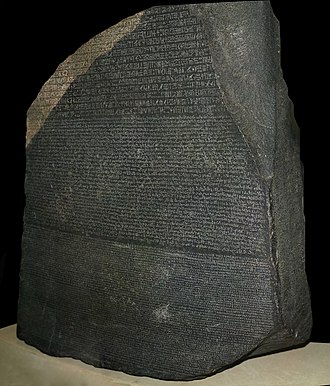
    The Rosetta Stone was carved during Ptolemaic rule.

  2. relating to Ptolemy's geocentric astronomy

    The Ptolemaic system was later replaced by heliocentric models.

#6676

Hellenistic

Hellenistic /ˌheləˈnɪstɪk/ adjective

Period roughly from Alexander's death in 323 BCE to Egypt's annexation by Rome in 30 BCE. Cleopatra was the last Hellenistic monarch.

  • relating to Greek history, language, and culture from the death of Alexander the Great to the conquest of Egypt by Rome (c. 323-30 BCE)

    The Hellenistic period saw the spread of Greek culture across the eastern Mediterranean and Middle East.

#6675

durable [family]

durable /ˈdʊrəbəl/ adjective

From Latin durare (to last). "Durable goods" = economics term for items lasting 3+ years (cars, appliances).

  • able to withstand wear

    This material is very durable.

endure /ɪnˈdʊr/ verb
past: endured /ɪnˈdʊrd/
pp: endured /ɪnˈdʊrd/

Same Latin root as "durable". "Endurance" = capacity for sustained effort. "Endurance athletes" = marathoners, triathletes.

  1. to suffer (something painful) patiently

    They endured years of hardship.

  2. to remain in existence; last

    His legacy will endure.

endurance /ɪnˈdʊrəns/ uncountable noun
  • the fact or power of enduring an unpleasant or difficult process or situation without giving way

    She showed great endurance during the race.

#6674

profound [family]

profound /prəˈfaʊnd/ adjective
  1. very great or intense

    Her work has had a profound effect on the field.

  2. showing great knowledge or insight

    He gave a profound analysis of the problem.

profundity /prəˈfʌndəti/ noun
  • great depth of insight or knowledge

    Critics praised the profundity of her latest novel.

#6673

staff [family]

staff /stæf/ noun

"Staff" treats employees collectively (singular). "Staff member" for individual. Music: "staff" = the five lines for notation. Also a long stick (wizard's staff).

  • the people working for an organization

    The hotel has a friendly staff.

staff /stæf/ transitive verb
past: staffed /stæft/
pp: staffed /stæft/
  • to provide with workers

    The clinic is staffed by volunteers.

staffing /ˈstæfɪŋ/ uncountable noun

"Staffing levels", "staffing agency" (provides temporary workers), "understaffed" / "overstaffed": workforce planning vocabulary.

  • the provision or level of personnel for an organization

    Staffing was inadequate over the holidays.

staffer /ˈstæfɚ/ countable noun

Common in journalism and US politics: White House staffer, campaign staffer, Senate staffer.

  • a member of the staff of an organization, office, or campaign

    A senior staffer briefed reporters after the meeting.

#6672

truce

truce /truːs/ countable noun

A truce pauses fighting temporarily; a peace treaty is meant to end a war more formally.

  • an agreement between enemies to stop fighting for a period of time

    The two sides agreed to a truce so civilians could leave the city.

#6671

boar

boar
boar
boar /bɔːr/ countable noun animal

Homophone: bore. A boar can mean a wild pig, or more specifically an uncastrated male pig.

  1. a wild pig, especially one with tusks

    A boar charged out of the brush and startled the hikers.

  2. an uncastrated male pig kept for breeding

    The farmer kept one boar in a separate pen.

#6670

protrude [family]

protrude /proʊˈtruːd/ verb
past: protruded /proʊˈtruːdɪd/
pp: protruded /proʊˈtruːdɪd/
  • to extend or stick out from a surface

    A nail protruded from the wooden plank.

protrusion /proʊˈtruːʒən/ countable noun
  • a thing that extends beyond a surface or edge

    The doctor examined the small protrusion on his back.

#6669

capitulate [family]

capitulate /kəˈpɪtʃəleɪt/ intransitive verb
past: capitulated /kəˈpɪtʃəleɪtɪd/
pp: capitulated /kəˈpɪtʃəleɪtɪd/
  • to cease to resist an opponent or an unwelcome demand; to surrender

    After hours of debate, he finally capitulated.

capitulator /kəˈpɪtʃəleɪtɚ/ countable noun

Formal and uncommon; everyday English usually says the side that surrendered or the person who gave in.

  • a person, army, or group that capitulates or surrenders

    The treaty described the defeated army as the capitulator.

#6668

complacent [family]

complacent /kəmˈpleɪsənt/ adjective
  • showing smug or uncritical satisfaction with oneself or one's situation, often despite real risks or problems

    After years of success, the company grew complacent and stopped innovating.

complacency /kəmˈpleɪsənsi/ uncountable noun
  • a feeling of smug satisfaction with one's situation or achievements, often accompanied by unawareness of real dangers

    After years of dominance, complacency set in and the company lost its edge.

#6667

crosswind

crosswind /ˈkrɔːswɪnd/ countable noun

Common in aviation, cycling, and driving. Compare headwind (from the front) and tailwind (from behind).

  • a wind blowing across the direction in which something is moving

    The pilot corrected for a strong crosswind during landing.

#6666

gravy

gravy
gravy
gravy /ˈɡreɪvi/ uncountable noun food

"Gravy train" = an easy way to make money. "Gravy boat" = a long, narrow vessel for serving gravy.

  • a sauce made from the juices of meat, often thickened with flour

    She poured gravy over the mashed potatoes.

#6665

germ

germ
germ
germ /dʒɝm/ countable noun
  1. a microorganism (especially a bacterium or virus) that causes disease

    Wash your hands to avoid spreading germs.

  2. the small seed-like part inside a grain or nut from which a new plant develops (e.g., wheat germ)

    Wheat germ is rich in vitamin E and is often sold as a health food.

  3. (figurative) the initial small element from which something grows

    That conversation was the germ of his future novel.

#6664

gem [family]

gem
gem
gem /dʒem/ countable noun

Also used figuratively: a hidden gem is a wonderful place, person, or thing that is not widely known.

  1. a precious or semiprecious stone, especially one cut and polished for jewelry

    The museum displayed a blue gem set in a gold ring.

  2. a person, place, or thing that is especially good or charming

    That tiny noodle shop is a real gem.

gemstone /ˈdʒemstoʊn/ countable noun
  • a mineral crystal or organic material valued for beauty and used in jewelry

    Ruby and sapphire are gemstones made from the same mineral.

#6663

common [family]

common /ˈkɑːmən/ adjective

"Common sense" = practical good judgment. "In common" = shared.

  1. occurring, found, or done often; usual

    It's common to feel nervous before a big exam.

  2. shared by, or coming from, more than one

    They have a common interest in music.

  3. ordinary; not distinguished or special

    He was just a common laborer before the war.

commoner /ˈkɑːmənɚ/ countable noun

Contrasts with aristocrat, noble, or royal.

  • a person who is not a noble or royal

    The prince married a commoner.

commonplace /ˈkɑːmənpleɪs/ adjective

Originally a noun (from translating Latin "locus communis" = common place, referring to literary themes).

  • not unusual; ordinary

    Smartphones have become commonplace.

#6662

predynastic / protodynastic [group]

predynastic /ˌpriːdaɪˈnæstɪk/ adjective

Often used for Egypt before the First Dynasty.

  • before the period of rule by dynasties

    Predynastic Egyptian graves contain early pottery.

protodynastic /ˌproʊtoʊdaɪˈnæstɪk/ adjective

Proto- means earliest or preliminary; the term often refers to the transition into dynastic Egypt.

  • relating to the earliest formation of dynastic rule

    Protodynastic inscriptions show emerging royal names.

#6661

partition

partition /pɑːrˈtɪʃən/ countable noun
  1. a wall or screen that divides a space

    The office uses glass partitions.

  2. the division of a country, disk, or area into parts

    The partition of the drive erased the data.

partition /pɑːrˈtɪʃən/ transitive verb
past: partitioned /pɑːrˈtɪʃənd/
pp: partitioned /pɑːrˈtɪʃənd/
  • to divide something into separate parts

    The hall was partitioned into small classrooms.

#6660

convoy

convoy
convoy
convoy /ˈkɑːnvɔɪ/ countable noun

Often used for military or protected travel, but also for trucks or cars traveling together.

  • a group of vehicles or ships traveling together for safety

    The aid convoy crossed the border at dawn.

convoy /kənˈvɔɪ/ transitive verb
past: convoyed /kənˈvɔɪd/
pp: convoyed /kənˈvɔɪd/

Noun stress is CON-voy; verb stress is con-VOY.

  • to travel with and protect vehicles or ships

    Two patrol cars convoyed the buses through the city.

#6659

due [family]

due /duː/ adjective

Often used after the noun it describes: payment due, rent due, report due.

  1. expected or scheduled to happen, arrive, or be completed at a particular time

    The final report is due next Monday.

  2. owed and needing to be paid

    The rent is due on the first day of each month.

  3. proper, appropriate, or deserved

    The team deserves due credit for finishing the project early.

due to /ˈduː tuː/ preposition
  • because of or caused by something

    The flight was delayed due to bad weather.

duly /ˈduːli/ adverb
  • in accordance with what is required or appropriate; following proper procedure or arrangement

    A document duly signed and authorized by the inspector.

undue /ʌnˈduː/ adjective

Common collocations: "undue stress", "undue influence", "undue burden".

  • more than is reasonable, appropriate, or necessary; excessive

    There is no need to cause undue alarm.

#6658

postpositive

postpositive /ˌpoʊstˈpɑːzətɪv/ adjective
  1. placed after the word it modifies

    In "attorney general," the adjective "general" is postpositive.

  2. used after a noun instead of before it, especially in grammar terms

    The phrase "the people present" contains a postpositive adjective.

postpositive /ˌpoʊstˈpɑːzətɪv/ countable noun
  • a word, especially an adjective, that is placed after the word it modifies

    "Present" is a postpositive in "the members present."

#6657

render [family]

render /ˈrendɚ/ verb
past: rendered /ˈrendɚd/
pp: rendered /ˈrendɚd/

In formal writing, "render + object + adjective" means make someone or something become that way. In computing, render means generate what the user sees.

  1. to cause someone or something to be in a particular state

    The storm rendered several roads unusable.

  2. to provide, give, or deliver a service, judgment, payment, or help

    The clinic renders free medical care to low-income families.

  3. to represent, translate, or produce something in another form

    The browser renders the page differently on a small screen.

  4. to melt fat in order to separate it from meat or tissue

    The cook slowly rendered the bacon fat in a pan.

rendering /ˈrendɚɪŋ/ noun
  • a depiction or interpretation, especially an artist's drawing or a performance; a coat of plaster on a wall

    an architect's rendering of the new tower

rendition /renˈdɪʃən/ countable noun

Music: a performance interpretation. "Extraordinary rendition": controversial post-9/11 CIA practice of secret prisoner transfers.

  • a performance or interpretation

    Her rendition of the song moved everyone.

#6656

territory [family]

territory /ˈterətɔːri/ noun
  1. land or an area controlled by a country, government, organization, or person

    The island is a disputed territory claimed by two countries.

  2. an area that a person, group, or animal treats as its own

    The dog barked because it thought the yard was its territory.

  3. a field, subject, or business area that belongs to a particular person or activity

    Enterprise software is new territory for the small startup.

territorial /ˌterəˈtɔːriəl/ adjective

"Territorial waters" are the sea areas legally controlled by a country.

  1. relating to the land, area, or borders controlled by a country or authority

    The two countries signed an agreement to reduce territorial disputes.

  2. protective of an area, role, or possession that one considers one's own

    He became territorial when another manager tried to change his team's process.

territorial waters /ˌterɪˈtɔːriəl ˈwɔːtɚz/ plural noun
  • the waters under the sovereign jurisdiction of a nation or state

    The ship entered their territorial waters.

#6655

waterway

waterway
waterway
waterway /ˈwɔːtɚweɪ/ countable noun

Usually refers to water that can be used as a route, such as a river, canal, channel, or strait.

  1. a river, canal, or other body of water that boats can travel through

    The canal became an important waterway for moving grain to the coast.

  2. a route or passage formed by water

    The city grew around a network of waterways.

#6654

bargaining chip

bargaining chip /ˈbɑːrɡənɪŋ tʃɪp/ countable noun

A negotiation metaphor. Similar to "leverage", but more concrete: something you can trade, offer, or withhold.

  • something used to gain an advantage in a negotiation

    The company used the patent as a bargaining chip in the merger talks.

#6653

beg [family]

beg /beɡ/ verb
past: begged /beɡd/
pp: begged /beɡd/

"Beg the question" originally means to assume what you are trying to prove; in everyday speech, many people use it to mean "raise the question".

  1. to ask for something very urgently, humbly, or emotionally

    The kids begged to stay up late for the fireworks.

  2. to ask people for money, food, or help because one is in need

    He was forced to beg on the street after losing his job.

  3. to ask not to be hurt, punished, or refused

    She begged for mercy, but the guard ignored her.

beggar /ˈbeɡɚ/ countable noun

"Beggars can't be choosers": proverb meaning accept what you're offered. "Beggar belief": be unbelievable.

  • a person who asks for money or food

    He gave money to the beggar.

#6652

tenet

tenet /ˈtenət/ countable noun

Often appears in phrases like "central tenet" or "basic tenet". Do not confuse with "tenant" (a renter).

  • a principle or belief that is part of a system, theory, religion, or organization

    A core tenet of the school is that children learn best through practice.

#6651

pay [family]

pay /peɪ/ transitive verb
past: paid /peɪd/
pp: paid /peɪd/

"Pay off" = be worthwhile, or repay a debt fully. "Pay attention" = concentrate.

  1. to give money in exchange for goods or services

    She paid the waiter and left a tip.

  2. to be worthwhile or profitable

    Honesty pays in the long run.

pay /peɪ/ uncountable noun
  • money paid to someone for regular work

    She asked for a raise in pay.

payable /ˈpeɪəbl̩/ adjective

Often postpositive in formal and business writing: amount payable, tax payable, payable on demand. Accounting uses "accounts payable" for money a business owes.

  1. due to be paid, especially by a particular date or under a contract

    The remaining balance is payable within 30 days.

  2. able to be paid, or suitable for payment

    The invoice is payable by bank transfer or credit card.

  3. profitable enough to be worth operating, especially of a mine

    The ore deposit was not payable at current metal prices.

#6650

sale [family]

sale /seɪl/ noun

Homophone: sail. "For sale" means available to buy; "on sale" can mean available to buy or, especially in American English, discounted.

  1. an act or instance of selling goods, services, or property

    The sale of the apartment took almost three months.

  2. a period or event when a store sells goods at reduced prices

    I bought the jacket during the winter sale.

  3. the total business produced by selling something

    Online sale of the new model starts next week.

sales /seɪlz/ plural noun
  1. the work or department of selling goods or services

    She moved from engineering into sales after graduation.

  2. the amount or value of goods and services sold

    Sales were up 12 percent compared with last year.

on sale /ɑːn seɪl/ adjective phrase

In American English, it usually means discounted. In British English, it can also simply mean available to buy.

  1. available to be bought

    Tickets for the concert go on sale Friday morning.

  2. being sold at a reduced price

    This laptop is on sale for 20 percent off.

salesperson /ˈseɪlzˌpɝsən/ countable noun
  • a person whose job is to sell products or services

    A good salesperson listens before trying to close the deal.

salesman /ˈseɪlzmən/ countable noun

"Death of a Salesman" - Arthur Miller play. "Used car salesman" - stereotyped as untrustworthy. This word is gendered; in neutral or professional writing, use "salesperson" or "sales representative" unless the person's gender is relevant.

  • a man whose job is to sell products or services

    The salesman explained the warranty before we bought the car.

sell /sel/ transitive verb
past: sold /soʊld/
pp: sold /soʊld/

Past tense: sold. "Sell out" - betray, or sell all stock. "Hard sell" vs "soft sell" - sales approach.

  • to give something in exchange for money

    She sold her car last month.

saleswoman /ˈseɪlzwʊmən/ countable noun
  • a female salesperson

    The saleswoman helped me find my size.

#6649

secret [family]

secret /ˈsiːkrət/ countable noun
  1. something known by only a few people and deliberately kept hidden from others

    Can you keep a secret?

  2. the key reason or method behind success

    The secret of good bread is patience.

secret /ˈsiːkrət/ adjective
  • kept hidden from knowledge or view

    They held a secret meeting after work.

secretive /ˈsiːkrətɪv/ adjective
  • inclined to hide one's thoughts, actions, or plans from other people

    He became secretive about his phone.

top-secret /ˌtɑːp ˈsiːkrət/ adjective
  • classified as requiring the highest degree of secrecy

    Top-secret documents.

secrecy /ˈsiːkrəsi/ uncountable noun
  • the action of keeping something secret or the state of being kept secret

    The bidding was conducted in secrecy.

#6648

head-to-head [family]

head-to-head /ˌhed tə ˈhed/ adjective
  • involving direct competition between two people, teams, or groups

    The two candidates met in a head-to-head debate.

head to head /ˌhed tə ˈhed/ adverb
  • directly against each other in a contest or comparison

    The teams will go head to head in the final.

#6647

commerce [family]

commerce /ˈkɑːmɝs/ uncountable noun
  1. the activity of buying and selling goods and services, especially on a large scale

    The port became a center of international commerce.

  2. trade and business activity in general

    The internet changed commerce in almost every industry.

commercial /kəˈmɝʃəl/ adjective
  1. relating to business, trade, or the buying and selling of goods and services

    The building is zoned for commercial use.

  2. intended to make a profit rather than for artistic, public, or private purposes

    The film was a commercial success.

commercial /kəˈmɝʃəl/ countable noun
  • an advertisement on television, radio, or online video

    The commercial aired during the basketball game.

commercial bank /kəˈmɝʃəl bæŋk/ countable noun

Distinguished from investment banks (which focus on capital-market activities). Largest US commercial banks: JPMorgan Chase, Bank of America, Wells Fargo.

  • a bank that offers services to the general public and to companies

    She works at a commercial bank.

e-commerce /ˈiː ˌkɑːmɝs/ uncountable noun
  • commercial transactions conducted electronically on the internet

    The growth of e-commerce.

#6646

tender

tender /ˈtendɚ/ adjective
  1. soft and easy to cut or chew, especially of food

    The beef was tender after hours of slow cooking.

  2. gentle, kind, and loving

    He gave her a tender smile.

  3. sore or painful when touched

    The skin around the bruise was still tender.

tender /ˈtendɚ/ transitive verb
past: tendered /ˈtendɚd/
pp: tendered /ˈtendɚd/

Formal. Common in phrases like "tender a resignation" or "tender an apology".

  • to formally offer or present something

    She tendered her resignation on Monday.

tender /ˈtendɚ/ noun

"Legal tender" means money that must be accepted as payment of a debt.

  • money or another thing offered as payment

    Coins and banknotes are legal tender.

#6645

artillery

artillery
artillery
artillery /ɑːrˈtɪlɚi/ uncountable noun
  1. large heavy guns, especially those used by an army to fire shells over long distances

    The city was hit by heavy artillery.

  2. the army units trained to use these guns

    He served in the artillery during the war.

#6644

squid

squid
squid
squid /skwɪd/ countable noun sea creature food
  • a sea animal with a long soft body, eight arms, and two longer tentacles

    A squid can shoot ink to confuse predators.

squid /skwɪd/ countable noun food
  • the meat of this animal eaten as food

    They ordered fried squid as an appetizer.

#6643

crumb [family]

crumb
crumb
crumb /krʌm/ countable noun

The final b is silent. Related words like "crumbly" and "crumble" pronounce the b because the following vowel makes it easier to hear.

  1. a very small piece broken from bread, cake, or another dry food

    There were cookie crumbs all over the keyboard.

  2. a tiny amount or small trace of something

    The email gave us a crumb of evidence about what happened.

crumb /krʌm/ transitive verb
past: crumbed /krʌmd/
pp: crumbed /krʌmd/
  • to cover food with breadcrumbs before cooking

    Crumb the fish fillets before frying them.

crumbly /ˈkrʌmbli/ adjective

The b is silent in the noun "crumb" /krʌm/, but pronounced in derived forms like "crumbly" and "crumble". Often used for food, dry soil, old stone, or weak material.

  1. breaking easily into small dry pieces

    The cheese was sharp and crumbly.

  2. not firm or solid; likely to fall apart

    The old wall was too crumbly to climb.

#6642

summer squash

summer squash
summer squash
summer squash /ˈsʌmɚ skwɑːʃ/ noun
  1. a squash harvested while the skin is still soft and edible, such as zucchini, yellow squash, or pattypan squash

    She sauteed summer squash with garlic and olive oil.

  2. the plant that produces this kind of squash

    Summer squash grows quickly in warm weather.

#6641

predate

predate /priːˈdeɪt/ transitive verb
past: predated /priːˈdeɪtɪd/
pp: predated /priːˈdeɪtɪd/
  1. to exist or occur at an earlier date than something else

    These cave paintings predate written history by thousands of years.

  2. (of an animal) to catch and eat as prey; to act as a predator on

    Owls predate small rodents at night.

#6640

tusk

tusk /tʌsk/ countable noun animal
  • a long, pointed tooth that protrudes from the mouth of certain animals such as elephants, walruses, and wild boars

    Poachers kill elephants for their ivory tusks.

#6639

paint [family]

paint /peɪnt/ noun
  • a colored liquid applied to a surface to decorate or protect it

    We need one more can of paint for the bedroom.

paint /peɪnt/ verb
past: painted /ˈpeɪntɪd/
pp: painted /ˈpeɪntɪd/
  1. to apply paint to a surface

    She painted the fence white.

  2. to create a picture using paint

    He paints landscapes in his spare time.

painter /ˈpeɪntɚ/ countable noun

Two senses: artist and tradesperson. Context usually clarifies which. "House painter": the latter.

  • a person who paints, as an artist or tradesperson

    Picasso was a famous painter.

#6638

plantation

plantation /plænˈteɪʃən/ countable noun
  1. a large estate or farm where crops such as coffee, sugar, cotton, or tea are grown, historically often using slave or low-wage labor

    His ancestors worked on a sugar plantation in the Caribbean.

  2. a large area of trees planted for commercial harvesting

    The rubber plantation stretched for miles.

#6637

millet

millet /ˈmɪlət/ uncountable noun
  • a small-seeded cereal grain widely grown for food, especially in Africa and Asia

    Millet is a staple food in many parts of West Africa.

#6636

cultivate [family]

cultivate /ˈkʌltəveɪt/ transitive verb
past: cultivated /ˈkʌltəveɪtɪd/
pp: cultivated /ˈkʌltəveɪtɪd/
  1. to prepare and use (land) for growing crops

    Farmers cultivate the fields each spring.

  2. to develop or improve (a quality, skill, or relationship) through deliberate effort

    She cultivated friendships with influential people in the industry.

cultivated /ˈkʌltəveɪtɪd/ adjective
  1. (of land) prepared and used for growing crops

    Only about 30% of the country's land is cultivated.

  2. (of a person) refined, well-educated, and showing good taste

    He spoke in a soft, cultivated voice.

cultivator /ˈkʌltəveɪtɚ/ countable noun
  • a person or farming tool that prepares soil for crops

    He attached the cultivator to the back of the tractor.

#6635

cosmetic [family]

cosmetic /kɑːzˈmetɪk/ countable noun
  • a product applied to the face or body to improve appearance, such as lipstick or foundation (usually plural: cosmetics)

    She rarely wears cosmetics during the week.

cosmetic /kɑːzˈmetɪk/ adjective
  1. relating to beauty or appearance

    The company sells cosmetic products in over 50 countries.

  2. affecting only the outward appearance; superficial, not fundamental

    The reforms were merely cosmetic and did not solve the real problem.

cosmetic surgery /kɑːzˈmetɪk ˈsɝdʒɚi/ uncountable noun
  • surgery performed to improve a person's appearance rather than for medical necessity

    More men are choosing cosmetic surgery than ever before.

#6634

dynasty [family]

dynasty /ˈdaɪnəsti/ countable noun
  1. a line of hereditary rulers of a country

    The Ming dynasty ruled China for nearly 300 years.

  2. a powerful family or group that maintains its position for several generations

    The Kennedys are often called an American political dynasty.

dynastic /daɪˈnæstɪk/ adjective
  • relating to a dynasty

    The painting shows three generations of dynastic rulers.

#6633

ornament [family]

ornament /ˈɔːrnəmənt/ countable noun
  • a decorative object, especially a small one displayed for visual effect

    The shelf was crowded with little glass ornaments.

ornament /ˈɔːrnəment/ transitive verb
past: ornamented /ˈɔːrnəmentɪd/
pp: ornamented /ˈɔːrnəmentɪd/
  • to decorate or adorn something with decorative details

    The ceiling was ornamented with gold leaf and painted figures.

ornamental /ˌɔːrnəˈmentl/ adjective
  • serving as decoration rather than having a practical function

    They planted ornamental shrubs along the driveway.

ornamentation /ˌɔːrnəmenˈteɪʃən/ uncountable noun
  • decorative details added to something to make it more attractive

    Gothic cathedrals are famous for their elaborate ornamentation.

ornamented /ˈɔːrnəmentɪd/ adjective
  • decorated with ornaments or decorative details

    She wore a heavily ornamented silver bracelet.

#6632

palette [family]

palette /ˈpælət/ countable noun
  1. a thin board, usually with a thumb hole, on which an artist mixes paint

    He squeezed fresh oil paint onto his palette.

  2. the range of colors used by a particular artist or in a particular work

    Monet's palette was full of soft blues and greens.

  3. (figurative) a range of available choices or qualities

    The chef has a wide palette of flavors to work with.

palette knife /ˈpælət naɪf/ countable noun
  • a flat, blunt-bladed knife used by artists to mix paint or apply it directly to a canvas

    She built up thick layers of paint with a palette knife.

#6631

artifact

artifact /ˈɑːrtɪfækt/ countable noun

British spelling: artefact

  1. an object made by a human being, especially one of cultural or historical interest

    The museum displays artifacts from ancient Egypt.

  2. (in science or technology) something observed in an experiment or image that is not naturally present but is caused by the procedure or equipment

    The blurry edges in the scan are just imaging artifacts.

#6630

inscribe [family]

inscribe
inscribe
inscribe /ɪnˈskraɪb/ transitive verb
past: inscribed /ɪnˈskraɪbd/
pp: inscribed /ɪnˈskraɪbd/
  1. to write or carve words on a surface such as stone, metal, or paper

    The stone was inscribed with the names of soldiers who died in the war.

  2. to write a short personal message in a book given as a gift

    She inscribed the novel to her best friend.

inscription /ɪnˈskrɪpʃən/ countable noun
  • words carved, written, or printed on a surface

    The inscription on the stone was hard to read.

#6629

hieroglyph [family]

hieroglyph /ˈhaɪroʊɡlɪf/ countable noun
  • a single character or symbol used in ancient Egyptian writing, where each picture represents a word or sound

    The wall was covered with hieroglyphs carved into the stone.

hieroglyphics /ˌhaɪroʊˈɡlɪfɪks/ noun
  1. the ancient Egyptian writing system as a whole, made up of pictorial symbols

    Scholars spent decades learning to read hieroglyphics.

  2. (informal) writing that is hard to read or understand

    His handwriting looks like hieroglyphics.

#6628

commemorate [family]

commemorate /kəˈmeməreɪt/ transitive verb
past: commemorated /kəˈmeməreɪtɪd/
pp: commemorated /kəˈmeməreɪtɪd/
  1. to honor the memory of a person or event through a ceremony, monument, or other lasting form

    The statue commemorates soldiers who died in the war.

  2. to serve as a memorial to

    A plaque on the wall commemorates the building's opening in 1923.

commemorative /kəˈmemɚətɪv/ adjective
  • acting as a memorial of something

    They issued a commemorative stamp.

commemoration /kəˌmemɚˈeɪʃən/ uncountable noun
  • the act of honoring the memory of someone or something

    The parade was held in commemoration of the city's founding.

#6627

momentous

momentous /moʊˈmentəs/ adjective
  • of great importance or significance, especially with major consequences for the future

    The fall of the Berlin Wall was a momentous event in modern history.

#6626

plow

plow /plaʊ/ countable noun

British spelling: plough

  • a large farming tool with blades, pulled by a tractor or animal, used to break up and turn over soil before planting

    The horse pulled the plow across the field.

plow /plaʊ/ verb
past: plowed /plaʊd/
pp: plowed /plaʊd/
  1. to break up and turn over soil using a plow

    The farmer plowed the field at dawn.

  2. to move forcefully through something, often pushing things aside

    The truck plowed through the snow.

#6625

domestic [family]

domestic /dəˈmestɪk/ adjective

"Domestic flight/violence/product" - relating to one's own home or country, as opposed to international or wild.

  1. relating to the running of a home or family relations

    She hired help with domestic chores.

  2. existing or occurring inside a particular country; not foreign or international

    The airline also operates domestic flights.

  3. (of an animal) tame and kept by humans; not wild

    Cats are among the most common domestic animals.

domesticate /dəˈmestɪkeɪt/ transitive verb animal
past: domesticated /dəˈmestɪkeɪtɪd/
pp: domesticated /dəˈmestɪkeɪtɪd/
  • to tame an animal or breed a plant so that it can live with or be used by humans

    Dogs were domesticated from wolves thousands of years ago.

domesticated /dəˈmestɪkeɪtɪd/ adjective
  • (of an animal or plant) tamed or cultivated for human use

    Dogs are domesticated descendants of wolves.

domestication /dəˌmestɪˈkeɪʃən/ uncountable noun
  • the process of taming an animal or breed for human use

    The domestication of the horse changed human history.

#6624

ore

ore /ɔːr/ noun
  • rock or mineral from which a metal can be extracted by heating or chemical processing

    The mine produces high-grade iron ore.

#6623

smelt [family]

smelt /smelt/ transitive verb
past: smelted /ˈsmeltɪd/
pp: smelted /ˈsmeltɪd/
  • to extract metal from its ore by heating and melting it

    The factory smelts copper ore brought in from the mines.

smelter /ˈsmeltɚ/ countable noun
  1. a factory or industrial plant where metal ore is smelted

    The aluminum smelter is one of the largest employers in the region.

  2. a person or company that smelts metal

    Local smelters compete for the high-grade ore from the new mine.

#6622

ritual [family]

ritual /ˈrɪtʃuəl/ countable noun
  1. a series of actions performed in a fixed or prescribed order, often as part of a religious ceremony, social custom, or personal habit

    Lighting incense before morning prayer is a daily ritual in many Buddhist households.

  2. any established or habitual routine

    Her morning ritual: coffee, news, then a short walk.

ritual /ˈrɪtʃuəl/ adjective
  • done as part of a ritual or as a regular custom

    Greetings and small talk are ritual aspects of office life.

ritualistic /ˌrɪtʃuəˈlɪstɪk/ adjective
  • relating to or characteristic of rituals; done as part of a ceremony

    The dance has a ritualistic quality, with the same steps performed in the same order.

ritualized /ˈrɪtʃuəˌlaɪzd/ adjective
  • made into a ritual; performed in a fixed, formal, often repetitive way

    Their morning coffee together had become a ritualized part of the day.

#6621

Sumer [family]

Sumer /ˈsuːmɚ/ proper noun
  • an ancient civilization in southern Mesopotamia (modern Iraq), one of the earliest known urban civilizations

    Sumer is credited with inventing the first writing system, cuneiform.

Sumerian /suːˈmɪriən/ adjective
  • relating to Sumer or its people, culture, or language

    Many Sumerian clay tablets have been preserved in museums.

Sumerian /suːˈmɪriən/ noun
  • a person from ancient Sumer; the language they spoke

    Sumerian is the oldest known written language.

#6620

Mesopotamia [family]

Mesopotamia /ˌmesəpəˈteɪmiə/ proper noun
  • an ancient region in the Middle East, situated between the Tigris and Euphrates rivers, often called the cradle of civilization

    Mesopotamia is where some of the world's earliest cities arose.

Mesopotamian /ˌmesəpəˈteɪmiən/ adjective
  • relating to Mesopotamia or its peoples and culture

    The museum has a large collection of Mesopotamian artifacts.

#6619

existence [family]

existence /ɪɡˈzɪstəns/ uncountable noun
  1. the fact or state of being real; the condition of existing

    Some philosophers question the existence of free will.

  2. a particular way of living

    She led a quiet existence in a small village.

exist /ɪɡˈzɪst/ intransitive verb
past: existed /ɪɡˈzɪstɪd/
pp: existed /ɪɡˈzɪstɪd/
  • to have real, actual being; to be

    Do ghosts really exist?

#6618

mammoth

mammoth /ˈmæməθ/ countable noun
  • a large extinct elephant-like mammal with long curved tusks and a hairy coat

    The frozen mammoth was discovered in Siberia.

mammoth /ˈmæməθ/ adjective
  • extremely large; huge

    Cleaning up after the flood was a mammoth task.

#6617

Iberia [family]

Iberia /aɪˈbɪriə/ proper noun
  • the peninsula in southwestern Europe containing Spain and Portugal

    Iberia was conquered by the Romans in the 3rd century BCE.

Iberian Peninsula /aɪˈbɪriən pəˈnɪnsələ/ proper noun
  • the geographical name for the peninsula that includes Spain, Portugal, Andorra, and Gibraltar

    The Iberian Peninsula separates the Mediterranean Sea from the Atlantic Ocean.

Iberian /aɪˈbɪriən/ adjective
  • relating to Iberia or its peoples

    Iberian cuisine includes dishes like paella and bacalhau.

#6616

pottery

pottery /ˈpɑːtɚi/ uncountable noun
  1. objects such as pots, bowls, and dishes made of clay and hardened by heat

    The shop sells handmade pottery from local artists.

  2. the craft or art of making such objects

    She took up pottery as a hobby after retiring.

#6615

Neanderthal

Neanderthal /niˈændɚˌθɔːl/ countable noun

Often written with capital N. Also pronounced /-tɔːl/ (without /θ/).

  1. an extinct species of human (Homo neanderthalensis) that lived in Europe and parts of Asia until about 40,000 years ago

    Neanderthals lived alongside early modern humans for thousands of years.

  2. (informal, offensive) a person regarded as primitive, brutish, or having old-fashioned views

    He's such a Neanderthal about technology.

#6614

chip

chip /tʃɪp/ countable noun
  1. a small piece broken off something hard

    There's a chip in this teacup.

  2. a thin, crisp slice of fried potato (American: potato chip; British: crisp)

    He opened a bag of chips.

  3. a small, flat, often gambling counter or token

    She stacked her poker chips.

  4. a small piece of silicon containing electronic circuits (microchip)

    This phone uses a new low-power chip.

chip /tʃɪp/ transitive verb
past: chipped /tʃɪpt/
pp: chipped /tʃɪpt/
  • to break a small piece off something

    I chipped my tooth on a piece of candy.

#6613

mausoleum

mausoleum /ˌmɔːsəˈliːəm/ countable noun
  • a large impressive building containing a tomb or tombs

    The Taj Mahal is a famous mausoleum built for an emperor's wife.

#6612

confiscate [family]

confiscate /ˈkɑːnfɪskeɪt/ transitive verb
past: confiscated /ˈkɑːnfɪskeɪtɪd/
pp: confiscated /ˈkɑːnfɪskeɪtɪd/
  1. to officially take someone's property away, usually as a punishment or by authority

    Customs officers confiscated the illegal goods at the border.

  2. to take something away from someone temporarily (often in informal or school settings)

    The teacher confiscated his phone during the exam.

confiscation /ˌkɑːnfɪˈskeɪʃən/ noun
  • the action of officially taking someone's property away

    The confiscation of the smuggled goods took place at the border.

#6611

sew [family]

sew /soʊ/ verb
past: sewed /soʊd/
pp: sewn /soʊn/
  • to join, fasten, or repair pieces of cloth, leather, etc. using a needle and thread or a sewing machine

    She sewed a button back onto her shirt.

sewing /ˈsoʊɪŋ/ uncountable noun
  1. the activity or skill of joining cloth with a needle and thread

    My grandmother taught me sewing when I was young.

  2. items being sewn or that have been sewn

    She put her sewing aside and answered the door.

sewing machine /ˈsoʊɪŋ məˌʃiːn/ countable noun
  • a machine for sewing fabric, operated by hand, foot, or electricity

    She bought a new sewing machine for her quilting projects.

#6610

Kobe beef

Kobe beef
Kobe beef
Kobe beef /ˈkoʊbi biːf/ uncountable noun food
  • a premium variety of beef from Tajima cattle raised in Hyogo Prefecture, Japan, known for its intense marbling and tenderness

    A small steak of real Kobe beef can cost hundreds of dollars.

#6609

Wagyu

Wagyu /ˈwɑːɡjuː/ uncountable noun animal

Japanese loanword (literally "Japanese cow"). Kobe beef is a famous type of Wagyu.

  • any of several Japanese breeds of cattle prized for the heavy fat marbling in their meat; the meat from these cattle

    The restaurant features Wagyu burgers from a local farm.

#6608

nomad [family]

nomad /ˈnoʊmæd/ countable noun
  1. a member of a community or person who moves from place to place rather than settling permanently, often in search of pasture or work

    The Mongolian nomads move their herds across the steppe each season.

  2. (informal) a person who travels frequently and has no permanent home, e.g., a digital nomad

    After quitting his job, he became a nomad, working from cafes around the world.

nomadic /noʊˈmædɪk/ adjective
  • living or wandering from place to place rather than settling in one location

    They follow a nomadic lifestyle, traveling for months at a time.

#6607

Colombian

Colombian /kəˈlʌmbiən/ adjective
  • relating to Colombia (the country in South America) or its people, culture, or language

    She brewed a fresh pot of Colombian coffee.

Colombian /kəˈlʌmbiən/ countable noun
  • a person from Colombia

    Many Colombians speak English in addition to Spanish.

#6606

repel [family]

repel /rɪˈpel/ transitive verb
past: repelled /rɪˈpeld/
pp: repelled /rɪˈpeld/
  1. to drive or force back; to fight off

    The fortress was built to repel invaders.

  2. to keep something away by being unpleasant to it

    This spray repels mosquitoes for up to eight hours.

  3. to cause strong disgust or aversion

    His rude behavior repelled everyone at the dinner.

repellent /rɪˈpelənt/ noun

Also spelled "repellant" (less common variant).

  • a substance that drives away insects, water, or other unwanted things

    Don't forget to bring insect repellent on the hike.

repellent /rɪˈpelənt/ adjective
  1. causing strong disgust; deeply unpleasant

    She found his political views morally repellent.

  2. resistant to a particular substance, especially water

    The jacket is made of water-repellent fabric.

#6605

notch

notch /nɑːtʃ/ countable noun
  1. a small V-shaped cut or indentation on the edge of a surface

    He carved a notch in the stick to mark each day.

  2. a step or level on a scale of measurement or quality

    Their performance was a notch above the rest.

notch /nɑːtʃ/ transitive verb
past: notched /nɑːtʃt/
pp: notched /nɑːtʃt/
  • to achieve a result, especially a score or win (often "notch up")

    The team notched their third win of the season.

#6604

banister

banister /ˈbænəstɚ/ countable noun
  • the handrail at the side of a staircase, often together with its supporting posts

    He slid down the banister when his mother wasn't looking.

#6603

taboo

taboo /təˈbuː/ countable noun
  • a social or religious custom that prohibits discussing or doing something particular

    In many cultures, discussing money openly is a taboo.

taboo /təˈbuː/ adjective
  • forbidden by social or religious custom; not to be done or talked about

    Death is still a taboo subject in many families.

#6602

euthanasia [family]

euthanasia /ˌjuːθəˈneɪʒə/ uncountable noun
  • the practice of intentionally ending a life to relieve pain and suffering, usually in the case of incurable illness

    Euthanasia is legal in only a few countries.

euthanize /ˈjuːθənaɪz/ transitive verb
past: euthanized /ˈjuːθənaɪzd/
pp: euthanized /ˈjuːθənaɪzd/

British spelling: euthanise. Most commonly used for animals (veterinary contexts). For humans, "assisted suicide" or the formal "euthanasia" is more typical.

  • to end the life of (a person or animal) painlessly to relieve suffering

    The vet had to euthanize the old dog.

euthanatise /juːˈθænətaɪz/ transitive verb
past: euthanatised /juːˈθænətaɪzd/
pp: euthanatised /juːˈθænətaɪzd/

A British variant of euthanize/euthanise.

  • to end the life of (a person or animal) painlessly to relieve suffering

    The injured animal had to be euthanatised.

#6601

autocracy [family]

autocracy /ɔːˈtɑːkrəsi/ noun
  • a system of government in which one person holds absolute power; the rule of an autocrat

    The country slid from democracy into autocracy over a decade.

autocrat /ˈɔːtəkræt/ countable noun
  • a ruler with absolute power; (more loosely) a person who insists on total control

    The autocrat silenced all opposition.

autocratic /ˌɔːtəˈkrætɪk/ adjective
  • having or exercising absolute power; ruling without consulting others

    His autocratic management style drove many employees to quit.