Vocabulary: Batch 54

#5301 to #5400 (100 entries)

#5400

smear [family]

smear /smɪr/ verb
past: smeared /smɪrd/
pp: smeared /smɪrd/
  1. to spread a substance over a surface in a messy way

    He smeared butter on his toast.

  2. to damage the reputation of someone by false accusations

    The campaign smeared the opposition with rumors.

smear /smɪr/ countable noun

"Smear campaign" = an organized effort to damage someone's reputation. "Pap smear" = a medical test.

  1. a mark made by smearing a substance

    There were smears of paint on his shirt.

  2. a false accusation intended to damage someone's reputation

    It was just a political smear.

smeared /smɪrd/ adjective
  • having something spread or daubed over it

    His face was smeared with mud.

smeary /ˈsmɪri/ adjective

Less common than "smeared". "Smeary" implies the result is messy or unclear ("smeary print", "smeary glass").

  • covered with or marked by smears

    His glasses were smeary with fingerprints.

#5399

dork

dork /dɔːrk/ countable noun

American slang. Synonyms: nerd, geek, dweeb. Often affectionate.

  • (informal) a dull, slow-witted, or socially inept person

    Don't be such a dork.

#5398

instinct [family]

instinct /ˈɪnstɪŋkt/ noun
  • (countable/uncountable) an innate, typically fixed pattern of behavior in animals; (in humans) an intuitive way of acting

    Salmon return to their birthplace by instinct.

instinctive /ɪnˈstɪŋktɪv/ adjective
  • relating to or prompted by instinct

    Her reaction was instinctive.

instinctual /ɪnˈstɪŋktʃuəl/ adjective

Often interchangeable with "instinctive".

  • based on instinct rather than learned reasoning

    He has an instinctual sense of design.

#5397

insulate [family]

insulate /ˈɪnsəleɪt/ transitive verb
past: insulated /ˈɪnsəleɪtɪd/
pp: insulated /ˈɪnsəleɪtɪd/

From Latin insula ("island"). To insulate = to make like an island, separated.

  1. to protect (something) by interposing material that prevents the loss of heat or electricity

    They insulated the attic to save on heating.

  2. to protect (someone or something) from unpleasant experiences

    He was insulated from criticism by his wealth.

insulation /ˌɪnsəˈleɪʃən/ uncountable noun
  • the action or material used to insulate something

    The walls have foam insulation.

insulator /ˈɪnsəleɪtɚ/ countable noun
  • a material or object that does not easily allow heat, electricity, light, or sound to pass through

    Rubber is a good electrical insulator.

#5396

marital [family]

marital /ˈmærətəl/ adjective

Don't confuse with "martial" (relating to war). "Marital bliss" = the happiness of a good marriage.

  • relating to marriage or the relations between husband and wife

    They went through marital counseling.

marital status /ˈmærɪtl stætəs/ uncountable noun
  • a person's state of being single, married, separated, divorced, or widowed

    Please indicate your marital status.

#5395

euphemism [family]

euphemism /ˈjuːfəmɪzəm/ countable noun

From Greek: eu- ("well") + pheme ("speech"). Common examples: "passed away" for died, "let go" for fired.

  • a mild or indirect word substituted for one considered too harsh or blunt

    "Senior citizen" is a euphemism for "old person".

euphemistic /ˌjuːfəˈmɪstɪk/ adjective
  • of the nature of a euphemism

    His euphemistic language failed to disguise the bad news.

#5394

centipede

centipede /ˈsentəpiːd/ countable noun

From Latin: centum ("hundred") + pes ("foot"). Actual leg counts vary (30 to 354). Compare: millipede ("thousand-foot").

  • a long thin arthropod with many pairs of legs

    A centipede scurried under the rock.

#5393

busk [family]

busk /bʌsk/ intransitive verb
past: busked /bʌskt/
pp: busked /bʌskt/

Common in London Underground stations, Paris Metro, etc.

  • to play music in the street or another public place for voluntary donations

    He busked in Covent Garden for tourists.

busker /ˈbʌskɚ/ countable noun
  • a person who plays music in a public place for voluntary donations

    The busker drew a small crowd.

#5392

cremate [family]

cremate /ˈkriːmeɪt/ transitive verb
past: cremated /ˈkriːmeɪtɪd/
pp: cremated /ˈkriːmeɪtɪd/
  • to dispose of (a dead body) by burning it to ashes

    He requested to be cremated rather than buried.

crematorium /ˌkriːməˈtɔːriəm/ countable noun
  • a place where dead bodies are cremated

    The funeral was followed by cremation at the crematorium.

crematory /ˈkriːmətɔːri/ countable noun

American synonym for crematorium.

  • (American) a crematorium

    The family chose a local crematory.

cremation /kriːˈmeɪʃən/ noun
  • the disposal of a dead body by burning it to ashes

    She requested cremation instead of burial.

#5391

lingua franca

lingua franca /ˌlɪŋɡwə ˈfræŋkə/ countable noun

From Italian: "Frankish language". Originally a Mediterranean trade language. English is now the world's lingua franca.

  • a language adopted as a common language between speakers whose native languages are different

    English serves as the lingua franca of international business.

#5390

futile [family]

futile /ˈfjuːtəl/ adjective
  • incapable of producing any useful result; pointless

    Their efforts to save the company were futile.

futility /fjuːˈtɪləti/ uncountable noun
  • the quality of being futile

    He realized the futility of arguing.

#5389

thrift [family]

thrift /θrɪft/ uncountable noun

Sometimes considered an old-fashioned virtue, recently re-popularized with "thrift culture".

  • the quality of using money and other resources carefully and not wastefully

    Her thrift allowed her to save for retirement.

thrift shop /ˈθrɪft ʃɑːp/ countable noun

American; British: charity shop. Profits often go to charity.

  • a shop that sells secondhand goods

    She bought a vintage coat at a thrift shop.

thrifty /ˈθrɪfti/ adjective
  • using money and other resources carefully and not wastefully

    He's thrifty with his money.

#5388

subcommittee

subcommittee /ˈsʌbkəmɪti/ countable noun
  • a committee composed of some members of a larger committee, formed to consider a particular matter

    The subcommittee will report back next week.

#5387

ostrich

ostrich
ostrich
ostrich /ˈɔːstrɪtʃ/ countable noun bird

The largest living bird. The myth that ostriches bury their heads in the sand is false but persists.

  • a large flightless African bird, the largest living bird, capable of running very fast

    Ostriches can run faster than 40 mph.

#5386

battalion

battalion /bəˈtæljən/ countable noun

Military unit smaller than a regiment, larger than a company. Typically 300-1000 soldiers.

  • a large body of troops ready for battle, typically consisting of multiple companies

    The battalion was deployed to the front.

#5385

retard [family]

retard /rɪˈtɑːrd/ transitive verb
past: retarded /rɪˈtɑːrdɪd/
pp: retarded /rɪˈtɑːrdɪd/

The verb sense is clinical/technical. As a noun ("a retard") it is highly offensive and dated.

  • to delay or slow down the progress of something

    Cold weather can retard plant growth.

retarded /rɪˈtɑːrdɪd/ adjective

Now considered offensive when applied to people; "intellectual disability" is the preferred term in clinical contexts.

  1. less developed mentally than is normal for one's age (now considered offensive)

    The historical term "mentally retarded" has been replaced in respectful usage.

  2. slowed or delayed in progress

    The bullet has a retarded ignition mechanism.

retardation /ˌriːtɑːrˈdeɪʃən/ uncountable noun

Use carefully: the disability sense is dated and offensive.

  • the slowing or delaying of a process

    The chemical causes flame retardation.

#5384

veteran

veteran /ˈvetɚən/ countable noun

"Veterans Day" = November 11 in the US, honoring military veterans.

  1. a person who has had long experience in a particular field

    She's a veteran of the publishing industry.

  2. a person who has served in the armed forces

    He is a Vietnam War veteran.

#5383

chapstick

chapstick /ˈtʃæpstɪk/ countable noun

From the brand name ChapStick (1880). "Chap" = roughened or cracked skin.

  • a stick of substance applied to the lips to prevent or relieve chapping

    She always carries chapstick in her purse.

#5382

firepower

firepower /ˈfaɪɚpaʊɚ/ uncountable noun
  1. the destructive capacity of weapons or military forces

    The army has overwhelming firepower.

  2. (figurative) the power or resources of a person or organization

    They lack the legal firepower to win this case.

#5381

amphitheatre [family]

amphitheatre /ˈæmfəθiːətɚ/ countable noun

British spelling; American: amphitheater. Famous: the Roman Colosseum, the largest ancient amphitheater.

  • an oval or circular building with tiers of seats around a central performance area

    They visited the ancient Roman amphitheatre.

amphitheater /ˈæmfəθiːətɚ/ countable noun

American spelling of amphitheatre.

  • American spelling of amphitheatre

    They visited the ancient Roman amphitheater.

#5380

septic [family]

septic /ˈseptɪk/ adjective

From Greek septikos ("putrid"). "Septic shock" = a dangerous condition from infection.

  • (of a wound) infected with bacteria

    The wound went septic and required antibiotics.

septicaemia /ˌseptɪˈsiːmiə/ uncountable noun

British spelling; American: septicemia. Modern preferred term: sepsis.

  • blood poisoning, especially caused by bacteria

    He died of septicaemia after the operation.

septic tank /ˈseptɪk tæŋk/ countable noun
  • an underground tank in which sewage is decomposed by bacterial action

    The rural property uses a septic tank rather than city sewer.

antiseptic /ˌæntiˈseptɪk/ noun
  • a substance that prevents the growth of disease-causing microorganisms

    She applied antiseptic to the cut.

antiseptic /ˌæntiˈseptɪk/ adjective
  • having the effect of preventing infection

    He cleaned the wound with antiseptic wipes.

septicemia /ˌseptɪˈsiːmiə/ uncountable noun

American spelling of septicaemia.

  • American spelling of septicaemia

    He died of septicemia after the operation.

#5379

cartoon [family]

cartoon /kɑːrˈtuːn/ countable noun
  1. a simple drawing showing the features of its subjects in a humorously exaggerated way

    The newspaper publishes political cartoons.

  2. an animated film

    The children watched cartoons all morning.

cartoonish /kɑːrˈtuːnɪʃ/ adjective
  • resembling a cartoon, especially in being unrealistic or exaggerated

    He gave a cartoonish description of the villain.

cartoonist /kɑːrˈtuːnɪst/ countable noun
  • a person who draws cartoons

    The political cartoonist won a Pulitzer Prize.

cartoony /kɑːrˈtuːni/ adjective

Informal variant of cartoonish.

  • (informal) resembling a cartoon

    The game has a cartoony art style.

#5378

conscience [family]

conscience /ˈkɑːnʃəns/ noun

Shares a Latin root with conscious ("conscientia") but has diverged in modern English to mean moral awareness.

  • the inner sense that judges the morality of one's actions

    His conscience would not let him keep the money.

conscientious /ˌkɑːnʃiˈenʃəs/ adjective

"Conscientious objector" = a person who refuses military service on moral grounds.

  • wishing to do what is right, especially to do one's work well and thoroughly

    She is a conscientious worker.

#5377

bamboozle

bamboozle /bæmˈbuːzəl/ transitive verb
past: bamboozled /bæmˈbuːzəld/
pp: bamboozled /bæmˈbuːzəld/

Informal; slightly humorous.

  • to fool or cheat someone

    He bamboozled them with technical jargon.

#5376

prophet [family]

prophet /ˈprɑːfɪt/ countable noun

Root of prophecy/prophesy/prophetic.

  1. a person regarded as speaking for God or a god, especially by delivering divine messages

    The Old Testament describes many prophets.

  2. a person who predicts future events

    He was hailed as a prophet of the digital age.

prophecy /ˈprɑːfəsi/ countable noun

Noun (ends in -cy); verb is "prophesy" (ends in -sy). Easy to confuse. Pronounced differently: noun ends /-si/, verb ends /-saɪ/.

  • a prediction of what will happen, especially one made by a prophet

    The ancient prophecy came true.

prophesy /ˈprɑːfəsaɪ/ transitive verb
past: prophesied /ˈprɑːfəsaɪd/
pp: prophesied /ˈprɑːfəsaɪd/

Verb form, ending in -sy with /-saɪ/ pronunciation. "Self-fulfilling prophecy": a prediction that comes true partly because it was made.

  • to predict that something will happen

    She prophesied that the company would fail.

prophetic /prəˈfetɪk/ adjective
  1. accurately predicting what will happen in the future

    His warnings about the housing market proved prophetic.

  2. relating to a prophet or prophecy

    The text contains prophetic visions.

#5375

adjacent

adjacent /əˈdʒeɪsənt/ adjective
  • next to or adjoining something else

    They live in the house adjacent to ours.

#5374

disdain [family]

disdain /dɪsˈdeɪn/ uncountable noun
  • the feeling that someone or something is unworthy of one's consideration or respect

    She looked at him with disdain.

disdain /dɪsˈdeɪn/ transitive verb
past: disdained /dɪsˈdeɪnd/
pp: disdained /dɪsˈdeɪnd/
  • to consider unworthy of one's regard

    He disdained their offer of help.

disdainful /dɪsˈdeɪnfəl/ adjective
  • showing contempt or lack of respect

    She gave him a disdainful look.

#5373

flood

flood /flʌd/ countable noun

"Flood tide" = the incoming tide, opposite of ebb.

  1. an overflowing of water onto normally dry land

    The flood destroyed many homes.

  2. a large quantity or amount of something

    The store received a flood of complaints.

flood /flʌd/ verb
past: flooded /ˈflʌdɪd/
pp: flooded /ˈflʌdɪd/
  1. to cover or submerge with water in a flood

    The river flooded the valley.

  2. to fill or overwhelm

    Letters flooded into the office.

#5372

ebb

ebb /eb/ intransitive verb
past: ebbed /ebd/
pp: ebbed /ebd/

"Ebb and flow" = the natural alternating decrease and increase. Antonym in tide sense: flood.

  1. (of tidewater) to move away from the land; to recede

    The tide is ebbing.

  2. (figurative) to gradually decrease

    His enthusiasm slowly ebbed away.

#5371

cripple [family]

cripple /ˈkrɪpəl/ transitive verb
past: crippled /ˈkrɪpəld/
pp: crippled /ˈkrɪpəld/

The noun form (a person with a disability) is now considered offensive.

  1. to cause severe and disabling damage to

    The accident crippled him for life.

  2. (figurative) to cause a severe and lasting reduction in strength or function

    Sanctions crippled the country's economy.

crippling /ˈkrɪplɪŋ/ adjective

Used both literally ("crippling injury") and figuratively ("crippling debt", "crippling anxiety").

  • causing severe damage or limitation

    He has crippling student debt.

#5370

zoom [family]

zoom /zuːm/ verb
past: zoomed /zuːmd/
pp: zoomed /zuːmd/

"Zoom" the videoconferencing app became hugely popular during the COVID-19 pandemic.

  1. to move or travel very quickly

    The car zoomed past us on the highway.

  2. (of a camera or microscope) to change smoothly from a long shot to a close-up or vice versa

    She zoomed in on the bird's eye.

zoom lens /ˈzuːm lenz/ countable noun
  • a lens allowing a camera to change smoothly from a wide-angle to a telephoto view

    The photographer used a zoom lens for the wildlife shots.

#5369

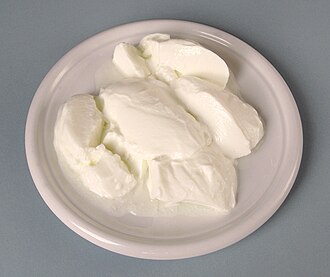
yogurt [family]

yogurt
yogurt
yogurt /ˈjoʊɡɚt/ noun food

Also spelled "yoghurt" (British) or "yoghourt". From Turkish.

  • a semi-solid food made from milk fermented by added bacteria

    She had Greek yogurt for breakfast.

yoghurt /ˈjoʊɡɚt/ noun

British spelling of yogurt.

  • British spelling of yogurt

    She had Greek yoghurt for breakfast.

#5368

yoga

yoga
yoga
yoga /ˈjoʊɡə/ uncountable noun

From Sanskrit "yoke/union". Ancient origin in Indian philosophy; modern Western yoga focuses mainly on the physical postures (asanas).

  • a Hindu spiritual and ascetic discipline that includes breath control, meditation, and bodily postures

    She practices yoga every morning.

#5367

sag [family]

sag /sæɡ/ intransitive verb
past: sagged /sæɡd/
pp: sagged /sæɡd/
  • to sink, subside, or hang down

    The bookshelf began to sag under the weight.

saggy /ˈsæɡi/ adjective
  • hanging down loosely or untidily

    The old sofa had saggy cushions.

#5366

hinder [family]

hinder /ˈhɪndɚ/ transitive verb
past: hindered /ˈhɪndɚd/
pp: hindered /ˈhɪndɚd/
  • to create difficulties for someone, resulting in delay or obstruction

    The fallen tree hindered traffic.

hindrance /ˈhɪndrəns/ noun

"Hinderance" is a less common variant spelling.

  • a thing that provides resistance or delay; an obstacle

    His weak English was a hindrance during the trip.

hinderance /ˈhɪndɚəns/ noun

Less common variant of hindrance.

  • variant of hindrance

    Bureaucracy can be a hinderance to progress.

#5365

locust

locust
locust
locust /ˈloʊkəst/ countable noun insect

One of the Ten Plagues of Egypt in the Bible. Locusts are essentially gregarious grasshoppers that swarm.

  • a large, mainly tropical grasshopper that migrates in vast swarms and consumes vegetation

    Locust swarms can devastate crops.

#5364

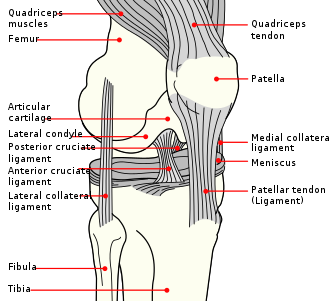
kneecap

kneecap
kneecap
kneecap /ˈniːkæp/ countable noun body

Medical term: patella. "Kneecapping" = a brutal form of punishment shooting the kneecap, historically used in Northern Ireland.

  • the convex movable bone that forms the front of the knee; the patella

    He fractured his kneecap in the fall.

#5363

fort [family]

fort
fort
fort /fɔːrt/ countable noun

Smaller and simpler than a fortress. "Hold the fort" (informal) = take care of things while someone is away. Famous: Fort Knox (US gold reserve).

  • a fortified building or strategic position

    The cavalry defended the fort.

fortress /ˈfɔːrtrəs/ countable noun

Larger than a fort; often the central stronghold of a city.

  • a military stronghold, especially a strongly fortified town

    The castle was once an impregnable fortress.

#5362

bushcraft

bushcraft /ˈbʊʃkræft/ uncountable noun

Popularized by survival shows and outdoor culture.

  • skill in surviving and thriving in natural wilderness

    The guide taught us basic bushcraft.

#5361

wrestle [family]

wrestle
wrestle
wrestle /ˈresəl/ verb sport
past: wrestled /ˈresəld/
pp: wrestled /ˈresəld/

Note silent "w".

  • to take part in a fight by grappling with an opponent and trying to throw or force them to the ground

    The two boys wrestled on the carpet.

wrestle /ˈresəl/ verb
past: wrestled /ˈresəld/
pp: wrestled /ˈresəld/
  • to struggle with a difficulty or problem

    He wrestled with his conscience before deciding.

wrestling /ˈreslɪŋ/ uncountable noun sport

"Pro wrestling" (e.g., WWE) is largely scripted entertainment, distinct from amateur/Olympic wrestling.

  • a sport in which two competitors grapple and try to throw each other to the ground

    He won a gold medal in wrestling.

arm-wrestle /ˈɑːrm resəl/ verb
past: arm-wrestled /ˈɑːrm resəld/
pp: arm-wrestled /ˈɑːrm resəld/
  • to participate in an arm wrestling match

    He challenged his brother to arm-wrestle.

wrestler /ˈresəlɚ/ countable noun

"W" silent. WWE: major professional wrestling brand. Sumo: Japanese form. Olympic Greco-Roman and freestyle wrestling.

  • a person who wrestles

    He was a champion wrestler in college.

wrest /rest/ transitive verb
past: wrested /ˈrestɪd/
pp: wrested /ˈrestɪd/

"W" silent. Homophone of "rest". "Wrest control from": common phrase. Same root as "wrestle".

  • to take by force

    They wrested power from the dictator.

#5360

woodpecker

woodpecker
woodpecker
woodpecker /ˈwʊdpekɚ/ countable noun bird

Famous: Woody Woodpecker, the cartoon character.

  • a bird with a strong bill and a stiff tail, that climbs tree trunks and pecks at wood

    The woodpecker drummed on the dead tree.

#5359

woe [family]

woe /woʊ/ noun

"Woe is me" is a classic literary lament. "Tale of woe" = a long sad story.

  1. (uncountable) great sorrow or distress

    He poured out his tale of woe.

  2. (countable, usually plural) troubles or problems

    The company has had a series of financial woes.

woeful /ˈwoʊfəl/ adjective
  1. characterized by, expressing, or causing sorrow or misery

    She gave a woeful sigh.

  2. very bad or poor

    The team's defense was woeful.

#5358

withhold

withhold /wɪðˈhoʊld/ transitive verb
past: withheld /wɪðˈhɛld/
pp: withheld /wɪðˈhɛld/

Past tense: withheld.

  • to refuse to give (something due to or desired by another)

    The witness withheld key information.

#5357

widow [family]

widow /ˈwɪdoʊ/ countable noun

"Black widow" = (1) a poisonous spider where the female eats the male after mating, (2) figurative term for a woman who outlives multiple husbands.

  • a woman whose spouse has died and who has not remarried

    The widow lived alone after her husband's death.

widower /ˈwɪdoʊɚ/ countable noun
  • a man whose spouse has died and who has not remarried

    The widower remarried after several years.

#5356

wholesome

wholesome /ˈhoʊlsəm/ adjective

Modern internet slang: "wholesome content" = uplifting, family-friendly material.

  1. conducive to or suggestive of good health and physical well-being

    They serve good wholesome food.

  2. conducive to or promoting moral well-being

    He's looking for a more wholesome lifestyle.

#5355

wholesale [family]

wholesale /ˈhoʊlseɪl/ noun

Antonym: retail.

  • (uncountable) the selling of goods in large quantities to be retailed by others

    He buys flowers wholesale and sells them in his shop.

wholesale /ˈhoʊlseɪl/ adjective
  • done on a large scale; extensive

    There was wholesale destruction in the city.

wholesaler /ˈhoʊlseɪlɚ/ countable noun
  • a person or company that sells goods in large quantities at low prices, typically to be resold

    The store buys directly from wholesalers.

#5354

whiskey / whisky [family]

whiskey
whiskey
whiskey /ˈwɪski/ noun beverage

Spelling convention: "whisky" for Scotch and Canadian; "whiskey" for Irish and American. From Gaelic uisge beatha ("water of life").

  • a strong distilled alcoholic drink made from grain such as barley or rye

    He poured himself a glass of whiskey.

whisky /ˈwɪski/ uncountable noun beverage

"Whisky": Scotch (Scottish). "Whiskey": Irish/American. Famous types: Scotch, Bourbon (US), Rye, Irish. From Gaelic "uisge beatha" (water of life).

  • a strong alcoholic drink made from grain

    He poured a glass of whisky.

#5353

wharf

wharf
wharf
wharf /wɔːrf/ countable noun

Plural: wharves or wharfs. Similar to pier, quay, dock.

  • a level area near water where boats can dock to load and unload

    The fishing boats were tied up at the wharf.

#5352

paramedic [family]

paramedic /ˌperəˈmedɪk/ countable noun
  • a person trained to give emergency medical care, especially in an ambulance, before or during transport to a hospital

    Paramedics arrived at the scene within minutes.

paramedical /ˌperəˈmedɪkəl/ adjective
  • relating to services and professions that supplement and support medical work

    She works in a paramedical field.

#5351

weary [family]

weary /ˈwɪri/ adjective

Don't confuse with "wary" (cautious).

  1. feeling or showing extreme tiredness

    She was weary after the long flight.

  2. reluctant to see or experience any more of (often "weary of")

    He had grown weary of the arguments.

weariness /ˈwɪrinəs/ uncountable noun
  • extreme tiredness; fatigue

    He sighed with weariness after the long shift.

#5350

waterproof

waterproof /ˈwɔːtɚpruːf/ adjective
  • impervious to water

    He wore a waterproof jacket.

#5349

warrant [family]

warrant /ˈwɔːrənt/ countable noun
  • (law) a written order issued by a legal or government official authorizing the police to do something

    The police obtained a search warrant.

warrant /ˈwɔːrənt/ transitive verb
past: warranted /ˈwɔːrəntɪd/
pp: warranted /ˈwɔːrəntɪd/
  • to justify or necessitate (a course of action)

    His behavior warrants further investigation.

death warrant /ˈdeθ ˌwɔːrənt/ countable noun

"Sign one's own death warrant" = take an action that will cause one's own downfall.

  • an official document ordering the execution of a person

    The governor signed the death warrant.

warranty /ˈwɔːrənti/ countable noun
  • a written guarantee, issued to the purchaser of an article by its manufacturer, promising to repair or replace it if necessary within a specified period of time

    The car comes with a three-year warranty.

#5348

ethanol / methanol [group]

ethanol /ˈeθənɔːl/ uncountable noun

The drinkable alcohol. Increasingly used as a biofuel.

  • the type of alcohol found in alcoholic beverages, also used as a fuel

    The gasoline contains 10% ethanol.

methanol /ˈmeθənɔːl/ uncountable noun

Highly toxic if ingested; can cause blindness or death.

  • a toxic alcohol used as a solvent and fuel

    Methanol poisoning is a danger of bootleg liquor.

#5347

walnut

walnut
walnut
walnut /ˈwɔːlnʌt/ countable noun food

Walnut wood is prized for furniture; walnut oil for cooking and finishing.

  • the brown wrinkled edible nut of a tree of the genus Juglans

    She added chopped walnuts to the salad.

#5346

wag

wag /wæɡ/ verb
past: wagged /wæɡd/
pp: wagged /wæɡd/
  • to move (especially a tail) rapidly from side to side

    The dog wagged its tail happily.

wag /wæɡ/ countable noun

Dated; survives mostly in "old wag".

  • (dated, informal) a person fond of making jokes

    Some wag had put a sign on his back.

#5345

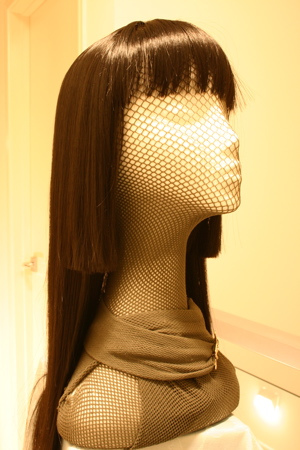
wig

wig
wig
wig /wɪɡ/ countable noun

"Big wig" comes from when important people wore large powdered wigs in the 17th-18th centuries. Modern slang: "wig" alone or "snatched my wig" means amazed.

  • a covering for the head made of real or synthetic hair

    The actor wore a wig for the role.

#5344

catalyst [family]

catalyst /ˈkætəlɪst/ countable noun
  1. (chemistry) a substance that increases the rate of a chemical reaction without itself undergoing permanent change

    Platinum is used as a catalyst in many reactions.

  2. (figurative) a person or thing that precipitates an event

    The book was a catalyst for social change.

catalyse /ˈkætəlaɪz/ transitive verb
past: catalysed /ˈkætəlaɪzd/
pp: catalysed /ˈkætəlaɪzd/

British spelling; American: catalyze.

  • (chemistry) to cause or accelerate a reaction by acting as a catalyst

    The enzyme catalyses the breakdown of starch.

catalysis /kəˈtæləsɪs/ uncountable noun
  • the acceleration of a chemical reaction by a catalyst

    The course covers heterogeneous catalysis.

catalytic /ˌkætəˈlɪtɪk/ adjective
  • relating to or involving catalysis

    The reaction is catalytic.

catalytic converter /ˌkætəˈlɪtɪk kənˈvɝtɚ/ countable noun
  • a device fitted to a motor vehicle's exhaust that converts harmful gases into less harmful ones

    Thieves have been stealing catalytic converters for the precious metals inside.

catalyze /ˈkætəlaɪz/ transitive verb
past: catalyzed /ˈkætəlaɪzd/
pp: catalyzed /ˈkætəlaɪzd/

American spelling of catalyse.

  • American spelling of catalyse

    The enzyme catalyzes the breakdown of starch.

#5343

vowel / consonant [group]

vowel /ˈvaʊəl/ countable noun

English has 5 vowel letters (a, e, i, o, u) but many more vowel sounds (around 20, depending on dialect).

  • a speech sound made by the vocal cords with the mouth open; a letter representing such a sound

    The letters A, E, I, O, U are vowels.

consonant /ˈkɑːnsənənt/ countable noun
  • a speech sound in which the breath is at least partly obstructed; a letter representing such a sound

    The word "strength" contains many consonants.

#5342

vocation [family]

vocation /voʊˈkeɪʃən/ countable noun

From Latin vocare ("to call"). Often used of careers seen as a divine calling.

  • a strong feeling of suitability for a particular career or occupation, especially one needing dedication

    He felt nursing was his vocation.

vocational /voʊˈkeɪʃənəl/ adjective
  • relating to a specific occupation or trade, especially in education or training

    She attended a vocational school to become an electrician.

#5341

transpire [family]

transpire /trænˈspaɪɚ/ verb
past: transpired /trænˈspaɪɚd/
pp: transpired /trænˈspaɪɚd/

From Latin trans- ("across") + spirare ("breathe"). Originally meant "emit through the skin".

  1. to come to be known or to occur

    It transpired that he had been lying.

  2. (of a plant) to give off water vapor through the leaves

    Trees transpire enormous quantities of water.

transpiration /ˌtrænspəˈreɪʃən/ uncountable noun
  • the process by which moisture is carried through plants from roots to small pores on the underside of leaves, where it changes to vapor

    Transpiration is part of the water cycle.

#5340

abridge [family]

abridge /əˈbrɪdʒ/ transitive verb
past: abridged /əˈbrɪdʒd/
pp: abridged /əˈbrɪdʒd/

Root of abridged/unabridged.

  • to shorten (a piece of writing) without losing the main content

    The editor abridged the novel for younger readers.

abridged /əˈbrɪdʒd/ adjective

Antonym: unabridged. Common label on shortened audiobooks.

  • (of a piece of writing) shortened

    He read an abridged version of the novel.

unabridged /ˌʌnəˈbrɪdʒd/ adjective
  • not cut or shortened; complete

    An unabridged dictionary.

#5339

vital [family]

vital /ˈvaɪtəl/ adjective
  1. absolutely necessary or important; essential

    Sleep is vital for good health.

  2. relating to or characteristic of life

    Blood pressure is a vital sign.

vitality /vaɪˈtæləti/ uncountable noun
  • the state of being strong and active; energy

    She is full of vitality despite her age.

vital signs /ˈvaɪtəl saɪnz/ plural noun

Standard vital signs in medicine: temperature, pulse, respiration rate, blood pressure.

  • clinical measurements that indicate the state of a patient's essential body functions

    The nurse checked the patient's vital signs every hour.

#5338

virgin [family]

virgin /ˈvɝdʒɪn/ noun

"Virgin olive oil" = unrefined oil from the first pressing.

  • a person who has never had sexual intercourse

    He claimed to have been a virgin until marriage.

virgin /ˈvɝdʒɪn/ adjective
  • not yet used, exploited, or processed

    They hiked through virgin forest.

virginal /ˈvɝdʒənəl/ adjective
  • being, relating to, or appropriate for a virgin

    She wore a virginal white dress.

virginity /vɚˈdʒɪnəti/ uncountable noun
  • the state of never having had sexual intercourse

    She lost her virginity at 19.

#5337

violin [family]

violin
violin
violin /ˌvaɪəˈlɪn/ countable noun musical instrument

Root of violinist.

  • a stringed musical instrument played with a bow, the smallest and highest-pitched of its family

    She has played the violin since she was five.

violinist /ˌvaɪəˈlɪnɪst/ countable noun

The violin is the smallest and highest-pitched member of the bowed string family.

  • a person who plays the violin

    She has been a professional violinist for twenty years.

#5336

vinegar [family]

vinegar
vinegar
vinegar /ˈvɪnəɡɚ/ uncountable noun food

From French vinaigre ("sour wine"). Many varieties: balsamic, apple cider, rice, malt, white.

  • a sour liquid made from oxidized alcohol, used as a condiment or for pickling

    She added balsamic vinegar to the salad dressing.

vinegary /ˈvɪnəɡɚi/ adjective
  1. sour or acidic, like vinegar

    The wine had gone vinegary.

  2. (figurative, of a person) sharp-tongued and bitter

    She had a vinegary tone.

#5335

Victorian

Victorian /vɪkˈtɔːriən/ adjective

Named after Queen Victoria (reigned 1837-1901). Often connotes strict morality and conservatism.

  1. relating to the reign of Queen Victoria

    The novel is set in Victorian England.

  2. (of attitudes) prudish, strict, or old-fashioned

    His views on marriage are positively Victorian.

#5334

victor [family]

victor /ˈvɪktɚ/ countable noun

From Latin "conqueror". Also a common male name.

  • a person who defeats an enemy or opponent in a battle, game, or other competition

    He emerged as the victor of the tournament.

victorious /vɪkˈtɔːriəs/ adjective
  • having won a victory

    The victorious team celebrated all night.

victory /ˈvɪktɚi/ noun
  • an act of defeating an enemy or opponent

    They celebrated a stunning victory.

#5333

vibrate [family]

vibrate /ˈvaɪbreɪt/ verb
past: vibrated /ˈvaɪbreɪtɪd/
pp: vibrated /ˈvaɪbreɪtɪd/
  • to move or cause to move with small, rapid movements

    The phone vibrated on the table.

vibrator /ˈvaɪbreɪtɚ/ countable noun

Most commonly refers to a sex toy.

  • a device that vibrates, especially one used for sexual stimulation

    The store sold massagers and vibrators.

vibration /vaɪˈbreɪʃən/ noun
  1. (uncountable) a continuous rapid shaking motion

    The engine's vibration could be felt through the floor.

  2. (countable) an instance of vibrating; a rapid oscillation

    The bridge experienced strong vibrations during the storm.

#5332

veto

veto /ˈviːtoʊ/ countable noun

From Latin "I forbid". UN Security Council's five permanent members have veto power.

  • a constitutional right to reject a decision or proposal

    The president used his veto to block the bill.

veto /ˈviːtoʊ/ transitive verb
past: vetoed /ˈviːtoʊd/
pp: vetoed /ˈviːtoʊd/
  • to exercise a veto against (a decision or proposal)

    Russia vetoed the resolution.

#5331

overcoat

overcoat /ˈoʊvɚkoʊt/ countable noun
  • a long warm coat worn over other clothes in cold weather

    He buttoned up his overcoat against the wind.

#5330

velvet [family]

velvet
velvet
velvet /ˈvelvət/ uncountable noun

"Velvet glove" implies softness covering an iron will ("iron fist in a velvet glove").

  • a closely woven fabric with a thick short pile on one side

    The curtains were made of red velvet.

velvety /ˈvelvəti/ adjective
  • having the soft smooth texture of velvet

    The cocoa had a velvety texture.

#5329

benzene

benzene /ˈbenziːn/ uncountable noun

Discovered by Faraday in 1825. The hexagonal benzene ring is one of the most important structures in organic chemistry.

  • a colorless flammable liquid hydrocarbon, used as a solvent and a known carcinogen

    Benzene is a basic building block of organic chemistry.

#5328

throng

throng /θrɔːŋ/ countable noun
  • a large, densely packed crowd

    A throng of fans gathered outside the stadium.

throng /θrɔːŋ/ verb
past: thronged /θrɔːŋd/
pp: thronged /θrɔːŋd/
  • (of a crowd) to fill or be present in (a place) in large numbers

    Tourists thronged the museum.

#5327

thorn [family]

thorn /θɔːrn/ countable noun

"Thorn in one's side" = a persistent annoyance.

  • a sharp pointed projection on a plant, especially the stem of a rose

    She pricked her finger on a thorn.

thorny /ˈθɔːrni/ adjective
  1. having many thorns

    The rose bush is very thorny.

  2. (figurative) difficult or troublesome

    This is a thorny problem.

#5326

thong

thong /θɔːŋ/ countable noun

In Australian English, "thongs" = flip-flop sandals.

  1. a narrow strip of leather or other material used as a fastening

    The sandal has a leather thong.

  2. a piece of underwear with a narrow strip of material at the back

    She wore a thong under her tight dress.

#5325

patio [family]

patio
patio
patio /ˈpætioʊ/ countable noun

From Spanish.

  • a paved outdoor area adjoining a house

    They had dinner on the patio.

patio door /ˈpætioʊ dɔːr/ countable noun
  • a glass door, typically sliding, that opens onto a patio

    He installed a new patio door.

#5324

beige

beige
beige
beige /beɪʒ/ adjective color

Slang: "beige" = boring, lacking personality.

  • of a pale sandy fawn color

    She wore a beige trench coat.

#5323

platonic

platonic /pləˈtɑːnɪk/ adjective

Named after Plato, who described non-sexual love between men. Modern usage refers to non-romantic friendships.

  • (of love or friendship) intimate and affectionate but not sexual

    They had a platonic relationship for years.

#5322

platoon

platoon /pləˈtuːn/ countable noun

Military unit smaller than a company, typically 30-50 soldiers. Distinct in origin from platonic (named after Plato).

  • a subdivision of a company of soldiers, usually forming a tactical unit

    The platoon was deployed to the front.

#5321

sword [family]

swordfish
swordfish
sword /sɔːrd/ countable noun

Silent "w". "The pen is mightier than the sword" = words are more powerful than violence.

  • a weapon with a long metal blade and a hilt, used for thrusting or striking

    The knight drew his sword.

swordfish /ˈsɔːrdfɪʃ/ countable noun
  • a large marine fish with a long flattened sword-like upper jaw

    Grilled swordfish was the special of the day.

#5320

dildo

dildo /ˈdɪldoʊ/ countable noun

Plural: dildos or dildoes.

  • an object shaped like an erect penis used for sexual stimulation

    The store sells various dildos.

#5319

walkie-talkie

walkie-talkie /ˌwɔːki ˈtɔːki/ countable noun
  • a portable two-way radio

    The security guards communicated via walkie-talkie.

#5318

pine cone

pine cone
pine cone
pine cone /ˈpaɪn koʊn/ countable noun

Different etymological pine - pineapple was named because it resembled a pine cone.

  • the dry brown cone-shaped fruit of a pine tree

    The children collected pine cones in the forest.

#5317

seahorse

seahorse
seahorse
seahorse /ˈsiːhɔːrs/ countable noun sea creature

Genus name: Hippocampus (from Greek "horse + sea monster"). Notable: male seahorses carry the eggs to term.

  • a small marine fish with an upright posture and a head shaped like that of a horse

    They watched seahorses at the aquarium.

#5316

silverfish

silverfish
silverfish
silverfish /ˈsɪlvɚfɪʃ/ countable noun

Often found in damp basements and bathrooms. Common household pests.

  • a small, wingless silver-colored insect that lives in damp places and eats starchy material

    They found silverfish in the bathroom.

#5315

vanilla

vanilla
vanilla
vanilla /vəˈnɪlə/ noun food

From Spanish vainilla ("little pod"). Vanilla pods are the second most expensive spice after saffron. Slang: "vanilla" = plain/conventional, especially in sexual preferences.

  1. (uncountable) a flavoring made from the seedpods of a tropical orchid

    She added vanilla extract to the batter.

  2. (adjective) plain or ordinary

    He has a vanilla taste in music.

#5314

vaccine [family]

vaccine /vækˈsiːn/ countable noun

From Latin vacca ("cow") - Edward Jenner used cowpox to develop the first smallpox vaccine in 1796.

  • a substance used to stimulate immunity against a disease

    She received the flu vaccine last week.

vaccinate /ˈvæksəneɪt/ transitive verb
past: vaccinated /ˈvæksəneɪtɪd/
pp: vaccinated /ˈvæksəneɪtɪd/
  • to treat with a vaccine to produce immunity against a disease

    Babies are vaccinated against measles.

vaccination /ˌvæksəˈneɪʃən/ noun
  • the act of vaccinating someone, or the injection given

    She received her flu vaccination last week.

#5313

utter [family]

utter /ˈʌtɚ/ adjective
  • complete; absolute

    That's utter nonsense.

utter /ˈʌtɚ/ transitive verb
past: uttered /ˈʌtɚd/
pp: uttered /ˈʌtɚd/
  • to make (a sound) with one's voice

    She didn't utter a word.

utterance /ˈʌtɚəns/ countable noun
  • a spoken word, statement, or sound

    He made a strange utterance that no one understood.

utterly /ˈʌtɚli/ adverb
  • completely and without qualification; absolutely

    I was utterly exhausted after the trip.

#5312

usher

usher /ˈʌʃɚ/ countable noun

At weddings, ushers escort guests to their seats.

  • a person who shows people to their seats in a theater or wedding

    The usher led them to their seats.

usher /ˈʌʃɚ/ transitive verb
past: ushered /ˈʌʃɚd/
pp: ushered /ˈʌʃɚd/

"Usher in" = mark the beginning of something new.

  • to show or guide (someone) somewhere

    She ushered the guests into the dining room.

#5311

upward [family]

upward /ˈʌpwɚd/ adjective
  • moving or facing upward

    There is an upward trend in sales.

upwards /ˈʌpwɚdz/ adverb

Both "upward" and "upwards" can be adverbs (American slightly prefers "upward"; British slightly prefers "upwards").

  • toward a higher place or level

    The smoke drifted upwards.

#5310

canary [family]

canary
canary
canary /kəˈneri/ countable noun bird

Named after the Canary Islands (which were themselves named after dogs, Latin canis). "Canary in a coal mine" = an early indicator of danger, from miners using canaries to detect toxic gases.

  • a small bird of the finch family with a song, often kept as a pet

    The canary sang in its cage.

canary yellow /kəˈneri ˌjeloʊ/ adjective
  • a bright yellow color like that of a canary

    She wore a canary yellow dress.

#5309

uprising

uprising /ˈʌpraɪzɪŋ/ countable noun
  • an act of rising up in revolt against an authority

    The peasant uprising shook the kingdom.

#5308

alopecia

alopecia /ˌæləˈpiːʃə/ uncountable noun

Common types: alopecia areata (patches), androgenetic alopecia (male pattern baldness). Made famous by the 2022 Will Smith Oscars slap incident involving Jada Pinkett Smith's alopecia.

  • the absence of hair from areas where it normally grows; baldness

    She has alopecia and wears a wig.

#5307

underpass

underpass /ˈʌndɚpæs/ countable noun

Antonym: overpass.

  • a road or path that passes under another road or railway

    They walked through the underpass to cross the highway.

#5306

unconditional [family]

unconditional /ˌʌnkənˈdɪʃənəl/ adjective
  • not subject to any conditions

    A parent's love should be unconditional.

unconditionally /ˌʌnkənˈdɪʃənəli/ adverb
  • without any conditions or limitations

    She loved her children unconditionally.

#5305

twinkle [family]

twinkle /ˈtwɪŋkəl/ intransitive verb
past: twinkled /ˈtwɪŋkəld/
pp: twinkled /ˈtwɪŋkəld/

"Twinkle in someone's eye" suggests amusement or mischief.

  1. (of a star or light) to shine with a gleam that varies between bright and faint

    Stars twinkled in the night sky.

  2. (of a person's eyes) to sparkle with amusement or liveliness

    His eyes twinkled with mischief.

twinkling /ˈtwɪŋklɪŋ/ adjective

"Twinkle, twinkle, little star": classic nursery rhyme. "Twinkling lights": Christmas decorations.

  • shining with a flickering light

    The twinkling stars filled the sky.

#5304

trout

trout
trout
trout /traʊt/ countable noun sea creature food

Plural same as singular. Common types: rainbow trout, brown trout, brook trout. Related to salmon.

  • a freshwater fish related to salmon, often caught for food and sport

    He caught a large trout in the stream.

#5303

smack

smack /smæk/ verb
past: smacked /smækt/
pp: smacked /smækt/

"Smack of" something = have a suggestion or trace of it. Slang use: "smack" = heroin.

  • to strike with the open palm

    She smacked the child for misbehaving.

smack /smæk/ countable noun
  • a sharp slap or blow

    He gave the ball a smack with the bat.

#5302

spat

spat /spæt/ countable noun

Also the past tense of "spit".

  • a petty quarrel

    They had a spat over the bill.

#5301

tropical [family]

tropical /ˈtrɑːpɪkəl/ adjective
  • of, typical of, or relating to the tropics

    They had a tropical vacation in Bali.

tropics /ˈtrɑːpɪks/ plural noun

Often used with "the".

  • the region of the Earth surrounding the equator, between the Tropic of Cancer and the Tropic of Capricorn

    Mangrove forests grow in the tropics.