Vocabulary: Batch 53

#5201 to #5300 (100 entries)

#5300

trillion

trillion /ˈtrɪljən/ number

In modern usage, trillion = 10^12 (a thousand billion). The old British "long scale" trillion was 10^18 but is now obsolete.

  • a million million; the number 10^12

    The national debt exceeds a trillion dollars.

#5299

trifle

trifle /ˈtraɪfəl/ countable noun

"A trifle" can also be used as an adverb meaning "a little": "a trifle disappointed".

  1. a thing of little value or importance

    He gave her some trifles as gifts.

  2. (British) a cold dessert made of layered sponge cake, fruit, jelly, custard, and cream

    She made a sherry trifle for the dinner party.

#5298

trek

trek /trek/ countable noun

From Afrikaans/Dutch. "Star Trek" is the famous sci-fi franchise.

  • a long arduous journey, especially one made on foot

    They went on a trek through the Himalayas.

trek /trek/ intransitive verb
past: trekked /trekt/
pp: trekked /trekt/
  • to go on a long, difficult journey

    We trekked across the mountains.

#5297

treasure [family]

treasure
treasure
treasure /ˈtreʒɚ/ noun
  1. (uncountable) a quantity of precious metals, gems, or other valuables

    The pirates buried their treasure.

  2. (countable) a very valuable object

    This painting is one of the museum's treasures.

treasure /ˈtreʒɚ/ transitive verb
past: treasured /ˈtreʒɚd/
pp: treasured /ˈtreʒɚd/
  • to keep carefully because of the value one attaches to it

    She treasures her grandmother's necklace.

treasury /ˈtreʒɚi/ countable noun

"The Treasury" (capitalized) = the government department in charge of finance (e.g., US Department of the Treasury).

  • the funds or revenue of a government, organization, or institution

    The treasury was depleted by years of war.

treasure chest /ˈtreʒɚ tʃest/ countable noun
  • a large strong box or container for holding valuables

    The pirates opened the treasure chest to find gold.

treasure trove /ˈtreʒɚ troʊv/ countable noun

From French "treasure found". Originally a legal term for unclaimed buried wealth.

  • a collection of valuable or delightful things

    The library is a treasure trove of historical documents.

treasurer /ˈtreʒɚɚ/ countable noun
  • a person appointed to administer or manage the financial assets of a society, company, or government

    She was elected as the club's treasurer.

#5296

disease [family]

disease /dɪˈziːz/ noun

Root of diseased.

  1. (uncountable) illness caused by infection, deficiency, or dysfunction

    Malaria is a disease spread by mosquitoes.

  2. (countable) a particular kind of illness with recognizable symptoms

    Heart disease is a leading cause of death.

diseased /dɪˈziːzd/ adjective
  • suffering from disease

    They removed the diseased tree.

#5295

transplant

transplant /trænsˈplænt/ transitive verb
past: transplanted /trænsˈplæntɪd/
pp: transplanted /trænsˈplæntɪd/

Verb stress on second syllable; noun on first.

  1. to move or transfer (something) to another place

    They transplanted the tree to the back yard.

  2. (medicine) to take (living tissue or an organ) and implant it in another part of the body or in another body

    They transplanted a kidney.

transplant /ˈtrænsplænt/ countable noun
  • an operation in which an organ or tissue is transplanted

    He's waiting for a heart transplant.

#5294

transcribe [family]

transcribe /trænˈskraɪb/ transitive verb
past: transcribed /trænˈskraɪbd/
pp: transcribed /trænˈskraɪbd/
  • to put (thoughts, speech, or data) into written or printed form

    She transcribed the interview from the recording.

transcript /ˈtrænskrɪpt/ countable noun

"Academic transcript" = an official record of a student's grades.

  • a written or printed version of material originally presented in another medium

    He requested a transcript of the trial.

transcription /trænˈskrɪpʃən/ noun
  • a written or printed representation of something

    The transcription took hours.

#5293

trademark

trademark /ˈtreɪdmɑːrk/ countable noun

Symbols: ™ (trademark) and ® (registered trademark).

  1. a symbol or name representing a company or product, legally registered to prevent others from using it

    "Coca-Cola" is a registered trademark.

  2. a distinctive characteristic associated with someone

    His trademark smile won her over.

#5292

torrent [family]

torrent /ˈtɔːrənt/ countable noun

"BitTorrent" file-sharing protocol gave the word a tech meaning: a file shared via P2P.

  1. a strong and fast-moving stream of water or other liquid

    The rain came down in torrents.

  2. (figurative) an overwhelming amount of something

    She unleashed a torrent of insults.

torrential /tɔːˈrenʃəl/ adjective
  • characterized by a fast, heavy flow, especially of rain

    Torrential rain flooded the streets.

#5291

token

token /ˈtoʊkən/ countable noun

In computing, a token is a piece of data (e.g., authentication token, API token). Cryptocurrency "tokens" are units on blockchain platforms.

  1. a thing serving as a visible or tangible representation of a fact, quality, or feeling

    He gave her a small gift as a token of his appreciation.

  2. a voucher exchangeable for goods or services

    She bought a book token.

token /ˈtoʊkən/ adjective
  • done for the sake of appearances or as a symbolic gesture

    He made a token attempt to clean up.

#5290

tiptoe

tiptoe /ˈtɪptoʊ/ intransitive verb
past: tiptoed /ˈtɪptoʊd/
pp: tiptoed /ˈtɪptoʊd/

"On tiptoe" or "on tiptoes" = standing on the toes only.

  • to walk quietly and carefully with one's heels raised

    She tiptoed past the sleeping baby.

#5289

tilt

tilt /tɪlt/ verb
past: tilted /ˈtɪltɪd/
pp: tilted /ˈtɪltɪd/

"Tilt at windmills" = fight imaginary enemies (from Don Quixote).

  • to move or cause to move into a sloping position

    She tilted her head to one side.

tilt /tɪlt/ countable noun
  • a sloping position

    The Earth's axis has a tilt of 23.5 degrees.

#5288

thereafter

thereafter /ˌðerˈæftɚ/ adverb

Formal/legal. Synonyms: afterwards, subsequently.

  • after that time; afterwards

    He retired in 1995 and shortly thereafter moved to Florida.

#5287

textile

textile /ˈtekstaɪl/ countable noun

From Latin textilis ("woven"). Same root as "text" (which originally meant "a thing woven").

  • a type of cloth or woven fabric

    The factory produces textiles for furniture.

#5286

maize

maize
maize
maize /meɪz/ uncountable noun

British/scientific term; American: corn. Originally cultivated in the Americas. "Maize" was the original word for what most Americans now call "corn".

  • a tall grain plant grown for its yellow seeds; corn

    Maize is a staple crop in Mexico.

#5285

terrace [family]

terrace /ˈterəs/ countable noun

Famous: rice terraces in Asia (e.g., Banaue Rice Terraces in the Philippines).

  1. a level paved area next to a building

    They had drinks on the terrace.

  2. each of a series of flat areas made on a slope, used for growing crops

    The hillside terraces were used to grow rice.

terraced /ˈterəst/ adjective

"Terraced house" (British) = row house (American).

  1. made into or having a series of terraces

    The vineyard sat on a terraced hillside.

  2. (British) (of a house) joined to others by shared walls

    They live in a Victorian terraced house.

terracing /ˈterəsɪŋ/ uncountable noun
  • the creation of flat areas on sloping ground

    The ancient terracing on the hillside.

#5284

tentative [family]

tentative /ˈtentətɪv/ adjective
  1. not certain or fixed; provisional

    They reached a tentative agreement.

  2. done without confidence; hesitant

    He gave a tentative smile.

tentatively /ˈtentətɪvli/ adverb
  • in a hesitant or uncertain way

    She tentatively agreed to the proposal.

#5283

tenant [family]

tenant /ˈtenənt/ countable noun

From Latin "to hold". Same root as "tenure".

  • a person who occupies land or property rented from a landlord

    The tenant pays $1500 a month in rent.

tenancy /ˈtenənsi/ countable noun
  • the period during which a tenant occupies a property

    Her tenancy ends in June.

#5282

tempo

tempo /ˈtempoʊ/ countable noun

Italian musical term. Measured in BPM (beats per minute). Famous tempi: largo (slow), allegro (fast), presto (very fast).

  1. the speed at which a passage of music is or should be played

    The conductor set a brisk tempo.

  2. the rate or rhythm of activity or work

    The project picked up tempo in the final weeks.

#5281

teleworker [family]

teleworker /ˈteləwɝkɚ/ countable noun

Synonyms: remote worker, telecommuter. Became widespread during the COVID-19 pandemic.

  • a person who works at home or remotely, communicating with the workplace by phone or computer

    Many teleworkers prefer the flexibility of working from home.

teleworking /ˈteləwɝkɪŋ/ uncountable noun
  • the practice of working from home, communicating electronically with the office

    Teleworking has become much more common.

#5280

telecommunications

telecommunications /ˌteləkəˌmjuːnəˈkeɪʃənz/ plural noun

Often shortened to "telecom".

  • the technology of sending information over long distances by cable, telephone, satellite, etc.

    He works in the telecommunications industry.

#5279

tedious

tedious /ˈtiːdiəs/ adjective
  • too long, slow, or dull; tiresome

    The meeting was tedious.

#5278

tan

tan /tæn/ noun color

"Tanning bed" = a sunbed used for artificial tanning. "Spray tan" = a sprayed cosmetic tan.

  1. (uncountable) a yellowish-brown color

    She wore tan shoes.

  2. (countable) a darker color of skin from exposure to the sun

    He got a great tan during his vacation.

tan /tæn/ verb
past: tanned /tænd/
pp: tanned /tænd/
  1. (of skin) to become brown from exposure to the sun

    She tans easily.

  2. to convert (animal hide) into leather using tannin

    They tan the leather using oak bark.

#5277

syrup [family]

syrup
syrup
syrup /ˈsɪrəp/ noun food

Maple syrup is famous from Canada and the northeastern US.

  • a thick sweet liquid made by dissolving sugar in water, often with flavorings

    She poured maple syrup on her pancakes.

syrupy /ˈsɪrəpi/ adjective
  1. having the consistency or sweetness of syrup

    The sauce was thick and syrupy.

  2. (figurative) excessively sentimental

    The movie was a bit too syrupy for my taste.

#5276

synthesize [family]

synthesize /ˈsɪnθəsaɪz/ transitive verb
past: synthesized /ˈsɪnθəsaɪzd/
pp: synthesized /ˈsɪnθəsaɪzd/

American spelling; British: synthesise.

  1. to combine (parts) into a whole

    He synthesized data from multiple studies.

  2. to produce (a substance) by chemical reactions

    Plants synthesize sugars from sunlight.

synthesized /ˈsɪnθəsaɪzd/ adjective
  • produced by synthesis, especially artificially

    The music uses synthesized sounds.

synthetic /sɪnˈθetɪk/ adjective
  • made by chemical synthesis, especially to imitate a natural product

    The shirt is made of synthetic fibers.

synthetics /sɪnˈθetɪks/ plural noun
  • synthetic materials or fibers, as opposed to natural ones

    The carpet is made of synthetics.

synthesise /ˈsɪnθəsaɪz/ transitive verb
past: synthesised /ˈsɪnθəsaɪzd/
pp: synthesised /ˈsɪnθəsaɪzd/

British spelling of synthesize.

  • British spelling of synthesize

    Plants synthesise sugars from sunlight.

#5275

antonym

antonym /ˈæntənɪm/ countable noun

Antonym pair: synonym (same meaning). Examples: hot/cold, big/small, happy/sad.

  • a word opposite in meaning to another

    "Big" is an antonym of "small".

#5274

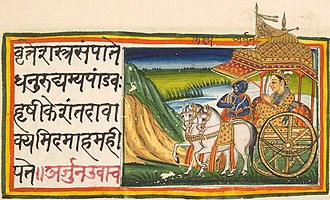
Sanskrit

Sanskrit
Sanskrit
Sanskrit /ˈsænskrɪt/ proper noun

The language of Hindu and Buddhist sacred texts (Vedas, Bhagavad Gita). Important in comparative linguistics for its close relation to other Indo-European languages.

  • an ancient Indic language, the classical language of India and Hinduism

    He studied Sanskrit in graduate school.

#5273

shred [family]

shred /ʃred/ transitive verb
past: shredded /ˈʃredɪd/
pp: shredded /ˈʃredɪd/

"Shred" became modern slang for skilled performance, especially in skateboarding/surfing/guitar.

  • to tear or cut into small pieces

    She shredded the documents.

shred /ʃred/ countable noun
  • a small strip cut or torn off

    His shirt was torn to shreds.

shredder /ˈʃredɚ/ countable noun
  • a machine for shredding paper or other materials

    The confidential documents were put through the shredder.

#5272

tarantula

tarantula
tarantula
tarantula /təˈræntʃələ/ countable noun

Named after the city of Taranto in Italy. Despite their fearsome reputation, most tarantulas are not dangerous to humans.

  • a large hairy spider found chiefly in tropical and subtropical America

    He keeps a pet tarantula.

#5271

quaint

quaint /kweɪnt/ adjective
  • attractively unusual or old-fashioned

    They stayed in a quaint village in the Cotswolds.

#5270

symphony [family]

symphony /ˈsɪmfəni/ countable noun

Beethoven wrote 9 symphonies; his 9th ("Ode to Joy") is among the most famous.

  • an elaborate musical composition for full orchestra, typically in four movements

    They performed Mahler's 5th symphony.

symphonic /sɪmˈfɑːnɪk/ adjective
  • relating to or having the form or character of a symphony

    The film has a symphonic soundtrack.

symphony orchestra /ˈsɪmfəni ˌɔːrkəstrə/ countable noun
  • a large orchestra of about 75-100 musicians, capable of performing symphonies

    The Boston Symphony Orchestra is one of the most respected in America.

#5269

Lithuania

Lithuania /ˌlɪθuˈeɪniə/ proper noun

One of the three Baltic states (with Latvia and Estonia). Capital: Vilnius. Joined the EU in 2004.

  • a country in northern Europe on the Baltic Sea

    Lithuania declared independence from the Soviet Union in 1990.

#5268

Europe [family]

Europe /ˈjʊrəp/ proper noun

Root of European.

  • a continent comprising the westernmost part of Eurasia

    She traveled across Europe by train.

European /ˌjʊrəˈpiːən/ adjective

Capitalized.

  • relating to Europe or its inhabitants

    She studied European history.

European /ˌjʊrəˈpiːən/ countable noun
  • a native or inhabitant of Europe

    Many Europeans speak multiple languages.

#5267

symmetry [family]

symmetry /ˈsɪmətri/ uncountable noun

From Greek: syn- ("together") + metron ("measure"). Antonym: asymmetry.

  • the quality of being made up of exactly similar parts facing each other

    The building has perfect symmetry.

symmetrical /sɪˈmetrɪkəl/ adjective
  • made up of exactly similar parts facing each other or around an axis

    The two sides of the face are roughly symmetrical.

asymmetry /eɪˈsɪmətri/ uncountable noun

Antonym of symmetry.

  • lack of symmetry or equality between parts

    The building's design plays with asymmetry.

asymmetrical /ˌeɪsɪˈmetrɪkəl/ adjective
  • not symmetrical; lacking balance between parts

    The haircut has an asymmetrical style.

#5266

Ethiopia

Ethiopia
Ethiopia
Ethiopia /ˌiːθiˈoʊpiə/ proper noun

One of the oldest independent nations in Africa. Birthplace of coffee. Capital: Addis Ababa.

  • a country in East Africa

    She traveled to Ethiopia to study its ancient churches.

#5265

carbohydrate [family]

carbohydrate /ˌkɑːrboʊˈhaɪdreɪt/ countable noun

Root of the informal clipping carb.

  • an organic compound that is a major source of dietary energy, such as sugar or starch

    Bread and pasta are high in carbohydrates.

carb /kɑːrb/ countable noun

Informal short for carbohydrate. "Low-carb diet" is a popular weight-loss approach.

  • (informal) a carbohydrate

    He's avoiding carbs to lose weight.

#5264

biometric

biometric /ˌbaɪoʊˈmetrɪk/ adjective

Common: fingerprint, iris, and face recognition systems.

  • relating to or involving the measurement of biological data, especially as a means of identification

    The phone unlocks with biometric authentication.

#5263

glacier [family]

glacier
glacier
glacier /ˈɡleɪʃɚ/ countable noun

Many glaciers are retreating due to climate change.

  • a slowly moving mass of ice formed by the accumulation and compaction of snow on mountains or near the poles

    They photographed the glacier in Alaska.

glacial /ˈɡleɪʃəl/ adjective
  1. relating to or caused by glaciers or ice

    The valley was carved out by glacial erosion.

  2. extremely cold

    A glacial wind blew across the lake.

  3. (of a process or attitude) very slow or cold and unfriendly

    Negotiations are moving at a glacial pace.

#5262

filament

filament /ˈfɪləmənt/ countable noun

In traditional incandescent bulbs, the filament glows when heated by electric current.

  • a slender threadlike object or fiber

    The filament in the light bulb burned out.

#5261

Sharpie

Sharpie /ˈʃɑːrpi/ countable noun

Brand name; "sharpie" used genericly. Famously used by Trump in the "Sharpiegate" 2019 hurricane map incident.

  • a brand of permanent marker with a fine point

    He signed the photo with a Sharpie.

#5260

erratic

erratic /ɪˈrætɪk/ adjective
  • not even or regular in pattern or movement; unpredictable

    His behavior has been increasingly erratic.

#5259

webinar

webinar /ˈwebɪnɑːr/ countable noun

Portmanteau of "web" + "seminar". Became widespread during the COVID-19 pandemic.

  • a seminar conducted over the internet

    She attended a webinar on digital marketing.

#5258

symbol [family]

symbol /ˈsɪmbəl/ countable noun
  • a mark or character used to represent something

    The dove is a symbol of peace.

symbolic /sɪmˈbɑːlɪk/ adjective
  • serving as a symbol

    The handshake was symbolic of their reconciliation.

symbolise /ˈsɪmbəlaɪz/ transitive verb
past: symbolised /ˈsɪmbəlaɪzd/
pp: symbolised /ˈsɪmbəlaɪzd/

British spelling; American: symbolize.

  • to be a symbol of

    The eagle symbolises freedom.

symbolize /ˈsɪmbəlaɪz/ transitive verb
past: symbolized /ˈsɪmbəlaɪzd/
pp: symbolized /ˈsɪmbəlaɪzd/
  • American spelling of symbolise

    The wedding ring symbolizes commitment.

symbolism /ˈsɪmbəlɪzəm/ uncountable noun
  • the use of symbols to represent ideas or qualities

    The poem is rich in symbolism.

#5257

swarm

swarm /swɔːrm/ countable noun
  1. a large group of flying insects

    A swarm of bees flew past.

  2. a large mass of people or things

    A swarm of reporters surrounded the celebrity.

swarm /swɔːrm/ verb
past: swarmed /swɔːrmd/
pp: swarmed /swɔːrmd/
  1. (of insects) to move in or as in a swarm

    Bees swarmed around the hive.

  2. (of people) to move somewhere in large numbers

    Tourists swarmed the museum.

#5256

swamp / wetland [group]

swamp /swɑːmp/ countable noun

"Drain the swamp" = a phrase used in politics to mean clearing out corruption.

  • an area of low-lying land flooded in wet seasons or at high tide

    They explored the Everglades swamp.

swamp /swɑːmp/ transitive verb
past: swamped /swɑːmpt/
pp: swamped /swɑːmpt/
  • to overwhelm or flood with too much of something

    The office was swamped with calls.

wetland /ˈwetlænd/ countable noun
  • land consisting of marshes or swamps; saturated land

    Wetlands are important habitats for many bird species.

#5255

bearish

bearish /ˈberɪʃ/ adjective

Antonym in finance: bullish. Bears swipe downward; bulls thrust upward.

  • (finance) characterized by falling share prices or pessimism about the market

    Analysts are bearish on the stock.

#5254

suspend [family]

suspend /səˈspend/ transitive verb
past: suspended /səˈspendɪd/
pp: suspended /səˈspendɪd/
  1. to temporarily stop or postpone

    The trial was suspended pending further evidence.

  2. to hang from somewhere

    A chandelier was suspended from the ceiling.

  3. to officially prohibit someone from holding their job for a period

    He was suspended from school for a week.

suspension /səˈspenʃən/ noun
  1. (uncountable) the action of suspending someone or something

    The student faces suspension.

  2. (uncountable) the system of springs and shock absorbers supporting a vehicle

    The car has an improved suspension.

suspension bridge /səˈspenʃən brɪdʒ/ countable noun

Famous examples: the Golden Gate Bridge, the Brooklyn Bridge.

  • a bridge in which the deck is suspended from cables anchored to towers

    The Golden Gate Bridge is a famous suspension bridge.

suspense /səˈspens/ uncountable noun
  • a state of nervous tension or excitement caused by uncertainty

    The film kept us in suspense until the end.

suspenseful /səˈspensfəl/ adjective
  • creating excitement or nervous uncertainty

    It was a suspenseful thriller.

#5253

surpass

surpass /sɚˈpæs/ transitive verb
past: surpassed /sɚˈpæst/
pp: surpassed /sɚˈpæst/
  • to exceed; to be greater than

    Her performance surpassed all expectations.

#5252

surname

surname /ˈsɝneɪm/ countable noun

Synonym: family name, last name.

  • a hereditary name common to all members of a family, as distinct from a first name

    His surname is Smith.

#5251

glove / gauntlet [group]

glove /ɡlʌv/ countable noun

"Fit like a glove" = fit perfectly. "Hand in glove" = working in close cooperation.

  • a covering for the hand worn for protection against cold or dirt

    He pulled on his gloves before going outside.

gauntlet /ˈɡɔːntlət/ countable noun

"Throw down the gauntlet" = issue a challenge (originating from medieval combat). "Run the gauntlet" = endure a series of attacks or criticism.

  • a strong glove with a long loose wrist, originally part of armor

    The knight wore steel gauntlets.

#5250

surgery [family]

surgery /ˈsɝdʒɚi/ noun

From Greek kheirourgia ("hand-work"). "Surgery" (British) can also mean a doctor's office.

  • (uncountable) the branch of medicine concerned with treatment by operations

    She underwent heart surgery.

surgeon /ˈsɝdʒən/ countable noun
  • a medical practitioner qualified to practice surgery

    The surgeon performed the operation.

surgical /ˈsɝdʒɪkəl/ adjective

"Surgical strike" = a precise military attack.

  • relating to or used in surgery

    She wore a surgical mask.

#5249

supplement [family]

supplement /ˈsʌpləmənt/ countable noun
  • a thing added to something else to complete or enhance it

    She takes vitamin supplements daily.

supplement /ˈsʌpləment/ transitive verb
past: supplemented /ˈsʌpləmentɪd/
pp: supplemented /ˈsʌpləmentɪd/

Stress shifts: noun on first syllable, verb on last.

  • to add something to something else, especially in a limited or moderate way

    He supplements his income with freelance work.

supplemental /ˌsʌpləˈmentəl/ adjective

American; British: supplementary.

  • completing or in addition to something

    The film has a supplemental commentary track.

supplementary /ˌsʌpləˈmentɚi/ adjective
  • completing or enhancing something

    There are supplementary materials in the back of the book.

supplementation /ˌsʌpləmenˈteɪʃən/ uncountable noun
  • the action of adding something extra

    Iron supplementation may be needed during pregnancy.

#5248

mutiny [family]

mutiny /ˈmjuːtəni/ noun

Famous: "Mutiny on the Bounty" (1789).

  • a rebellion against legitimate authority, especially by soldiers or sailors

    The crew threatened mutiny.

mutinous /ˈmjuːtənəs/ adjective
  • refusing to obey orders or rebellious

    The mutinous sailors seized control of the ship.

mutineer /ˌmjuːtəˈnɪr/ countable noun
  • a person who mutinies

    The mutineers were executed.

#5247

superior

superior /səˈpɪriɚ/ adjective

Antonym: inferior.

  1. higher in rank, status, or quality

    This wine is superior to that one.

  2. showing an exaggerated opinion of oneself

    He has a superior attitude.

superior /səˈpɪriɚ/ countable noun
  • a person of higher rank or status

    She reported the issue to her superior.

#5246

superficial

superficial /ˌsuːpɚˈfɪʃəl/ adjective
  1. existing or occurring at or on the surface

    The wound was superficial.

  2. appearing to be true or real only until examined more closely

    They have only a superficial knowledge of the subject.

#5245

suitcase

suitcase /ˈsuːtkeɪs/ countable noun
  • a rectangular case with a handle, used for carrying clothes when traveling

    She packed her suitcase for the trip.

#5244

suffocate [family]

suffocate /ˈsʌfəkeɪt/ verb
past: suffocated /ˈsʌfəkeɪtɪd/
pp: suffocated /ˈsʌfəkeɪtɪd/
  1. to die or cause to die from a lack of air or inability to breathe

    The fire suffocated several victims.

  2. (figurative) to feel oppressed or restricted

    He felt suffocated by their constant attention.

suffocation /ˌsʌfəˈkeɪʃən/ noun
  • death or distress caused by being unable to breathe

    The cause of death was suffocation.

#5243

succeed [family]

succeed /səkˈsiːd/ verb
past: succeeded /səkˈsiːdɪd/
pp: succeeded /səkˈsiːdɪd/

Root of success/successful/succession/successor.

  1. to achieve an aim or purpose

    She succeeded in passing the exam.

  2. to come after and take the place of (a person or thing)

    He succeeded his father as CEO.

success /səkˈses/ noun
  1. (uncountable) the achievement of an aim or purpose

    Hard work was the key to her success.

  2. (countable) a person or thing that succeeds

    The film was a huge success.

successful /səkˈsesfəl/ adjective
  • achieving the desired aim or result

    He had a successful career in law.

successfully /səkˈsesfəli/ adverb
  • in a way that achieves the desired result

    She successfully completed the marathon.

succession /səkˈseʃən/ noun

"In succession" = one after another. The HBO series "Succession" (2018-2023) is about media-family power struggles.

  1. (uncountable) a number of things or people following one another

    He won three games in succession.

  2. (uncountable) the action of inheriting a title, office, or property

    The royal succession passed to his daughter.

successive /səkˈsesɪv/ adjective
  • following one another or following others

    They lost three successive games.

successor /səkˈsesɚ/ countable noun
  • a person or thing that succeeds another

    Schoenberg's most brilliant successor.

#5242

subscribe [family]

subscribe /səbˈskraɪb/ verb
past: subscribed /səbˈskraɪbd/
pp: subscribed /səbˈskraɪbd/

Modern: "Subscribe!" became a YouTube cliche; "subscription model" replaced one-time purchases for many products.

  1. to arrange to receive something, especially a newspaper or service, regularly

    She subscribes to two magazines.

  2. to express agreement with an idea ("subscribe to")

    I don't subscribe to that theory.

subscriber /səbˈskraɪbɚ/ countable noun
  • a person who receives a publication or service regularly by paying in advance

    The channel has a million subscribers.

subscription /səbˈskrɪpʃən/ noun
  • the action of paying to receive something regularly

    He canceled his magazine subscription.

oversubscribed /ˌoʊvɚsəbˈskraɪbd/ adjective
  • having more applicants or buyers than available places

    The course was heavily oversubscribed.

#5241

subordinate

subordinate /səˈbɔːrdənət/ adjective

"Subordinate clause" in grammar = a clause that depends on a main clause.

  • lower in rank or position

    She has many subordinate staff.

subordinate /səˈbɔːrdənət/ countable noun
  • a person under the authority or control of another within an organization

    He treated his subordinates with respect.

#5240

style [family]

style /staɪl/ noun

Root of stylish.

  1. a distinctive manner of doing, expressing, or performing something

    Her writing style is clear and direct.

  2. elegance and sophistication, especially in appearance

    She always dresses with style.

style /staɪl/ transitive verb
past: styled /staɪld/
pp: styled /staɪld/
  • to design, arrange, or present in a particular way

    She had her hair styled for the wedding.

stylish /ˈstaɪlɪʃ/ adjective
  • fashionable; elegant

    She always dresses in a stylish way.

#5239

stroll [family]

stroll /stroʊl/ intransitive verb
past: strolled /stroʊld/
pp: strolled /stroʊld/
  • to walk in a leisurely way

    They strolled through the park.

stroll /stroʊl/ countable noun
  • a short leisurely walk

    Let's take a stroll along the beach.

stroller /ˈstroʊlɚ/ countable noun

American term. UK: "pushchair" or "buggy". Modern brands: Bugaboo, UPPABaby. Major baby-shower gift category.

  • (US) a wheeled chair for transporting babies

    She pushed the stroller through the park.

#5238

stray

stray /streɪ/ intransitive verb
past: strayed /streɪd/
pp: strayed /streɪd/
  • to move away from the group or the right course

    The sheep had strayed into the road.

stray /streɪ/ adjective animal
  • not in the right place; separated from the group

    A stray dog wandered into the yard.

stray /streɪ/ countable noun animal
  • a domestic animal that has wandered away from home; a stray dog or cat

    They adopted a stray from the shelter.

#5237

strangle [family]

strangle /ˈstræŋɡəl/ transitive verb
past: strangled /ˈstræŋɡəld/
pp: strangled /ˈstræŋɡəld/
  • to squeeze the throat of (a person or animal) so as to kill them by cutting off their air supply

    The killer strangled his victim.

strangled /ˈstræŋɡəld/ adjective
  • (of a voice or sound) muted or distorted, especially by emotion

    He spoke in a strangled voice.

stranglehold /ˈstræŋɡəlhoʊld/ countable noun
  1. a grip around the neck that restricts the air supply

    He had his opponent in a stranglehold.

  2. (figurative) complete or overwhelming control

    The company has a stranglehold on the market.

strangulation /ˌstræŋɡjəˈleɪʃən/ uncountable noun
  • the act of choking someone by squeezing the throat

    The report listed strangulation as the cause of death.

#5236

shanty [family]

shanty
shanty
shanty /ˈʃænti/ countable noun

"Sea shanty" = a sailor's traditional song; had a huge TikTok revival in 2021.

  1. a small crudely built shack

    He grew up in a shanty on the outskirts of town.

  2. a song sung by sailors while working

    They sang an old sea shanty.

shantytown /ˈʃæntitaʊn/ countable noun
  • a deprived area on the outskirts of a town consisting of large numbers of crude dwellings

    The sprawling shantytowns of the capital.

#5235

fire truck / fire engine [group]

fire engine
fire engine
fire truck /ˈfaɪɚ trʌk/ countable noun vehicle

American term for a fire engine.

  • (American) a large vehicle equipped to fight fires

    The fire truck rushed to the scene.

fire engine /ˈfaɪɚ ˌendʒən/ countable noun vehicle
  • a vehicle that carries firefighters and equipment to fight fires

    The fire engine pulled up to the burning building.

#5234

Gibraltar

Gibraltar
Gibraltar
Gibraltar /dʒɪˈbrɔːltɚ/ proper noun

British Overseas Territory at Spain's southern tip. The Rock of Gibraltar is iconic. "Solid as the Rock of Gibraltar" = unshakable.

  • a British territory on the southern coast of Spain, famous for its limestone rock

    They visited the apes of Gibraltar.

#5233

strait

strait /streɪt/ countable noun

Homophone of "straight". "Dire straits" = a difficult situation. Famous: Strait of Hormuz (Persian Gulf entrance), Strait of Gibraltar.

  • a narrow passage of water connecting two seas or large bodies of water

    The Strait of Magellan separates South America from Tierra del Fuego.

#5232

stepchild [family]

stepchild /ˈstepˌtʃaɪld/ countable noun

Plural: stepchildren.

  • a child of one's spouse from a previous relationship

    He has two stepchildren from his wife's previous marriage.

stepmother /ˈstepˌmʌðɚ/ countable noun

Stepmothers are often portrayed as villains in fairy tales (e.g., Cinderella, Snow White).

  • the woman who is married to one's father after the father's previous marriage

    She has a good relationship with her stepmother.

stepfather /ˈstepˌfɑːðɚ/ countable noun
  • the man who is married to one's mother after the mother's previous marriage

    He was raised by his stepfather.

#5231

stature

stature /ˈstætʃɚ/ uncountable noun

Don't confuse with statue or statute.

  1. a person's natural height

    He was a man of small stature.

  2. importance or reputation gained by ability or achievement

    She is a writer of international stature.

#5230

statute [family]

statute /ˈstætʃuːt/ countable noun

"Statute of limitations" = the time limit for prosecuting an offense.

  • a written law passed by a legislative body

    The new statute takes effect next year.

statute book /ˈstætʃuːt bʊk/ countable noun
  • a book or set of books containing the statutes of a country

    The law remained on the statute book for decades.

statutory /ˈstætʃətɔːri/ adjective
  • required, permitted, or established by statute (law)

    the statutory minimum wage

statutory rape /ˈstætʃətɔːri reɪp/ uncountable noun

Sex with a person below the legal age of consent, regardless of apparent willingness.

  • sexual activity with a person younger than the legal age of consent

    He was charged with statutory rape.

#5229

stationary / stationery [group]

stationary /ˈsteɪʃəneri/ adjective

Notoriously confused with stationery: "stationary" (with A) = not moving (think of an Auto stopped); "stationery" (with E) = paper.

  • not moving; standing still

    The car was stationary at the traffic light.

stationery /ˈsteɪʃəneri/ uncountable noun
  • writing and other office materials such as paper, pens, and envelopes

    She bought elegant stationery for thank-you notes.

#5228

statesman [family]

statesman /ˈsteɪtsmən/ countable noun

Often connotes higher integrity than "politician". "Elder statesman" = a senior respected figure.

  • a wise, skilled, and respected political leader

    He was regarded as a great statesman.

statesmanlike /ˈsteɪtsmənlaɪk/ adjective
  • resembling or befitting a statesman

    His handling of the crisis was statesmanlike.

statesmanship /ˈsteɪtsmənʃɪp/ uncountable noun
  • the skill or quality of being a statesman

    The speech showed remarkable statesmanship.

#5227

starve [family]

starve /stɑːrv/ verb
past: starved /stɑːrvd/
pp: starved /stɑːrvd/

"I'm starving" is hyperbolic for very hungry.

  1. to suffer or die from hunger

    Many people starved during the famine.

  2. to deprive of food

    The strikers were starved into submission.

starving /ˈstɑːrvɪŋ/ adjective
  1. suffering or dying from hunger

    The charity helps starving children.

  2. (informal) very hungry

    I'm starving - let's eat!

starvation /stɑːrˈveɪʃən/ uncountable noun
  • suffering or death caused by lack of food

    The prisoners were near starvation.

#5226

staple [family]

staple /ˈsteɪpəl/ countable noun
  1. a small piece of bent metal used to fasten papers together

    He removed the staple from the document.

  2. a main or important element or feature

    Rice is a staple of the Asian diet.

staple /ˈsteɪpəl/ adjective
  • main or important, especially regarding food

    Bread is a staple food in many cultures.

staple gun /ˈsteɪpəl ɡʌn/ countable noun
  • a hand-held device used to drive heavy metal staples into wood

    He used a staple gun to attach the fabric to the frame.

stapler /ˈsteɪplɚ/ countable noun
  • a device used to fasten papers together with a staple

    Pass me the stapler.

#5225

anvil

anvil
anvil
anvil /ˈænvɪl/ countable noun

Cartoon staple as a heavy object dropped on characters' heads. Also: the anvil bone (incus) in the middle ear.

  • a heavy iron block on which a blacksmith hammers and shapes metal

    The blacksmith hammered the horseshoe on the anvil.

#5224

stable [family]

stable /ˈsteɪbəl/ adjective

In medicine, "stable condition" = a patient is not deteriorating.

  1. not likely to change, fail, or give way

    The patient is in stable condition.

  2. firmly fixed or not likely to move

    Make sure the ladder is stable before climbing.

stable /ˈsteɪbəl/ countable noun animal

Different sense from the adjective: etymologically related (both from Latin stare "to stand") but functionally distinct in modern English.

  • a building in which horses are kept

    She mucked out the stable each morning.

stability /stəˈbɪləti/ uncountable noun
  • the quality of being stable

    The country has enjoyed political stability for decades.

stabilize /ˈsteɪbəlaɪz/ verb
past: stabilized /ˈsteɪbəlaɪzd/
pp: stabilized /ˈsteɪbəlaɪzd/

British spelling: stabilise.

  • to make or become stable

    His condition stabilized after the surgery.

stabilise /ˈsteɪbəlaɪz/ verb
past: stabilised /ˈsteɪbəlaɪzd/
pp: stabilised /ˈsteɪbəlaɪzd/

British spelling of stabilize.

  • British spelling of stabilize

    His condition stabilised overnight.

#5223

spotlight

spotlight
spotlight
spotlight /ˈspɑːtlaɪt/ countable noun

"In the spotlight" = receiving public attention. "Steal the spotlight" = take attention away from others.

  1. a strong beam of light that illuminates only a small area, used especially on a stage

    The dancer stepped into the spotlight.

  2. (figurative) intense public attention

    The scandal put the company in the spotlight.

spotlight /ˈspɑːtlaɪt/ transitive verb
past: spotlighted /ˈspɑːtlaɪtɪd/ or spotlit /ˈspɑːtlɪt/ (less common variant)
pp: spotlighted /ˈspɑːtlaɪtɪd/ or spotlit /ˈspɑːtlɪt/ (less common variant)

Past tense: spotlighted (preferred) or spotlit.

  • to direct attention to something

    The article spotlights the work of young scientists.

#5222

sportsman [family]

sportsman /ˈspɔːrtsmən/ countable noun

Gender-specific. Gender-neutral alternative: athlete or sportsperson.

  • a man who plays sports, especially at a professional level

    He was one of the great sportsmen of his generation.

sportswoman /ˈspɔːrtswʊmən/ countable noun
  • a woman who plays sports, especially at a professional level

    She was voted sportswoman of the year.

sportsmanship /ˈspɔːrtsmənʃɪp/ uncountable noun

"Good sportsmanship" / "bad sportsmanship" are the standard phrases.

  • fair and generous behavior or treatment of others, especially in sport

    He shook his opponent's hand, showing good sportsmanship.

#5221

miscarry [family]

miscarry /ˌmɪsˈkæri/ verb
past: miscarried /ˌmɪsˈkærid/
pp: miscarried /ˌmɪsˈkærid/

Root of miscarriage.

  1. (of a pregnancy) to end before the fetus can survive independently

    She miscarried in her second trimester.

  2. (formal) to fail to achieve the intended result

    The plan miscarried due to poor communication.

miscarriage /ˌmɪsˈkærɪdʒ/ countable noun

Distinguished from "abortion" (which is induced); a miscarriage is unintended. "Miscarriage of justice" = a serious legal error.

  1. the spontaneous ending of a pregnancy before the fetus is viable

    She suffered a miscarriage at twelve weeks.

  2. (formal) an unsuccessful outcome of something planned

    The trial was a miscarriage of justice.

#5220

spontaneous [family]

spontaneous /spɑːnˈteɪniəs/ adjective

Adverb: spontaneously. Noun: spontaneity.

  1. happening as a result of a sudden impulse, without planning

    They made a spontaneous decision to take a road trip.

  2. (of a process) occurring without external cause

    Spontaneous combustion is rare but possible.

spontaneously /spɑːnˈteɪniəsli/ adverb
  • in a way that happens naturally, without planning

    She spontaneously decided to sing.

spontaneity /ˌspɑːntəˈniːəti/ noun
  • the quality of being unplanned or impulsive

    The trip was full of spontaneity.

#5219

spiral

spiral
spiral
spiral /ˈspaɪrəl/ countable noun

"Downward spiral" = a worsening situation. "Spiral notebook" = one bound with a wire coil.

  • a curve that winds around a central point, either inward or outward

    The shell forms a perfect spiral.

spiral /ˈspaɪrəl/ verb
past: spiraled /ˈspaɪrəld/ or spiralled /ˈspaɪrəld/ (British spelling)
pp: spiraled /ˈspaɪrəld/ or spiralled /ˈspaɪrəld/ (British spelling)
  1. to move in a spiral course

    Smoke spiraled up from the chimney.

  2. to increase or decrease continuously and dramatically (often "spiral out of control")

    Prices have spiraled in the last year.

#5218

span

span /spæn/ countable noun

"Lifespan" / "attention span" / "wingspan" are common compounds.

  1. the length of time something lasts or covers

    Over a span of ten years, the city tripled in size.

  2. the full extent of something from end to end

    The bridge has a span of 200 meters.

span /spæn/ transitive verb
past: spanned /spænd/
pp: spanned /spænd/
  • to extend across or over (an area or period)

    The author's career spanned five decades.

#5217

spacecraft / spaceship [group]

spacecraft
spacecraft
spacecraft /ˈspeɪskræft/ countable noun

Plural same as singular: spacecraft. The neutral/technical term.

  • a vehicle used for travel or operation in outer space

    The spacecraft entered orbit successfully.

spaceship /ˈspeɪsʃɪp/ countable noun

More common in science fiction and informal speech than in actual aerospace usage.

  • a spacecraft, especially one carrying people

    The kids drew pictures of spaceships.

#5216

sovereign [family]

sovereign /ˈsɑːvrən/ countable noun

The middle "e" is silent: /ˈsɑːvrən/, not /ˈsɑːvərən/. Also: a British gold coin worth one pound.

  • a supreme ruler, especially a monarch

    The sovereign signs all laws.

sovereign /ˈsɑːvrən/ adjective
  • possessing supreme or ultimate power; (of a state) fully independent

    Each member is a sovereign nation.

sovereignty /ˈsɑːvrənti/ uncountable noun
  • supreme power or authority; the authority of a state to govern itself

    The treaty respected the nation's sovereignty.

#5215

sorrow [family]

sorrow /ˈsɑːroʊ/ noun

More formal/literary than "sadness". Often used for grief over loss.

  • a feeling of deep distress caused by loss, disappointment, or other misfortune

    She spoke with great sorrow about her brother's death.

sorrowful /ˈsɑːroʊfəl/ adjective
  • feeling or showing sorrow

    He gave a sorrowful sigh.

#5214

soothe [family]

soothe /suːð/ transitive verb
past: soothed /suːðd/
pp: soothed /suːðd/

Adjective: soothing.

  1. to gently calm a person or their feelings

    She soothed the crying baby with a lullaby.

  2. to reduce pain or discomfort

    This lotion soothes irritated skin.

soothing /ˈsuːðɪŋ/ adjective
  • having a calming, comforting effect

    The soothing sound of rain helped her fall asleep.

#5213

spasm [family]

spasm /ˈspæzəm/ countable noun

Adjective: spasmodic.

  1. a sudden involuntary muscular contraction

    He had a back spasm and could barely move.

  2. a brief sudden burst of activity, emotion, or sensation

    A spasm of pain crossed her face.

spasmodic /spæzˈmɑːdɪk/ adjective
  • occurring in sudden, irregular bursts rather than continuously

    He made spasmodic efforts to tidy his room.

#5212

solitary [family]

solitary /ˈsɑːləteri/ adjective

From Latin solus ("alone"). Not necessarily lonely: solitary can be a chosen state.

  1. existing or living alone

    He led a solitary life in the mountains.

  2. (of a place) secluded or isolated

    They came across a solitary cottage in the forest.

solitary confinement /ˌsɑːləteri kənˈfaɪnmənt/ uncountable noun

Often called "the hole" or "solitary" in American prison slang. UN considers prolonged solitary confinement a form of torture.

  • the isolation of a prisoner in a separate cell as a punishment

    He spent 30 days in solitary confinement.

solitude /ˈsɑːlətuːd/ uncountable noun

Positive connotation, unlike loneliness. "Solitude is the school of genius" (Edward Gibbon).

  • the state of being alone, often by choice

    She enjoyed the solitude of her morning walks.

#5211

solidarity

solidarity /ˌsɑːləˈdærəti/ uncountable noun

"Solidarność" (Solidarity) was the famous Polish trade union and political movement of the 1980s.

  • unity or agreement of feeling or action among individuals with a common interest

    Workers showed solidarity by joining the strike.

#5210

solemn [family]

solemn /ˈsɑːləm/ adjective

The "n" is silent. Related noun: solemnity.

  1. formal and dignified, often in a serious or grave way

    The funeral was a solemn occasion.

  2. sincere and serious in commitment

    He made a solemn promise to return.

solemnity /səˈlemnəti/ noun
  • the quality of being serious, formal, and dignified

    The solemnity of the ceremony moved everyone to silence.

#5209

sociology [family]

sociology /ˌsoʊsiˈɑːlədʒi/ uncountable noun

Founded as a discipline in the 19th century by Auguste Comte. Adjective: sociological. Person: sociologist.

  • the scientific study of the development and functioning of human society

    She majored in sociology at university.

sociological /ˌsoʊsiəˈlɑːdʒɪkəl/ adjective
  • relating to the study of society and social behavior

    The book offers a sociological analysis of urban poverty.

sociologist /ˌsoʊsiˈɑːlədʒɪst/ countable noun
  • a person who studies or is an expert in sociology

    The sociologist interviewed dozens of families for her study.

#5208

socialism [family]

socialism /ˈsoʊʃəlɪzəm/ uncountable noun

Contrast with capitalism (private ownership) and communism (a more radical extension). Definitions vary by political tradition.

  • a political and economic theory advocating that major industries should be owned or regulated by the community as a whole

    He wrote a book on the history of socialism in Europe.

socialist /ˈsoʊʃəlɪst/ countable noun
  • a person who supports socialism

    She has been a lifelong socialist.

socialist /ˈsoʊʃəlɪst/ adjective
  • relating to or supporting socialism

    The socialist party won the election.

socialistic /ˌsoʊʃəˈlɪstɪk/ adjective

Less common than "socialist" (adj); often slightly pejorative in American political usage.

  • having characteristics typical of socialism

    Critics called the policy socialistic.

#5207

social [family]

social /ˈsoʊʃəl/ adjective

Distinct from "sociable" (= friendly): a social event involves people, a sociable person enjoys people. "Social media" / "social network" / "social distancing" are key modern collocations.

  1. relating to society or its organization

    Inequality is a major social issue.

  2. involving meeting and spending time with other people for pleasure

    We have a busy social calendar this month.

socialisation /ˌsoʊʃələˈzeɪʃən/ uncountable noun

British spelling; American: socialization.

  • British spelling of socialization

    Early socialisation is important for puppies.

socialization /ˌsoʊʃələˈzeɪʃən/ uncountable noun
  • the process by which a person learns the norms and customs of their society

    Schools are a key site of childhood socialization.

socialise /ˈsoʊʃəlaɪz/ verb
past: socialised /ˈsoʊʃəlaɪzd/
pp: socialised /ˈsoʊʃəlaɪzd/

British spelling; American: socialize.

  • British spelling of socialize

    She doesn't socialise much with her coworkers.

socialize /ˈsoʊʃəlaɪz/ verb
past: socialized /ˈsoʊʃəlaɪzd/
pp: socialized /ˈsoʊʃəlaɪzd/
  1. to mix socially with others

    He socializes with people from work after hours.

  2. (formal) to make (someone) behave in a way acceptable to their society

    Children are socialized through play.

sociable /ˈsoʊʃəbəl/ adjective

Different sense from "social": describes a person's friendly disposition, not their participation in society.

  • willing to talk and engage in activities with other people; friendly

    He's a sociable guy who makes friends easily.

#5206

sneeze

sneeze /sniːz/ verb
past: sneezed /sniːzd/
pp: sneezed /sniːzd/

"Bless you" / "Gesundheit" are common responses after someone sneezes. "Nothing to sneeze at" = not insignificant.

  • to expel air suddenly and noisily from the nose and mouth as an involuntary reaction

    She sneezed three times in a row.

sneeze /sniːz/ countable noun
  • an act of sneezing

    He stifled a sneeze.

#5205

smuggle [family]

smuggle /ˈsmʌɡəl/ transitive verb
past: smuggled /ˈsmʌɡəld/
pp: smuggled /ˈsmʌɡəld/
  1. to move (goods) illegally into or out of a country

    They smuggled diamonds across the border.

  2. to convey secretly

    She smuggled a note into his pocket.

smuggler /ˈsmʌɡlɚ/ countable noun
  • a person who smuggles goods

    The smuggler was arrested at customs.

#5204

manipulate [family]

manipulate /məˈnɪpjəleɪt/ transitive verb
past: manipulated /məˈnɪpjəleɪtɪd/
pp: manipulated /məˈnɪpjəleɪtɪd/

Two distinct senses: literal (hands/tools) vs. figurative (influencing people, usually pejorative).

  1. to handle or control with skill

    The surgeon manipulated the tiny instruments with precision.

  2. to influence (someone) cleverly or unfairly

    She felt he had manipulated her into agreeing.

manipulative /məˈnɪpjələtɪv/ adjective
  • exercising unscrupulous control over someone or something

    He had a manipulative streak that drove people away.

manipulator /məˈnɪpjəleɪtɚ/ countable noun
  • a person who controls or influences others to their own advantage

    She turned out to be a skilled manipulator.

#5203

devious

devious /ˈdiːviəs/ adjective

From Latin "out of the way". Always disapproving.

  • using indirect or dishonest methods to achieve something

    He came up with a devious plan to avoid the rules.

#5202

grin

grin /ɡrɪn/ verb
past: grinned /ɡrɪnd/
pp: grinned /ɡrɪnd/

"Grin and bear it" = endure something unpleasant cheerfully. "Grin from ear to ear" = smile very widely.

  • to smile broadly, often showing the teeth

    He grinned when he saw the surprise.

grin /ɡrɪn/ countable noun
  • a broad smile

    She had a mischievous grin on her face.

#5201

sly

sly /slaɪ/ adjective

"On the sly" = secretly.

  • deceitful or cunning in a way that intends to gain an advantage

    He gave her a sly grin.