Vocabulary: Batch 37

#3601 to #3700 (100 entries)

#3700

bond

bond /bɑːnd/ countable noun

"James Bond": iconic British spy. "Bond" in chemistry: covalent bond, etc. "Bail bond": money paid for release pending trial.

  1. a close connection between people

    They formed a strong bond.

  2. a debt security issued by a government or company

    She invested in government bonds.

#3699

boast / brag [group]

boast /boʊst/ verb
past: boasted /ˈboʊstɪd/
pp: boasted /ˈboʊstɪd/

Slightly less negative than "brag". Can also mean "have as a notable feature" ("the hotel boasts a pool").

  • to talk with excessive pride about oneself

    He boasted about his salary.

brag /bræɡ/ verb
past: bragged /bræɡd/
pp: bragged /bræɡd/

Past tense: bragged (double g). "Brag" is more informal and clearly negative.

  • to talk boastfully

    Stop bragging about your new car.

boastful /ˈboʊstfəl/ adjective
  • talking with too much pride about oneself

    His boastful tone annoyed everyone.

#3698

bloom / blossom [group]

bloom /bluːm/ verb
past: bloomed /bluːmd/
pp: bloomed /bluːmd/

Used metaphorically: "late bloomer", person who develops later than usual. "Algae bloom": sudden growth in water.

  • (of a plant) produce flowers

    The roses bloom in June.

blossom /ˈblɑːsəm/ verb
past: blossomed /ˈblɑːsəmd/
pp: blossomed /ˈblɑːsəmd/

"Cherry blossom": iconic in Japanese culture (sakura). "Blossom" tends to be used for trees; "bloom" for flowers more generally.

  • (of a tree or bush) produce flowers

    The apple trees blossomed in spring.

#3697

blend [family]

blend /blend/ verb
past: blended /ˈblendɪd/
pp: blended /ˈblendɪd/

"Blend in": fit in with surroundings. "Blended family": family with step-relatives. "Blended whisky": mixed grain and malt.

  • to mix together

    Blend the ingredients in a bowl.

blender /ˈblendɚ/ countable noun

"Blender" is also a famous open-source 3D animation/modeling software.

  • an electric machine for mixing food

    She made a smoothie in the blender.

#3696

autograph

autograph /ˈɔːtəɡræf/ countable noun

From Greek autos (self) + graphein (to write). "Signature" is more general; "autograph" specifically refers to a celebrity's signature given to a fan.

  • a signature, especially of a famous person

    Fans waited for his autograph.

#3695

bin

bin /bɪn/ countable noun

British: "bin" = trash can / garbage can (American). "Bin Laden": famous surname, unrelated. "Recycling bin": common modern object.

  • a container for storage or rubbish

    Throw it in the bin.

#3694

basin

basin /ˈbeɪsən/ countable noun

"Amazon basin": drainage area of the Amazon River. British: "basin" can also mean sink (washbasin). "Pelvic basin": anatomical term.

  • a bowl-shaped depression on the earth's surface

    They explored the river basin.

#3693

bargain

bargain /ˈbɑːrɡən/ countable noun

"Bargain hunter": someone seeking deals. "Plea bargain": legal agreement to plead guilty for reduced charges. "Strike a bargain": reach a deal.

  • an agreement between two parties; a good deal

    It was a great bargain at half price.

#3692

bankrupt [family]

bankrupt /ˈbæŋkrʌpt/ adjective

From Italian banca rotta (broken bench): historical practice of breaking a moneychanger's bench when he failed. "Morally bankrupt": figurative.

  • declared in law as unable to pay debts

    The company went bankrupt.

bankruptcy /ˈbæŋkrʌptsi/ uncountable noun

"File for bankruptcy" - common legal phrase. "Chapter 11" - US business reorganization bankruptcy.

  • the state of being legally declared unable to pay debts

    The company filed for bankruptcy.

#3691

bandage

bandage
bandage
bandage /ˈbændɪdʒ/ countable noun medical

"Band-Aid": generic term for adhesive bandage (originally a brand name). "Bandage" is the strip used to wrap a wound.

  • a strip of material used to bind a wound

    The nurse applied a bandage to his arm.

#3690

ballet [family]

ballet
ballet
ballet /bæˈleɪ/ uncountable noun

From French. Silent "t" at end. Originated in Italian Renaissance, refined in French/Russian courts. Famous: Bolshoi (Moscow), Royal Ballet (London), Paris Opera Ballet.

  • an artistic dance form performed to music

    She studied ballet from age four.

balletic /bæˈletɪk/ adjective
  • relating to or resembling ballet; graceful

    The skater's balletic movements wowed the judges.

#3689

bald

bald /bɔːld/ adjective

"Bald eagle": US national bird (not actually bald, has white feathers on head). "Bald-faced lie": bold, obvious lie. "Going bald": losing hair.

  • having no hair on the head

    He went bald at thirty.

#3688

authority [family]

authority /əˈθɔːrəti/ noun

"The authorities" (plural) = government officials, often police. "An authority on" = an expert.

  1. the power to make decisions

    She has the authority to hire.

  2. an expert in a subject

    He's an authority on Roman history.

authoritative /əˈθɔːrəteɪtɪv/ adjective

Don't confuse with "authoritarian" (= demanding total obedience, like a dictator). "Authoritative" is positive; "authoritarian" is negative.

  1. commanding and self-confident

    He spoke in an authoritative tone.

  2. able to be trusted as accurate

    This is the authoritative biography.

#3687

waterfront

waterfront /ˈwɔːtɚfrʌnt/ countable noun

"On the Waterfront": classic 1954 Marlon Brando film. "Cover all bases" can also be expressed as "cover the waterfront".

  • a part of a town that borders a body of water

    They walked along the waterfront.

#3686

attach [family]

attach /əˈtætʃ/ transitive verb
past: attached /əˈtætʃt/
pp: attached /əˈtætʃt/

"Please find attached": standard email phrasing. "Attached to": emotionally connected. Past tense: attached.

  • to fasten or join

    She attached the file to the email.

attachment /əˈtætʃmənt/ countable noun

"Email attachment" - common tech usage. Psychology: "attachment theory" - emotional bonds.

  • a file joined to an email, or an emotional bond

    She sent the report as an attachment.

attached /əˈtætʃt/ adjective

Can be physical or emotional: attached file, attached to a person.

  1. fastened or joined to something else

    Please see the attached file.

  2. emotionally connected or devoted to someone

    He grew very attached to his little sister's dog.

#3685

atomic bomb

atomic bomb
atomic bomb
atomic bomb /əˈtɑːmɪk bɑːm/ countable noun

Often called "A-bomb" or "atom bomb". Used only twice in war: Hiroshima (Aug 6, 1945) and Nagasaki (Aug 9, 1945). Manhattan Project produced the first ones. Less powerful than later hydrogen bombs.

  • a bomb that derives its destructive power from nuclear fission

    The atomic bomb changed warfare forever.

#3684

assure [family]

assure /əˈʃʊr/ transitive verb
past: assured /əˈʃʊrd/
pp: assured /əˈʃʊrd/

Distinct: "assure" (reassure someone) vs. "ensure" (make certain) vs. "insure" (buy insurance). All three are commonly confused.

  • to tell someone something positively to remove doubt

    I assure you it's safe.

assurance /əˈʃʊrəns/ noun

"Quality assurance" (QA): major business function. "Self-assurance": confidence.

  • a positive declaration intended to give confidence

    He gave me his assurance.

#3683

associate [family]

associate /əˈsoʊsieɪt/ verb
past: associated /əˈsoʊsieɪtɪd/
pp: associated /əˈsoʊsieɪtɪd/

Verb stress on "so"; noun ("an associate") stress is the same but pronunciation ends -ət instead of -eɪt.

  • to connect (someone or something) with something else in one's mind

    I associate her with happy memories.

association /əˌsoʊsiˈeɪʃən/ noun

Common: "Parent-Teacher Association" (PTA), "NBA" (National Basketball Association). "Free association": psychoanalytic technique (Freud).

  • a group of people organized for a joint purpose

    She joined the homeowners' association.

associated /əˈsoʊʃieɪtɪd/ adjective
  • connected with something else

    Two associated events.

#3682

assist [family]

assist /əˈsɪst/ transitive verb
past: assisted /əˈsɪstɪd/
pp: assisted /əˈsɪstɪd/

In sports: an "assist" (noun) is a pass leading directly to a score.

  • to help someone

    He assisted the elderly woman with her bags.

assistant /əˈsɪstənt/ countable noun

"Personal assistant" (PA): modern job. "Virtual assistant": Siri, Alexa, Google Assistant. "Administrative assistant": modern term for secretary.

  • a person who helps another

    She works as a research assistant.

#3681

assemble [family]

assemble /əˈsembəl/ verb
past: assembled /əˈsembəld/
pp: assembled /əˈsembəld/

"Assemble" instructions : IKEA-style furniture is famous for them. "Assembly required" : common product warning. "Avengers assemble!" : Marvel rallying cry.

  • to gather together; to fit together the parts of

    The class assembled in the gym.

assembly /əˈsembli/ noun

"Assembly line" : Ford's revolutionary production method. "General Assembly" : UN's main deliberative body. "School assembly" : meeting of all students.

  1. a group of people gathered together

    The school assembly is at 9 a.m.

  2. the process of putting together parts

    The car requires assembly.

assembly line /əˈsembli laɪn/ countable noun
  • a production system where parts are added in sequence

    The car moved slowly down the assembly line.

assembly plant /əˈsembli plænt/ countable noun
  • a factory where products are put together from parts

    The company opened a new assembly plant in Ohio.

assemblage /əˈsemblɪdʒ/ countable noun

More formal than group or collection; common in art, archaeology, and ecology.

  • a collection of people or things gathered together

    The museum displayed an assemblage of old tools.

#3680

aspect

aspect /ˈæspekt/ countable noun

In grammar: "aspect" of a verb (perfective, progressive). In astrology: relative positions of planets. "Aspect ratio": width-to-height ratio of an image.

  • a particular part or feature of something

    Consider all aspects of the problem.

#3679

shame [family]

shame /ʃeɪm/ uncountable noun

"Shame!": common exclamation of disapproval (especially British). "What a shame": expression of mild disappointment. "Shame on you": accusation of moral failing.

  • a painful feeling of humiliation

    She was filled with shame.

ashamed /əˈʃeɪmd/ adjective

Always predicative (after the verb), never before a noun.

  • embarrassed or guilty because of one's actions or characteristics

    He felt ashamed of his behavior.

shameful /ˈʃeɪmfəl/ adjective

Stronger than "embarrassing". Implies moral disapproval, not just social discomfort.

  • worthy of or causing shame

    His behavior was shameful.

#3678

art [family]

art /ɑːrt/ uncountable noun

"Fine art" vs "applied art". "State of the art" = the most advanced stage of development.

  • the expression of human creative skill, typically in painting, drawing, or sculpture

    The museum has a fine collection of modern art.

artistic /ɑːrˈtɪstɪk/ adjective

"Artistic license": creative freedom to deviate from accuracy. "Artistic temperament": stereotyped emotional sensitivity of artists.

  • having natural creative skill

    She is very artistic.

#3677

artificial respiration

artificial respiration /ˌɑːrtəˌfɪʃəl ˌrespəˈreɪʃən/ uncountable noun

"Mouth-to-mouth resuscitation" or "rescue breathing". Often combined with chest compressions in CPR (cardiopulmonary resuscitation).

  • the act of stimulating breathing in someone whose breathing has stopped

    The lifeguard performed artificial respiration.

#3676

arise

arise /əˈraɪz/ intransitive verb
past: arose /əˈroʊz/
pp: arisen /əˈrɪzən/

Past tense: arose. Past participle: arisen. More formal than "come up". "Arise from": be caused by.

  • to come into existence

    Problems will inevitably arise.

#3675

arch

arch /ɑːrtʃ/ countable noun

Famous: Gateway Arch (St. Louis), Triumphal Arch (Paris). "Arch nemesis" / "arch enemy": primary opponent.

  • a curved structure forming the upper edge of an open space

    They passed under the arch.

#3674

aquarium

aquarium
aquarium
aquarium /əˈkweriəm/ countable noun

From Latin aqua (water). Public aquariums: Monterey Bay (CA), Georgia Aquarium (Atlanta, world's largest), Okinawa Churaumi (Japan).

  • a glass tank in which fish and other water animals are kept

    She bought a fish for the aquarium.

#3673

approve [family]

approve /əˈpruːv/ transitive verb
past: approved /əˈpruːvd/
pp: approved /əˈpruːvd/

"Approve of" - express a favorable opinion; "approve" (without "of") - officially sanction.

  • to officially agree to or accept something as satisfactory

    The board approved the new budget.

approval /əˈpruːvəl/ noun

"Seal of approval": formal endorsement. "Approval rating": common political polling metric.

  • the act of approving

    The plan requires committee approval.

#3672

appoint [family]

appoint /əˈpɔɪnt/ transitive verb
past: appointed /əˈpɔɪntɪd/
pp: appointed /əˈpɔɪntɪd/

Different from "elect": "appoint" usually means designation by an authority, not voting.

  • to assign someone to a position

    The president appointed a new ambassador.

appointed /əˈpɔɪntɪd/ adjective

"At the appointed time": scheduled time. "Well-appointed": nicely furnished (real estate term).

  • officially chosen for a position

    The newly appointed director gave a speech.

appointment /əˈpɔɪntmənt/ countable noun

"Doctor's appointment", "hair appointment": common everyday usage. Distinct from "meeting": appointment is usually scheduled with a professional.

  • a prearranged meeting

    I have an appointment at 3 p.m.

#3671

apply [family]

apply /əˈplaɪ/ verb
past: applied /əˈplaɪd/
pp: applied /əˈplaɪd/

"Apply for" a job; "apply" a rule or method; "apply" cream to skin.

  • to make a formal request, or to put something into use

    She applied for the scholarship.

application /ˌæpləˈkeɪʃən/ countable noun

"Application" (app) - software program. "Job application" - formal request for employment.

  • a formal request, or a practical use of something

    He submitted his college application.

applicant /ˈæplɪkənt/ countable noun

"Job applicant" / "applicant pool": HR vocabulary. Distinct from "candidate" (which can be more political).

  • a person who applies for something

    There were 500 applicants for the job.

applicable /ˈæplɪkəbəl/ adjective

Stress can also fall on the second syllable (/əˈplɪkəbəl/), especially in British English. "N/A" on forms = not applicable.

  • relevant or appropriate to a particular situation

    This rule is not applicable in your case.

#3670

anxious [family]

anxious /ˈæŋkʃəs/ adjective

Two senses: worried (negative) or eager (positive). "Anxious to please": eager. "Anxious about": worried.

  • feeling worried or nervous

    She felt anxious about the interview.

anxiety /æŋˈzaɪəti/ uncountable noun

"Anxiety disorder" - clinical diagnosis. "Separation anxiety" - common in children and pets.

  • a feeling of worry or unease

    He suffered from severe anxiety before exams.

#3669

annual [family]

annual /ˈænjuəl/ adjective

"Annual report": yearly financial document. "Annual leave": paid vacation days. "Annual plant": completes life cycle in one year.

  • occurring once a year

    It's an annual event.

semi-annual /ˌsemiˈænjuəl/ adjective
  • occurring twice a year; half-yearly

    A semi-annual report.

#3668

anniversary

anniversary /ˌænəˈvɝsɚi/ countable noun

Wedding anniversaries have traditional gifts (paper-1, silver-25, gold-50, diamond-60). Major birthdays sometimes called anniversaries in formal speech.

  • the date on which an event took place

    They celebrated their 25th wedding anniversary.

#3667

ancestor [family]

ancestor /ˈænsestɚ/ countable noun

"Common ancestor": evolutionary biology concept. "Ancestry.com": popular DNA/genealogy service. Antonym: descendant.

  • a person from whom one is descended

    Her ancestors came from Ireland.

ancestry /ˈænsestri/ noun

"Ancestry" can refer to lineage or to ethnic/national origin. Genetic ancestry testing popularized by 23andMe and AncestryDNA.

  • family or ethnic descent

    He has German ancestry.

ancestral /ænˈsestrəl/ adjective

"Ancestral home" / "ancestral land": places of family origin, often significant in indigenous land claims.

  • relating to or inherited from one's ancestors

    They returned to their ancestral village.

#3666

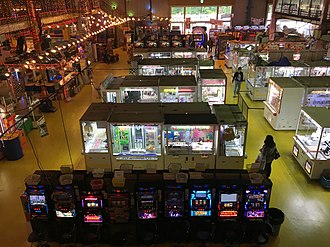
arcade [family]

arcade game
arcade game
arcade /ɑːrˈkeɪd/ countable noun

Historic: covered shopping arcades (Burlington Arcade, London, 1819). Modern: video arcade (peak 1980s, Pac-Man, Space Invaders, Donkey Kong era).

  • a covered passageway with shops, or a place with arcade games

    The kids spent hours at the arcade.

arcade game /ɑːrˈkeɪd ɡeɪm/ countable noun
  • a coin-operated entertainment machine typically installed in public businesses like restaurants, bars and amusement arcades

    He spent all his quarters on arcade games.

#3665

amuse [family]

amusement park
amusement park
amuse /əˈmjuːz/ transitive verb
past: amused /əˈmjuːzd/
pp: amused /əˈmjuːzd/

"Amuse-bouche" (French): small appetizer in fine dining. "Are you trying to amuse yourself?": slightly condescending question.

  • to cause to laugh or smile

    The clown amused the children.

amused /əˈmjuːzd/ adjective

"Not amused": Queen Victoria famously said "We are not amused" (possibly apocryphal). Now used ironically for displeasure.

  • finding something funny

    She was amused by his joke.

amusement /əˈmjuːzmənt/ noun
  • the state of finding something funny

    He watched in amusement.

amusement park /əˈmjuːzmənt pɑːrk/ countable noun

Famous: Disneyland (1955, first modern theme park), Disney World, Six Flags, Universal Studios. Distinct from "theme park" (which has unified theme) and "water park".

  • a park with rides and attractions

    They spent the day at the amusement park.

#3664

agree [family]

agree /əˈɡriː/ intransitive verb
past: agreed /əˈɡriːd/
pp: agreed /əˈɡriːd/

"Agree to disagree" - accept a difference of opinion peacefully.

  • to have the same opinion as someone else

    They agreed on the terms of the deal.

agreeable /əˈɡriːəbəl/ adjective

In personality psychology, "agreeableness" is one of the Big Five traits.

  • pleasant; willing to agree

    He is an agreeable companion.

disagreeable /ˌdɪsəˈɡriːəbəl/ adjective
  1. unpleasant or unenjoyable

    There was a disagreeable smell in the room.

  2. (of a person) unfriendly and bad-tempered

    She found him a disagreeable companion.

disagree /ˌdɪsəˈɡriː/ intransitive verb
past: disagreed /ˌdɪsəˈɡriːd/
pp: disagreed /ˌdɪsəˈɡriːd/
  • to have or express a different opinion

    I disagree with your conclusion.

disagreement /ˌdɪsəˈɡriːmənt/ noun
  • a lack of consensus or approval

    There was disagreement among the board members.

#3663

agent [family]

agent /ˈeɪdʒənt/ countable noun

"Secret agent": spy. "Real estate agent": broker. "Free agent": sports term for unsigned player. "Agent of change": figurative.

  • a person who acts on behalf of another

    His agent negotiated the deal.

agency /ˈeɪdʒənsi/ countable noun

"CIA" = Central Intelligence Agency. "Travel agency", "advertising agency", "adoption agency": common types. Modern philosophy: "agency" = capacity to act independently.

  • a business that provides a particular service

    She works at an advertising agency.

#3662

adopt [family]

adopt /əˈdɑːpt/ transitive verb
past: adopted /əˈdɑːptɪd/
pp: adopted /əˈdɑːptɪd/

Three main senses: legal adoption (child), pet adoption, or take on (idea/practice). "Adopt or die": business motto about change.

  1. to legally take another's child as your own

    They adopted a baby from China.

  2. to take on or use

    The company adopted a new strategy.

adoption /əˈdɑːpʃən/ countable noun
  • the act of legally taking another's child as your own, or taking on a practice

    The adoption process took over a year.

#3661

acquire [family]

acquire /əˈkwaɪɚ/ transitive verb
past: acquired /əˈkwaɪɚd/
pp: acquired /əˈkwaɪɚd/

"Acquired taste": something you learn to like over time (olives, blue cheese, beer). In business: company acquisitions.

  • to obtain or get

    She acquired a taste for olives.

acquisition /ˌækwəˈzɪʃən/ noun

"Mergers and acquisitions" (M&A): major area of corporate finance. "Language acquisition": how children learn their first language (Chomsky's field).

  • the act of acquiring or obtaining something

    The acquisition of the company took six months.

acquisitive /əˈkwɪzətɪv/ adjective

Often pejorative. From "acquire". "Acquisitive instinct": psychology term about hoarding/collecting tendencies.

  • excessively interested in acquiring money or things

    He was a deeply acquisitive man.

#3660

acid [family]

acid /ˈæsɪd/ noun

In informal use, "acid" sometimes refers to LSD. pH scale: below 7 is acidic. "Acid test": definitive test of value.

  • a chemical substance with a sour taste that can corrode metals

    Lemon juice contains citric acid.

amino acid /əˈmiːnoʊ ˌæsɪd/ countable noun

20 standard amino acids in proteins. "Essential amino acids" must be obtained from food. Building blocks of life.

  • an organic compound that forms the building block of proteins

    There are twenty essential amino acids.

hydrochloric acid /ˌhaɪdrəˌklɔːrɪk ˈæsɪd/ uncountable noun

Chemical formula HCl. Found naturally in stomach gastric acid. Strong industrial chemical.

  • a strong acid used in industry and digestion

    Hydrochloric acid is produced by the stomach.

nucleic acid /nuˌkliːɪk ˈæsɪd/ countable noun

DNA and RNA are the two main types. Stores and transmits genetic information.

  • an acid that carries genetic information in cells

    DNA is a nucleic acid.

sulphuric acid /sʌlˌfjʊrɪk ˈæsɪd/ uncountable noun

American spelling: sulfuric acid. Chemical formula H2SO4. Used in batteries, fertilizer, industry. Highly corrosive.

  • a highly corrosive strong mineral acid

    Sulphuric acid is used in car batteries.

#3659

accomplishment [family]

accomplishment /əˈkɑːmplɪʃmənt/ countable noun

"Sense of accomplishment": psychological reward. Stronger than "achievement" in some contexts.

  • something that has been achieved

    It was her greatest accomplishment.

accomplish /əˈkɑːmplɪʃ/ verb
past: accomplished /əˈkɑːmplɪʃt/
pp: accomplished /əˈkɑːmplɪʃt/
  • achieve or complete successfully

    The planes accomplished their mission.

accomplished /əˈkɑːmplɪʃt/ adjective
  • highly skilled or successful

    She is an accomplished pianist.

#3658

accident [family]

accident /ˈæksədənt/ countable noun

"By accident" = unintentionally. "Accident-prone": frequently has accidents. "No accident": deliberate, often as denial of coincidence.

  • an unfortunate event that happens unexpectedly

    There was a car accident.

accidental /ˌæksəˈdentəl/ adjective

"Accidental hero": common storytelling trope. Antonym: deliberate, intentional.

  • happening by chance

    It was an accidental discovery.

#3657

accept [family]

accept /əkˈsept/ transitive verb
past: accepted /əkˈseptɪd/
pp: accepted /əkˈseptɪd/

"Accept" is a homophone-adjacent false friend with "except" - a common spelling mistake.

  • to agree to receive or undertake something

    She accepted the job offer.

acceptance /əkˈseptəns/ noun

"Acceptance speech": given when receiving an award. "Radical acceptance": psychological/Buddhist concept of fully embracing reality. Stage of grief in Kübler-Ross model.

  • the act of accepting something

    She gave a tearful acceptance speech.

#3656

accent [family]

accent /ˈæksent/ countable noun

Two senses: regional pronunciation pattern ("British accent") and emphasis on a syllable (acute/grave accent marks). "Accent" focuses on pronunciation; "dialect" includes vocabulary and grammar.

  1. a way of pronouncing words typical of a region

    She speaks English with a French accent.

  2. emphasis on a syllable or note

    Place the accent on the second syllable.

accentuate /əkˈsentʃueɪt/ verb
past: accentuated /əkˈsentʃueɪtɪd/
pp: accentuated /əkˈsentʃueɪtɪd/
  • make more noticeable or prominent

    His jacket unfortunately accentuated his paunch.

#3655

zipper

zipper
zipper
zipper /ˈzɪpɚ/ countable noun

British: "zip" (often without -per). Invented in stages: Whitcomb Judson (1893), Gideon Sundback (1913 modern design). "YKK" is the dominant manufacturer.

  • a fastener with two rows of teeth joined by a sliding tab

    The zipper on his jacket was broken.

#3654

wrist [family]

wrist
wrist
wrist /rɪst/ countable noun body

Initial "w" is silent (same as in "write", "wrong"). "Slap on the wrist" = mild punishment. "Limp wrist": sometimes used pejoratively.

  • the joint connecting the hand and the forearm

    She wore a bracelet on her wrist.

wristwatch /ˈrɪstwɑːtʃ/ countable noun

Popularized in WWI when soldiers needed timekeeping with their hands free. Before that, pocket watches dominated.

  • a watch worn on the wrist

    He checked his wristwatch.

#3653

wise [family]

wise /waɪz/ adjective

"Wise guy" - informal for a sarcastic know-it-all. "Penny wise, pound foolish" - proverb.

  • having or showing experience, knowledge, and good judgment

    She sought advice from a wise old friend.

wisdom /ˈwɪzdəm/ uncountable noun

"Wisdom teeth": third molars, so named because they erupt in late teens/twenties when one is supposedly wiser. "Conventional wisdom": generally accepted but possibly wrong belief.

  • the quality of having experience, knowledge, and good judgment

    With age comes wisdom.

#3652

wide [family]

wide /waɪd/ adjective

"Wide awake", "wide open", "wide range" - common collocations.

  • measuring a large distance from side to side

    The river is very wide here.

widen /ˈwaɪdən/ verb
past: widened /ˈwaɪdənd/
pp: widened /ˈwaɪdənd/

Same "-en" pattern as weaken, harden. "Widen the gap": increase difference. Often used metaphorically for inequality or opportunity.

  • to make or become wider

    They plan to widen the road.

#3651

whistle

whistle
whistle
whistle /ˈwɪsəl/ noun

The "t" is silent. "Whistle-blower" = someone who exposes wrongdoing. "Wet your whistle" = have a drink. "Clean as a whistle" = very clean.

  1. a small device that produces a high-pitched sound when blown

    The referee blew his whistle.

  2. a high-pitched sound made with the lips

    He gave a low whistle of admiration.

whistle /ˈwɪsəl/ verb
past: whistled /ˈwɪsəld/
pp: whistled /ˈwɪsəld/
  • to make a high-pitched sound by forcing breath through the lips

    He whistled a happy tune.

#3650

weep

weep /wiːp/ verb
past: wept /wept/
pp: wept /wept/

Past tense and past participle: wept. More literary/formal than "cry". "Weeping willow": tree whose drooping branches suggest sorrow. "Weep for joy": also valid.

  • to shed tears, especially from grief

    She wept at the news of his death.

#3649

weed

weed /wiːd/ countable noun

"Weed" is also slang for marijuana (mainly US). "Weed out" (verb) = eliminate undesired members. "Seaweed" = marine plant. "Tumbleweed": iconic of US Western settings.

  • a wild plant growing where it is not wanted

    She pulled the weeds from the garden.

#3648

wedding [family]

wedding dress
wedding dress
wedding /ˈwedɪŋ/ countable noun

"Wedding" = the ceremony itself; "marriage" = the resulting legal/social state. "Wedding ring": worn on the left ring finger in most Western cultures; in some, the right hand.

  • a marriage ceremony

    Their wedding was held in a church.

wedding dress /ˈwedɪŋ dres/ countable noun

White as the standard color was popularized by Queen Victoria's 1840 wedding. In China and India, red is traditional; in Japan, white kimono.

  • a dress worn by the bride at her wedding

    She tried on several wedding dresses.

#3647

weave [family]

weave /wiːv/ verb
past: wove /woʊv/ (for actual weaving) or weaved /wiːvd/ (for figurative motion, e.g. weaved through traffic)
pp: woven /ˈwoʊvən/ (for actual weaving) or weaved /wiːvd/ (for figurative motion, e.g. weaved through traffic)

Past tense: wove (or weaved). Past participle: woven (or weaved). Use "weaved" for figurative motion ("the car weaved through traffic"); "wove/woven" for actual weaving.

  1. to form fabric by interlacing threads

    They weave traditional rugs by hand.

  2. to move from side to side while progressing forward

    The motorcycle weaved through traffic.

interweave /ˌɪntɚˈwiːv/ verb
past: interwove /ˌɪntɚˈwoʊv/
pp: interwoven /ˌɪntɚˈwoʊvən/
  • to weave or become woven together

    Wordsworth's political ideas are often closely interwoven with his poetic practice.

#3646

weapon [family]

weapon /ˈwepən/ countable noun

"Weapon of mass destruction" (WMD): nuclear, chemical, biological. "Choose your weapon": common challenge phrase.

  • a thing designed or used to cause harm

    The police recovered several weapons from the suspect.

weaponry /ˈwepənri/ uncountable noun

"-ry" suffix forms collective nouns (jewelry, machinery, weaponry). More formal than "weapons".

  • weapons collectively

    The army has access to advanced weaponry.

#3645

wealth [family]

wealth /welθ/ uncountable noun

"A wealth of" = a large amount of ("a wealth of information"). "Wealth" implies stored riches, distinct from "income" (flow) or "prosperity" (general well-being).

  • a large amount of money or valuable possessions

    She inherited great wealth.

wealthy /ˈwelθi/ adjective

Synonyms: rich (most common), affluent (formal), well-off (mild), well-heeled (idiomatic). "The wealthy" (as a noun) = wealthy people collectively.

  • having a great deal of money or assets

    He grew up in a wealthy family.

#3644

wax

wax
wax
wax /wæks/ noun

Types: beeswax, candle wax, ear wax, car wax, hair wax. "Wax" as a verb also means "to grow" (old usage), as in "wax and wane": used of the moon.

  • a solid material that softens when heated, used in candles and polishes

    The candle is made of wax.

wax /wæks/ transitive verb
past: waxed /wækst/
pp: waxed /wækst/
  1. to coat or polish with wax

    He waxed the car until it shone.

  2. to remove hair using hot wax

    She waxed her legs before the beach trip.

#3643

warn [family]

warn /wɔːrn/ verb
past: warned /wɔːrnd/
pp: warned /wɔːrnd/

Patterns: "warn someone of/about something", "warn someone (not) to do something", "warn someone that...". Distinct from "caution" (gentler) and "threaten" (with explicit consequences).

  • to inform of possible danger or trouble

    She warned him about the icy road.

warning /ˈwɔːrnɪŋ/ countable noun

"Fair warning" - advance notice given as a courtesy. "Warning sign" - common collocation.

  • a statement or event that indicates possible danger

    The storm warning was issued an hour ago.

#3642

warm [family]

warm /wɔːrm/ adjective

"Warm up" - prepare physically, or become friendlier. "Warm welcome" - friendly reception.

  • having or giving out a moderate degree of heat

    The soup is still warm.

warmth /wɔːrmθ/ uncountable noun

Final consonant cluster /-rmθ/ is unusual in English and tricky to pronounce. Two senses: literal heat, and figurative emotional warmth (kindness, friendliness).

  1. the quality of being warm; moderate heat

    She enjoyed the warmth of the fire.

  2. friendliness or affection

    He greeted us with great warmth.

#3641

wonder [family]

wonder /ˈwʌndɚ/ transitive verb
past: wondered /ˈwʌndɚd/
pp: wondered /ˈwʌndɚd/

"I wonder if/whether..." is a soft, polite way to introduce a question or request. "Wonder" the verb expresses curiosity, not awe: for awe, use "marvel" or the noun "wonder".

  • to want to know something; to feel curious

    I wonder where she went.

wonder /ˈwʌndɚ/ noun

"Seven Wonders of the World": list of remarkable structures. "No wonder" = it is not surprising. "Wonder kid" / "wonder boy": prodigy.

  1. a feeling of amazement

    She gazed at the stars in wonder.

  2. something remarkable

    The pyramids are one of the wonders of the world.

wonderful /ˈwʌndɚfəl/ adjective
  • inspiring delight or admiration; extremely good

    We had a wonderful time at the beach.

#3640

wagon

wagon
wagon
wagon /ˈwæɡən/ countable noun vehicle

British spelling: waggon. "On the wagon" = abstaining from alcohol; "off the wagon" = drinking again. "Station wagon" = US term for an estate car.

  • a four-wheeled vehicle for carrying loads, often horse-drawn

    The settlers traveled west in covered wagons.

#3639

wage

wage /weɪdʒ/ countable noun

"Wage" is typically hourly or weekly pay for manual/non-salaried work; "salary" is annual. "Minimum wage": legally mandated floor. Often plural: "wages".

  • a regular payment for work, usually hourly

    He earns a decent wage at the factory.

wage /weɪdʒ/ transitive verb
past: waged /weɪdʒd/
pp: waged /weɪdʒd/

Almost exclusively used with "war" or "campaign" ("wage war on", "wage a campaign against"). Originates from Old French "wagier" (to pledge).

  • to carry on (a war or campaign)

    They waged war for ten years.

#3638

volume

volume
volume
volume /ˈvɑːljum/ noun

Three main senses share the idea of "amount/size": spatial volume (3D space), sound level, and book series ("Volume 1, 2, 3..."). In hair/clothing: fullness or bulk.

  1. the amount of space something occupies

    What is the volume of this container?

  2. how loud a sound is

    Please turn down the volume.

  3. a single book in a series

    This is the first volume of the encyclopedia.

#3637

volleyball

volleyball
volleyball
volleyball /ˈvɑːlibɔːl/ noun sport

Invented 1895 in Massachusetts by William G. Morgan as a less strenuous alternative to basketball. Two main variants: indoor (6v6) and beach (2v2).

  • a team sport played by hitting a ball over a net

    They play volleyball on the beach every weekend.

#3636

breadstick

breadstick
breadstick
breadstick /ˈbredstɪk/ countable noun

Italian "grissini": pencil-thin and crunchy, originating in Turin in the 17th century. Olive Garden's free unlimited breadsticks are an iconic American casual-dining offering.

  • a long thin piece of crisp bread

    They served olive oil with the breadsticks.

#3635

snapshot

snapshot /ˈsnæpʃɑːt/ countable noun

From hunting: a quick shot taken without aiming carefully. Now used widely for informal photos and figuratively for any quick view ("snapshot of the economy"). In tech: a frozen copy of system state.

  1. an informal photograph taken quickly

    I took a few snapshots of the kids.

  2. a brief look at something at a particular moment

    The survey provides a snapshot of public opinion.

#3634

vivid

vivid /ˈvɪvɪd/ adjective

From Latin "vividus" (lively, full of life), same root as "vital", "vivacious". "Vivid imagination", "vivid colors", "vivid memory" are common collocations.

  1. producing strong, clear mental images

    She has vivid memories of her childhood.

  2. intensely bright or colorful

    The sunset painted the sky in vivid orange.

#3633

vitamin

vitamin
vitamin
vitamin /ˈvaɪtəmɪn/ countable noun

UK pronunciation: /ˈvɪtəmɪn/ (first syllable rhymes with "bit"). Coined 1912 from "vital amine" (later shortened because not all are amines).

  • an organic compound essential for normal body function

    Citrus fruits are rich in vitamin C.

#3632

quarry

quarry
quarry
quarry /ˈkwɔːri/ countable noun

Two unrelated senses: a stone pit (from Latin "quadrum") and prey (from Old French "cuiree", entrails). "Marble quarry": Carrara, Italy.

  1. a place where stone is dug from the ground

    The marble came from an Italian quarry.

  2. an animal or person being hunted

    The lion stalked its quarry.

#3631

fob [family]

fob /fɑːb/ countable noun

"Key fob": small object on a keyring, often electronic (car remote, building access). "Watch fob": historic pocket-watch chain ornament.

  • a small attachment or device on a keyring or watch chain

    He pressed the key fob to unlock the car.

fob off /fɑːb ɔːf/ phrasal verb
past: fobbed off /fɑːbd ɔːf/
pp: fobbed off /fɑːbd ɔːf/

"Fob someone off with X": dismiss them with a poor substitute or excuse. British/informal.

  • to put someone off with an excuse or inferior thing

    Don't try to fob me off with another excuse.

#3630

threat [family]

threat /θret/ countable noun

"Idle threat" = empty threat with no real intent. "Bomb threat", "death threat": common collocations. Different from "warning" (informational): threat implies intent to harm.

  1. a statement of intention to cause harm

    He made a threat against her life.

  2. something likely to cause harm

    Climate change is a threat to humanity.

threaten /ˈθretən/ verb
past: threatened /ˈθretənd/
pp: threatened /ˈθretənd/

Patterns: "threaten to do X", "threaten someone with X", "X threatens to happen" (=is about to). Past tense: threatened. Synonym: menace (more formal).

  1. to state an intention to harm or punish

    He threatened to call the police.

  2. to be likely to cause harm

    Heavy rain threatened the harvest.

#3629

thread [family]

thread /θred/ countable noun

Multiple modern senses: sewing thread, online forum thread, Twitter/X thread (series of connected posts), thread in computing (lightweight process). "Lose the thread" = lose track in a discussion.

  1. a thin strand of fiber used for sewing

    She used red thread to mend the dress.

  2. a connected series of messages in an online discussion

    There's a long thread about this on Reddit.

thread /θred/ transitive verb
past: threaded /ˈθredɪd/
pp: threaded /ˈθredɪd/
  • to pass a thread through (a needle, etc.)

    She threaded the needle carefully.

rethread /riːˈθred/ transitive verb
past: rethreaded /riːˈθredɪd/
pp: rethreaded /riːˈθredɪd/

Common in projection (rethread the film), mechanical (rethread a screw), and textile (rethread the needle) contexts.

  • to thread again

    He rethreaded the projector.

#3628

quench

quench /kwentʃ/ transitive verb
past: quenched /kwentʃt/
pp: quenched /kwentʃt/

Two senses: satisfy thirst, or extinguish (a flame). Both involve stopping something: thirst or fire. "Quench thirst" is by far the most common modern usage.

  1. to satisfy thirst by drinking

    He drank a glass of water to quench his thirst.

  2. to extinguish a fire

    They quenched the flames with sand.

#3627

thirst [family]

thirst /θɝst/ noun

Figurative: "thirst for knowledge", "thirst for revenge". Internet slang: "thirsty" = desperate for attention/affection. "Thirst trap": attention-seeking sexy post.

  1. the feeling of needing to drink

    After the hike, his thirst was unbearable.

  2. a strong desire for something

    She has a thirst for adventure.

thirsty /ˈθɝsti/ adjective

Internet slang: "thirsty" = desperate for attention or affection.

  • feeling a need to drink

    After the run, she was very thirsty.

#3626

terrific

terrific /təˈrɪfɪk/ adjective

Originally meant "causing terror" (same root as "terror", "terrible"). Meaning flipped to positive in the 20th century: a classic example of semantic amelioration.

  1. extremely good; excellent

    You did a terrific job.

  2. very great in size or amount

    She has a terrific amount of energy.

#3625

temper

temper /ˈtempɚ/ countable noun

"Lose one's temper" = get angry. "Short temper" / "quick temper" = easily angered. "Even-tempered" = calm. Different from "mood" (more temporary).

  • a person's state of mind, especially their tendency to get angry

    He has a bad temper.

temper /ˈtempɚ/ transitive verb
past: tempered /ˈtempɚd/
pp: tempered /ˈtempɚd/

In metallurgy: "temper steel" = heat-treat to improve hardness. Figuratively: "temper criticism with praise" = moderate or soften.

  • to make less severe by adding something opposite

    His enthusiasm was tempered by caution.

#3624

teenager [family]

teenager /ˈtiːneɪdʒɚ/ countable noun

Coined in the 1940s when youth culture emerged as a distinct demographic. "Teen" refers to ages 13-19 (the only ages ending in "-teen").

  • a person aged between 13 and 19

    The mall is full of teenagers on Saturdays.

teenage /ˈtiːneɪdʒ/ adjective

"Teenage years", "teenage angst", "teenage rebellion": common collocations referring to adolescence.

  • relating to a person between 13 and 19

    They have two teenage daughters.

teen /tiːn/ countable noun

Short for "teenager". Often used in marketing/media: "teen drama", "teen movies". "Tween": 10-12 age range.

  • a teenager

    The mall is full of teens on weekends.

pre-teen /ˈpriːtiːn/ countable noun
  • a child just under the age of thirteen

    Clothes for pre-teens.

#3623

technique

technique /tekˈniːk/ noun

From French, ultimately Greek "tekhnē" (art, skill). Distinct from "method" (broader, more systematic) and "skill" (general ability). Final "-que" pronounced /-k/.

  • a way of carrying out a particular task, especially in art or skill

    She has perfect technique as a pianist.

#3622

tease [family]

tease /tiːz/ verb
past: teased /tiːzd/
pp: teased /tiːzd/

Can be playful (light mocking among friends) or cruel (bullying). "Tease out" = gradually extract (information, details). In film/marketing: a "teaser" trailer.

  • to make fun of someone in a playful or unkind way

    The boys teased him about his haircut.

teaser /ˈtiːzɚ/ countable noun

"Teaser trailer" - short promotional preview released before a film's full trailer.

  • something designed to arouse interest, especially a short preview

    The studio released a teaser for the new movie.

#3621

tank

tank
tank
tank /tæŋk/ countable noun

The military vehicle was so named in WWI as a security cover: workers were told they were building "water tanks". "Think tank" = policy research organization. "Tank top" = sleeveless shirt.

  1. a large container for liquid or gas

    The fish tank holds 50 gallons.

  2. an armored military vehicle with tracks

    The tank rolled across the battlefield.

tank /tæŋk/ verb
past: tanked /tæŋkt/
pp: tanked /tæŋkt/

"Tank" as a verb usually means fail badly (stocks, sales). In gaming: a "tank" character absorbs damage.

  • to fail completely (informal)

    The movie tanked at the box office.

#3620

tangerine

tangerine
tangerine
tangerine /ˈtændʒəˌriːn/ countable noun fruit

Named after the port of Tangier, Morocco, from which they were shipped to Europe in the 1840s. A type of mandarin orange. Also used as a color name (bright orange).

  • a small sweet citrus fruit with loose orange skin

    She peeled a tangerine for the children.

#3619

talent [family]

talent /ˈtælənt/ noun

Originally a unit of ancient currency (Greek "talanton"). The modern sense comes from the biblical Parable of the Talents. "Talent show", "talent scout", "raw talent" are common collocations.

  • a natural ability to do something well

    She has a real talent for music.

talented /ˈtæləntɪd/ adjective

"The Talented Mr. Ripley": famous Patricia Highsmith novel and Anthony Minghella film. Similar to "gifted" but slightly more focused on skill than raw potential.

  • having a natural ability to do something well

    The team is full of talented players.

#3618

tag [family]

tag /tæɡ/ countable noun

"Tag" also = a children's chasing game ("You're it!"). In wrestling: "tag team". In tech: HTML tags, social media "@-tag".

  • a label attached to something

    There's no price tag on this item.

tag /tæɡ/ transitive verb
past: tagged /tæɡd/
pp: tagged /tæɡd/
  • to attach a label to; to mention by name on social media

    She tagged him in the photo.

price tag /praɪs tæɡ/ countable noun

Often used figuratively: "What's the price tag on that project?" = how much will it cost?

  • a label showing the price of an item

    The price tag said $200.

#3617

swift [family]

swift /swɪft/ adjective

More formal/literary than "fast" or "quick". "Swift action": quick decisive response, common in headlines. The bird "swift" is named for its fast flight.

  • happening quickly

    They took swift action.

swiftly /ˈswɪftli/ adverb
  • quickly; promptly

    The government responded swiftly to the crisis.

#3616

suspect [family]

suspect /səˈspekt/ transitive verb
past: suspected /səˈspektɪd/
pp: suspected /səˈspektɪd/

Noun/verb stress shift: "a SUSpect" / "to susPECT". From Latin "suspicere" (to look up at, mistrust).

  • to think something is true, especially something bad

    I suspect she's lying.

suspect /ˈsʌspekt/ countable noun

"Prime suspect" = main person under investigation. "Round up the usual suspects": Casablanca quote.

  • a person thought to be guilty of a crime

    The police have arrested a suspect.

suspicion /səˈspɪʃən/ noun

"Above suspicion" = clearly innocent. "Under suspicion" = being investigated. "On suspicion of" + crime: common arrest phrase.

  • a feeling that something may be true, especially something bad

    I have a suspicion that he's lying.

suspicious /səˈspɪʃəs/ adjective

"Suspicious activity": common phrase in security contexts. "Looking suspicious": controversial police standard.

  • having or showing a feeling that something is wrong

    She had a suspicious look on her face.

#3615

survey

survey /ˈsɝveɪ/ countable noun

Noun stress on first syllable, verb stress on second: "a SURvey" / "to surVEY", common noun/verb stress shift in English.

  • an investigation of opinions or facts gathered by asking people questions

    They conducted a survey of customer satisfaction.

survey /sɚˈveɪ/ transitive verb
past: surveyed /sɚˈveɪd/
pp: surveyed /sɚˈveɪd/
  1. to look at or examine the whole of something

    He surveyed the damage after the storm.

  2. to gather opinions by questioning people

    They surveyed a thousand voters.

#3614

stubborn

stubborn /ˈstʌbɚn/ adjective

Often negative (refusing to change). Neutral/positive synonyms: persistent, determined. "Stubborn as a mule": common simile. Also of physical things: "a stubborn stain".

  1. refusing to change one's mind despite good reasons

    He's too stubborn to admit he was wrong.

  2. difficult to move or remove

    a stubborn stain

#3613

stove

stove
stove
stove /stoʊv/ countable noun

In US, "stove" usually refers to the cooktop (the burners on top). The oven (below) is separate. In UK, "cooker" is the combined appliance, "hob" is the cooktop.

  • an appliance with burners for cooking or heating

    Put the pot on the stove.

#3612

wolfberry / goji [group]

wolfberry
wolfberry
wolfberry /ˈwʊlfberi/ countable noun

Native to China; "wolfberry" is the English calque of the genus name Lycium. Used in Chinese cuisine and TCM.

  • a small red berry from the Lycium plant

    She added wolfberries to her chicken soup.

goji /ˈɡoʊdʒi/ countable noun

Marketing term popularized in the 2000s wellness/superfood boom. Same berry as wolfberry; "goji" sounds more exotic to Western consumers.

  • another name for wolfberry, often used in health-food marketing

    Goji berries are sold in many health stores.

#3611

lethargy [family]

lethargy /ˈleθɚdʒi/ uncountable noun

From Greek "lethargia" (forgetfulness, drowsiness). More formal than "tiredness": suggests prolonged sluggishness. Medical symptom of many conditions.

  • a state of tiredness and lack of energy

    The heat caused widespread lethargy.

lethargic /ləˈθɑːrdʒɪk/ adjective

Often used medically. Distinct from "lazy" (which implies unwillingness, not inability).

  • feeling sluggish and lacking energy

    The patient appeared lethargic.

#3610

submit [family]

submit /səbˈmɪt/ verb
past: submitted /səbˈmɪtɪd/
pp: submitted /səbˈmɪtɪd/

From Latin "sub" (under) + "mittere" (send). Two senses: present (formal) and yield (concede). Online: "Submit" button on forms.

  1. to present formally for consideration

    Please submit your application by Friday.

  2. to yield to authority or pressure

    He refused to submit to their demands.

submissive /səbˈmɪsɪv/ adjective

Can be neutral/descriptive, but often negative if it suggests excessive obedience.

  • too willing to obey or accept another person's authority

    He became quiet and submissive around his strict boss.

submission /səbˈmɪʃən/ noun
  • the action or fact of accepting or yielding to a superior force or to the will or authority of another person; the action of presenting a proposal, application, or other document for consideration or judgment

    They were forced into submission.

#3609

violet

violet
violet
violet /ˈvaɪələt/ noun color

In the rainbow (ROYGBIV): the last color = violet. "Ultraviolet": beyond violet, invisible. "Shrinking violet" = shy person. Note: violet (color) vs Violet (flower of Viola genus, small purple).

  • a bluish-purple color

    She wore a dress in violet.

violet /ˈvaɪələt/ noun
  • a small plant with purple flowers

    Violets bloomed by the path.

#3608

violent [family]

violent /ˈvaɪələnt/ adjective

"Domestic violence": abuse within the home. "Violent crime": crime involving force or threat. Can describe emotions: "violent reaction", "violent objection".

  • using physical force to harm or damage

    There was a violent argument.

violence /ˈvaɪələns/ uncountable noun
  • behavior involving physical force intended to hurt

    The film contains scenes of violence.

#3607

vest

vest /vest/ countable noun

US "vest" = UK "waistcoat" (sleeveless garment over a shirt). Confusingly, UK "vest" = US "undershirt". "Bulletproof vest", "life vest": protective equipment.

  • a sleeveless upper garment, often part of a three-piece suit

    He wore a vest over his shirt.

vest /vest/ verb
past: vested /ˈvestɪd/
pp: vested /ˈvestɪd/

"Vested interest" = personal stake giving someone reason to want a particular outcome. "Power is vested in": formal way to indicate authority granted.

  • to give someone the legal right to property or power

    Authority is vested in the president.

#3606

unique

unique /juˈniːk/ adjective

Strict prescriptive view: "unique" is absolute, so "very unique" or "quite unique" is illogical. Descriptive view: native speakers use "more unique" to mean "more unusual".

  1. being the only one of its kind

    Each snowflake is unique.

  2. very special or unusual

    She has a unique style.

#3605

union [family]

union /ˈjuːnjən/ noun

From Latin "unus" (one). "Labor union" / "trade union": worker organization. "State of the Union": annual US presidential address. "European Union": bloc of 27 nations.

  1. the joining together of two or more things

    The union of the two companies created a giant.

  2. an organization of workers

    He joined the teachers' union.

unite /juˈnaɪt/ verb
past: united /juˈnaɪtɪd/
pp: united /juˈnaɪtɪd/

"United we stand, divided we fall": popular motto. "United Kingdom", "United States": political entities formed by union.

  • to come or bring together for a common purpose

    The country united against the threat.

unify /ˈjuːnəfaɪ/ verb
past: unified /ˈjuːnəfaɪd/
pp: unified /ˈjuːnəfaɪd/

"Unify" stresses the result (becoming one); "unite" stresses the process (joining). Often interchangeable but "unify" is more formal.

  • to make into a single unit

    His leadership unified the team.

unification /ˌjuːnəfəˈkeɪʃən/ uncountable noun

"German Unification" (1871; 1990). "Korean Unification": political goal. "Unification Church": religious movement (Moonies).

  • the process of becoming or being made into one

    The unification of Germany happened in 1990.

unity /ˈjuːnəti/ uncountable noun

"Unity in diversity": common motto. "Unity": popular game engine. "E pluribus unum" = "out of many, one" (US motto).

  • the state of being united or whole

    The speech called for national unity.

#3604

tutor

tutor /ˈtuːtɚ/ countable noun

In UK universities, "tutor" can mean a regular faculty member, not just a private teacher. Distinct from "teacher" (classroom) and "professor" (university lecturer).

  • a private teacher

    She works as a math tutor.

tutor /ˈtuːtɚ/ verb
past: tutored /ˈtuːtɚd/
pp: tutored /ˈtuːtɚd/
  • to teach someone, especially privately

    He tutors students in physics.

#3603

tunnel

tunnel /ˈtʌnəl/ countable noun

"Light at the end of the tunnel" = sign of hope at end of difficulty. "Tunnel vision" = narrow perspective; medically, restricted peripheral sight. Channel Tunnel ("Chunnel") connects UK and France.

  • an underground passage

    The train went through the tunnel.

#3602

tune

tune /tuːn/ countable noun

"In tune" / "out of tune": also figurative ("in tune with the times"). "Change one's tune" = change one's opinion. "Tune in": listen/watch a broadcast.

  • a series of musical notes; a melody

    She was humming a familiar tune.

tune /tuːn/ transitive verb
past: tuned /tuːnd/
pp: tuned /tuːnd/
  1. to adjust an instrument to the correct pitch

    He tuned his guitar before the concert.

  2. to adjust an engine for optimal performance

    The car needs to be tuned.

#3601

tug [family]

tug-of-war
tug-of-war
tug /tʌɡ/ verb
past: tugged /tʌɡd/
pp: tugged /tʌɡd/

"Tug of war": game where two teams pull on a rope. "Tugboat": small powerful boat that pulls larger vessels. "Tug at the heartstrings" = arouse strong emotion.

  • to pull something hard with a quick movement

    The child tugged at his mother's sleeve.

tug-of-war /ˌtʌɡ əv ˈwɔːr/ countable noun
  • a contest in which two teams pull at opposite ends of a rope until one drags the other over a central line; a situation in which two evenly matched people or factions are striving to keep or obtain the same thing

    A tug-of-war between the two departments.

tug-of-love /ˌtʌɡ əv ˈlʌv/ noun
  • (UK) a dispute over the custody of a child

    A tug-of-love battle.