Vocabulary: Batch 22

#2101 to #2200 (100 entries)

#2200

passable [family]

pass /pæs/ verb
past: passed /pæst/
pp: passed /pæst/
  • to move past or through something

    She passed the store on her way home.

passable /ˈpæsəbəl/ adjective
  1. good enough but not excellent

    His French is passable.

  2. able to be traveled through

    The road is barely passable after the storm.

#2199

stack

stack /stæk/ countable noun
  • a neat pile of things

    A stack of books sat on the floor.

stack /stæk/ transitive verb
past: stacked /stækt/
pp: stacked /stækt/
  • to put things in a pile

    Stack the plates by the sink.

#2198

add [family]

add /æd/ transitive verb
past: added /ˈædɪd/
pp: added /ˈædɪd/
  1. to put something together with something else

    Add the eggs and stir.

  2. to calculate a total

    Add the numbers in the left column.

addition /əˈdɪʃən/ uncountable noun
  • the process of adding numbers or things together

    The children practiced addition and subtraction.

#2197

include [family]

include /ɪnˈkluːd/ transitive verb
past: included /ɪnˈkluːdɪd/
pp: included /ɪnˈkluːdɪd/
  • to contain something as part of a whole

    The price includes breakfast.

inclusion /ɪnˈkluːʒən/ uncountable noun
  • the act of including someone or something

    The policy promotes inclusion.

inclusive /ɪnˈkluːsɪv/ adjective
  • including everyone or everything

    The club tries to be inclusive.

#2196

lament [family]

lament /ləˈment/ transitive verb
past: lamented /ləˈmentɪd/
pp: lamented /ləˈmentɪd/
  • to express sorrow or regret about something

    Critics lamented the loss of the old theater.

lament /ləˈment/ countable noun
  • an expression of sorrow

    The poem is a lament for a lost city.

lamentable /ˈlæməntəbəl/ adjective
  • very disappointing or regrettable

    The report revealed a lamentable lack of planning.

#2195

prone

prone /proʊn/ adjective
  1. likely to suffer from or do something

    This road is prone to flooding.

  2. lying flat with the front of the body down

    The patient lay prone on the table.

#2194

tidbit / titbit [family]

tidbit /ˈtɪdbɪt/ countable noun

American spelling.

  • a small interesting piece of information or food

    She shared a tidbit about the director.

titbit /ˈtɪtbɪt/ countable noun

British spelling of tidbit.

  • a small interesting piece of information or food

    The article includes a few historical titbits.

#2193

sunscreen

sunscreen
sunscreen
sunscreen /ˈsʌnskriːn/ uncountable noun
  • a lotion or spray that protects skin from sunburn

    Put on sunscreen before you swim.

#2192

refill

refill /ˌriːˈfɪl/ transitive verb
past: refilled /ˌriːˈfɪld/
pp: refilled /ˌriːˈfɪld/
  • to fill something again

    Please refill the water pitcher.

refill /ˈriːfɪl/ countable noun
  • a replacement supply of something

    She ordered a refill for the printer ink.

#2191

delve

delve /delv/ intransitive verb
past: delved /delvd/
pp: delved /delvd/
  • to search or study deeply

    The article delves into the history of the dispute.

#2190

foreboding

foreboding /fɔːrˈboʊdɪŋ/ uncountable noun
  • a feeling that something bad is going to happen

    A sense of foreboding hung over the meeting.

foreboding /fɔːrˈboʊdɪŋ/ adjective
  • suggesting that something bad will happen

    Dark clouds gave the sky a foreboding look.

#2189

sediment [family]

sediment
sediment
sediment /ˈsedəmənt/ uncountable noun
  • solid material that settles at the bottom of a liquid or is deposited by water, wind, or ice

    A layer of sediment covered the river floor.

sedimentary /ˌsedəˈmentɚi/ adjective
  • formed from or relating to sediment

    Limestone is a sedimentary rock.

#2188

dynamo

dynamo
dynamo
dynamo /ˈdaɪnəmoʊ/ countable noun
  1. a machine that generates direct current electricity

    The old bicycle lamp used a small dynamo.

  2. a very energetic person

    The new manager is a dynamo.

#2187

basal

basal /ˈbeɪsəl/ adjective
  • forming or belonging to the base or lowest level

    The doctor measured her basal metabolic rate.

#2186

microbe

microbe
microbe
microbe /ˈmaɪkroʊb/ countable noun
  • a very small living organism, especially one that can cause disease

    The microscope revealed microbes in the water.

#2185

river bed / river basin / riverside [group]

river bed /ˈrɪvɚ bed/ countable noun
  • the ground over which a river flows

    The river bed was dry by late summer.

river basin /ˈrɪvɚ ˌbeɪsən/ countable noun
  • the area of land drained by a river and its tributaries

    The flood affected the entire river basin.

riverside /ˈrɪvɚsaɪd/ countable noun
  • the area along the edge of a river

    They walked along the riverside after dinner.

#2184

lakebed

lakebed /ˈleɪkbed/ countable noun
  • the bottom surface of a lake

    Drought exposed the cracked lakebed.

#2183

ravage [family]

ravage /ˈrævɪdʒ/ transitive verb
past: ravaged /ˈrævɪdʒd/
pp: ravaged /ˈrævɪdʒd/
  • to cause severe and widespread damage

    Wildfires ravaged the region.

ravage /ˈrævɪdʒ/ countable noun
  • an act of severe destruction

    The ravage of war left villages empty.

ravages /ˈrævɪdʒɪz/ plural noun
  • the damaging effects of something over time

    The ruins show the ravages of neglect.

ravaged /ˈrævɪdʒd/ adjective
  • severely damaged; devastated

    He looked at the ravaged landscape.

#2182

divert

divert /daɪˈvɝt/ transitive verb
past: diverted /daɪˈvɝtɪd/
pp: diverted /daɪˈvɝtɪd/
  1. to send something in a different direction

    Police diverted traffic away from the crash.

  2. to distract someone's attention

    The joke diverted attention from the awkward pause.

#2181

surrender

surrender /səˈrendɚ/ verb
past: surrendered /səˈrendɚd/
pp: surrendered /səˈrendɚd/
  • to stop resisting and accept defeat or control by someone else

    The soldiers surrendered at dawn.

surrender /səˈrendɚ/ uncountable noun
  • the act of giving up or yielding

    The treaty required immediate surrender.

#2180

arduous

arduous /ˈɑːrdʒuəs/ adjective
  • difficult and requiring a lot of effort

    The rescue team began an arduous climb.

#2179

line-up

line-up /ˈlaɪn ʌp/ countable noun

Usually spelled lineup in American English.

  • a list or arrangement of people or things for an event

    The festival announced its line-up.

#2178

ingot

ingot
ingot
ingot /ˈɪŋɡət/ countable noun
  • a block of cast metal used for storage or further processing

    The factory melts aluminum ingots.

#2177

unaccounted for

unaccounted for /ˌʌnəˈkaʊntɪd fɔːr/ adjective
  • not found, explained, or included in a count

    Three passengers were still unaccounted for.

#2176

seat / unseat [family]

seat /siːt/ countable noun
  • a place to sit, especially one designed for one person

    She took the seat by the window.

seat /siːt/ transitive verb
past: seated /ˈsiːtɪd/
pp: seated /ˈsiːtɪd/
  • to have seats for a certain number of people

    The stadium seats forty thousand people.

unseat /ˌʌnˈsiːt/ transitive verb
past: unseated /ˌʌnˈsiːtɪd/
pp: unseated /ˌʌnˈsiːtɪd/
  • to remove someone from a position of power

    The challenger tried to unseat the incumbent senator.

#2175

gust

gust /ɡʌst/ countable noun
  • a sudden strong burst of wind

    A gust blew the papers off the table.

gust /ɡʌst/ intransitive verb
past: gusted /ˈɡʌstɪd/
pp: gusted /ˈɡʌstɪd/
  • to blow in sudden strong bursts

    Wind gusted across the bridge.

#2174

felt

felt /felt/ uncountable noun
  • a thick cloth made by pressing fibers together

    The children cut shapes from colored felt.

#2173

decimate

decimate /ˈdesəmeɪt/ transitive verb
past: decimated /ˈdesəmeɪtɪd/
pp: decimated /ˈdesəmeɪtɪd/
  • to destroy or severely reduce a large part of something

    Disease decimated the crop.

#2172

wreak

wreak /riːk/ transitive verb
past: wreaked /riːkt/
pp: wreaked /riːkt/
  • to cause serious damage or trouble

    The hurricane wreaked havoc along the coast.

#2171

pervade / pervasive [family]

pervade /pɚˈveɪd/ transitive verb
past: pervaded /pɚˈveɪdɪd/
pp: pervaded /pɚˈveɪdɪd/
  • to spread through and be present in every part of something

    A smell of smoke pervaded the hallway.

pervasive /pɚˈveɪsɪv/ adjective
  • spreading widely throughout an area or group

    There is a pervasive sense of unease in the country.

#2170

pent-up

pent-up /ˌpent ˈʌp/ adjective
  • held back and not expressed or released

    The decision released months of pent-up frustration.

#2169

wanderlust

wanderlust /ˈwɑːndɚlʌst/ uncountable noun
  • a strong desire to travel

    After graduation, wanderlust pulled her across three continents.

#2168

prosthesis [family]

prosthesis
prosthesis
prosthesis /prɑːsˈθiːsɪs/ countable noun medical
  • an artificial body part

    The new prosthesis helped him walk comfortably.

prosthetic /prɑːsˈθetɪk/ adjective
  • relating to an artificial body part

    She uses a prosthetic leg.

prosthetic /prɑːsˈθetɪk/ countable noun medical
  • an artificial replacement body part

    The athlete runs with a carbon-fiber prosthetic.

#2167

dismal

dismal /ˈdɪzməl/ adjective
  • very bad, gloomy, or depressing

    The company reported dismal results.

#2166

rainfall

rainfall /ˈreɪnfɔːl/ uncountable noun
  • the amount of rain that falls in a place

    Annual rainfall has declined.

#2165

landfall

landfall /ˈlændfɔːl/ uncountable noun
  • the moment when a storm reaches land

    The hurricane made landfall at dawn.

#2164

olfactory

olfactory /ɑːlˈfæktɚi/ adjective
  • relating to the sense of smell

    The virus affected her olfactory nerves.

#2163

louse [family]

louse
louse
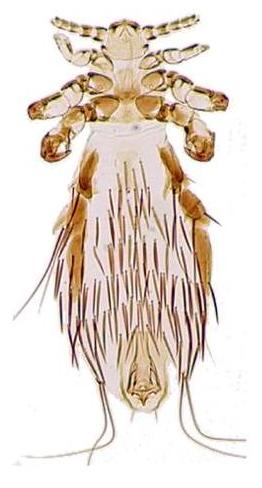
louse /laʊs/ countable noun insect
  • a small parasitic insect that lives on skin, hair, or feathers

    The school checked children for head lice.

lice /laɪs/ plural noun insect
  • the plural of louse

    The comb removes lice and their eggs.

lousy /ˈlaʊzi/ adjective

From "louse" (a tiny biting insect). Originally meant "infested with lice"; now mostly figurative.

  1. (informal) very bad, poor in quality, or unpleasant

    I had a lousy day at work.

  2. (informal) feeling ill or guilty

    I feel lousy: I think I'm coming down with a cold.

  3. ("lousy with") having a large amount of something (often something unpleasant)

    This park is lousy with mosquitoes.

#2162

trilateral / tripartite [group]

trilateral /ˌtraɪˈlætɚəl/ adjective
  • involving three groups, countries, or parties

    The ministers held trilateral talks.

tripartite /traɪˈpɑːrtaɪt/ adjective
  • made up of three parts or parties

    They signed a tripartite agreement.

#2161

Pap smear

Pap smear
Pap smear
Pap smear /ˈpæp smɪr/ countable noun
  • a cervical screening test for abnormal cells

    Her doctor recommended a Pap smear.

#2160

ammonia

ammonia
ammonia
ammonia /əˈmoʊniə/ uncountable noun
  • a colorless gas with a strong smell, used in fertilizers and cleaners

    The lab stored ammonia in a ventilated cabinet.

#2159

unscramble

unscramble /ʌnˈskræmbəl/ transitive verb
past: unscrambled /ʌnˈskræmbəld/
pp: unscrambled /ʌnˈskræmbəld/
  • to put mixed-up letters, signals, or information back into order

    The students unscrambled the sentence.

#2158

smirk

smirk /smɝk/ countable noun
  • an annoying smile showing smugness

    He answered with a smirk.

smirk /smɝk/ intransitive verb
past: smirked /smɝkt/
pp: smirked /smɝkt/
  • to smile in a smug or irritating way

    She smirked at the mistake.

#2157

verdigris

verdigris /ˈvɝdəɡriːs/ uncountable noun
  • a blue-green coating that forms on copper or brass

    Verdigris covered the old bronze statue.

#2156

verdant

verdant /ˈvɝdənt/ adjective
  • green with healthy plants

    Rain turned the hills verdant.

#2155

canine

canine /ˈkeɪnaɪn/ adjective
  • relating to dogs

    The police trained a canine unit.

canine /ˈkeɪnaɪn/ countable noun
  • a dog or a pointed tooth

    The dentist checked the upper canine.

#2154

telemedicine

telemedicine
telemedicine
telemedicine /ˌteləˈmedəsən/ uncountable noun
  • medical care provided remotely through telecommunications

    Telemedicine helped patients avoid long trips to the clinic.

#2153

extinguish [family]

fire extinguisher
fire extinguisher
extinguish /ɪkˈstɪŋɡwɪʃ/ transitive verb
past: extinguished /ɪkˈstɪŋɡwɪʃt/
pp: extinguished /ɪkˈstɪŋɡwɪʃt/
  • to put out a fire or light

    Firefighters extinguished the blaze.

extinguisher /ɪkˈstɪŋɡwɪʃɚ/ countable noun
  • a device or substance used to put out a fire

    Keep an extinguisher near the kitchen.

fire extinguisher /ˈfaɪɚ ɪkˌstɪŋɡwɪʃɚ/ countable noun
  • a portable device used to put out small fires

    The hallway has a fire extinguisher by the exit.

#2152

bane

bane /beɪn/ countable noun
  • a cause of continual trouble or distress

    Spam calls are the bane of my mornings.

#2151

sleuth [family]

sleuth /sluːθ/ countable noun
  • a detective or investigator

    The amateur sleuth noticed the clue.

sleuthing /ˈsluːθɪŋ/ uncountable noun
  • investigating a mystery or problem

    A bit of online sleuthing found the source.

#2150

cadaver [family]

cadaver /kəˈdævɚ/ countable noun
  • a dead human body used for medical study

    Medical students studied anatomy using a cadaver.

cadaverous /kəˈdævɚəs/ adjective
  • thin, pale, and corpse-like

    He looked cadaverous after weeks of illness.

#2149

ablaze

ablaze /əˈbleɪz/ adjective
  1. burning strongly

    The warehouse was ablaze by midnight.

  2. brightly lit or full of strong emotion

    The garden was ablaze with color.

#2148

impersonate [family]

impersonate /ɪmˈpɝsəneɪt/ transitive verb
past: impersonated /ɪmˈpɝsəneɪtɪd/
pp: impersonated /ɪmˈpɝsəneɪtɪd/
  • to pretend to be another person

    The scammer impersonated a bank employee.

impersonator /ɪmˈpɝsəneɪtɚ/ countable noun
  • a person who pretends to be someone else for entertainment or deception

    The Elvis impersonator performed at the party.

#2147

insensitive

insensitive /ɪnˈsensətɪv/ adjective
  • not noticing or caring about other people's feelings

    The remark was insensitive.

#2146

endear [family]

endear /ɪnˈdɪr/ transitive verb
past: endeared /ɪnˈdɪrd/
pp: endeared /ɪnˈdɪrd/
  • to make someone liked or loved

    His kindness endeared him to the staff.

endearing /ɪnˈdɪrɪŋ/ adjective
  • lovable or charming

    She has an endearing laugh.

#2145

conservator

conservator /kənˈsɝvətɚ/ countable noun
  • a person legally appointed to manage another person's affairs

    The court appointed her brother as conservator.

#2144

unaccountable

unaccountable /ˌʌnəˈkaʊntəbəl/ adjective
  • impossible to explain or justify

    The funds disappeared for unaccountable reasons.

#2143

duke

duke /duːk/ countable noun
  • a male noble of very high rank

    The duke owned a large estate.

#2142

leery

leery /ˈlɪri/ adjective
  • cautious or suspicious

    Investors were leery of the offer.

#2141

barnstorm [family]

barnstorm /ˈbɑːrnstɔːrm/ intransitive verb
past: barnstormed /ˈbɑːrnstɔːrmd/
pp: barnstormed /ˈbɑːrnstɔːrmd/
  • to travel around giving shows, speeches, or performances

    The candidate barnstormed through rural towns.

barnstorming /ˈbɑːrnstɔːrmɪŋ/ adjective
  • energetic, exciting, and forceful

    The actor gave a barnstorming performance.

#2140

conjecture

conjecture /kənˈdʒektʃɚ/ countable noun
  • an opinion formed without enough proof

    The theory remains conjecture.

conjecture /kənˈdʒektʃɚ/ verb
past: conjectured /kənˈdʒektʃɚd/
pp: conjectured /kənˈdʒektʃɚd/
  • to guess based on incomplete information

    Historians conjecture that the temple was rebuilt twice.

#2139

conjugate

conjugate /ˈkɑːndʒəɡeɪt/ transitive verb
past: conjugated /ˈkɑːndʒəɡeɪtɪd/
pp: conjugated /ˈkɑːndʒəɡeɪtɪd/
  • to give the different forms of a verb

    Students learned to conjugate Spanish verbs.

conjugate /ˈkɑːndʒəɡət/ adjective
  • joined or paired in a related way

    The chemist described a conjugate acid-base pair.

#2138

Perseus

Perseus /ˈpɝsiəs/ proper noun
  • a hero in Greek mythology who killed Medusa

    Perseus is a famous figure in Greek myth.

#2137

sugar beet

sugar beet
sugar beet
sugar beet /ˈʃʊɡɚ biːt/ countable noun food
  • a beet grown commercially for sugar production

    The farm grows sugar beet and barley.

#2136

charcoal

charcoal
charcoal
charcoal /ˈtʃɑːrkoʊl/ uncountable noun
  • black carbon material made by heating wood with little oxygen

    They cooked over charcoal.

#2135

day lily

day lily
day lily
day lily /ˈdeɪ ˌlɪli/ countable noun
  • a flowering plant whose blooms usually last about a day

    Orange day lilies lined the path.

#2134

Norwegian

Norwegian /nɔːrˈwiːdʒən/ adjective
  • relating to Norway, its people, or its language

    She studies Norwegian literature.

Norwegian /nɔːrˈwiːdʒən/ countable noun
  • a person from Norway or the Norwegian language

    He speaks Norwegian fluently.

#2133

travel / traveler / traveller [family]

travel /ˈtrævəl/ intransitive verb
past: traveled /ˈtrævəld/ (American spelling) or travelled /ˈtrævəld/ (British spelling)
pp: traveled /ˈtrævəld/ (American spelling) or travelled /ˈtrævəld/ (British spelling)
  • to go from one place to another

    She travels for work every month.

travel /ˈtrævəl/ uncountable noun
  • the activity of going to places

    Air travel became more expensive.

traveler /ˈtrævəlɚ/ countable noun
  • (American) a person who is traveling or who travels often

    The hotel offers discounts for frequent travelers.

traveller /ˈtrævəlɚ/ countable noun

British spelling of traveler.

  • (British) a person who is traveling or who travels often

    The hostel was full of young travellers.

#2132

raccoon

raccoon /ræˈkuːn/ countable noun animal
  • a gray North American mammal with a ringed tail and mask-like face

    A raccoon knocked over the trash can.

#2131

zip line

zip line /ˈzɪp laɪn/ countable noun
  • a cable used to slide from a high point to a lower point

    Tourists rode a zip line over the valley.

#2130

scorch / scorched earth / scorching [family]

scorch /skɔːrtʃ/ verb
past: scorched /skɔːrtʃt/
pp: scorched /skɔːrtʃt/
  • to burn or dry the surface of something

    The heat scorched the grass.

scorched earth /ˌskɔːrtʃt ˈɝθ/ uncountable noun

Military strategy: destroy everything useful when retreating. Famous: Russian retreat from Napoleon (1812). "Scorched-earth policy": figurative for ruthless action.

  • a strategy of destroying everything useful to an advancing enemy

    They adopted a scorched earth policy.

scorching /ˈskɔːrtʃɪŋ/ adjective

"Scorching hot": extremely hot weather. "Scorching criticism": figurative for harsh attack.

  • very hot; harshly critical

    It was a scorching summer day.

#2129

introduce / introduction [family]

introduce /ˌɪntrəˈduːs/ transitive verb
past: introduced /ˌɪntrəˈduːst/
pp: introduced /ˌɪntrəˈduːst/
  1. to present someone or something for the first time

    The teacher introduced a new topic.

  2. to bring a new law, product, or method into use

    The company introduced stricter rules.

introduction /ˌɪntrəˈdʌkʃən/ countable noun
  • the action of presenting someone or something for the first time

    Her introduction to the board was brief.

#2128

obstacle

obstacle /ˈɑːbstəkəl/ countable noun
  • something that blocks progress

    Lack of funding was the main obstacle.

#2127

mainstay

mainstay /ˈmeɪnsteɪ/ countable noun
  • the most important support or part of something

    Tourism is the town's economic mainstay.

#2126

barge

barge
barge
barge /bɑːrdʒ/ countable noun
  • a long flat-bottomed boat for carrying goods

    A barge moved slowly down the canal.

barge /bɑːrdʒ/ intransitive verb
past: barged /bɑːrdʒd/
pp: barged /bɑːrdʒd/
  • to move forcefully or rudely

    He barged into the meeting.

#2125

moult / molt [family]

moult /moʊlt/ verb
past: moulted /ˈmoʊltɪd/
pp: moulted /ˈmoʊltɪd/

British spelling.

  • to shed feathers, hair, skin, or a shell

    The bird moults once a year.

molt /moʊlt/ verb
past: molted /ˈmoʊltɪd/
pp: molted /ˈmoʊltɪd/

American spelling.

  • to shed feathers, hair, skin, or a shell

    Snakes molt as they grow.

#2124

rag doll

rag doll
rag doll
rag doll /ˈræɡ dɑːl/ countable noun
  • a soft doll made from cloth

    The child carried a rag doll everywhere.

#2123

fuselage

fuselage
fuselage
fuselage /ˈfjuːsəlɑːʒ/ countable noun
  • the main body of an aircraft

    The wings are attached to the fuselage.

#2122

postulate

postulate /ˈpɑːstʃəleɪt/ transitive verb
past: postulated /ˈpɑːstʃəleɪtɪd/
pp: postulated /ˈpɑːstʃəleɪtɪd/
  • to suggest or assume something as a basis for reasoning

    The model postulates a link between stress and sleep.

postulate /ˈpɑːstʃələt/ countable noun
  • an assumption accepted as true for argument or theory

    The proof begins with a simple postulate.

#2121

Anglophone / Anglophile / Anglo-Saxon [group]

Anglo-Saxon
Anglo-Saxon
Anglophone /ˈæŋɡloʊfoʊn/ adjective
  • English-speaking

    The report focuses on Anglophone Africa.

Anglophile /ˈæŋɡloʊfaɪl/ countable noun
  • a person who admires England or English culture

    The professor is a lifelong Anglophile.

Anglo-Saxon /ˌæŋɡloʊˈsæksən/ adjective
  • relating to the early English people, language, or culture

    The museum displayed Anglo-Saxon jewelry.

#2120

extreme [family]

extreme /ɪkˈstriːm/ adjective
  1. very great in degree; far from moderate

    The region suffers from extreme heat in summer.

  2. farthest from the center; outermost

    They live at the extreme edge of town.

extremist /ɪkˈstriːmɪst/ countable noun
  • a person with extreme political or religious views

    Police monitored the extremist group.

extremity /ɪkˈstreməti/ countable noun
  1. the farthest point or limit of something

    The village lies at the northern extremity of the island.

  2. a hand, foot, arm, or leg

    Blood flow to the extremities was poor.

#2119

Haiti [family]

Haitian
Haitian
Haitian /ˈheɪʃən/ adjective
  • relating to Haiti, its people, or its culture

    They served Haitian coffee.

Haiti /ˈheɪti/ proper noun
  • a country in the Caribbean

    Haiti shares Hispaniola with the Dominican Republic.

#2118

Eurasian

Eurasian /jʊˈreɪʒən/ adjective
  • relating to Europe and Asia

    The species is common across the Eurasian steppe.

Eurasian /jʊˈreɪʒən/ countable noun
  • a person of mixed European and Asian ancestry or from Eurasia

    The book follows a Eurasian family.

#2117

misnomer

misnomer /ˌmɪsˈnoʊmɚ/ countable noun
  • a name or description that is wrong or unsuitable

    Calling it a lake is a misnomer; it is a reservoir.

#2116

warthog

warthog
warthog
warthog /ˈwɔːrthɑːɡ/ countable noun
  • an African wild pig with tusks and facial bumps

    A warthog crossed the road.

#2115

behead

behead /bɪˈhed/ transitive verb
past: beheaded /bɪˈhedɪd/
pp: beheaded /bɪˈhedɪd/
  • to cut off someone's head

    The rebels threatened to behead hostages.

#2114

insurrection

insurrection /ˌɪnsəˈrekʃən/ countable noun
  • a violent uprising against authority or government

    The army crushed the insurrection.

#2113

kindred [family]

kindred /ˈkɪndrəd/ adjective
  • similar in nature or related

    They discovered kindred interests.

kindred spirit /ˌkɪndrəd ˈspɪrɪt/ countable noun
  • a person who shares one's attitudes or feelings

    She found a kindred spirit in her roommate.

#2112

jeopardy [family]

jeopardy /ˈdʒepɚdi/ uncountable noun
  • danger of loss, harm, or failure

    The missed deadline put the deal in jeopardy.

jeopardize /ˈdʒepɚdaɪz/ verb
past: jeopardized /ˈdʒepɚdaɪzd/
pp: jeopardized /ˈdʒepɚdaɪzd/
  • put (someone or something) into a situation in which there is a danger of loss, harm, or failure

    A devaluation of the dollar would jeopardize New York's position as a financial center.

#2111

obstruct [family]

obstruct /əbˈstrʌkt/ transitive verb
past: obstructed /əbˈstrʌktɪd/
pp: obstructed /əbˈstrʌktɪd/
  • to block a road, view, process, or person

    Fallen trees obstructed the road.

obstruction /əbˈstrʌkʃən/ countable noun
  • something that blocks or hinders progress

    Doctors removed the obstruction.

obstructionism /əbˈstrʌkʃənɪzəm/ uncountable noun
  • deliberate delay or blocking of political or official action

    The bill failed because of obstructionism.

obstructive /əbˈstrʌktɪv/ adjective

"Obstructive sleep apnea": medical condition. "Obstructive politician": blocking legislation. Also: "obstruction of justice", serious crime.

  • causing a blockage or hindrance

    His obstructive behavior delayed the project.

#2110

corrugate / corrugated [family]

corrugated
corrugated
corrugate /ˈkɔːrəɡeɪt/ transitive verb
past: corrugated /ˈkɔːrəɡeɪtɪd/
pp: corrugated /ˈkɔːrəɡeɪtɪd/
  • to shape material into a series of parallel ridges and grooves

    The metal is corrugated to increase its strength.

corrugated /ˈkɔːrəɡeɪtɪd/ adjective
  • shaped into parallel ridges and grooves

    The box was made of corrugated cardboard.

#2109

topple

topple /ˈtɑːpəl/ verb
past: toppled /ˈtɑːpəld/
pp: toppled /ˈtɑːpəld/
  1. to fall over or make something fall over

    The statue toppled during the storm.

  2. to remove a leader from power

    The scandal toppled the government.

#2108

buttress

buttress /ˈbʌtrəs/ countable noun
  • a support built against a wall

    Stone buttresses held up the church.

buttress /ˈbʌtrəs/ transitive verb
past: buttressed /ˈbʌtrəst/
pp: buttressed /ˈbʌtrəst/
  • to support or strengthen

    The report buttressed their argument.

#2107

enshrine

enshrine /ɪnˈʃraɪn/ transitive verb
past: enshrined /ɪnˈʃraɪnd/
pp: enshrined /ɪnˈʃraɪnd/
  • to preserve a right, idea, or principle in an important form

    The constitution enshrines freedom of speech.

#2106

counter-argument / counter-attack [group]

counter-argument /ˈkaʊntɚ ˌɑːrɡjumənt/ countable noun
  • an argument made against another argument

    She prepared a counter-argument for the debate.

counter-attack /ˈkaʊntɚətæk/ countable noun
  • an attack made in response to an attack

    The team launched a counter-attack.

#2105

ambient [family]

ambient /ˈæmbiənt/ adjective
  • surrounding or present in the environment

    The sensor records ambient temperature.

ambience /ˈæmbiəns/ uncountable noun
  • the mood or atmosphere of a place

    Soft lights gave the cafe a relaxed ambience.

#2104

phosphorus [family]

phosphorus
phosphorus
phosphoric acid /fɑːsˌfɔːrɪk ˈæsɪd/ uncountable noun
  • a weak acid used in fertilizers, rust removers, and some drinks

    The label lists phosphoric acid.

phosphorus /ˈfɑːsfɚəs/ uncountable noun
  • a reactive chemical element with symbol P

    Phosphorus is essential for plant growth.

phosphate /ˈfɑːsfeɪt/ countable noun
  • a salt or compound containing phosphorus and oxygen

    The fertilizer contains phosphate.

#2103

levitate [family]

levitate /ˈlevɪteɪt/ verb
past: levitated /ˈlevɪteɪtɪd/
pp: levitated /ˈlevɪteɪtɪd/
  • to rise or float in the air, especially as if by magic

    The magician seemed to levitate.

levity /ˈlevəti/ uncountable noun
  • humor or lack of seriousness, especially in a serious situation

    A little levity eased the tension.

#2102

eon / aeon [family]

eon /ˈiːən/ countable noun

American spelling.

  • an extremely long period of time

    The canyon formed over eons.

aeon /ˈiːən/ countable noun

British spelling.

  • an extremely long period of time

    The rocks have existed for aeons.

#2101

signboard / signpost [group]

signboard
signboard
signboard /ˈsaɪnbɔːrd/ countable noun
  • a board displaying information or advertising

    The signboard listed the opening hours.

signpost /ˈsaɪnpoʊst/ countable noun
  • a post bearing signs, especially directions

    A signpost pointed toward the village.