Vocabulary: Batch 18

#1701 to #1800 (100 entries)

#1800

moat

moat
moat
moat /moʊt/ countable noun

Business metaphor: an economic moat is a durable competitive advantage.

  • a deep ditch around a castle, often filled with water

    The castle was protected by a wide moat.

#1799

prank / prankster [family]

prank /præŋk/ countable noun
  • a playful trick, often meant to surprise someone

    The prank was harmless, but it annoyed the teacher.

prankster /ˈpræŋkstɚ/ countable noun
  • a person who likes playing pranks

    He was known as the office prankster.

#1798

facelift

facelift /ˈfeɪslɪft/ countable noun

Can be literal cosmetic surgery or figurative renovation of a product, room, or website.

  1. cosmetic surgery to make the face look younger

    The actor denied having a facelift.

  2. a renovation that improves appearance

    The lobby got a much-needed facelift.

#1797

fiduciary

fiduciary /fɪˈduːʃieri/ adjective

Legal and financial term; fiduciary duty means acting in another person's best interest.

  • involving a duty to act for another's benefit

    Trustees have a fiduciary duty to beneficiaries.

fiduciary /fɪˈduːʃieri/ countable noun
  • someone legally trusted to manage another's interests

    The adviser acts as a fiduciary for her clients.

#1796

photosynthesis

photosynthesis
photosynthesis
photosynthesis /ˌfoʊtoʊˈsɪnθəsɪs/ uncountable noun

Photo- means light; synthesis means putting together.

  • the process by which plants use light to make food

    Plants release oxygen during photosynthesis.

#1795

concerted

concerted /kənˈsɝtɪd/ adjective

Usually before nouns: concerted effort, concerted action, concerted campaign.

  • jointly planned and carried out with effort

    The team made a concerted effort to fix the bug.

#1794

fog [family]

fog
fog
fog /fɔːɡ/ noun weather
  • a thick cloud of tiny water drops near the ground

    Dense fog delayed flights all morning.

fog /fɔːɡ/ noun

Also figurative: a fog of confusion, brain fog.

  • a state of mental confusion or unclear thinking

    She was in a fog after the overnight flight.

foggy /ˈfɔːɡi/ adjective weather

London famously foggy in the past (Victorian "pea-soupers"). "Foggy memory" = unclear recollection.

  • covered with fog

    It was a foggy morning.

#1793

beret

beret
beret
beret /bəˈreɪ/ countable noun

Often associated with French style, artists, and some military uniforms.

  • a soft round flat cap without a brim

    She wore a red beret tilted to one side.

#1792

merino

merino /məˈriːnoʊ/ noun

Merino wool is prized for being soft and warm without feeling scratchy.

  • a breed of sheep, or the fine wool from it

    He bought a merino sweater for hiking.

#1791

clothespin

clothespin
clothespin
clothespin /ˈkloʊzˌpɪn/ countable noun

American English; British English usually says clothes peg.

  • a small clip used to fasten laundry to a line

    She pinned the shirt to the line with clothespins.

#1790

felon / felony [family]

felon /ˈfelən/ countable noun

US legal term; a felony is more serious than a misdemeanor.

  • a person convicted of a serious crime

    Convicted felons may lose certain civil rights.

felony /ˈfeləni/ countable noun
  • a serious crime, usually punishable by prison

    Armed robbery is a felony in most states.

#1789

bland

bland /blænd/ adjective

Can describe food, design, writing, or personality.

  • lacking strong flavor, interest, or character

    The soup was bland until I added salt.

#1788

one-of-a-kind

one-of-a-kind /ˌwʌn əv ə ˈkaɪnd/ adjective
  • unique; unlike anything else

    The necklace is a one-of-a-kind handmade piece.

#1787

high five / fist bump [group]

high five /ˌhaɪ ˈfaɪv/ countable noun
  • a greeting or celebration made by slapping raised hands

    They exchanged a high five after the presentation.

fist bump /ˈfɪst bʌmp/ countable noun
  • a greeting made by lightly touching closed fists

    The teammates greeted each other with a fist bump.

#1786

displace [family]

displace /dɪsˈpleɪs/ transitive verb
past: displaced /dɪsˈpleɪst/
pp: displaced /dɪsˈpleɪst/

Common in news about war, disasters, and automation displacing workers.

  • to force someone or something out of its usual place

    The flood displaced thousands of residents.

displaced person /dɪsˌpleɪst ˈpɝsən/ countable noun
  • someone forced to leave home by war or disaster

    The camp provided shelter for displaced persons.

displacement /dɪsˈpleɪsmənt/ noun
  1. the moving of something from its proper or usual position; the act of being moved

    The earthquake caused massive displacement of soil and rock.

  2. the forced removal of people from their homes or country, especially due to war or disaster

    The war led to the displacement of millions of civilians.

  3. (physics) the difference in position between an object's starting point and ending point, measured as a vector

    Velocity is displacement divided by time.

  4. (psychology) redirecting an emotion (often anger) from its original target to a safer one

    Yelling at your dog after a bad day at work is a form of displacement.

#1785

berserk

berserk /bɚˈzɝk/ adjective

Phrase: go berserk = suddenly become very angry or wild.

  • wildly angry, violent, or out of control

    The crowd went berserk after the winning goal.

#1784

burglar / burglarize / burglary [family]

burglar /ˈbɝɡlɚ/ countable noun
  • a person who commits burglary; a thief who enters a building with intent to steal

    A burglar broke into the house.

burglarize /ˈbɝɡləraɪz/ transitive verb
past: burglarized /ˈbɝɡləraɪzd/
pp: burglarized /ˈbɝɡləraɪzd/

American English. British English more often says burgle.

  • to enter a building illegally in order to steal

    The store was burglarized during the night.

burglary /ˈbɝɡlɚi/ noun
  • the crime of illegally entering a building to steal

    Police are investigating a burglary on Elm Street.

burglar alarm /ˈbɝɡlɚ əˌlɑːrm/ countable noun
  • an alarm system that warns of illegal entry

    The burglar alarm went off at 3 a.m.

burgle /ˈbɝɡəl/ transitive verb
past: burgled /ˈbɝɡəld/
pp: burgled /ˈbɝɡəld/

Mainly British English; American English usually uses burglarize.

  • to enter a building illegally in order to steal

    Their house was burgled while they were away.

#1783

sentient

sentient /ˈsenʃənt/ adjective

Often used in science fiction, philosophy, and animal-rights discussions.

  • able to feel, perceive, or experience things

    The story imagines a sentient robot with emotions.

#1782

absolutism

absolutism /ˈæbsəluːtɪzəm/ uncountable noun

Political absolutism means power is concentrated in one ruler, such as an absolute monarch.

  • belief in absolute principles or absolute political power

    The course compares constitutionalism and absolutism.

#1781

foremost

foremost /ˈfɔːrmoʊst/ adjective
  • most important, famous, or leading

    She is one of the country's foremost historians.

foremost /ˈfɔːrmoʊst/ adverb
  • first or most importantly

    We must think foremost about safety.

#1780

boil / boiler [family]

boil /bɔɪl/ verb
past: boiled /bɔɪld/
pp: boiled /bɔɪld/
  • to heat a liquid until it bubbles and turns to vapor

    Boil the pasta for ten minutes.

boil /bɔɪl/ countable noun
  • a painful swollen spot on the skin filled with pus

    The doctor treated a boil on his neck.

boiler /ˈbɔɪlɚ/ countable noun
  • a vessel or machine for heating water or making steam

    The building's boiler failed in January.

#1779

dandy

dandy /ˈdændi/ countable noun

Old-fashioned word for a man very concerned with stylish dress.

  • a man who cares greatly about elegant clothes and manners

    He dressed like a nineteenth-century dandy.

dandy /ˈdændi/ adjective
  • very good or fine, often in a cheerful old-fashioned tone

    That's a dandy idea.

#1778

respiration / respirator [family]

respiration /ˌrespəˈreɪʃən/ uncountable noun

Scientific word for breathing or the cellular process that releases energy.

  • the process of breathing or releasing energy in cells

    The monitor tracks the patient's respiration.

respirator /ˈrespəreɪtɚ/ countable noun
  • a device that helps someone breathe or filters air

    Workers wore respirators around the chemical fumes.

#1777

pollen

pollen
pollen
pollen /ˈpɑːlən/ uncountable noun
  • fine powder from flowers that fertilizes plants and can cause allergies

    Tree pollen makes my eyes itch every spring.

#1776

gecko

gecko
gecko
gecko /ˈɡekoʊ/ countable noun animal
  • a small lizard, often able to climb smooth surfaces

    A gecko clung to the kitchen wall.

#1775

retaliate [family]

retaliate /rɪˈtælieɪt/ intransitive verb
past: retaliated /rɪˈtælieɪtɪd/
pp: retaliated /rɪˈtælieɪtɪd/
  • to attack or act back in response to harm

    The army retaliated after the missile strike.

retaliatory /rɪˈtæliətɔːri/ adjective
  • done as revenge or response to an attack

    The government announced retaliatory sanctions.

#1774

pedophile / pedophilia [family]

pedophile /ˈpedəfaɪl/ countable noun

British spelling: paedophile. This is a clinical/legal term and a highly stigmatized word.

  • an adult sexually attracted to children

    The law requires convicted pedophiles to register.

pedophilia /ˌpedəˈfɪliə/ uncountable noun
  • sexual attraction by an adult toward children

    The article discussed the treatment of pedophilia.

paedophilia /ˌpedəˈfɪliə/ uncountable noun

British spelling of pedophilia.

  • sexual attraction by an adult toward children

    The report used the British spelling paedophilia.

#1773

last / lasting [family]

last /læst/ verb
past: lasted /ˈlæstɪd/
pp: lasted /ˈlæstɪd/
  • to continue for a period of time

    The meeting lasted two hours.

last /læst/ adjective
  • coming after all others; most recent

    This is the last train tonight.

lasting /ˈlæstɪŋ/ adjective
  • continuing for a long time

    The trip left a lasting impression on her.

lastly /ˈlæstli/ adverb
  • in the last place (used to introduce the last of a series of points or actions)

    Lastly, I would like to thank my parents.

outlast /ˌaʊtˈlæst/ transitive verb
past: outlasted /ˌaʊtˈlæstɪd/
pp: outlasted /ˌaʊtˈlæstɪd/
  • to last longer than someone or something

    The old bridge outlasted several storms.

#1772

cannonball

cannonball
cannonball
cannonball /ˈkænənbɔːl/ countable noun
  • a heavy metal ball fired from a cannon

    The museum displays cannonballs from the old fort.

#1771

car park

car park /ˈkɑːr pɑːrk/ countable noun

British English; American English usually says parking lot.

  • an outdoor or indoor area where cars are parked

    The museum car park was already full.

#1770

layover

layover /ˈleɪoʊvɚ/ countable noun
  • a waiting period between parts of a journey

    We had a six-hour layover in Seoul.

#1769

barbarism / barbarous [family]

barbarism /ˈbɑːrbɚɪzəm/ noun
  • brutal or uncivilized behavior

    The massacre was condemned as an act of barbarism.

barbarity /bɑːrˈbærəti/ uncountable noun
  • extreme cruelty or brutality

    The report documented the barbarity of the regime.

barbarous /ˈbɑːrbɚəs/ adjective
  • extremely cruel, brutal, or uncivilized

    The prisoners were kept in barbarous conditions.

#1768

repot

repot /ˌriːˈpɑːt/ transitive verb
past: repotted /ˌriːˈpɑːtɪd/
pp: repotted /ˌriːˈpɑːtɪd/
  • to move a plant into another pot

    Repot the orchid when its roots outgrow the container.

#1767

archipelago

archipelago
archipelago
archipelago /ˌɑːrkəˈpeləɡoʊ/ countable noun
  • a group or chain of islands

    Indonesia is the world's largest archipelago.

#1766

fingernail

fingernail
fingernail
fingernail /ˈfɪŋɡɚneɪl/ countable noun body
  • the hard thin covering at the end of a finger

    She broke a fingernail while opening the box.

#1765

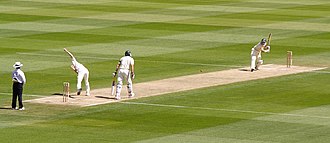
cricket

cricket
1cricket
cricket
2cricket
cricket /ˈkrɪkɪt/ uncountable noun sport

Sport especially popular in the UK, India, Pakistan, Australia, and the Caribbean.

  • 1a bat-and-ball sport played by two teams of eleven

    They watched cricket all afternoon.

cricket /ˈkrɪkɪt/ countable noun insect
  • 2a small jumping insect known for chirping

    Crickets chirped outside the window.

#1764

asphalt

asphalt /ˈæsfɔːlt/ uncountable noun
  • a black sticky material used for road surfaces

    The summer heat softened the asphalt.

#1763

hydro

hydro /ˈhaɪdroʊ/ noun

Short for hydroelectric power in many contexts. Hydro- as a prefix means water.

  • hydroelectric power; electricity generated by water

    The region gets much of its power from hydro.

#1762

chlorine / chloride [family]

chlorine /ˈklɔːriːn/ uncountable noun

Chemical symbol Cl. Used to disinfect pools and drinking water.

  • a greenish-yellow chemical element used as a disinfectant

    The pool smelled strongly of chlorine.

chloride /ˈklɔːraɪd/ noun
  • a compound containing chlorine, especially as an ion

    Sodium chloride is ordinary table salt.

chlorinated /ˈklɔːrəneɪtɪd/ adjective
  • treated with or containing chlorine

    The hotel has a chlorinated swimming pool.

#1761

muriatic acid

muriatic acid /ˌmjʊriˌætɪk ˈæsɪd/ uncountable noun

Commercial name for hydrochloric acid; used in cleaning masonry and pools.

  • a commercial form of hydrochloric acid

    Wear gloves when handling muriatic acid.

#1760

chariot

chariot
chariot
chariot /ˈtʃæriət/ countable noun
  • a two-wheeled horse-drawn vehicle used in ancient times

    Roman chariots raced around the arena.

#1759

auto [family]

auto /ˈɔːtoʊ/ countable noun

Short for automobile; common in compounds like auto industry and auto insurance.

  • a car; an automobile

    Auto sales rose sharply this quarter.

automotive /ˌɔːtəˈmoʊtɪv/ adjective
  • relating to or concerned with motor vehicles

    The automotive industry.

#1758

petroleum

petroleum /pəˈtroʊliəm/ uncountable noun
  • crude oil or oil products used as fuel and raw material

    The economy depends heavily on petroleum exports.

#1757

coffin

coffin
coffin
coffin /ˈkɔːfɪn/ countable noun
  • a box in which a dead body is buried or cremated

    The coffin was carried into the church.

#1756

sherbet / sorbet [group]

sherbet
sherbet
sherbet /ˈʃɝbət/ noun dessert

American sherbet often contains a little milk; sorbet normally does not.

  • a frozen sweet dessert, usually fruit-flavored and often containing dairy

    The restaurant served orange sherbet.

sorbet /sɔːrˈbeɪ/ noun dessert
  • a frozen fruit dessert made without dairy

    Lemon sorbet cleansed the palate.

#1755

gas / gas station [family]

gas station
gas station
gas /ɡæs/ noun

American gas = gasoline; British English usually says petrol.

  1. a substance, like air, that has no fixed shape and is not a solid or liquid

    Helium is a lighter-than-air gas.

  2. (American English) gasoline, the fuel used in cars

    We stopped for gas before entering the desert.

gas station /ˈɡæs ˌsteɪʃən/ countable noun
  • a place where drivers buy fuel

    The next gas station is twenty miles away.

#1754

solvent abuse

solvent abuse /ˈsɑːlvənt əˌbjuːs/ uncountable noun

British term; American English often says inhalant abuse.

  • the dangerous practice of inhaling chemical fumes to get high

    The school warned parents about solvent abuse.

#1753

attic

attic
attic
attic /ˈætɪk/ countable noun
  • a room or space just below the roof of a house

    The old photos were stored in the attic.

#1752

matriculate

matriculate /məˈtrɪkjəleɪt/ intransitive verb
past: matriculated /məˈtrɪkjəleɪtɪd/
pp: matriculated /məˈtrɪkjəleɪtɪd/

Formal academic word; not used for ordinary class registration.

  • to formally enroll as a student at a college or university

    She matriculated at Stanford in 2025.

#1751

timing

timing /ˈtaɪmɪŋ/ uncountable noun
  • the choice or control of when something happens

    The joke was funny, but his timing was perfect.

#1750

impersonal

impersonal /ɪmˈpɝsənəl/ adjective
  • not showing personal feeling or warmth

    The email sounded cold and impersonal.

#1749

barricade

barricade /ˈbærəkeɪd/ countable noun
  • a temporary barrier used to block a road or entrance

    Police set up a barricade outside the building.

barricade /ˈbærəkeɪd/ transitive verb
past: barricaded /ˈbærəkeɪdɪd/
pp: barricaded /ˈbærəkeɪdɪd/
  • to block a place with a barrier

    Protesters barricaded the street.

#1748

lingerie

lingerie
lingerie
lingerie /ˌlɑːnʒəˈreɪ/ uncountable noun

A French loanword; the final syllable is stressed in English.

  • women's underwear and sleepwear, often stylish or delicate

    The shop sells lingerie and swimwear.

#1747

dust

dust /dʌst/ uncountable noun
  • fine dry powder made of tiny particles

    A layer of dust covered the shelves.

dust /dʌst/ transitive verb
past: dusted /ˈdʌstɪd/
pp: dusted /ˈdʌstɪd/
  • to remove dust from a surface

    Please dust the table before dinner.

#1746

mug shot

mug shot /ˈmʌɡ ʃɑːt/ countable noun
  • a police photograph of a person who has been arrested

    The suspect's mug shot appeared on the news.

#1745

condense / condensation / condensed [family]

condense /kənˈdens/ intransitive verb
past: condensed /kənˈdenst/
pp: condensed /kənˈdenst/
  • to change from a gas into a liquid, usually through cooling

    Steam condenses into water droplets on a cold window.

condense /kənˈdens/ transitive verb
past: condensed /kənˈdenst/
pp: condensed /kənˈdenst/
  • to make something shorter, more concise, or more concentrated

    She condensed the report into a single page.

condensation /ˌkɑːndenˈseɪʃən/ uncountable noun
  • water droplets formed when vapor cools

    Condensation covered the bathroom mirror.

condensed /kənˈdenst/ adjective
  • made thicker or shorter by removing water or unnecessary parts

    The recipe uses condensed milk.

#1744

ram

ram /ræm/ countable noun animal
  1. an adult male sheep

    The ram lowered its horns and charged.

  2. a heavy device or part used for striking or pushing something with force

    The old fortress gate was broken down by a battering ram.

ram /ræm/ transitive verb
past: rammed /ræmd/
pp: rammed /ræmd/
  • to hit or push something with force

    The truck rammed the barrier.

#1743

water wheel

water wheel
water wheel
water wheel /ˈwɔːtɚ wiːl/ countable noun
  • a wheel turned by moving water to provide power

    The old mill still has a working water wheel.

#1742

catch-phrase

catch-phrase /ˈkætʃfreɪz/ countable noun

Usually spelled catchphrase today; the hyphenated spelling is also seen.

  • a memorable phrase associated with a person, show, or campaign

    The comedian's catch-phrase became famous.

#1741

sea urchin

sea urchin
sea urchin
sea urchin /ˌsiː ˈɝtʃɪn/ countable noun sea creature
  • a small round sea animal covered with spines

    Sea urchins cling to rocks in tide pools.

#1740

dugout

dugout /ˈdʌɡaʊt/ countable noun
  1. a rough shelter or trench dug into the ground for protection

    Soldiers took cover in the dugout.

  2. (baseball) the sheltered area where players sit when not on the field

    The players watched from the dugout.

#1739

emboss / embossed [family]

emboss /ɪmˈbɔːs/ transitive verb
past: embossed /ɪmˈbɔːst/
pp: embossed /ɪmˈbɔːst/
  • to decorate a surface with raised letters or patterns

    The invitation was embossed with gold letters.

embossed /ɪmˈbɔːst/ adjective
  • decorated with a raised design

    He handed me an embossed business card.

#1738

sling

sling /slɪŋ/ countable noun
  1. a bandage or strap that supports an injured arm

    His arm was in a sling after the fall.

  2. a strap or loop used to carry, hang, or hoist something

    The camera hung from a sling around his neck.

sling /slɪŋ/ transitive verb
past: slung /slʌŋ/
pp: slung /slʌŋ/
  • to throw or hang something loosely

    She slung her bag over her shoulder.

#1737

ridge

ridge /rɪdʒ/ countable noun
  • a long narrow raised part of a surface or landscape

    They hiked along the mountain ridge.

#1736

aroma / aromatic [family]

aroma /əˈroʊmə/ countable noun

Usually positive; odor can be neutral or negative.

  • a pleasant or noticeable smell

    The aroma of coffee filled the kitchen.

aromatic /ˌærəˈmætɪk/ adjective
  • having a strong pleasant smell

    The soup was full of aromatic herbs.

#1735

circumcise

circumcise /ˈsɝkəmsaɪz/ transitive verb
past: circumcised /ˈsɝkəmsaɪzd/
pp: circumcised /ˈsɝkəmsaɪzd/

A medical and religious word; use neutrally and carefully.

  • to remove the foreskin of a boy or man

    The family discussed whether to circumcise the baby.

#1734

cutlet

cutlet
cutlet
cutlet /ˈkʌtlət/ countable noun food
  • a thin piece of meat, often breaded and fried

    She ordered a pork cutlet with rice.

#1733

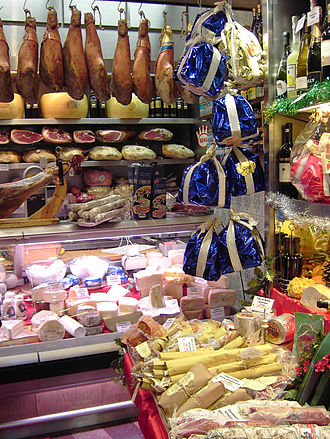
delicatessen

delicatessen
delicatessen
delicatessen /ˌdelɪkəˈtesən/ countable noun

Often shortened to deli in everyday American English.

  • a shop selling prepared foods, meats, cheeses, and salads

    We bought sandwiches at the delicatessen.

#1732

tycoon

tycoon /taɪˈkuːn/ countable noun
  • a very rich and powerful businessperson

    The media tycoon bought another newspaper.

#1731

rounders

rounders /ˈraʊndɚz/ uncountable noun
  • a British bat-and-ball game similar to baseball

    The children played rounders after school.

#1730

odometer

odometer /oʊˈdɑːmətɚ/ countable noun
  • an instrument that shows how far a vehicle has traveled

    The odometer read 80,000 miles.

#1729

origami

origami
origami
origami /ˌɔːrɪˈɡɑːmi/ uncountable noun
  • the Japanese art of folding paper into shapes

    She folded an origami crane.

#1728

immigrant / emigrant [group]

immigrant /ˈɪməɡrənt/ countable noun
  • a person who comes to another country to live

    Her parents were immigrants from Vietnam.

immigrate /ˈɪməɡreɪt/ intransitive verb
past: immigrated /ˈɪməɡreɪtɪd/
pp: immigrated /ˈɪməɡreɪtɪd/

Distinct from "emigrate". Immigrate INTO a country; emigrate FROM one. Same act, different perspective.

  • to come to a country to live there permanently

    Her parents immigrated from Vietnam.

immigration /ˌɪməˈɡreɪʃən/ uncountable noun
  • the act or process of coming to a country to live

    Immigration policy became a campaign issue.

emigrant /ˈemɪɡrənt/ countable noun
  • a person who leaves their country to live elsewhere

    The museum preserves emigrant letters.

emigrate /ˈemɪɡreɪt/ intransitive verb
past: emigrated /ˈemɪɡreɪtɪd/
pp: emigrated /ˈemɪɡreɪtɪd/
  • to leave one's country to live in another

    His grandparents emigrated in the 1950s.

#1727

bespeak / bespoke [family]

bespeak /bɪˈspiːk/ transitive verb
past: bespoke /bɪˈspoʊk/
pp: bespoken /bɪˈspoʊkən/

Formal and literary.

  • to indicate or suggest something

    His careful wording bespoke long experience.

bespoke /bɪˈspoʊk/ adjective
  • custom-made for a particular customer

    He wore a bespoke suit.

#1726

swimsuit / swimwear [group]

swimsuit
swimsuit
swimsuit /ˈswɪmsuːt/ countable noun
  • a piece of clothing worn for swimming

    She packed a swimsuit for the beach.

swimwear /ˈswɪmwer/ uncountable noun
  • clothing designed for swimming

    The store sells swimwear year-round.

#1725

moraine

moraine
moraine
moraine /məˈreɪn/ countable noun
  • a ridge of rocks and soil left by a glacier

    The trail crossed a rocky moraine.

#1724

slingshot

slingshot
slingshot
slingshot /ˈslɪŋʃɑːt/ countable noun
  • a Y-shaped handheld weapon that shoots small stones

    The boy aimed a slingshot at the cans.

#1723

dopamine

dopamine /ˈdoʊpəmiːn/ uncountable noun
  • a brain chemical involved in movement, reward, and motivation

    Social media apps are designed to trigger dopamine.

#1722

prodigal

prodigal /ˈprɑːdɪɡəl/ adjective

Famous biblical phrase: the prodigal son.

  • wastefully spending money or resources

    The prodigal son returned home broke.

#1721

prodigious

prodigious /prəˈdɪdʒəs/ adjective
  • very great in size, amount, or degree

    She has a prodigious memory.

#1720

backside

backside /ˈbæksaɪd/ countable noun
  1. (informal) a person's buttocks

    He slipped and landed on his backside.

  2. the back part of something

    The serial number is stamped on the backside of the device.

#1719

surrender value

surrender value /səˈrendɚ ˌvæljuː/ countable noun

Insurance and finance term.

  • the amount paid when an insurance policy is ended early

    The policy's surrender value was lower than expected.

#1718

stalemate

stalemate /ˈsteɪlmeɪt/ countable noun
  • a situation in which neither side can make progress

    Negotiations ended in a stalemate.

#1717

caseload

caseload /ˈkeɪsloʊd/ countable noun
  • the number of cases handled by a doctor, lawyer, or worker

    The social worker's caseload doubled.

#1716

cordon

cordon /ˈkɔːrdən/ countable noun
  • a line of police, soldiers, or barriers around an area

    Police formed a cordon around the building.

cordon /ˈkɔːrdən/ transitive verb
past: cordoned /ˈkɔːrdənd/
pp: cordoned /ˈkɔːrdənd/
  • to surround or block an area

    The street was cordoned off after the fire.

#1715

husbandry

husbandry /ˈhʌzbəndri/ uncountable noun
  • the care, breeding, and management of animals or crops

    Good animal husbandry reduces disease.

#1714

asbestos

asbestos
asbestos
asbestos /æsˈbestəs/ uncountable noun
  • a heat-resistant mineral fiber now known to cause serious disease

    Workers removed asbestos from the old school.

#1713

retrograde / retrogression [family]

retrograde /ˈretrəɡreɪd/ adjective
  • moving backward or becoming worse

    The court called the policy a retrograde step.

retrogression /ˌretrəˈɡreʃən/ uncountable noun
  • a return to an earlier and worse state

    Critics saw the law as social retrogression.

retrogressive /ˌretrəˈɡresɪv/ adjective
  • becoming worse or less advanced

    The reforms were attacked as retrogressive.

#1712

putrid

putrid /ˈpjuːtrɪd/ adjective
  • decaying and smelling very bad

    A putrid smell came from the dumpster.

#1711

abdicate

abdicate /ˈæbdɪkeɪt/ verb
past: abdicated /ˈæbdɪkeɪtɪd/
pp: abdicated /ˈæbdɪkeɪtɪd/
  • to give up a throne, office, or responsibility

    The king abdicated after months of protest.

#1710

gondola

gondola
gondola
gondola /ˈɡɑːndələ/ countable noun vehicle
  • a long narrow boat used on canals in Venice

    They rode a gondola through Venice.

#1709

onward

onward /ˈɑːnwɚd/ adverb
  • forward in time, place, or progress

    From that day onward, everything changed.

onward /ˈɑːnwɚd/ adjective
  • moving forward

    They prepared for the onward journey.

#1708

linear

linear /ˈlɪniɚ/ adjective
  • arranged in a line or progressing step by step

    The story is not told in linear order.

#1707

truthful [family]

truthful /ˈtruːθfəl/ adjective
  • honest and accurate

    Please give a truthful answer.

true /truː/ adjective
  • in accordance with fact or reality

    A true story.

truth /truːθ/ noun
  • the quality or state of being true; that which is true or in accordance with fact or reality

    He had to accept the truth.

#1706

unbeatable / unbeaten [family]

unbeatable /ʌnˈbiːtəbəl/ adjective
  • impossible to defeat or better

    Their prices are unbeatable.

unbeaten /ʌnˈbiːtən/ adjective
  • not defeated

    The team remains unbeaten this season.

#1705

mishap

mishap /ˈmɪshæp/ countable noun
  • a small accident or unlucky problem

    The trip went smoothly except for one mishap.

#1704

miscalculate

miscalculate /ˌmɪsˈkælkjəleɪt/ verb
past: miscalculated /ˌmɪsˈkælkjəleɪtɪd/
pp: miscalculated /ˌmɪsˈkælkjəleɪtɪd/
  • to calculate wrongly or judge a situation badly

    The company miscalculated demand.

#1703

rightful

rightful /ˈraɪtfəl/ adjective
  • legally or morally correct; belonging to the proper person

    The painting was returned to its rightful owner.

#1702

hard-pressed

hard-pressed /ˌhɑːrdˈprest/ adjective
  • under great pressure or short of money, time, or resources

    The charity is hard-pressed to meet demand.

#1701

rancor / rancour / rancorous [family]

rancor /ˈræŋkɚ/ uncountable noun
  • bitter long-lasting anger

    The debate was filled with rancor.

rancour /ˈræŋkɚ/ uncountable noun
  • British spelling of rancor

    There was no rancour after the match.

rancorous /ˈræŋkɚəs/ adjective
  • full of bitter anger

    The meeting became rancorous.