Vocabulary: Batch 16

#1501 to #1600 (100 entries)

#1600

homecoming

homecoming /ˈhoʊmkʌmɪŋ/ countable noun
  1. a return to one's home, especially after a long absence

    The soldier's homecoming was met with cheers.

  2. (US) an annual school or college celebration for alumni, often including a football game and dance

    The parade is part of homecoming weekend.

#1599

bristle / bristling [family]

bristle /ˈbrɪsəl/ countable noun
  • a short stiff hair or fiber

    The brush has soft bristles.

bristle /ˈbrɪsəl/ intransitive verb
past: bristled /ˈbrɪsəld/
pp: bristled /ˈbrɪsəld/
  • to react with anger or stand stiffly

    He bristled at the criticism.

bristling /ˈbrɪslɪŋ/ adjective
  • full of something or showing anger

    The border was bristling with soldiers.

#1598

prima donna

prima donna /ˌpriːmə ˈdɑːnə/ countable noun

Originally the leading female singer in an opera.

  • a temperamental person who thinks they deserve special treatment

    The actor behaved like a prima donna.

#1597

disaster area

disaster area /dɪˈzæstɚ ˌeriə/ countable noun
  • a place officially damaged by disaster; informally, a very messy place

    My desk is a disaster area.

#1596

toss-up

toss-up /ˈtɔːs ʌp/ countable noun
  • a situation in which either result is equally likely

    The election is still a toss-up.

#1595

chick

chick /tʃɪk/ countable noun

The woman sense is informal and can sound sexist.

  • a baby bird; informally, a young woman

    The chick stayed close to the hen.

#1594

awful

awful /ˈɔːfəl/ adjective
  • very bad or unpleasant

    The weather was awful.

#1593

hermaphrodite

hermaphrodite /hɝˈmæfrədaɪt/ countable noun

Use mainly for biology. For people, intersex is the respectful term.

  • an organism with both male and female reproductive organs

    Some plants are hermaphrodites.

#1592

exodus

exodus /ˈeksədəs/ countable noun

Capitalized, Exodus is the second book of the Bible.

  • a mass departure of people

    The city saw an exodus of young workers.

#1591

mutant

mutant /ˈmjuːtənt/ countable noun
  • an organism or cell with a genetic mutation

    The lab studied a mutant strain.

mutant /ˈmjuːtənt/ adjective
  • changed by genetic mutation

    The movie features mutant heroes.

#1590

phony / phoney [family]

phony /ˈfoʊni/ adjective

American spelling.

  • fake or not sincere

    His apology sounded phony.

phoney /ˈfoʊni/ adjective
  • British spelling of phony

    The document looked phoney.

#1589

matchmaker / matchmaking [family]

matchmaker /ˈmætʃmeɪkɚ/ countable noun
  • a person who arranges romantic relationships or marriages

    Her aunt acted as a matchmaker.

matchmaking /ˈmætʃmeɪkɪŋ/ uncountable noun
  • the act of arranging romantic relationships

    The app uses algorithms for matchmaking.

#1588

presto

presto /ˈprestoʊ/ interjection
  • used when something appears or changes suddenly, as if by magic

    Add the sauce and presto, dinner is ready.

#1587

wench

wench /wentʃ/ countable noun

Archaic and often sexist; avoid using it for real people.

  • an old-fashioned or insulting word for a young woman

    The novel uses the archaic word wench.

#1586

ameliorate

ameliorate /əˈmiːliəreɪt/ transitive verb
past: ameliorated /əˈmiːliəreɪtɪd/
pp: ameliorated /əˈmiːliəreɪtɪd/

Formal. In everyday speech, improve is more common.

  • to make a bad situation better

    The policy aims to ameliorate poverty.

#1585

italic

italic /ɪˈtælɪk/ adjective
  • printed in slanted type

    Use italic type for the book title.

italic /ɪˈtælɪk/ countable noun
  • an italic letter or style of type

    The heading is set in italics.

#1584

track and field

track and field /ˌtræk ən ˈfiːld/ uncountable noun
  • athletic events such as running, jumping, and throwing

    She competes in track and field.

#1583

guttering

guttering /ˈɡʌtɚɪŋ/ uncountable noun

Chiefly British; American English usually says gutters.

  • the system of gutters along a roof

    The storm damaged the guttering.

#1582

heterogeneous

heterogeneous /ˌhetɚəˈdʒiːniəs/ adjective
  • made up of different kinds of things

    The class is a heterogeneous group of students.

#1581

musk

musk /mʌsk/ uncountable noun
  • a strong-smelling substance used in perfume

    The cologne has notes of musk and cedar.

#1580

lapel

lapel /ləˈpel/ countable noun
  • one of the folded front parts of a jacket or coat

    He pinned a flower to his lapel.

#1579

early-morning

early-morning /ˌɝli ˈmɔːrnɪŋ/ adjective
  • happening very early in the morning

    She took an early-morning flight.

#1578

icky

icky /ˈɪki/ adjective

Informal and childish-sounding.

  • sticky, unpleasant, or emotionally too sweet

    The floor felt icky.

#1577

tannin

tannin /ˈtænɪn/ noun
  • a bitter plant compound found in wine, tea, and bark

    The red wine has firm tannins.

#1576

steak house

steak house /ˈsteɪkhaʊs/ countable noun
  • a restaurant specializing in steak

    They celebrated at a downtown steak house.

#1575

bourbon

bourbon /ˈbɝbən/ uncountable noun
  • an American whiskey made mainly from corn

    He ordered bourbon on the rocks.

#1574

monetize

monetize /ˈmɑːnətaɪz/ transitive verb
past: monetized /ˈmɑːnətaɪzd/
pp: monetized /ˈmɑːnətaɪzd/

British spelling: monetise.

  • to make money from something

    The app monetizes user data through ads.

#1573

like-minded

like-minded /ˌlaɪkˈmaɪndɪd/ adjective
  • having similar opinions or interests

    She joined a club of like-minded writers.

#1572

post-mortem

post-mortem /ˌpoʊstˈmɔːrtəm/ countable noun
  • an examination after death; also a review after a project

    The team held a post-mortem after the launch.

post-mortem /ˌpoʊstˈmɔːrtəm/ adjective
  • happening after death or after an event

    The report included post-mortem findings.

#1571

post-modern

post-modern /ˌpoʊstˈmɑːdɚn/ adjective
  • relating to postmodernism or a style skeptical of grand narratives

    The building has a post-modern design.

#1570

Quran

Quran /kʊrˈɑːn/ proper noun

Also spelled Koran, but Quran is now preferred in many styles.

  • the sacred scripture of Islam

    Muslims believe the Quran was revealed to Muhammad.

#1569

snot

snot /snɑːt/ uncountable noun

Informal and slightly crude.

  • mucus from the nose

    The toddler had snot on his sleeve.

#1568

implant

implant /ɪmˈplænt/ transitive verb
past: implanted /ɪmˈplæntɪd/
pp: implanted /ɪmˈplæntɪd/
  • to put something into the body or firmly into the mind

    The device was implanted under the skin.

implant /ˈɪmplænt/ countable noun
  • an object put into the body by surgery

    The patient received a dental implant.

#1567

bump up

bump up /ˈbʌmp ʌp/ phrasal verb
past: bumped up /ˈbʌmpt ʌp/
pp: bumped up /ˈbʌmpt ʌp/
  • to increase something by a small or moderate amount

    They bumped up the price by ten percent.

#1566

takeaway [group]

takeaway /ˈteɪkəweɪ/ countable noun

British 'takeaway' = American 'takeout / to-go'. 'The (key) takeaway' = the main point to remember.

  1. (British) a meal cooked and bought to eat elsewhere; a shop selling it

    Let's just get a takeaway tonight.

  2. a key fact, point, or lesson drawn from something

    The main takeaway from the meeting was to cut costs.

takeout /ˈteɪkaʊt/ countable noun

American; British: 'takeaway'.

  • (American) a meal cooked and bought to eat elsewhere; the shop selling it

    We ordered Chinese takeout.

#1565

roundhouse

roundhouse
roundhouse
roundhouse /ˈraʊndhaʊs/ countable noun

Two senses: a circular railway shed, and a wide swinging blow ('roundhouse kick').

  1. a circular building where locomotives are serviced, built around a turntable

    The old roundhouse has been converted into a museum.

  2. a blow or kick delivered in a wide, circular, sweeping arc

    He knocked his opponent out with a roundhouse kick.

#1564

ineffable

ineffable /ɪnˈefəbəl/ adjective

Formal/literary. From Latin 'effari' = to utter. Often of spiritual or overwhelming feelings.

  • too great or extreme to be expressed in words

    She gazed at the canyon with a sense of ineffable wonder.

#1563

self-restraint

self-restraint /ˌself rɪˈstreɪnt/ uncountable noun

= self-control: holding back one's impulses or emotions.

  • the ability to control one's own feelings, impulses, or behavior

    It took real self-restraint not to laugh out loud.

#1562

self-respect [family]

self-respect /ˌself rɪˈspekt/ uncountable noun

A sense of one's own worth and dignity; related to self-esteem.

  • pride and confidence in oneself; a feeling that one is behaving with dignity

    He refused the bribe out of self-respect.

self-respecting /ˌself rɪˈspektɪŋ/ adjective

Almost always in a negative frame: 'no self-respecting X would...'.

  • having pride and dignity; behaving as one's self-respect demands

    No self-respecting chef would serve food like that.

#1561

nickel

nickel
nickel
nickel /ˈnɪkəl/ countable noun

'Nickel-and-dime' = to charge small amounts repeatedly. Metal symbol: Ni.

  1. (US/Canada) a coin worth five cents

    He dropped a nickel into the tip jar.

  2. a silvery-white metallic element used in alloys and plating

    The coin is an alloy of copper and nickel.

#1560

broth

broth
broth
broth /brɔːθ/ uncountable noun food

'Too many cooks spoil the broth' (proverb). Often used like 'stock'.

  • a savory liquid made by simmering meat, fish, or vegetables, used as a soup base

    She sipped a bowl of warm chicken broth.

#1559

klutz

klutz /klʌts/ countable noun

Informal, from Yiddish. Adjective form: 'klutzy'.

  • a clumsy, awkward person who often drops things or bumps into things

    I'm such a klutz - I spilled coffee all over my keyboard.

#1558

satisfy [family]

satisfy /ˈsætɪsfaɪ/ transitive verb
past: satisfied /ˈsætɪsfaɪd/
pp: satisfied /ˈsætɪsfaɪd/

From Latin 'satis' = enough. 'Satisfy a requirement/condition' = meet it.

  1. to please someone by meeting their needs or desires

    Nothing she did could satisfy her critics.

  2. to meet a requirement or condition

    The candidate satisfies all the criteria.

satisfied /ˈsætɪsfaɪd/ adjective
  • contented; pleased that something is good enough

    Customers were satisfied with the quick service.

satisfying /ˈsætɪsfaɪɪŋ/ adjective
  • giving a feeling of fulfillment or contentment

    There's something deeply satisfying about finishing a puzzle.

satisfaction /ˌsætɪsˈfækʃən/ uncountable noun

'Job satisfaction' is a very common collocation.

  • the pleasure felt when a need or wish is fulfilled

    She smiled with satisfaction at the finished painting.

satisfactory /ˌsætɪsˈfæktɚi/ adjective

Means merely 'adequate' (a passing grade), not 'excellent'.

  • acceptable but not outstanding; good enough

    His work was satisfactory but unremarkable.

unsatisfied /ʌnˈsætɪsfaɪd/ adjective
  • not content; having needs or desires that are not met

    She felt unsatisfied with his vague answer.

unsatisfying /ʌnˈsætɪsfaɪɪŋ/ adjective
  • failing to give fulfillment or contentment

    The ending of the film was unsatisfying.

unsatisfactory /ˌʌnsætɪsˈfæktɚi/ adjective
  • not good enough; below an acceptable standard

    The repair was unsatisfactory and had to be redone.

dissatisfied /dɪsˈsætɪsfaɪd/ adjective

'Dissatisfied' (active discontent) is stronger than 'unsatisfied' (merely not full).

  • discontented; unhappy with something

    Dissatisfied customers demanded refunds.

dissatisfaction /dɪsˌsætɪsˈfækʃən/ uncountable noun
  • a feeling of discontent or unhappiness

    There is growing dissatisfaction with the new policy.

#1557

body language

body language /ˈbɑːdi ˌlæŋɡwɪdʒ/ uncountable noun

A form of nonverbal communication: posture, gestures, facial expressions.

  • the gestures, postures, and expressions by which a person communicates without words

    Her crossed arms and tense body language showed she was uncomfortable.

#1556

clay pigeon

clay pigeon
clay pigeon
clay pigeon /ˈkleɪ ˌpɪdʒən/ countable noun

Not a real bird: a clay disc flung into the air. The sport is 'clay pigeon shooting' or 'skeet'.

  • a saucer-shaped clay target thrown into the air for shooting practice

    He shattered every clay pigeon they launched.

#1555

cerebral [family]

cerebral /səˈriːbrəl/ adjective

Also pronounced /ˈserəbrəl/. From Latin 'cerebrum' = brain. As in 'cerebral palsy', 'cerebral hemorrhage'.

  1. relating to the brain

    She suffered a cerebral hemorrhage.

  2. intellectual rather than emotional or physical

    His films are cerebral and slow-paced.

cerebral palsy /səˈriːbrəl ˈpɔːlzi/ uncountable noun

A disability caused by brain damage before or at birth, affecting movement and coordination.

  • a condition caused by brain damage before or during birth, marked by impaired muscle coordination

    He has cerebral palsy and uses a wheelchair.

#1554

tarnish

tarnish /ˈtɑːrnɪʃ/ verb
past: tarnished /ˈtɑːrnɪʃt/
pp: tarnished /ˈtɑːrnɪʃt/

Works literally (metal) and figuratively (reputation). 'Untarnished' = spotless.

  1. (of metal) to lose shine and become discolored

    Silver tarnishes quickly if it isn't polished.

  2. to damage or spoil (a reputation)

    The scandal tarnished his public image.

tarnish /ˈtɑːrnɪʃ/ uncountable noun
  • a dull film of discoloration on the surface of metal

    There was a layer of tarnish on the old spoons.

#1553

cancerous [family]

cancerous /ˈkænsɚəs/ adjective

Medical synonym: 'malignant'; opposite: 'benign'. Also figurative for something harmful that spreads.

  • relating to or affected by cancer

    The biopsy showed that the growth was cancerous.

precancerous /ˌpriːˈkænsɚəs/ adjective
  • (of cells or growths) likely to become cancerous if left untreated

    The mole turned out to be precancerous.

#1552

-buster

-buster /ˈbʌstɚ/ combining form

From 'bust' = break. Forms nouns: blockbuster, ghostbuster, crime-buster, dambuster.

  • (added to a noun) a person or thing that stops, breaks up, or overcomes the thing named

    The pill was marketed as a cholesterol-buster.

#1551

wheelie

wheelie
wheelie
wheelie /ˈwiːli/ countable noun

Usually 'do' or 'pop' a wheelie.

  • a stunt in which a bike or motorcycle is balanced and ridden on its back wheel only

    He popped a wheelie all the way down the street.

#1550

masturbate [family]

masturbate /ˈmæstɚbeɪt/ intransitive verb
past: masturbated /ˈmæstɚbeɪtɪd/
pp: masturbated /ˈmæstɚbeɪtɪd/
  • to stimulate one's own genitals for sexual pleasure

    Many teenagers worry about whether it is normal to masturbate.

masturbation /ˌmæstɚˈbeɪʃən/ uncountable noun

Figurative 'mental masturbation' = self-indulgent thinking with no practical result.

  • the act of stimulating one's own genitals for pleasure

    The book treats masturbation as a normal part of sexuality.

masturbatory /ˈmæstɚbətɔːri/ adjective

Often figurative: pointlessly self-gratifying.

  • relating to masturbation; (figuratively) self-indulgent

    Critics dismissed the essay as masturbatory navel-gazing.

#1549

quarterback

quarterback
quarterback
quarterback /ˈkwɔːrtɚbæk/ countable noun

Abbreviated 'QB'. The team's on-field leader.

  • (American football) the player who directs the offense and usually throws or hands off the ball

    The quarterback threw a long pass into the end zone.

quarterback /ˈkwɔːrtɚbæk/ transitive verb
past: quarterbacked /ˈkwɔːrtɚbækt/
pp: quarterbacked /ˈkwɔːrtɚbækt/

Figurative use, from the football sense.

  • to lead or direct an effort or operation

    She quarterbacked the entire relief operation.

#1548

blacktop

blacktop /ˈblæktɑːp/ uncountable noun

American English; the British equivalent is 'tarmac'.

  • a black surfacing material such as asphalt; the paved surface made from it

    The kids played basketball on the blacktop behind the school.

blacktop /ˈblæktɑːp/ transitive verb
past: blacktopped /ˈblæktɑːpt/
pp: blacktopped /ˈblæktɑːpt/
  • to surface (a road or area) with blacktop

    The city plans to blacktop the parking lot next month.

#1547

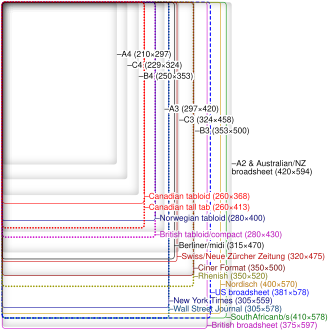
broadsheet

broadsheet
broadsheet
broadsheet /ˈbrɔːdʃiːt/ countable noun

Contrasted with 'tabloid': the large format was historically associated with serious journalism.

  • a newspaper printed in a large format, typically regarded as more serious

    He reads the broadsheets, not the tabloids.

#1546

ampoule

ampoule
ampoule
ampoule /ˈæmpuːl/ countable noun

Also spelled 'ampule' or 'ampul' (American). You snap the glass neck to open it.

  • a small sealed glass container holding a single dose of liquid medicine

    The nurse snapped the top off the ampoule and drew up the drug.

#1545

marry [family]

marry /ˈmæri/ verb
past: married /ˈmærid/
pp: married /ˈmærid/

No preposition before the person: 'She married him,' never 'married with him.'

  • to become the husband or wife of someone; to join a couple in marriage

    They married in a small country church.

married /ˈmærid/ adjective
  • having a husband or wife

    They've been married for ten years.

marriage /ˈmæridʒ/ countable noun

Stress stays on the first syllable.

  • the legal union of two people as partners; the state of being married

    Their marriage lasted over fifty years.

#1544

sketchy

sketchy /ˈsketʃi/ adjective

Two senses: literally 'like a rough sketch' (incomplete), and informally 'shady/suspicious'.

  1. not thorough or detailed; incomplete

    I only have a sketchy idea of what actually happened.

  2. (informal) dishonest, unsafe, or suspicious

    That part of town feels a little sketchy after dark.

#1543

forefather

forefather /ˈfɔːrfɑːðɚ/ countable noun

Usually plural ('our forefathers'); more formal and literary than 'ancestors', often in patriotic contexts.

  • an ancestor, especially a male one from earlier generations

    Our forefathers fought for these freedoms.

#1542

untuck

untuck /ʌnˈtʌk/ transitive verb
past: untucked /ʌnˈtʌkt/
pp: untucked /ʌnˈtʌkt/

Opposite of 'tuck in'. Most common with shirts and bedsheets.

  • to pull (a shirt, sheet, etc.) out from where it was tucked in

    He untucked his shirt the moment he left the office.

#1541

beeswax

beeswax
beeswax
beeswax /ˈbiːzwæks/ uncountable noun

Idiom: 'mind your own beeswax' = mind your own business.

  • the natural wax made by honeybees to build honeycomb, used in candles, polish, and cosmetics

    The candles were made from pure beeswax.

#1540

linebacker

linebacker
linebacker
linebacker /ˈlaɪnbækɚ/ countable noun

(American football) abbreviated 'LB'; lines up just behind the defensive linemen.

  • a defensive player in American football positioned behind the linemen

    The linebacker made a crushing tackle on the running back.

#1539

igloo

igloo
igloo
igloo /ˈɪɡluː/ countable noun

From Inuit 'iglu' (house). Built from blocks of hard-packed snow.

  • a dome-shaped shelter built from blocks of hard snow, traditionally by the Inuit

    They learned how to build an igloo from packed snow.

#1538

wheelie bin

wheelie bin
wheelie bin
wheelie bin /ˈwiːli bɪn/ countable noun

British English; American: 'wheeled trash can / garbage can'.

  • a large wheeled container for household waste

    Put the wheelie bin out on Tuesday night.

#1537

muzzle

muzzle /ˈmʌzəl/ countable noun animal

Three senses: an animal's nose/mouth, a guard strapped over it, and the open end of a gun barrel.

  1. the projecting nose and mouth of an animal

    The dog nudged me with its wet muzzle.

  2. a guard fitted over an animal's mouth to stop it biting

    The vet slipped a muzzle on the nervous dog.

  3. the open end of the barrel of a gun

    Smoke curled from the muzzle of the rifle.

muzzle /ˈmʌzəl/ transitive verb
past: muzzled /ˈmʌzəld/
pp: muzzled /ˈmʌzəld/
  • to put a muzzle on an animal; to prevent someone from speaking freely

    Critics accused the government of trying to muzzle the press.

#1536

sicken [family]

sicken /ˈsɪkən/ verb
past: sickened /ˈsɪkənd/
pp: sickened /ˈsɪkənd/

Transitive 'it sickens me' = disgusts me; intransitive = to become ill.

  1. to make someone feel disgusted or appalled

    The cruelty of the act sickened everyone who heard about it.

  2. to become ill

    The cattle began to sicken and die.

sickening /ˈsɪkənɪŋ/ adjective
  • causing disgust, horror, or revulsion

    There was a sickening crunch as the two cars collided.

#1535

maul

maul /mɔːl/ transitive verb
past: mauled /mɔːld/
pp: mauled /mɔːld/

Often of animals; figuratively, to criticize savagely. Sounds like 'mall'.

  1. (of an animal) to wound badly by tearing or clawing

    The hiker was mauled by a bear.

  2. to handle roughly, or to criticize harshly

    Critics mauled his first novel.

#1534

northbound / southbound / eastbound / westbound [group]

northbound /ˈnɔːrθbaʊnd/ adjective

The '-bound' suffix means 'traveling toward'. Compare 'homebound', 'outbound'.

  • traveling or leading toward the north

    Take the northbound train to get downtown.

southbound /ˈsaʊθbaʊnd/ adjective
  • traveling or leading toward the south

    Southbound traffic was backed up for miles.

eastbound /ˈiːstbaʊnd/ adjective
  • traveling or leading toward the east

    The eastbound lanes were closed for repairs.

westbound /ˈwestbaʊnd/ adjective
  • traveling or leading toward the west

    We caught the westbound bus home.

#1533

homeless

homeless /ˈhoʊmləs/ adjective

'The homeless' (with 'the') functions as a plural noun for homeless people.

  • having no home or permanent place to live

    The shelter provides hot meals for homeless people.

#1532

power cut

power cut /ˈpaʊɚ kʌt/ countable noun

British English; American: 'power outage' or 'blackout'.

  • a temporary interruption in the electricity supply

    The storm caused a power cut across half the city.

#1531

psyops

psyops /ˈsaɪɑːps/ noun

Short for 'psychological operations': military use of information and propaganda to influence a target.

  • military operations that use psychological tactics to influence an enemy's or population's morale and behavior

    The leaflets were part of a classic psyops campaign.

#1530

preamble

preamble /ˈpriːæmbəl/ countable noun

From pre- + Latin 'ambulare' (to walk). The Preamble to the US Constitution begins 'We the People'.

  • an introductory statement at the beginning of a document or speech

    After a long preamble, she finally got to the point.

#1529

birdseed

birdseed /ˈbɝdsiːd/ uncountable noun

A mixture of seeds, not a single seed.

  • a mixture of seeds used as food for caged or wild birds

    She refilled the feeder with birdseed.

#1528

entomology

entomology /ˌentəˈmɑːlədʒi/ uncountable noun

Study of insects (Greek 'entomon' = insect). Often confused with 'etymology' (word origins) and 'entomb' (to bury).

  • the scientific study of insects

    She studied entomology and specialized in beetles.

#1527

entomb

entomb /ɪnˈtuːm/ transitive verb
past: entombed /ɪnˈtuːmd/
pp: entombed /ɪnˈtuːmd/

From en- + tomb. Do NOT confuse with 'entomology' (study of insects).

  • to place in a tomb; to bury or trap as if in a tomb

    The miners were entombed by the collapse.

#1526

impregnable

impregnable /ɪmˈpreɡnəbəl/ adjective

From French 'prenable' (takeable), NOT related to 'pregnant'. Means 'cannot be captured'.

  1. (of a fortress or position) unable to be captured or broken into

    The castle stood on an impregnable cliff.

  2. (figuratively) impossible to overcome or defeat

    They built up an impregnable lead in the second half.

#1525

berate

berate /bɪˈreɪt/ transitive verb
past: berated /bɪˈreɪtɪd/
pp: berated /bɪˈreɪtɪd/

Stronger than 'scold': to criticize loudly and at length.

  • to scold or criticize someone angrily and at length

    The coach berated the players for their sloppy defense.

#1524

ingenuous [family]

ingenuous /ɪnˈdʒenjuəs/ adjective

Means innocent/naive/frank. False friend of 'ingenious' (= clever).

  • innocent and unsuspecting; frank in a naive, trusting way

    Her ingenuous smile won everyone over.

ingenue /ˈænʒənuː/ countable noun

From French (also spelled ingenue). Often a stock theatrical role: the innocent young woman.

  • an innocent or naive young woman, especially as a character type

    She was typecast as the wide-eyed ingenue.

disingenuous /ˌdɪsɪnˈdʒenjuəs/ adjective

Opposite of ingenuous: pretending to be naive or unaware while actually knowing better.

  • not sincere; falsely pretending to know less than one does

    It was disingenuous of him to claim he hadn't noticed.

#1523

doghouse

doghouse
doghouse
doghouse /ˈdɔːɡhaʊs/ countable noun

American; British: 'kennel'. Idiom: 'in the doghouse' = in trouble with someone.

  1. a small outdoor shelter for a dog

    The puppy curled up inside its doghouse.

  2. (idiom, 'in the doghouse') in a state of disgrace or disfavor

    He's in the doghouse for forgetting their anniversary.

#1522

swine

swine /swaɪn/ noun animal

Plural is also 'swine'. Formal/farming word for pigs; also an insult. 'Swine flu' = H1N1.

  1. a pig, or pigs collectively (formal or farming use)

    The farmer raised swine and cattle.

  2. (informal) a contemptible or unpleasant person

    You lied to her, you swine.

#1521

mafia

mafia /ˈmɑːfiə/ countable noun

Capital-M 'Mafia' = the Sicilian/Italian-American syndicate; lowercase = any shadowy controlling clique.

  • an organized body of criminals; (loosely) a powerful group exerting hidden influence

    The town was effectively run by the local mafia.

#1520

insufferable

insufferable /ɪnˈsʌfɚəbəl/ adjective

Almost always of a person or their manner; literally 'not able to be suffered (endured)'.

  • too unpleasant or annoying to bear, especially of a person

    He becomes insufferable whenever his team wins.

#1519

compete [family]

compete /kəmˈpiːt/ intransitive verb
past: competed /kəmˈpiːtɪd/
pp: competed /kəmˈpiːtɪd/

'Compete with/against' a rival; 'compete for' a prize. Related: competitor, competitive.

  • to try to win or do better than others; to take part in a contest

    Dozens of teams competed for the trophy.

competition /ˌkɑːmpəˈtɪʃən/ noun
  1. an event in which people try to win

    She entered a baking competition.

  2. the activity of competing; rivalry

    There is fierce competition between the two firms.

competitor /kəmˈpetətɚ/ countable noun

In business: "main competitor" / "chief competitor". In sports: athlete in a contest.

  • a person or company that takes part in a contest or rivalry

    Our main competitor lowered prices.

competitive /kəmˈpetətɪv/ adjective

"Competitive advantage": business term. "Competitive pricing": attractive prices. Personality trait: "He's so competitive".

  1. relating to or characterized by competition

    It's a competitive industry.

  2. having a strong desire to compete

    He's a very competitive person.

outcompete /ˌaʊtkəmˈpiːt/ transitive verb
past: outcompeted /ˌaʊtkəmˈpiːtɪd/
pp: outcompeted /ˌaʊtkəmˈpiːtɪd/

Common in business and ecology. "Invasive species outcompete natives." "Company X outcompeted rivals." Implies superior performance in same arena.

  • to be more successful in competition

    They outcompeted their rivals on price.

#1518

feline

feline /ˈfiːlaɪn/ adjective animal

From Latin 'felis' = cat. The dog equivalent is 'canine'.

  • relating to cats or the cat family

    The cheetah moved with incredible feline grace.

feline /ˈfiːlaɪn/ countable noun animal
  • a member of the cat family

    Lions and other large felines roamed the plain.

#1517

escrow

escrow /ˈeskroʊ/ uncountable noun

From Old French 'escroue' (scroll/deed). Usually 'in escrow' or 'held in escrow'.

  • money or property held by a neutral third party until the conditions of a deal are met

    The deposit is held in escrow until the sale closes.

#1516

valet

valet /væˈleɪ/ countable noun

Pronounced /væˈleɪ/ or /ˈvælɪt/. Two senses: a parking attendant, and a gentleman's personal servant.

  1. a person employed to park cars for guests at a hotel or restaurant

    He handed his keys to the valet.

  2. a man's personal male attendant who looks after his clothes

    The lord's valet laid out his evening suit.

#1515

rhinitis

rhinitis /raɪˈnaɪtɪs/ uncountable noun

From Greek 'rhino-' = nose + '-itis' = inflammation. 'Allergic rhinitis' = hay fever.

  • inflammation of the lining of the nose, causing congestion and a runny nose

    Pollen triggers her seasonal rhinitis every spring.

#1514

religion [family]

religion /rɪˈlɪdʒən/ uncountable noun
  • the belief in and worship of a superhuman controlling power, especially a personal God; a particular system of faith and worship

    Buddhism is a major world religion.

religious /rɪˈlɪdʒəs/ adjective

Two senses: relating to religion, and (informally) very scrupulous or dedicated.

  1. relating to or believing in a religion

    She comes from a deeply religious family.

  2. very careful and regular in doing something

    He has an almost religious devotion to his morning run.

#1513

Islamic

Islamic /ɪzˈlɑːmɪk/ adjective

Relating to Islam, the religion. The follower is a 'Muslim'; the faith's adjective is 'Islamic'.

  • relating to Islam or to Muslims

    Islamic art often features intricate geometric patterns.

#1512

vascular

vascular /ˈvæskjəlɚ/ adjective

Relating to vessels carrying fluid: blood vessels in animals, sap channels in plants. 'Cardiovascular' = heart + vessels.

  • relating to the vessels that carry blood (or sap in plants)

    Smoking sharply increases the risk of vascular disease.

#1511

atelier

atelier /ˌætəlˈjeɪ/ countable noun

French loanword for a workshop or studio, especially in art or fashion.

  • a workshop or studio, especially one used by an artist or fashion designer

    The designer welcomed clients into her Paris atelier.

#1510

elate [family]

elate /ɪˈleɪt/ transitive verb
past: elated /ɪˈleɪtɪd/
pp: elated /ɪˈleɪtɪd/

More common in its past participle, 'elated'.

  • to fill someone with joy or pride

    The come-from-behind victory elated the whole town.

elated /ɪˈleɪtɪd/ adjective
  • extremely happy and excited

    She was elated when she got the job offer.

elation /ɪˈleɪʃən/ uncountable noun
  • a feeling of great happiness and excitement

    He felt a rush of elation as he crossed the finish line.

#1509

shimmer

shimmer /ˈʃɪmɚ/ verb
past: shimmered /ˈʃɪmɚd/
pp: shimmered /ˈʃɪmɚd/

A soft, wavering, reflected light. Compare 'glimmer' (faint, steady) and 'glitter' (hard, sparkly).

  • to shine with a soft, wavering light

    The lake shimmered in the moonlight.

shimmer /ˈʃɪmɚ/ countable noun
  • a soft, trembling light or gleam

    There was a shimmer of heat above the road.

#1508

wheel

wheel /wiːl/ countable noun

'Reinvent the wheel' = redo something pointlessly. 'Behind the wheel' = driving. 'Big wheel' = an important person.

  • a circular object that turns on an axle, used to move vehicles or machinery

    One of the cart's wheels came loose.

wheel /wiːl/ transitive verb
past: wheeled /wiːld/
pp: wheeled /wiːld/
  • to push or pull something on wheels

    She wheeled the trolley to the checkout.

#1507

full marks

full marks /ˌfʊl ˈmɑːrks/ noun

British; = a perfect score. 'Full marks for effort' = credit for trying even if the result fails.

  • the highest possible score; (idiom) full credit or praise

    Full marks to the team for their quick response.

#1506

compensate [family]

compensate /ˈkɑːmpənseɪt/ verb
past: compensated /ˈkɑːmpənseɪtɪd/
pp: compensated /ˈkɑːmpənseɪtɪd/

'Compensate for' = make up for; 'compensate someone' = pay them for a loss.

  1. to give someone money or something to make up for loss or damage

    The airline compensated passengers for the long delay.

  2. to offset or counterbalance something

    He compensates for his shyness with humor.

compensation /ˌkɑːmpənˈseɪʃən/ uncountable noun
  • something, especially money, given to make up for loss, injury, or suffering

    She received compensation for her injuries.

compensatory /kəmˈpensətɔːri/ adjective
  • intended to make up for something; counterbalancing

    The court awarded compensatory damages.

#1505

caprice [family]

caprice /kəˈpriːs/ countable noun

From Italian 'capriccio'. A sudden, unaccountable change of mind.

  • a sudden and unaccountable change of mood or behavior; a whim

    The king ruled by caprice rather than by law.

capricious /kəˈprɪʃəs/ adjective

Note the vowel shift: caprice /priːs/ vs capricious /prɪʃ/.

  • given to sudden changes of mood or behavior; unpredictable

    The weather in the mountains is famously capricious.

#1504

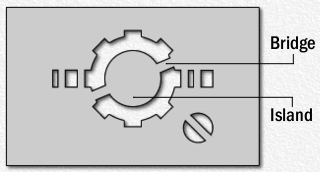
stencil

stencil
stencil
stencil /ˈstensəl/ countable noun

A sheet with cut-out shapes; you paint over it to reproduce the pattern.

  • a thin sheet with a cut-out design, used to paint a pattern onto a surface

    She made the sign using a letter stencil.

stencil /ˈstensəl/ transitive verb
past: stenciled /ˈstensəld/ (American spelling) or stencilled /ˈstensəld/ (British spelling)
pp: stenciled /ˈstensəld/ (American spelling) or stencilled /ˈstensəld/ (British spelling)
  • to mark or paint (a design) using a stencil

    They stenciled the address onto each crate.

#1503

oscilloscope

oscilloscope
oscilloscope
oscilloscope /əˈsɪləskoʊp/ countable noun

From 'oscillate' + '-scope'. Displays signals as a wavy line called the 'trace'.

  • an instrument that displays electrical signals as a visible waveform on a screen

    The technician checked the circuit with an oscilloscope.

#1502

eradicate [family]

eradicate /ɪˈrædɪkeɪt/ transitive verb
past: eradicated /ɪˈrædɪkeɪtɪd/
pp: eradicated /ɪˈrædɪkeɪtɪd/

From Latin 'radix' = root (literally 'to pull out by the roots'); related to 'radish' and 'radical'.

  • to destroy or get rid of something completely

    Smallpox was eradicated worldwide by 1980.

eradication /ɪˌrædɪˈkeɪʃən/ uncountable noun
  • the complete destruction or removal of something

    The eradication of polio is nearly complete.

#1501

sodium

sodium
sodium
sodium /ˈsoʊdiəm/ uncountable noun

Chemical element, symbol Na (from Latin 'natrium'); a soft reactive metal. 'Sodium chloride' = table salt.

  • a soft silvery-white metallic element whose compounds include common salt

    Too much sodium in the diet can raise blood pressure.