Vocabulary: Batch 40

#3901 to #4000 (100 entries)

#4000

resign [family]

resign /rɪˈzaɪn/ verb
past: resigned /rɪˈzaɪnd/
pp: resigned /rɪˈzaɪnd/

"Resign from" a position/job. "Resign oneself to" = accept reluctantly (source of the "resigned" adjective sense).

  • to voluntarily leave a job or position

    She resigned from her post as director.

resigned /rɪˈzaɪnd/ adjective

Resigned (accepting) vs. resigned from (quit). Same spelling, different stress doesn't apply: context decides meaning.

  • having accepted something unpleasant

    She was resigned to her fate.

resignation /ˌrezɪɡˈneɪʃən/ noun

"Letter of resignation": formal job-quitting document. Famous: Nixon's resignation (1974, only US president to resign).

  1. the act of resigning from a job

    He handed in his resignation.

  2. the acceptance of something unpleasant

    She accepted the news with resignation.

#3999

reluctant [family]

reluctant /rɪˈlʌktənt/ adjective

"Reluctant hero": common literary trope (Frodo, Bilbo). Adverb: reluctantly. Common: "agreed reluctantly".

  • unwilling and hesitant

    He was reluctant to leave.

reluctantly /rɪˈlʌktəntli/ adverb
  • in an unwilling or hesitant manner

    He reluctantly agreed to help.

#3998

reform

reform /rɪˈfɔːrm/ verb
past: reformed /rɪˈfɔːrmd/
pp: reformed /rɪˈfɔːrmd/

"Reformed criminal": one who has stopped committing crimes. "The Reformation": 16th-century Protestant religious movement.

  • to make changes in order to improve

    They aim to reform the prison system.

reform /rɪˈfɔːrm/ countable noun
  • a change made to improve a system

    The government promised tax reform.

#3997

refract [family]

refract /rɪˈfrækt/ transitive verb
past: refracted /rɪˈfræktɪd/
pp: refracted /rɪˈfræktɪd/

Related noun: refraction. Light refracts when passing through different media: why a straw appears bent in water.

  • to bend (light) when it passes through one medium to another

    A prism refracts white light into colors.

refraction /rɪˈfrækʃən/ uncountable noun
  • the bending of light or another wave as it passes from one medium to another

    Refraction causes the straw to look bent in water.

#3996

refer [family]

refer /rɪˈfɝ/ verb
past: referred /rɪˈfɝd/
pp: referred /rɪˈfɝd/

Past tense: referred (double r). "Refer" can mean direct ("I refer you to the manual") or mention ("she didn't refer to the incident").

  1. to mention or allude to

    He referred to her by name.

  2. to direct (someone) to a source of help

    The doctor referred her to a specialist.

reference /ˈrefɚəns/ countable noun

"Reference": in academia, a citation. In job applications, someone who vouches for you ("give as a reference"). "For your reference" (FYR): common business email phrase.

  • the action of mentioning or alluding to something

    She made no reference to the meeting.

referral /rɪˈfɝəl/ noun
  • the act of directing someone to a specialist or another source of help

    She got a referral to a cardiologist.

#3995

recycle [family]

recycle /ˌriːˈsaɪkəl/ transitive verb
past: recycled /ˌriːˈsaɪkəld/
pp: recycled /ˌriːˈsaɪkəld/

"Recycling bin" - common household item. "Upcycle" - related but distinct: reusing to create something of higher value.

  • to convert waste into reusable material

    They recycle glass, paper, and plastic.

recyclable /ˌriːˈsaɪkləbəl/ adjective

"Recyclable" doesn't mean it actually gets recycled: much depends on local infrastructure. Common recyclables: paper, glass, aluminum, some plastics (#1 PET, #2 HDPE most reliably).

  • able to be reprocessed for further use

    The packaging is fully recyclable.

#3994

recreate

recreate /ˌriːkriˈeɪt/ transitive verb
past: recreated /ˌriːkriˈeɪtɪd/
pp: recreated /ˌriːkriˈeɪtɪd/

Note: stress on "create" syllable. Don't confuse with "recreation" (= leisure, stress on "ra").

  • to create again or anew

    The film recreates the events of that day.

#3993

recover [family]

recover /rɪˈkʌvɚ/ verb
past: recovered /rɪˈkʌvɚd/
pp: recovered /rɪˈkʌvɚd/

"Recover" can mean physical (from illness), financial (recover losses), or emotional (recover from a breakup).

  1. to return to a normal state of health

    It took her weeks to recover from the surgery.

  2. to find or get back something lost

    Police recovered the stolen goods.

recovery /rɪˈkʌvɚi/ noun

"In recovery": recovering from addiction. "Recovery time": period needed to bounce back.

  • a return to a normal state of health or mind

    She made a full recovery.

recoverable /rɪˈkʌvɚəbəl/ adjective

"Recoverable data": in tech, data that can be restored after deletion or corruption.

  • able to be recovered

    The deleted files were not recoverable.

#3992

concierge

concierge /ˌkɑːnsiˈerʒ/ countable noun

From French. High-end hotels famous for their concierges who can arrange anything (restaurant reservations, theater tickets, sightseeing).

  • a hotel employee who assists guests

    The concierge recommended a restaurant.

#3991

recall

recall /rɪˈkɔːl/ verb
past: recalled /rɪˈkɔːld/
pp: recalled /rɪˈkɔːld/

"Recall" in politics: removal of an elected official before term ends. "Product recall": manufacturer asking customers to return defective items.

  • to bring (a fact, event, or situation) back into one's mind

    I don't recall meeting him.

recall /rɪˈkɔːl/ countable noun
  • an act of recalling

    The company issued a recall on the toy.

#3990

real [family]

real /ˈriːəl/ adjective

"Get real" - common exclamation. "For real" (informal) - genuinely.

  • actually existing as a thing or occurring in fact; not imaginary

    Is that a real diamond?

realistic /ˌriːəˈlɪstɪk/ adjective

"Be realistic": common advice tempering enthusiasm. In art: "realistic" depicts things as they appear, vs. "abstract".

  • having a practical view of things

    You need to be realistic about your chances.

reality /riˈæləti/ uncountable noun

"Reality TV", "reality check" - common modern phrases. "Virtual reality" (VR) - simulated environment.

  • the state of things as they actually exist

    He struggled to accept the reality of the situation.

realism /ˈriːəlɪzəm/ uncountable noun

In art/literature: a movement depicting subjects truthfully, without idealization. In philosophy/politics: a pragmatic approach.

  • the quality or fact of representing a subject truthfully

    The film is praised for its gritty realism.

#3989

rage

rage /reɪdʒ/ uncountable noun

"Road rage": aggressive driving. "All the rage" = currently very fashionable. "Rage quit" (modern) = leaving angrily, especially a video game.

  • violent uncontrollable anger

    He shook with rage.

#3988

quilt

quilt
quilt
quilt /kwɪlt/ countable noun

"Quilting": popular craft hobby with traditional roots (especially Amish, American folk art). Famous: AIDS Memorial Quilt, large memorial.

  • a thick bed cover made of two layers of fabric with padding

    Her grandmother sewed her a quilt.

#3987

publish [family]

publish /ˈpʌblɪʃ/ transitive verb
past: published /ˈpʌblɪʃt/
pp: published /ˈpʌblɪʃt/

"Self-publish" - modern alternative to traditional publishing. "Publish or perish" - academic career pressure.

  • to prepare and issue a book, journal, or other material for public sale or distribution

    The novel was published last year.

publisher /ˈpʌblɪʃɚ/ countable noun

Big Five publishers (US trade books): Penguin Random House, HarperCollins, Simon & Schuster, Hachette, Macmillan. Self-publishing has grown dramatically with Amazon KDP.

  • a person or company that prepares and issues books for public sale

    She sent the manuscript to a publisher.

#3986

public [family]

public /ˈpʌblɪk/ adjective

"Public school" - means very different things in the US (government-funded) vs UK (expensive private school). "In public" - not in private.

  • of, concerning, or open to the people as a whole

    The park is open to the public.

public /ˈpʌblɪk/ uncountable noun
  • ordinary people in general

    The museum is free to the public.

publicity /pʌˈblɪsəti/ uncountable noun

"Any publicity is good publicity": saying about the value of attention, good or bad. "Publicity stunt": attention-grabbing trick.

  • the attention given to someone or something by the media

    The scandal generated a lot of publicity.

publicize /ˈpʌbləsaɪz/ transitive verb
past: publicized /ˈpʌbləsaɪzd/
pp: publicized /ˈpʌbləsaɪzd/

American spelling; British: publicise.

  • to make widely known; to advertise

    The campaign aims to publicize the new product.

publicise /ˈpʌbləsaɪz/ transitive verb
past: publicised /ˈpʌbləsaɪzd/
pp: publicised /ˈpʌbləsaɪzd/

British spelling; American: publicize.

  • to make widely known; to advertise

    The council publicised the new bus routes.

#3985

protest

protest /ˈproʊtest/ countable noun

Noun stress on first syllable; verb (/prəˈtest/) on second. Famous protests: Boston Tea Party, Tiananmen Square, civil rights marches.

  • a statement or action expressing disapproval

    They held a protest outside the embassy.

protest /prəˈtest/ verb
past: protested /prəˈtestɪd/
pp: protested /prəˈtestɪd/
  • to express strong disapproval

    They protested against the war.

#3984

prompt [family]

prompt /prɑːmpt/ adjective

"Prompt" in tech: a command-line input cue ("$ " or "> ") or AI input (ChatGPT prompts). "Writing prompt" - starter idea for creative writing.

  • done without delay

    Thank you for your prompt reply.

prompt /prɑːmpt/ transitive verb
past: prompted /ˈprɑːmptɪd/
pp: prompted /ˈprɑːmptɪd/
  • to cause or bring about

    What prompted your decision?

promptly /ˈprɑːmptli/ adverb
  • without delay; quickly and on time

    Please reply promptly to confirm your appointment.

prompting /ˈprɑːmptɪŋ/ uncountable noun

In AI, prompting means writing instructions or inputs that guide a model's output.

  • the act of encouraging, reminding, or causing a response

    With a little prompting, the witness remembered the address.

#3983

promote [family]

promote /prəˈmoʊt/ transitive verb
past: promoted /prəˈmoʊtɪd/
pp: promoted /prəˈmoʊtɪd/

Multiple senses: career advancement, marketing (promote a product), foster (promote understanding).

  1. to support or encourage

    The campaign promotes healthy eating.

  2. to advance someone to a higher position

    She was promoted to manager.

promotion /prəˈmoʊʃən/ noun

"Sales promotion": discount, coupon, etc. "Job promotion": advancement at work.

  1. advancement to a higher position

    She got a promotion at work.

  2. marketing to increase sales

    The store is running a holiday promotion.

promoter /prəˈmoʊtɚ/ countable noun

"Boxing promoter", "event promoter" - common roles in entertainment/sports.

  • a person who organizes or supports an event, cause, or venture

    The fight was organized by a famous boxing promoter.

#3982

promise [family]

promise /ˈprɑːməs/ countable noun

"Break a promise", "keep a promise" - common collocations. "Show promise" - the source of the adjective "promising".

  • a declaration that one will do something

    He kept his promise to help her.

promise /ˈprɑːməs/ transitive verb
past: promised /ˈprɑːməst/
pp: promised /ˈprɑːməst/
  • to state that one will do something

    She promised to call every day.

promising /ˈprɑːmɪsɪŋ/ adjective

"Promising young" + profession: common phrase about talented juniors with bright futures.

  • showing signs of future success

    She is a promising young writer.

#3981

procedure [family]

procedure /prəˈsiːdʒɚ/ countable noun

"Standard operating procedure" (SOP): written rules. "Medical procedure": surgical or diagnostic operation.

  • an established way of doing something

    Follow the standard procedure.

procedural /prəˈsiːdʒɚəl/ adjective
  • relating to an established or official way of doing something

    Procedural rules.

#3980

prime [family]

prime /praɪm/ adjective

"Prime minister": head of government in parliamentary systems. "Prime time": TV viewing peak hours. "Amazon Prime": subscription service.

  1. of the best possible quality

    This is prime real estate.

  2. of first importance; main

    That's the prime reason for my visit.

subprime /ˌsʌbˈpraɪm/ adjective
  • referring to credit or loan arrangements for borrowers with a poor credit history, typically having unfavorable conditions such as high interest rates

    Subprime mortgages.

#3979

present [family]

present /ˈprezənt/ adjective

Adjective ("present" = here now) stress on first syllable; verb ("to present" = give/show) stress on second.

  • in a particular place; existing or occurring now

    Everyone was present at the meeting.

present /ˈprezənt/ countable noun
  • a gift

    She bought him a birthday present.

present /prɪˈzent/ verb
past: presented /prɪˈzentɪd/
pp: presented /prɪˈzentɪd/
  • to give or hand over formally

    He presented her with flowers.

presentation /ˌprezənˈteɪʃən/ countable noun

"PowerPoint presentation": ubiquitous modern format. "Death by PowerPoint": humorous critique of boring slide decks.

  • a speech or talk in which a topic is presented

    She gave a brilliant presentation.

presence /ˈprezəns/ noun

"Presence of mind": calm thinking in crisis. "Stage presence": performer's commanding aura. "In someone's presence": formal.

  1. the state of being present in a place

    His presence calmed the crowd.

  2. a person's bearing or impressive quality

    She has a strong presence.

#3978

pregnant [family]

pregnant /ˈpreɡnənt/ adjective

"Pregnant pause" - figurative use, a meaningful silence.

  • (of a woman) having a child developing in the uterus

    She is seven months pregnant.

pregnancy /ˈpreɡnənsi/ noun

Typical human pregnancy: 40 weeks (~9 months). "Pregnancy test": home test detecting hCG hormone.

  • the condition of being pregnant

    She had a difficult pregnancy.

#3977

predict [family]

predict /prɪˈdɪkt/ transitive verb
past: predicted /prɪˈdɪktɪd/
pp: predicted /prɪˈdɪktɪd/

From Latin praedicere (to say beforehand).

  • to say that something will happen in the future

    Experts predict a strong economy next year.

prediction /prɪˈdɪkʃən/ countable noun

"Weather prediction" / "forecast": meteorology. "Predictions" by Nostradamus: famously vague historical prophecies.

  • a statement of what will happen in the future

    His prediction came true.

predictable /prɪˈdɪktəbəl/ adjective

Often slightly negative ("predictable plot" = uncreative). Antonym: unpredictable.

  • able to be predicted

    His behavior is predictable.

#3976

polish [family]

nail polish
nail polish
polish /ˈpɑːlɪʃ/ transitive verb
past: polished /ˈpɑːlɪʃt/
pp: polished /ˈpɑːlɪʃt/

Don't confuse with capitalized "Polish" /ˈpoʊlɪʃ/ (from Poland): same spelling, different pronunciation and meaning. "Polished" can mean refined/sophisticated.

  1. to make smooth and shiny by rubbing

    He polished his shoes.

  2. to improve or refine

    She polished her presentation.

polish /ˈpɑːlɪʃ/ noun

"Shoe polish", "furniture polish" - common household products. "A fresh coat of polish" - figurative for improvement.

  • a substance used to clean, shine, or protect a surface

    He applied a coat of polish to the table.

nail polish /ˈneɪl pɑːlɪʃ/ uncountable noun
  • a thick liquid applied to the fingernails or toenails to color or protect them

    She put on red nail polish.

#3975

possess [family]

possess /pəˈzes/ transitive verb
past: possessed /pəˈzest/
pp: possessed /pəˈzest/

"What possessed you to...?" - rhetorical question about strange behavior.

  • to have or own as belonging to oneself

    She possesses a rare talent for languages.

possessed /pəˈzest/ adjective

"Like a man possessed": acting with crazed intensity. Many horror films are about demonic possession (The Exorcist, etc.).

  • controlled by an evil spirit

    In the film, she becomes possessed by a demon.

possession /pəˈzeʃən/ noun

"Possession is nine-tenths of the law": traditional legal saying. In sports: "team has possession" of the ball.

  • the state of having or owning something

    The diamond came into her possession.

possessive /pəˈzesɪv/ adjective
  • demanding someone's total attention and love; showing a desire to own things and not share them

    He's very possessive of his toys.

#3974

postage [family]

postage stamp
postage stamp
postage /ˈpoʊstɪdʒ/ uncountable noun

In US, "Forever stamps" (introduced 2007): always valid for first-class postage regardless of future rate increases.

  • the amount required for sending mail

    How much is postage for this letter?

postage stamp /ˈpoʊstɪdʒ stæmp/ countable noun

First adhesive postage stamp: Britain's Penny Black (1840). Stamp collecting (philately) is a popular hobby. Rare stamps can fetch millions.

  • a small adhesive piece of paper showing postage payment

    She stuck a postage stamp on the envelope.

#3973

portray [family]

portray /pɔːrˈtreɪ/ transitive verb
past: portrayed /pɔːrˈtreɪd/
pp: portrayed /pɔːrˈtreɪd/

From Latin portrahere. Related: portrait, portraiture.

  • to depict in a particular way

    The film portrays him as a hero.

portrayal /pɔːrˈtreɪəl/ countable noun

"His portrayal of Hamlet": an actor's interpretation. Distinct from "portrait" (visual). Common in film/theater criticism.

  • the way someone or something is depicted

    Her portrayal of the queen won an Oscar.

portrait /ˈpɔːrtrət/ countable noun

"Self-portrait": artist's own picture (Rembrandt and Van Gogh famous for many). "Portrait orientation": vertical page layout (vs. landscape).

  • a painting or photo of a person, especially the face

    Her portrait hung in the gallery.

portraiture /ˈpɔːrtrətʃɚ/ uncountable noun

The art or practice of creating portraits.

  • the art of creating portraits

    She studied portraiture at art school.

#3972

physical

physical /ˈfɪzɪkəl/ adjective

"Physical therapy" (PT): rehabilitation discipline. "Physical" (informal noun) = annual medical check-up. "Physical": 1981 Olivia Newton-John hit.

  • relating to the body

    He's in good physical condition.

#3971

discrete

discrete /dɪˈskriːt/ adjective

Don't confuse with "discreet" (= careful, unobtrusive). Same pronunciation, opposite professional fields favor each spelling.

  • individually separate and distinct

    The course is divided into discrete units.

#3970

persuade [family]

persuade /pɚˈsweɪd/ transitive verb
past: persuaded /pɚˈsweɪdɪd/
pp: persuaded /pɚˈsweɪdɪd/

"Hard to persuade" / "easily persuaded": common descriptions. "Persuade" is one of Jane Austen's six major novels.

  • to induce (someone) to do something through reasoning

    She persuaded him to change his mind.

persuasive /pɚˈsweɪsɪv/ adjective

"Persuasive essay" / "persuasive speech": common school writing types.

  • good at persuading

    He made a persuasive argument.

persuasion /pɚˈsweɪʒən/ noun

Carnegie's "How to Win Friends and Influence People": classic book on persuasion. "Powers of persuasion": common phrase.

  • the action of persuading someone

    She used gentle persuasion.

#3969

peer

peer /pɪr/ countable noun

"Peer review": academic process where experts evaluate research. "Peer pressure": influence from social group, especially in adolescence. In UK: "peer" = member of nobility.

  • a person of the same age or status

    She is respected by her peers.

peer /pɪr/ intransitive verb
past: peered /pɪrd/
pp: peered /pɪrd/
  • to look intently

    He peered into the darkness.

#3968

peep

peep /piːp/ verb
past: peeped /piːpt/
pp: peeped /piːpt/

"Peeping Tom": voyeur (named after the Coventry man who supposedly peeked at Lady Godiva). "Peeps", informal: friends; or marshmallow Easter candy.

  • to look quickly and secretly

    He peeped through the keyhole.

peep /piːp/ countable noun

"Not a peep" - not a sound at all. "Peeps" (plural, informal) = friends.

  • a quick or furtive look

    She took a peep through the curtains.

#3967

peculiar [family]

peculiar /pɪˈkjuːliɚ/ adjective

Two senses: strange ("peculiar smell") or specific to ("peculiar to this region").

  • strange or unusual

    There's something peculiar about him.

peculiarity /pɪˌkjuːliˈærəti/ noun
  • an odd or distinctive feature or habit

    one of the peculiarities of English spelling

#3966

passive

passive /ˈpæsɪv/ adjective

In grammar: "passive voice" ("the ball was thrown") vs. active voice. "Passive-aggressive": indirect hostility. "Passive income": money requiring little ongoing effort.

  • accepting or allowing what happens without active response

    His passive attitude frustrated her.

#3965

partner [family]

partner /ˈpɑːrtnɚ/ countable noun

"Business partner", "life partner", "tennis partner" - common collocations. Increasingly used instead of "boyfriend/girlfriend" for serious relationships.

  1. a person who takes part in an undertaking with another or others

    She started the firm with her business partner.

  2. either member of a couple in a relationship

    He introduced his partner at the party.

partner /ˈpɑːrtnɚ/ intransitive verb
past: partnered /ˈpɑːrtnɚd/
pp: partnered /ˈpɑːrtnɚd/

Often "partner with".

  • to work in partnership with another person or organization

    The company partnered with a local charity.

partnership /ˈpɑːrtnɚʃɪp/ noun

"Limited liability partnership" (LLP): business structure common in law and accounting firms. "Civil partnership": same-sex unions before marriage equality.

  • the state of being a partner; a partnership business

    They entered into a business partnership.

#3964

partial [family]

partial /ˈpɑːrʃəl/ adjective

Two senses: incomplete ("partial recovery") or biased ("partial judge"). Adverb: partially.

  1. existing only in part; incomplete

    He made a partial recovery.

  2. having a liking or bias

    She's partial to chocolate.

partially /ˈpɑːrʃəli/ adverb
  • not completely; in part

    The project was only partially completed.

#3963

paragraph

paragraph /ˈpærəɡræf/ countable noun

From Greek para (beside) + graphein (to write). Modern writing typically has 3-7 sentences per paragraph. ¶: the paragraph symbol (pilcrow).

  • a distinct section of writing

    Begin a new paragraph for each idea.

#3962

overthrow

overthrow /ˌoʊvɚˈθroʊ/ transitive verb
past: overthrew /ˌoʊvɚˈθruː/
pp: overthrown /ˌoʊvɚˈθroʊn/

Past tense: overthrew. Past participle: overthrown. Common: "overthrow the government". Famous: 1953 Iranian coup (CIA-backed overthrow of Mossadegh).

  • to remove forcibly from power

    The dictator was overthrown.

overthrow /ˈoʊvɚθroʊ/ countable noun
  • a removal from power; a defeat or downfall

    The overthrow of the president.

#3961

overnight

overnight /ˌoʊvɚˈnaɪt/ adverb

"Overnight success": sudden fame (often misleading, many "overnight" successes worked for years). "Overnight oats": popular healthy breakfast.

  1. for or during the night

    They stayed overnight at the hotel.

  2. very quickly or suddenly

    He became famous overnight.

overnight /ˈoʊvɚnaɪt/ adjective

"Overnight shipping", "overnight stay" - common collocations.

  • done, occurring, or lasting through the night

    They booked an overnight stay at the hotel.

#3960

outstanding

outstanding /ˌaʊtˈstændɪŋ/ adjective

Two distinct senses. "Outstanding debt": unpaid bills. "Outstanding student": excellent.

  1. exceptionally good

    She gave an outstanding performance.

  2. not yet paid or resolved

    He has several outstanding debts.

#3959

orchestra [family]

orchestra
orchestra
orchestra /ˈɔːrkəstrə/ countable noun

Famous: Berlin Philharmonic, Vienna Philharmonic, New York Philharmonic. Typical sections: strings, woodwinds, brass, percussion. "Symphony orchestra": large standard ensemble.

  • a large group of musicians playing various instruments

    She plays violin in the orchestra.

orchestral /ɔːrˈkestrəl/ adjective
  • relating to an orchestra

    It's an orchestral arrangement.

orchestra pit /ˈɔːrkəstrə pɪt/ countable noun

Allows musicians to play without obscuring the stage. Standard in opera houses, musical theaters.

  • the sunken area in front of a theater stage where musicians play

    The conductor stood in the orchestra pit.

orchestrate /ˈɔːrkəstreɪt/ transitive verb
past: orchestrated /ˈɔːrkəstreɪtɪd/
pp: orchestrated /ˈɔːrkəstreɪtɪd/

Two senses: arrange music for orchestra, or organize a complex plan. Often used negatively: "orchestrated a smear campaign".

  • to plan or coordinate carefully

    He orchestrated the entire event.

orchestration /ˌɔːrkəˈstreɪʃən/ uncountable noun

Music: arranging composition for orchestra. Figurative: "orchestration of events", coordinating to produce a result. Tech: container orchestration (Kubernetes).

  1. the arrangement or scoring of a piece of music for performance by an orchestra

    The orchestration was masterful.

  2. the careful organization and coordination of a complex event or plan

    The product launch required careful orchestration across several teams.

#3958

opt / option [family]

opt /ɑːpt/ intransitive verb
past: opted /ˈɑːptɪd/
pp: opted /ˈɑːptɪd/
  • to choose one option, especially from available alternatives

    Many employees opted to work from home.

option /ˈɑːpʃən/ countable noun

In finance: "stock option" = right to buy stock at fixed price. In tech: dropdown menu "options".

  • a thing that may be chosen

    There are several options to consider.

optional /ˈɑːpʃənəl/ adjective

Antonym: mandatory, required. Common in surveys: "optional" fields.

  • available to be chosen but not required

    The dessert is optional.

opt-out /ˈɑːpt aʊt/ noun
  • an instance of choosing not to participate in something

    An opt-out clause.

#3957

nursery

nursery /ˈnɝsɚi/ countable noun

British: nursery = preschool. "Plant nursery": where plants are grown for sale. "Nursery rhyme": children's poem.

  1. a room for the care of children

    They decorated the nursery.

  2. a place where young plants are grown

    We bought the tree at a nursery.

#3956

numerous

numerous /ˈnuːmɚəs/ adjective

From Latin numerus (number). More formal than "many".

  • great in number

    There are numerous reasons to visit Italy.

#3955

nowadays

nowadays /ˈnaʊədeɪz/ adverb

Slightly informal. More formal alternatives: "at present", "currently", "these days".

  • at the present time

    Everyone has a smartphone nowadays.

#3954

noble [family]

noble /ˈnoʊbəl/ adjective

"Noble gas": group 18 of periodic table (helium, neon, etc.). "Noble metal": resistant to corrosion (gold, platinum). "Nobel Prize": different spelling (after Alfred Nobel).

  1. having high moral qualities

    It was a noble act of bravery.

  2. belonging by birth to a hereditary class with high social status

    He came from a noble family.

nobility /noʊˈbɪləti/ uncountable noun

"The nobility" - collective term for aristocrats. Also: "nobility of spirit" - moral excellence.

  • the quality of being noble; the aristocratic class

    He was a member of the nobility.

#3953

nevertheless

nevertheless /ˌnevɚðəˈles/ adverb

"Nevertheless, she persisted": phrase that became a feminist rallying cry after Mitch McConnell used it about Elizabeth Warren in 2017.

  • in spite of that

    It was difficult; nevertheless, she succeeded.

#3952

neglect [family]

neglect /nɪˈɡlekt/ transitive verb
past: neglected /nɪˈɡlektɪd/
pp: neglected /nɪˈɡlektɪd/

"Child neglect": legal/social term, distinct from abuse. "Neglected garden": figurative use.

  • to fail to care for properly

    He neglected his health for years.

negligible /ˈneɡlɪdʒəbəl/ adjective
  • so small or unimportant as to be not worth considering

    The cost difference was negligible.

negligent /ˈneɡlɪdʒənt/ adjective
  • failing to take proper care; carelessly inattentive

    The driver was found to be negligent.

negligence /ˈneɡlɪdʒəns/ noun
  • failure to take proper care, especially as a legal fault

    She sued the hospital for negligence.

neglectful /nɪˈɡlektfəl/ adjective
  • not giving proper care or attention

    neglectful parents

#3951

namely

namely /ˈneɪmli/ adverb

Used to specify what one has just mentioned. Often replaceable with "that is" or "specifically".

  • that is to say

    Only one person can sing it: namely, you.

#3950

mutual [family]

mutual /ˈmjuːtʃuəl/ adjective

"Mutual fund": pooled investment vehicle. "Mutual friend": friend known to both parties.

  • experienced or done by each of two or more parties toward the other

    They had a mutual respect.

mutually /ˈmjuːtʃuəli/ adverb

"Mutually exclusive", "mutually beneficial" - common collocations.

  • in a way that is experienced or done by each of two or more parties toward the other

    They mutually agreed to end the contract.

#3949

donkey

donkey
donkey
donkey /ˈdɑːŋki/ countable noun animal

Symbol of the US Democratic Party. "Donkey work": tedious labor. "Donkey years": a very long time. Famous: Eeyore (Winnie the Pooh's gloomy donkey).

  • a long-eared animal, smaller than a horse

    They rode donkeys up the mountain.

#3948

moreover

moreover /mɔːrˈoʊvɚ/ adverb

Formal. Used to add information. More everyday: "besides", "also", "in addition".

  • as a further matter; besides

    The book is well-written; moreover, it's affordable.

#3947

modest [family]

modest /ˈmɑːdəst/ adjective

"Modest" can describe income (small), clothing (covering), or personality (humble). All three relate to "not excessive".

  • unassuming or moderate in estimating one's own abilities

    She is too modest about her achievements.

modesty /ˈmɑːdəsti/ uncountable noun

"False modesty": pretending humility while expecting praise. Considered one of the virtues in many cultures.

  • the quality of being modest

    His modesty impressed everyone.

#3946

moderate [family]

moderate /ˈmɑːdɚət/ adjective

Adjective ending: -ət. Verb ("to moderate" = chair, lessen) ending: -eɪt.

  • average in amount, intensity, or degree

    They had moderate success.

moderate /ˈmɑːdəreɪt/ verb
past: moderated /ˈmɑːdəreɪtɪd/
pp: moderated /ˈmɑːdəreɪtɪd/

"Moderate" on a forum = manage discussions, remove inappropriate content.

  • to make less extreme

    He moderated his views.

moderation /ˌmɑːdəˈreɪʃən/ uncountable noun

"Everything in moderation" - common proverb about balance.

  1. the avoidance of excess or extremes

    He drinks in moderation.

  2. the action of making something less extreme

    The moderation of his tone helped the discussion.

moderator /ˈmɑːdəreɪtɚ/ countable noun

"Forum moderator", "debate moderator" - common roles online and in media.

  • a person who presides over a discussion or debate

    The moderator kept the debate on schedule.

#3945

mislead [family]

mislead /ˌmɪsˈliːd/ transitive verb
past: misled /ˌmɪsˈled/
pp: misled /ˌmɪsˈled/

Past tense: misled (NOT misleaded). "Mislead" implies intent or carelessness; "misinform" is more neutral.

  • to cause to have a false impression

    The advertisement misled consumers.

misleading /ˌmɪsˈliːdɪŋ/ adjective

"Misleading advertising": legal/ethical concept. FTC (Federal Trade Commission) regulates this in the US.

  • giving the wrong idea or impression

    The headline was misleading.

#3944

misfortune

misfortune /ˌmɪsˈfɔːrtʃən/ noun

"To have the misfortune of...": common phrasing for unfortunate experiences.

  • bad luck

    She suffered great misfortune in life.

#3943

miserable [family]

miserable /ˈmɪzɚəbəl/ adjective

"Les Misérables": Victor Hugo's 1862 novel, hugely popular musical adaptation.

  • wretchedly unhappy

    He looks miserable today.

misery /ˈmɪzɚi/ uncountable noun

"Misery loves company": proverb suggesting unhappy people prefer others to be unhappy too. "Misery": Stephen King novel/film.

  • a state of great suffering

    He lived a life of misery.

#3942

mineral

mineral /ˈmɪnɚəl/ countable noun

"Mineral water": bottled water with dissolved minerals. "Minerals" (in nutrition), essential dietary elements: iron, calcium, zinc, etc.

  • a solid inorganic substance occurring naturally

    The country is rich in minerals.

#3941

mild

mild /maɪld/ adjective

"Mild" can describe weather (mild winter), food (mild salsa), illness (mild case), or personality (mild-mannered).

  1. gentle and not harsh

    She has a mild manner.

  2. not severe or extreme

    He had a mild fever.

#3940

message [family]

message /ˈmesɪdʒ/ countable noun

"Text message", "voice message", "direct message" (DM). "Get the message" - understand an implication.

  • a piece of information sent or given to someone

    She left a message on his phone.

message /ˈmesɪdʒ/ transitive verb
past: messaged /ˈmesɪdʒd/
pp: messaged /ˈmesɪdʒd/

Modern usage, especially in texting/social media contexts ("just message me").

  • to send a message to

    He messaged her about the meeting.

messenger /ˈmesəndʒɚ/ countable noun

"Don't shoot the messenger": don't blame the bearer of bad news. "Messenger": Facebook's messaging app. "Messenger RNA" (mRNA): biological molecule key to COVID vaccines.

  • a person who carries a message

    The messenger delivered the letter.

#3939

memory [family]

memory /ˈmemɚi/ noun

"Photographic memory", "muscle memory". Computing: "RAM" = random-access memory.

  1. the faculty by which the mind stores and remembers information

    She has an excellent memory for names.

  2. something remembered from the past

    He has fond memories of his childhood.

memorize /ˈmemɚaɪz/ transitive verb
past: memorized /ˈmemɚaɪzd/
pp: memorized /ˈmemɚaɪzd/

British spelling: memorise.

  • to commit to memory; learn by heart

    She memorized the entire speech.

memorial /məˈmɔːriəl/ countable noun

Famous: Lincoln Memorial (DC), 9/11 Memorial (NYC), Vietnam Veterans Memorial. "Memorial Day": US holiday honoring fallen soldiers.

  • a statue or structure established to remind people of a person or event

    They visited the war memorial.

#3938

measure [family]

measure /ˈmeʒɚ/ verb
past: measured /ˈmeʒɚd/
pp: measured /ˈmeʒɚd/

"You can't manage what you can't measure": Peter Drucker quote. "Measure twice, cut once": carpentry proverb.

  • to find the size, amount, or degree of

    She measured the table.

measurable /ˈmeʒɚəbəl/ adjective

"Measurable goals", common in business/personal development ("SMART" goals: Specific, Measurable, etc.).

  • able to be measured

    There has been measurable progress.

measurement /ˈmeʒɚmənt/ countable noun
  • the size, amount, or degree of something

    What are the room's measurements?

immeasurable /ɪˈmeʒɚəbəl/ adjective
  • too large, extensive, or extreme to measure

    Immeasurable suffering.

immeasurably /ɪˈmeʒɚəbli/ adverb
  • to an immeasurable degree

    The situation has improved immeasurably.

counter-measure /ˈkaʊntɚmeʒɚ/ countable noun
  • an action taken to counteract a danger or threat

    They proposed counter-measures.

#3937

mature [family]

mature /məˈtʃʊr/ adjective

"Mature" content rating: for adults. "Mature student" (British): older student returning to education.

  • fully developed physically or mentally

    She's mature for her age.

maturity /məˈtʃʊrəti/ uncountable noun

In finance, "maturity date" = when a loan or bond becomes due.

  • the state of being mature

    He showed great maturity in handling the situation.

immature /ˌɪməˈtʃʊr/ adjective

Antonym of mature; can describe people (childish behavior) or biology (not fully developed).

  • not fully developed; childish

    He can be quite immature at times.

immaturity /ˌɪməˈtʃʊrəti/ uncountable noun
  • the state of being immature

    His immaturity showed in the way he handled criticism.

maturation /ˌmætʃəˈreɪʃən/ uncountable noun

Common in biology and psychology.

  • the process of becoming fully grown or developed

    The maturation of the fruit takes several weeks.

#3936

margin [family]

margin /ˈmɑːrdʒən/ countable noun

"Profit margin": financial term. "Margin of error": statistical term. "Marginalized": pushed to society's edges (modern social justice term).

  1. the edge or border of something

    He wrote notes in the margin.

  2. the amount by which one thing exceeds another

    They won by a narrow margin.

marginal /ˈmɑːrdʒənəl/ adjective

In economics, "marginal cost" = the cost of producing one additional unit. "Marginalized" = treated as insignificant or peripheral.

  1. of or relating to a margin

    He scribbled marginal notes in the book.

  2. minor or insignificant

    The improvement was only marginal.

marginally /ˈmɑːrdʒɪnəli/ adverb
  • to only a limited extent; slightly

    Sales were marginally higher.

marginalize /ˈmɑːrdʒənəlaɪz/ transitive verb
past: marginalized /ˈmɑːrdʒənəlaɪzd/
pp: marginalized /ˈmɑːrdʒənəlaɪzd/

British spelling: marginalise.

  • to treat a person or group as insignificant or peripheral

    The reforms aim to stop marginalizing rural communities.

marginalized /ˈmɑːrdʒənəlaɪzd/ adjective

Common in modern social-justice contexts to describe groups pushed to the edges of society or excluded from power.

  • treated as insignificant or peripheral; excluded from mainstream society

    The program provides support for marginalized communities.

#3935

every

every /ˈevri/ determiner

Different from "each" subtly: "each" emphasizes individuality, "every" emphasizes the group. "Every day" (frequency) vs. "everyday" (adjective, ordinary).

  • each one of (a group)

    Every student must attend.

#3934

overrun

overrun /ˌoʊvɚˈrʌn/ transitive verb
past: overran /ˌoʊvɚˈræn/
pp: overrun /ˌoʊvɚˈrʌn/

Past tense: overran. Past participle: overrun (same as base form). "Overrun with" + noun = filled with. Also: "the project ran over" (took too long/cost too much).

  1. to spread over and occupy in large numbers

    The garden was overrun with weeds.

  2. to exceed (a time or budget limit)

    The meeting overran by an hour.

#3933

bustle [family]

bustle /ˈbʌsəl/ verb
past: bustled /ˈbʌsəld/
pp: bustled /ˈbʌsəld/

"Hustle and bustle": common collocation for busy activity. Historical: "bustle" was a padded undergarment worn by Victorian women to make skirts stand out.

  • to move in an energetic and busy manner

    The street was bustling with shoppers.

bustling /ˈbʌsəlɪŋ/ adjective

"Bustling city", "bustling market" - very common collocations.

  • full of energetic and noisy activity

    The bustling market was full of vendors.

#3932

rubble

rubble /ˈrʌbəl/ uncountable noun

"Reduced to rubble": common phrase about destroyed buildings (often after war or earthquake). Famous: "Barney Rubble", character from The Flintstones.

  • waste or rough fragments of stone, brick, or concrete

    After the earthquake, the city was reduced to rubble.

#3931

weigh [family]

weigh /weɪ/ verb
past: weighed /weɪd/
pp: weighed /weɪd/

Homophone with "way". "Weigh in" : give an opinion. "Weigh down" : burden (literal or figurative).

  • to find out how heavy something is

    She weighed herself this morning.

weight /weɪt/ noun

"Pull one's weight" : do one's fair share. "Weight gain/loss" : common health concern. "Weight" in AI/ML = parameter in a neural network.

  • a body's mass

    She lost a lot of weight.

weighted /ˈweɪtɪd/ adjective

"Weighted average" : statistical method giving different importance to different values. "Weighted blanket" : heavy blanket used for anxiety/sleep.

  • having particular emphasis or value

    The final exam is weighted more heavily than the homework.

outweigh /ˌaʊtˈweɪ/ transitive verb
past: outweighed /ˌaʊtˈweɪd/
pp: outweighed /ˌaʊtˈweɪd/
  • to be heavier, greater, or more significant than

    The advantages greatly outweigh the disadvantages.

heavyweight /ˈheviweɪt/ countable noun
  • a weight in boxing and other sports; a person or thing of above-average weight or importance

    A political heavyweight.

weigh-in /ˈweɪɪn/ countable noun

Boxing/wrestling tradition. Verb form: "weigh in" = also figurative for contributing an opinion.

  • the official weighing of athletes before a contest

    The boxer made weight at the weigh-in.

overweight /ˌoʊvɚˈweɪt/ adjective

More clinical/neutral than "fat". Often used by doctors.

  • above a weight considered normal or desirable

    The doctor said she was overweight for her height.

underweight /ˌʌndɚˈweɪt/ adjective
  • below a weight considered normal or healthy

    The baby was born underweight and needed extra care.

#3930

burrow

burrow /ˈbɝoʊ/ countable noun animal

"Rabbit burrow", "badger burrow". "Down the rabbit hole": getting deeply absorbed in something (from Alice in Wonderland).

  • a hole made by an animal as a dwelling

    The rabbit hid in its burrow.

burrow /ˈbɝoʊ/ verb
past: burrowed /ˈbɝoʊd/
pp: burrowed /ˈbɝoʊd/
  • to make a hole or tunnel

    The mole burrowed underground.

#3929

seismic [family]

seismograph
seismograph
seismic /ˈsaɪzmɪk/ adjective

From Greek seismos (earthquake). Used metaphorically: "seismic change", "seismic shift", major, sudden change.

  • relating to earthquakes

    The area has seismic activity.

seismograph /ˈsaɪzməɡræf/ countable noun
  • an instrument that detects and measures earthquakes

    The seismograph recorded the tremor.

seismology /saɪzˈmɑːlədʒi/ uncountable noun
  • the scientific study of earthquakes

    She specializes in seismology.

seismicity /saɪzˈmɪsəti/ uncountable noun
  • the frequency, distribution, or intensity of earthquakes in an area

    The island has high seismicity.

#3928

force [family]

force /fɔːrs/ countable noun

"By force", "use force", "armed forces" - common collocations.

  1. strength or energy as an attribute of physical action or movement

    The force of the explosion shattered windows.

  2. coercion or compulsion, especially with the use or threat of violence

    The regime seized power by force.

force /fɔːrs/ transitive verb
past: forced /fɔːrst/
pp: forced /fɔːrst/

"Force someone to do something" - common construction.

  • to make someone do something against their will

    They forced him to sign the contract.

forceful /ˈfɔːrsfəl/ adjective

"Forceful personality": typical collocation. Can be positive (commanding) or negative (aggressive).

  • strong and assertive

    She made a forceful argument.

forcible /ˈfɔːrsəbəl/ adjective
  • done by force

    He was charged with forcible entry.

#3927

Semitic [family]

Semitic /səˈmɪtɪk/ adjective

From Shem, son of Noah. Includes Arabic, Hebrew, Aramaic, Amharic. Originally a linguistic term, later expanded culturally/ethnically.

  • relating to the peoples speaking Hebrew, Arabic, and related languages

    Hebrew and Arabic are Semitic languages.

anti-Semite /ˌæntiˈsemaɪt/ countable noun

Term coined in 1879 by Wilhelm Marr. The hyphenated form is now often preferred over "antisemite" (without hyphen) by major Jewish organizations.

  • a person hostile to or prejudiced against Jews

    He was identified as an anti-Semite.

anti-Semitic /ˌæntisəˈmɪtɪk/ adjective
  • hostile to or prejudiced against Jews

    The pamphlet contained anti-Semitic propaganda.

anti-Semitism /ˌæntiˈseməˌtɪzəm/ uncountable noun

Rose dramatically in Europe in the 19th-20th centuries, culminating in the Holocaust. Persists globally as a major form of hatred.

  • hostility to or prejudice against Jews

    Anti-Semitism has been on the rise.

#3926

turning point

turning point /ˈtɝnɪŋ pɔɪnt/ countable noun

"Turning point": a key concept in narrative writing. "Battle of Stalingrad": often called a turning point of WWII.

  • a moment when significant change happens

    That was the turning point of her career.

#3925

buck

buck /bʌk/ countable noun animal

"The buck stops here": Harry Truman's famous desk sign about responsibility. "Buck": male deer. "Make a fast buck": make money quickly. "Big bucks" = a lot of money.

  1. (informal) a dollar

    It cost me ten bucks.

  2. a male deer

    The hunter spotted a buck.

#3924

exemplify [family]

exemplify /ɪɡˈzempləfaɪ/ transitive verb
past: exemplified /ɪɡˈzempləfaɪd/
pp: exemplified /ɪɡˈzempləfaɪd/

More formal than "show" or "illustrate". Common in academic writing.

  • to be a typical example of

    This building exemplifies modern architecture.

exemplar /ɪɡˈzemplɑːr/ countable noun
  • a person or thing serving as a typical example

    He is an exemplar of fairness.

exemplary /ɪɡˈzemplɚi/ adjective

"Exemplary damages": legal term (also "punitive damages"), penalty beyond actual loss.

  • serving as a desirable model; very good

    Her conduct was exemplary.

#3923

distrust [family]

distrust /dɪsˈtrʌst/ noun

Slightly weaker than "mistrust": implies skepticism rather than active suspicion.

  • the feeling that someone cannot be trusted

    She has a deep distrust of politicians.

distrustful /dɪsˈtrʌstfəl/ adjective
  • feeling or showing distrust

    He's distrustful of strangers.

#3922

parody

parody /ˈpærədi/ countable noun

From Greek paroidia (sub-song). Famous parody artists: "Weird Al" Yankovic. "Parody": a 2025 film. Distinct from "satire" (which mocks for social critique).

  • a humorous imitation of a serious work

    It's a parody of a horror film.

#3921

spurious

spurious /ˈspjʊriəs/ adjective

From Latin spurius (false). In stats: "spurious correlation", apparent relationship that isn't real (e.g., ice cream sales correlate with drowning deaths, both caused by summer).

  • not what it purports to be; false

    He made a spurious argument.

#3920

entity

entity /ˈentəti/ countable noun

"Legal entity": has rights and responsibilities (corporation, individual). "Separate entity": distinct existence. Common in business/law.

  • a thing with distinct existence

    The company is a separate legal entity.

#3919

decree

decree /dɪˈkriː/ countable noun

"Royal decree": historical proclamation by a monarch. "Decree absolute": final divorce order (British). "Divine decree": religious term.

  • an official order with the force of law

    The king issued a decree.

#3918

convolute [family]

convolute /ˈkɑːnvəluːt/ transitive verb
past: convoluted /ˈkɑːnvəluːtɪd/
pp: convoluted /ˈkɑːnvəluːtɪd/

Rare as a plain verb; "convoluted" (adjective) is far more common in modern usage.

  • to make (something) more complex or difficult to understand

    Don't convolute the instructions any further.

convoluted /ˈkɑːnvəluːtɪd/ adjective

From Latin convolutus (rolled together). Usually negative: implies unnecessarily complex.

  • extremely complex and difficult to follow

    His explanation was convoluted.

convolution /ˌkɑːnvəˈluːʃən/ noun

In math/AI: "convolution", operation in convolutional neural networks (CNNs), key to image recognition.

  • a thing that is complex and difficult to follow

    The plot has many convolutions.

#3917

privilege [family]

privilege /ˈprɪvəlɪdʒ/ noun

"White privilege", "male privilege": modern social-justice concepts about unearned advantages. "Attorney-client privilege": legal confidentiality.

  • a special right or advantage

    It was a privilege to meet her.

privileged /ˈprɪvəlɪdʒd/ adjective

"Check your privilege": modern phrase asking someone to be aware of their advantages.

  • having special advantages

    He had a privileged upbringing.

unprivileged /ʌnˈprɪvəlɪdʒd/ adjective

Less common than "underprivileged" (which is the more standard term).

  • not having the rights and advantages enjoyed by others

    The book champions the cause of unprivileged communities.

underprivileged /ˌʌndɚˈprɪvəlɪdʒd/ adjective

The more standard and common term for lacking normal rights and advantages; more common in this sense than 'unprivileged'.

  • not enjoying the same standard of living or rights as the majority of people in a society

    The charity funds education programs for underprivileged children.

#3916

unrelated

unrelated /ˌʌnrɪˈleɪtɪd/ adjective

"Two unrelated incidents": typical news language denying connection. Antonym: related.

  • not connected

    The two events are unrelated.

#3915

magnificent [family]

magnificent /mæɡˈnɪfəsənt/ adjective

Stronger than "great" or "wonderful". "The Magnificent Seven": classic Western film (1960), remade 2016.

  • extremely beautiful or impressive

    The view was magnificent.

magnificence /mæɡˈnɪfəsəns/ uncountable noun
  • the quality of being magnificent; splendor

    The magnificence of the palace amazed the tourists.

#3914

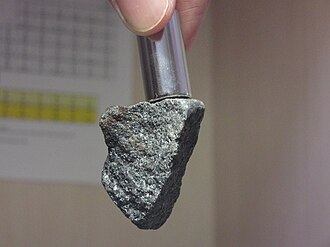
magnet [family]

magnet
magnet
magnet /ˈmæɡnət/ countable noun

"Chick magnet", informal: someone attractive to women. "Babe magnet": gender-neutral version. "Magnet school": US specialized public school.

  • an object that attracts iron

    She put the photo on the fridge with a magnet.

magnetic field /mæɡˌnetɪk ˈfiːld/ countable noun

Earth's magnetic field protects us from solar radiation. Generated by molten iron in the core. Compasses point to magnetic (not true) north.

  • the region around a magnet where magnetic force is observed

    The Earth has a magnetic field.

magnetic tape /mæɡˌnetɪk ˈteɪp/ uncountable noun

Largely obsolete for consumer use (replaced by digital), but still used for archival storage and old recordings. Cassette tapes, VHS tapes used magnetic tape.

  • a long thin strip of plastic coated with magnetic material

    Old computer data was stored on magnetic tape.

magnetic /mæɡˈnetɪk/ adjective

"Magnetic personality": strongly attractive. "Magnetic field", "magnetic north": physics. "Magnetic stripe": credit card.

  • having the properties of a magnet

    The metal had become magnetic.

#3913

machine [family]

machine /məˈʃiːn/ countable noun

"Machine learning" - major modern AI field. "Vending machine", "washing machine" - common compounds.

  • a device with moving parts that performs a task

    He repaired the sewing machine.

machine /məˈʃiːn/ transitive verb
past: machined /məˈʃiːnd/
pp: machined /məˈʃiːnd/

Manufacturing/engineering term.

  • to make or shape with a machine tool

    The part was machined to precise tolerances.

machinery /məˈʃiːnɚi/ uncountable noun

"Heavy machinery": construction equipment. "The machinery of government": figurative use for bureaucracy.

  • machines collectively

    The factory has expensive machinery.

#3912

loyal [family]

loyal /ˈlɔɪəl/ adjective

"Loyal customer", "loyal friend" - common collocations. Antonym: disloyal.

  • giving or showing firm and constant support

    He remained loyal to his friends.

loyalty /ˈlɔɪəlti/ noun

"Loyalty card" / "loyalty program": marketing tool rewarding repeat customers (airlines, supermarkets, coffee shops).

  • the quality of being loyal

    His loyalty to his family is unwavering.

loyalist /ˈlɔɪəlɪst/ countable noun

Capitalized Loyalist can refer to colonists loyal to Britain during the American Revolution.

  • a person who remains loyal to a ruler, party, or cause

    Party loyalists defended the leader after the scandal.

#3911

loose [family]

loose /luːs/ adjective

Don't confuse with "lose" /luːz/ (= misplace, not win). "Loose" /luːs/ = not tight. "On the loose": escaped, at large. "Loose change": small coins.

  • not firmly fixed in place

    The handle is loose.

loosen /ˈluːsən/ verb
past: loosened /ˈluːsənd/
pp: loosened /ˈluːsənd/
  • to make or become less tight

    Loosen the lid before heating the jar.

#3910

logic [family]

logic /ˈlɑːdʒɪk/ uncountable noun

"By that logic" - common phrase questioning reasoning. Formal branch of philosophy/math.

  • reasoning conducted according to strict principles of validity

    There's no logic in that argument.

logical /ˈlɑːdʒɪkəl/ adjective

Antonym: illogical.

  • characterized by clear, valid reasoning

    That's a logical conclusion.

logician /loʊˈdʒɪʃən/ countable noun

Famous logicians: Aristotle, Gottlob Frege, Bertrand Russell, Kurt Gödel. Modern logic is closely connected with computer science.

  • a person skilled in logic

    He's a brilliant logician.

#3909

literal [family]

literal /ˈlɪtɚəl/ adjective

Antonym: figurative, metaphorical. "Literal interpretation" of religious texts: major theological position.

  • taking words in their basic sense

    He took her words in a literal sense.

literally /ˈlɪtɚəli/ adverb

Famously controversial: increasingly used as an intensifier ("I literally died laughing"), which purists object to. Now accepted by major dictionaries.

  • in a literal manner

    She literally fell asleep at the wheel.

#3908

license / licence [family]

license /ˈlaɪsəns/ noun

American: "license" for both noun and verb. British: "licence" (noun) vs. "license" (verb).

  • (American) a permit allowing legal authority

    You need a driver's license.

licence /ˈlaɪsəns/ countable noun

British spelling for the noun. Pronunciation identical to "license".

  • (British) a permit allowing legal authority

    He passed his driving test and got his licence.

license /ˈlaɪsəns/ transitive verb
past: licensed /ˈlaɪsənst/
pp: licensed /ˈlaɪsənst/

Same spelling in both American and British English for the verb.

  • to grant a license to; to authorize

    The company is licensed to sell alcohol.

#3907

library [family]

library /ˈlaɪbreri/ countable noun

"Public library", "library card". "Library of Congress" - largest library in the world.

  • a building or room containing collections of books for reading or borrowing

    She borrowed the book from the library.

librarian /laɪˈbreriən/ countable noun

Modern librarians do far more than shelve books: research help, digital resources, community programming. "Reference librarian" specializes in research help.

  • a person in charge of a library

    Ask the librarian for help finding the book.

#3906

lie [family]

lie /laɪ/ intransitive verb
past: lied /laɪd/
pp: lied /laɪd/

Past tense: lied. Different from "lie" (recline), which is irregular: lie/lay/lain.

  • to say something that is not true, intentionally

    He lied about where he had been.

lie /laɪ/ countable noun

"White lie" - a small, harmless untruth.

  • an intentionally false statement

    She told a lie to avoid trouble.

lie /laɪ/ intransitive verb
past: lay /leɪ/
pp: lain /leɪn/

Irregular: lie/lay/lain. Don't confuse with "lay" (transitive: to lay something down). Unrelated root to the untruth sense above - a true homograph.

  • to be in or assume a horizontal position

    He lay on the sofa all afternoon.

liar /ˈlaɪɚ/ countable noun

"Pathological liar": compulsive lying (sometimes a mental health symptom). "Liar Liar": 1997 Jim Carrey film. "Pants on fire": children's accusation of lying.

  • a person who tells lies

    He's a notorious liar.

#3905

lean

lean /liːn/ verb
past: leaned /liːnd/ or leant /lent/ (British)
pp: leaned /liːnd/ or leant /lent/ (British)

Past tense: leaned (or leant, British). "Lean In": Sheryl Sandberg's 2013 book. "Lean" (adjective) = slim, or with little fat.

  • to incline from a vertical position

    He leaned against the wall.

lean /liːn/ adjective

"Lean cuisine": low-fat food brand. "Lean meat": low in fat. "Lean years": periods of difficulty.

  • (of a person) thin

    He has a lean build.

#3904

law [family]

law /lɔː/ noun

"Law of the land", "break the law", "law school". "Murphy's Law" - anything that can go wrong, will.

  1. the system of rules a society recognizes as regulating actions

    It's against the law to drive without a license.

  2. a rule defining correct procedure or behavior in a particular field

    Newton's laws of motion.

lawful /ˈlɔːfəl/ adjective

Antonyms: unlawful, illegal. "Lawful good" / "chaotic neutral" etc.: D&D moral alignments.

  • conforming to the law

    It was a lawful arrest.

#3903

launch

launch /lɔːntʃ/ transitive verb
past: launched /lɔːntʃt/
pp: launched /lɔːntʃt/

"Product launch", "book launch", "rocket launch". In tech: "soft launch", limited release; "hard launch", full release.

  1. to set in motion or set afloat

    They launched the rocket successfully.

  2. to start or introduce

    They launched a new product.

launch /lɔːntʃ/ countable noun

"Soft launch" vs "hard launch" in tech/product contexts.

  • an act of starting or setting something in motion

    The product launch was a huge success.

#3902

landmark

landmark /ˈlændmɑːrk/ countable noun

"Landmark case" / "landmark decision": legally significant. "National landmark": historically/culturally significant site.

  1. an object or feature easily seen and recognized

    The Eiffel Tower is a famous landmark.

  2. an event marking an important stage in development

    The discovery was a landmark in science.

#3901

lag [family]

lag /læɡ/ verb
past: lagged /læɡd/
pp: lagged /læɡd/

Past tense: lagged. In gaming/internet: "lag" = delay due to slow connection. "Jet lag" : disorientation from long flights.

  • to fall behind

    He lagged behind the rest of the group.

lag /læɡ/ countable noun
  • a period of time between two events

    There's a lag between the question and the answer.

laggard /ˈlæɡɚd/ countable noun
  • a person or organization that is slow or falls behind others

    The country has been a laggard in adopting renewable energy.